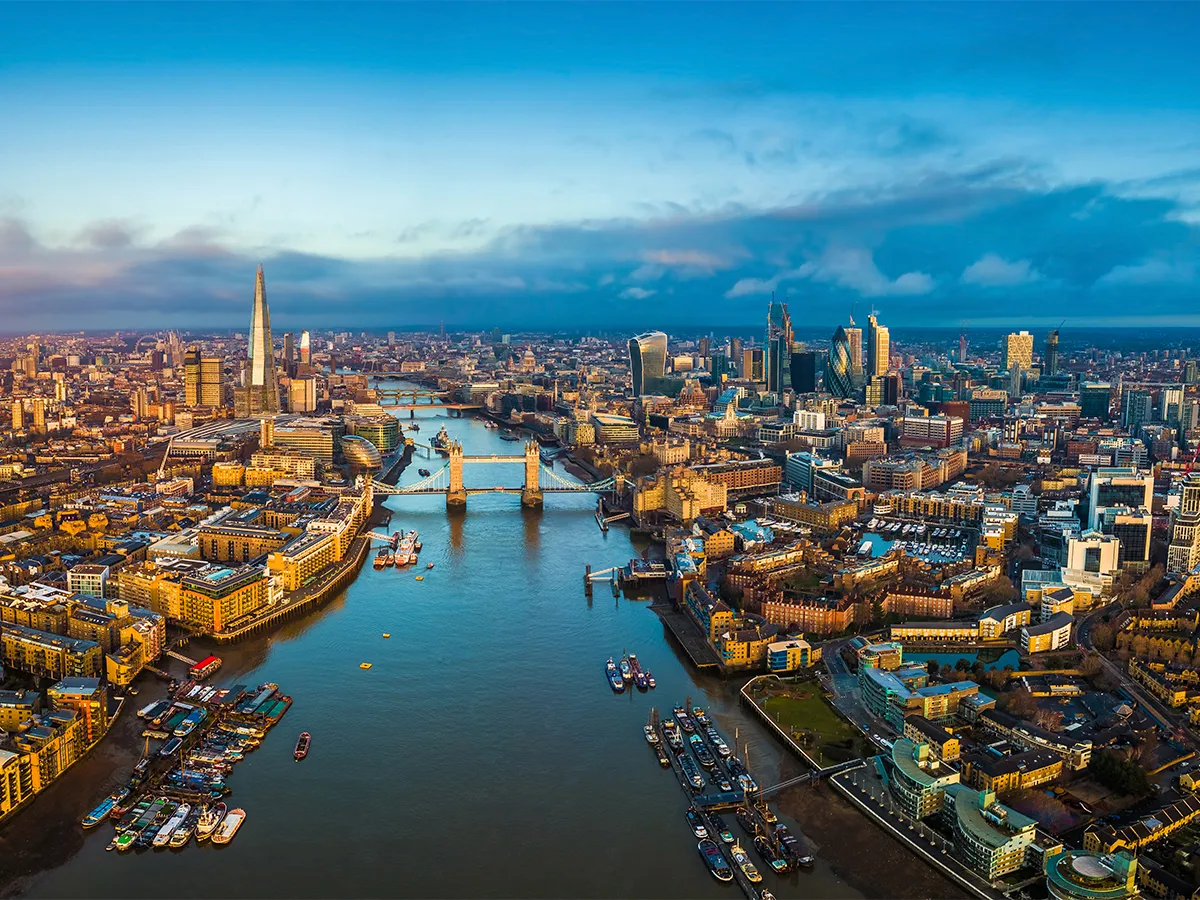
Skip to Content Subscribe Our Offers My Account Manage My Subscriptions FAQ Newsletters Canada Canadian True Crime Canadian Politics Health World Israel & Middle East Financial Post NP Comment Longreads Puzzmo Diversions Comics NP News Quiz New York Times Crossword Horoscopes Life Eating & Drinking Style Sponsored Play for Ontario Travel Travel Canada Travel USA Travel International Cruises Travel Essentials Culture Books Celebrity Movies Music Theatre Television Business Essentials Advice Lives Told Tails Told Shopping Buy Canadian Home Living Outdoor Living Kitchen & Dining Tech Style & Beauty Personal Care Entertainment & Hobbies Gift Guide Travel Guide Amazon Prime Day Deals Savings National Post Store More Sports Hockey Baseball Basketball Football Soccer Golf Tennis Driving Vehicle Research Reviews News Gear Guide Obituaries Place an Obituary Place an In Memoriam Classifieds Place an Ad Celebrations Working Business Ads Archives Healthing Epaper Manage Print Subscription Profile Settings My Subscriptions Saved Articles My Offers Newsletters Customer Service FAQ Newsletters Canada World Financial Post NP Comment Longreads Puzzmo Diversions Life Shopping Epaper Manage Print Subscription HomeNP CommentRick Ekstein: Inside ARC, the global gathering asking whether the West can renew itselfI returned to Canada more hopeful than when I leftLast updated Jul 07, 2026 You can save this article by registering for free here. Or sign-in if you have an account.London, England was the setting for the annual conference of the Alliance for Responsible Citizenship (ARC) in June, which attracted more than 4,000 delegates from around the world to discuss democratic renewal and the decline of western civilization. Rick Ekstein writes that he left the forum more hopeful than when he arrived. Photo by Zoltan Gabor / iStock / Getty Images PlusLONDON — More than 4,000 delegates from dozens of countries gathered in London at the end of June for the Alliance for Responsible Citizenship (ARC) conference, a fast-growing international forum focused on family, faith, freedom, energy, democratic renewal and what its organizers describe as the moral decline of western civilization.Enjoy the latest local, national and international news.Exclusive articles by Conrad Black, Barbara Kay and others. Plus, special edition NP Platformed and First Reading newsletters and virtual events.Unlimited online access to National Post.National Post ePaper, an electronic replica of the print edition to view on any device, share and comment on.Daily puzzles including the New York Times Crossword.Support local journalism.Enjoy the latest local, national and international news.Exclusive articles by Conrad Black, Barbara Kay and others. Plus, special edition NP Platformed and First Reading newsletters and virtual events.Unlimited online access to National Post.National Post ePaper, an electronic replica of the print edition to view on any device, share and comment on.Daily puzzles including the New York Times Crossword.Support local journalism.Create an account or sign in to continue with your reading experience.Access articles from across Canada with one account.Share your thoughts and join the conversation in the comments.Enjoy additional articles per month.Get email updates from your favourite authors.Create an account or sign in to continue with your reading experience.Access articles from across Canada with one accountShare your thoughts and join the conversation in the commentsEnjoy additional articles per monthGet email updates from your favourite authorsSign In or Create an AccountorARC is not yet well known in Canada. It was founded in 2023 and is closely associated with Canadian psychologist Jordan Peterson, Baroness Philippa Stroud of the United Kingdom and former Australian deputy prime minister John Anderson. Its own material describes the movement as a call to “builders” and to those who choose “gratitude over cynicism.” Its critics describe it as a right-of-centre gathering that packages culture-war politics in the language of renewal.Both descriptions were visible in London.The National Post newsletter that doesn’t hold back, giving readers the unvarnished truth on media, politics and culture.By signing up, you consent to receive the above newsletter from Postmedia Network Inc.A welcome email is on its way. If you don't see it, please check your junk folder.The next issue of Right? will soon be in your inbox.We encountered an issue signing you up. Please try againInside the conference hall were politicians, business leaders, clergy, journalists, academics, entrepreneurs and ordinary citizens. Outside were a small number of protesters accusing ARC of providing intellectual cover for fossil fuel interests and conservative politics. Inside, speakers argued that western societies have lost faith in their own achievements and that the response should not be despair, but responsibility.I attended ARC last year as an observer. This year, I was invited to speak.The scale of the event was striking. Delegates had come from across Europe, North America, the Middle East, Africa and Asia. Some were senior political figures. Others were parents, pastors, students, writers or civic activists trying to understand why so many institutions they once trusted now seem unable to command confidence.One delegate from South Sudan, the world’s newest country, said he had come to learn more about democracy and the institutions needed to sustain it. A mother of five spoke about homeschooling her children because she no longer trusted her local school system to provide the education she believed they needed. Delegates from the United Arab Emirates spoke with pride about the Abraham Accords and with concern about radicalization in parts of Europe and the U.K.One Emirati speaker made the point bluntly: after 9/11, he said, his country learned the danger of radicalization and worked to drive it out of public life. Why, he asked, were western countries allowing it to flourish? He stated that the Emirates will no longer support student scholarships to schools in the U.K.That blend of personal concern and broader civilizational argument shaped the conference.Energy was one of the major themes. Several speakers argued that the modern world was built on the ability to turn energy into work, first through the steam engine and later through coal, oil, gas, nuclear power and new technologies. They argued that cheap, reliable energy helped lift much of humanity out of extreme poverty and that today’s energy policies often hurt the poor most by raising the cost of everything.Others warned that high energy costs in the West have pushed manufacturing toward China and other jurisdictions with fewer environmental constraints. Critics outside the hall saw this as a defence of fossil fuels. Inside, the argument was framed as a defence of affordability, industrial capacity and realism.Another recurring theme was family. Speakers returned again and again to the idea that strong societies depend on strong families, and that no government program can fully replace the moral formation, stability and responsibility learned at home.Faith also occupied a central place. The tone was often Christian, though not exclusively so. Some speakers argued that the decline of religious observance has left western societies without a shared moral language. Others, including non-religious attendees, framed the issue less theologically: can a free society survive without some common understanding of right and wrong?Responsibility was the conference’s central word. ARC’s basic argument is that citizens cannot outsource every problem to government. People must raise children well, build businesses, defend institutions, vote, volunteer, speak up and accept obligations to their neighbours.That message helps explain ARC’s appeal. It is not merely a political conference, though many of its speakers are political. It is a gathering for people who believe the West is in trouble but not finished.The most personal part of the conference for me came when I spoke about antisemitism.I told the audience about the Polish Catholic man who smuggled my mother out of a ghetto in a potato sack, past Nazi guards, and hid her with a Catholic priest, saving her from almost certain death. I spoke about Oskar Schindler, who saved my Aunt Sally. After the war, my aunt found my mother. They came to Canada. Because of courageous Christians, I am alive.I also spoke about the resurgence of antisemitism, not only as a Jewish concern but as a warning to society as a whole. Hatred rarely stops with one target. It begins with slogans, intimidation and social permission, and too often ends in the violence seen at Bondi Beach.I spoke about churches burned or vandalized in Canada, Christians murdered in parts of Africa, and Jews facing open hostility in western streets, schools, campuses and institutions. People of faith, I argued, are increasingly under attack. Jews must stand with Christians when Christians are threatened. And when Jews are threatened, I asked whether Christians and others of conscience would stand with the Jewish people.Then the room stood.First one person, then another, then row after row, until thousands of delegates were on their feet applauding and showing their support for the Jewish people.For a Jew in a world of roughly 16 million Jews, it was a rare moment of feeling less alone.Afterward, other speakers returned to the issue of antisemitism. Several described it as one of the clearest indicators of democratic and moral decline in the West. Delegates stopped me in the hallways to tell stories about moments when they had spoken up, or wished they had, when Jews were being targeted.That was perhaps the most important thing I saw at ARC: people trying to move from complaint to action.The movement is not without controversy. Some critics see ARC as a vehicle for populist politics, religious conservatism or opposition to climate policy, and some of the language used by speakers deserves scrutiny. A serious news account should not pretend otherwise.But neither should it ignore what is drawing thousands of people from around the world to a conference built around responsibility, faith, family, freedom and western renewal.Interestingly, while there was significant international coverage of the conference, most of it was around who attended, spoke and funded it, rather than the policies discussed.Canada often imports political and cultural ideas from the United States and Europe. ARC represents another current that Canadians have barely begun to discuss. Whether one agrees with every speaker is beside the point. The more interesting question is why so many people believe the West has reached an inflection point, and why they are prepared to travel across the world to talk about rebuilding it.I returned to Canada more hopeful than when I left, not because the problems seem smaller, but because so many people I met had decided they were no longer content merely to complain about them.Special to National PostRick Ekstein is a proud first-generation Canadian, son of Holocaust survivors, businessman and philanthropist. Join the Conversation This website uses cookies to personalize your content (including ads), and allows us to analyze our traffic. Read more about cookies here. By continuing to use our site, you agree to our Terms of Use and Privacy Policy.
Rick Ekstein: Inside ARC, the global gathering asking whether the West can renew itself
I returned to Canada more hopeful than when I left
1,752 words~8 min read