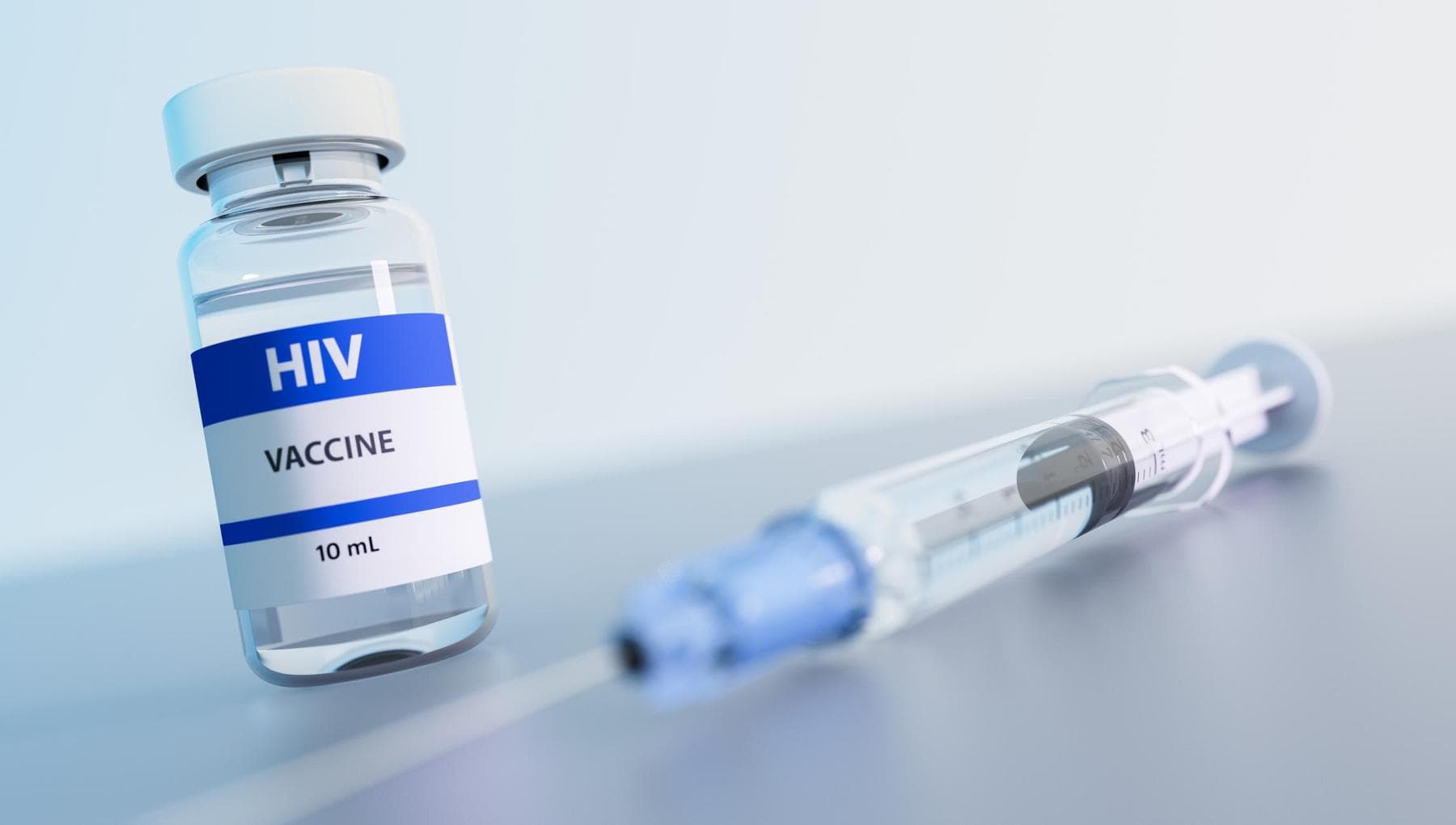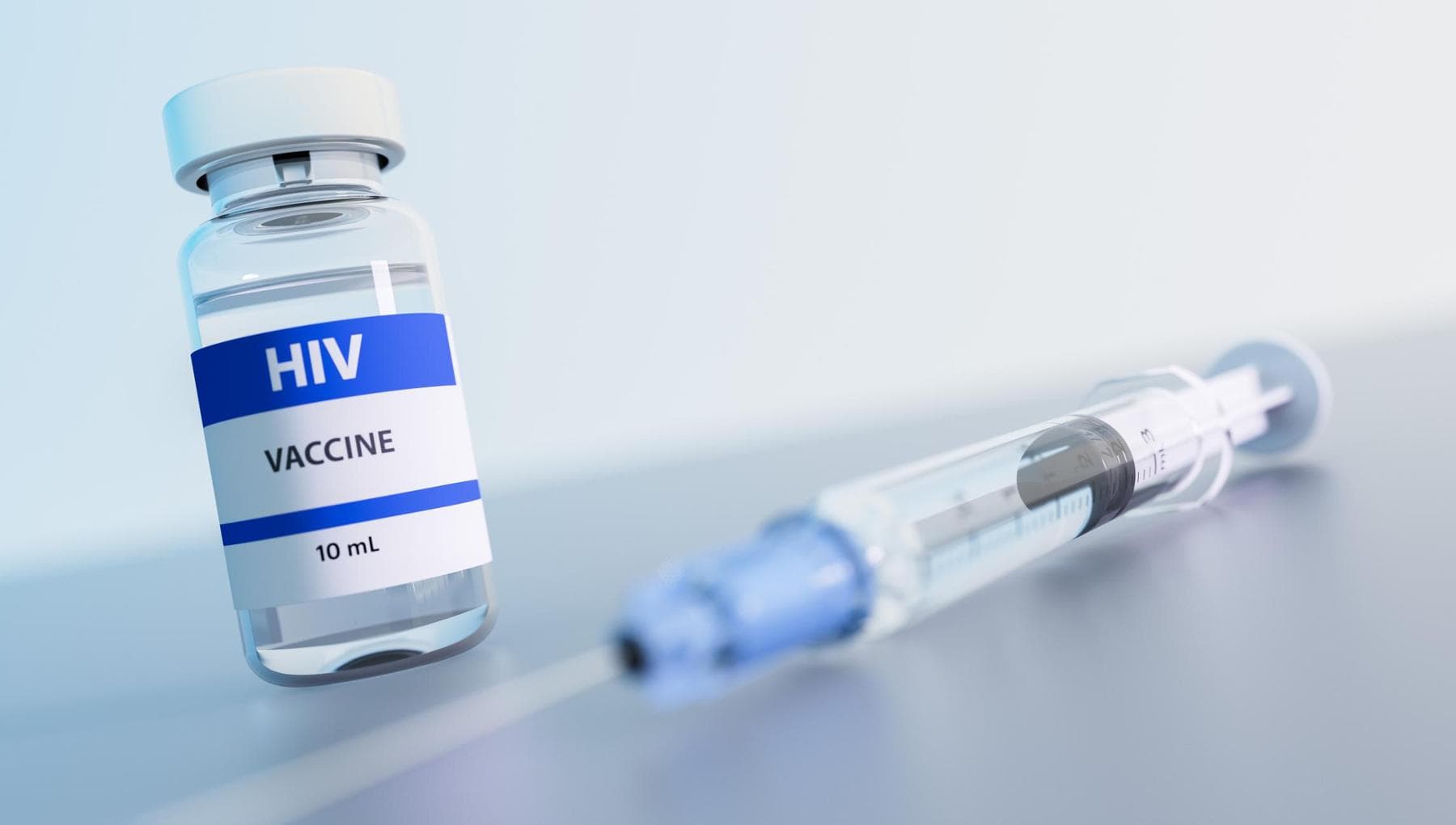
Scientists have developed an experimental HIV vaccine candidate that has shown encouraging results in preclinical studies, raising fresh hopes of preventing new HIV infections by triggering the production of rare, broadly neutralising antibodies capable of fighting the virus despite its rapid mutations, researchers said.Representational image.The vaccine, developed by scientists from the La Jolla Institute for Immunology (LJI), Scripps Research and the International AIDS Vaccine Initiative (IAVI), has the potential to protect people from developing HIV infection and AIDS. According to LJI, it is the first HIV vaccine candidate to generate a high level of broadly neutralising, virus-fighting antibodies in primates.“This feels like a huge success,” said Shane Crotty, chief scientific officer at LJI, who co-led the research with Scripps Research professor William Schief. “We constructed a successful vaccine from the ground up, which required a deep understanding of the immune system.”The vaccine works by targeting a process known as B cell maturation. B cells are responsible for producing antibodies. Like many immune cells, they begin in a naive stage before becoming capable of generating antibodies. Once B cells detect a pathogen such as a virus, they begin maturing after recognising parts of the pathogen’s molecular structure, producing antibodies that can bind to those structures and prevent infection.Researchers explained that B cells often require time to identify the most vulnerable targets on a pathogen. As they mature, they continually refine the structure of the antibodies they produce, enabling them to bind more effectively to those vulnerable sites.HIV has proved particularly difficult to defeat because it prevents B cells from developing effective antibodies. One challenge is that the virus disguises itself from the immune system by surrounding itself with constantly shifting sugar molecules, known as glycans, allowing it to evade detection by immune cells that are also covered with glycans.The second challenge is HIV’s extraordinary ability to mutate. “The worldwide diversity of HIV mutations is extraordinary. Even the diversity within one individual person living with HIV is dramatic,” said Patrick Madden, an LJI instructor who served as study co-first author along with Jon Steichen, an investigator at Scripps Research.The third obstacle is the virus’s ability to change its shape while infecting human cells. Even if B cells recognise part of the virus, its structure changes rapidly, making previously produced antibodies ineffective.Taken together, these characteristics rarely give B cells enough opportunity to develop potent neutralising antibodies. Even when such antibodies are produced, HIV can mutate or alter its structure, rendering them ineffective.The LJI and Scripps Research teams spent years identifying rare broadly neutralising antibodies capable of binding to HIV by recognising critical viral structures even when other parts of the virus mutate. Although extremely uncommon, these antibodies have been identified in blood samples from a small number of people living with HIV.Researchers said an effective HIV vaccine would need to stimulate the immune system to produce these same broadly neutralising antibodies. “How could we flip the whole immune response on its head so the rare responses become the common responses? That was a critical challenge we faced,” Crotty said.The scientists examined what made HIV-targeting B cells unique before tracing their maturation process in reverse. This enabled them to determine how B cells evolved after being exposed to specific components of HIV’s structure.The team found that B cells developed broadly neutralising antibodies after early exposure to portions of HIV’s outer envelope protein. These viral regions, known as antigens because they trigger immune responses, became the basis for designing the vaccine.The Schief laboratory subsequently developed vaccine molecules that closely resembled these HIV antigens. The vaccine candidate was then tested in rhesus macaques at the Emory National Primate Research Center.The researchers found that about 44% of the animals produced broadly neutralising antibodies against HIV, with the antibodies present in substantial quantities.The findings, published in Nature, represent the culmination of 14 years of collaboration between the La Jolla Institute for Immunology and Scripps Research as part of the Scripps Consortium for HIV/AIDS Vaccine Development (CHAVD).“This has been one of those Apollo moon mission-type projects, where there is an exceptional goal and the team has to accomplish a myriad of discoveries and inventions along the way,” Crotty said.
New HIV vaccine candidate shows breakthrough promise in preclinical primate study
Researchers said an effective HIV vaccine would need to stimulate the immune system to produce neutralising antibodies.
690 words~3 min read