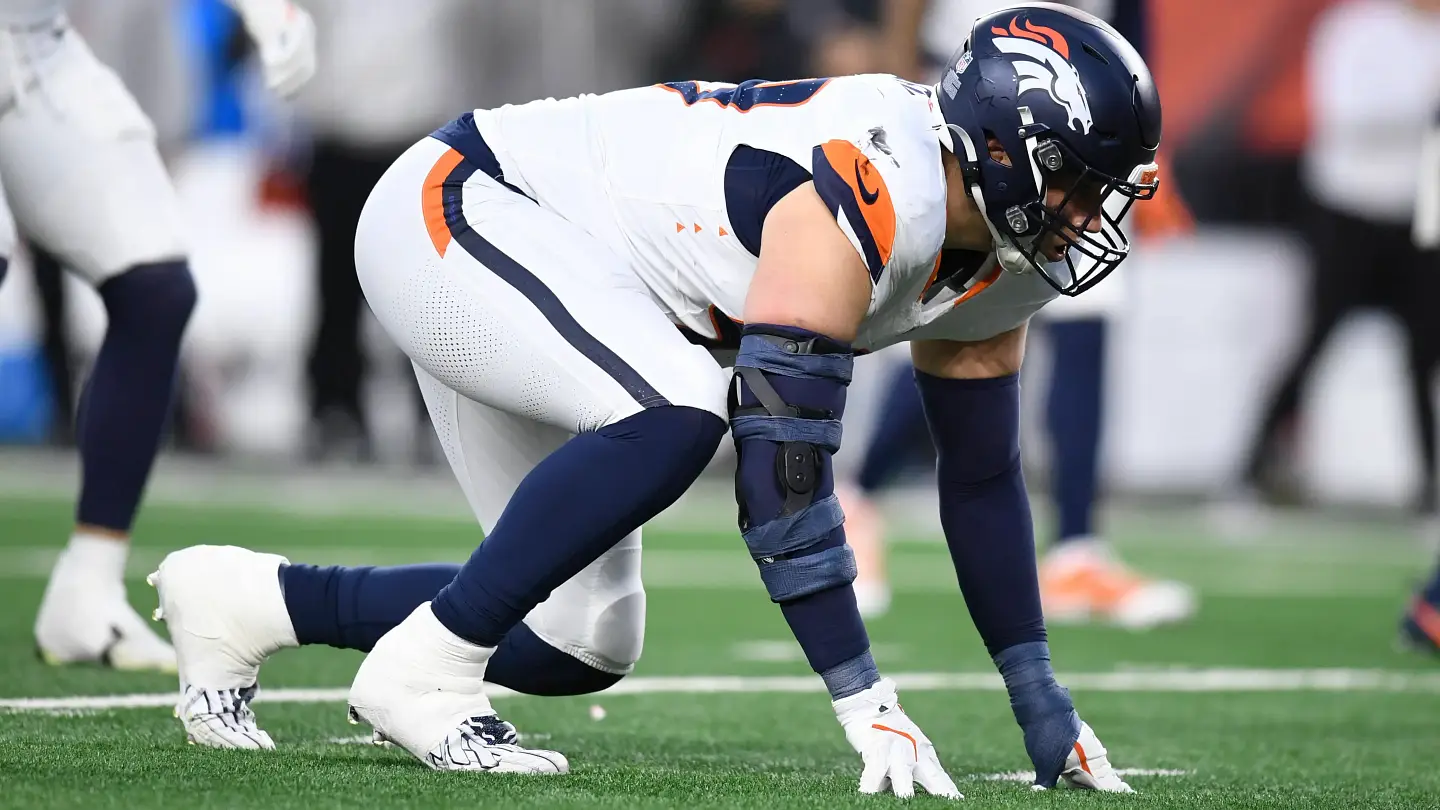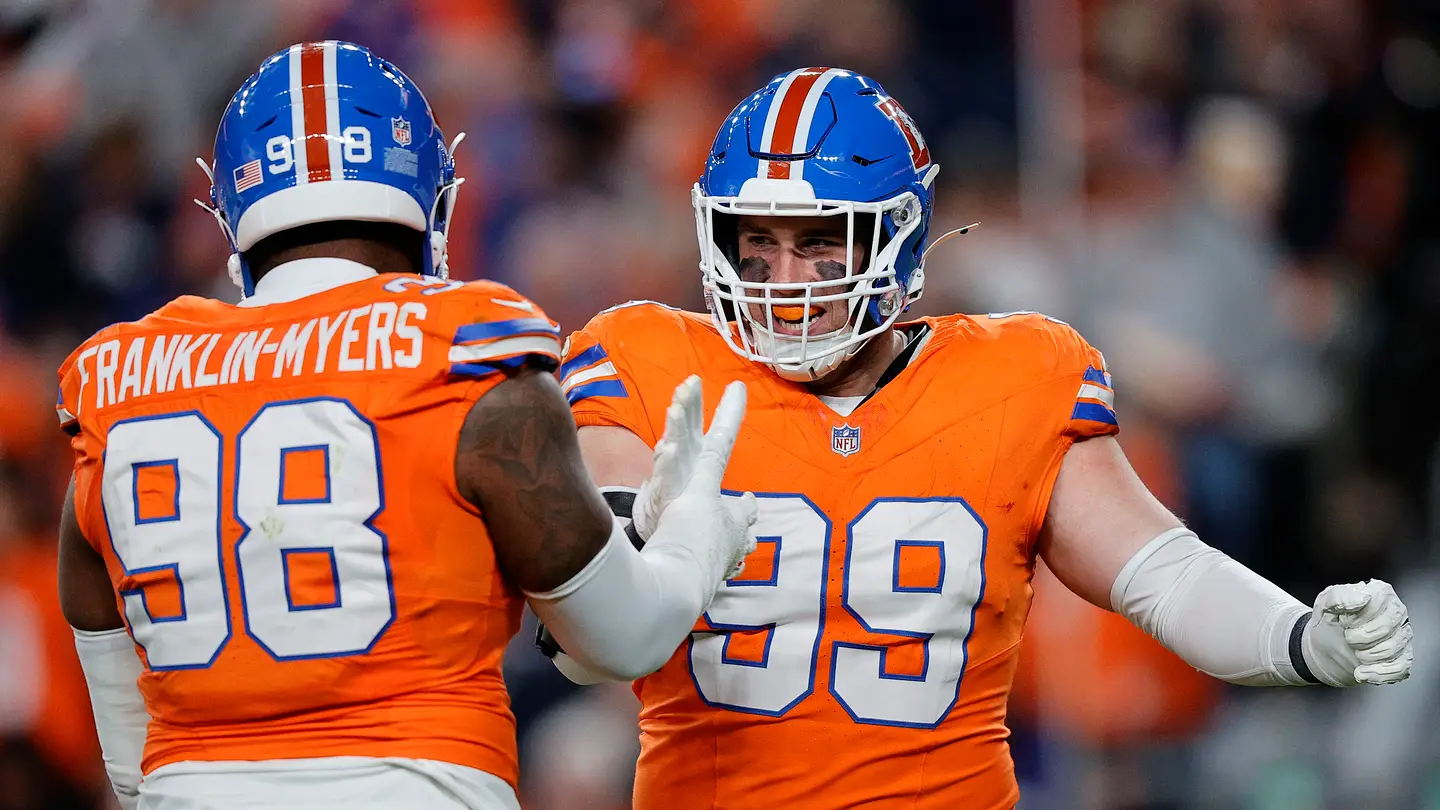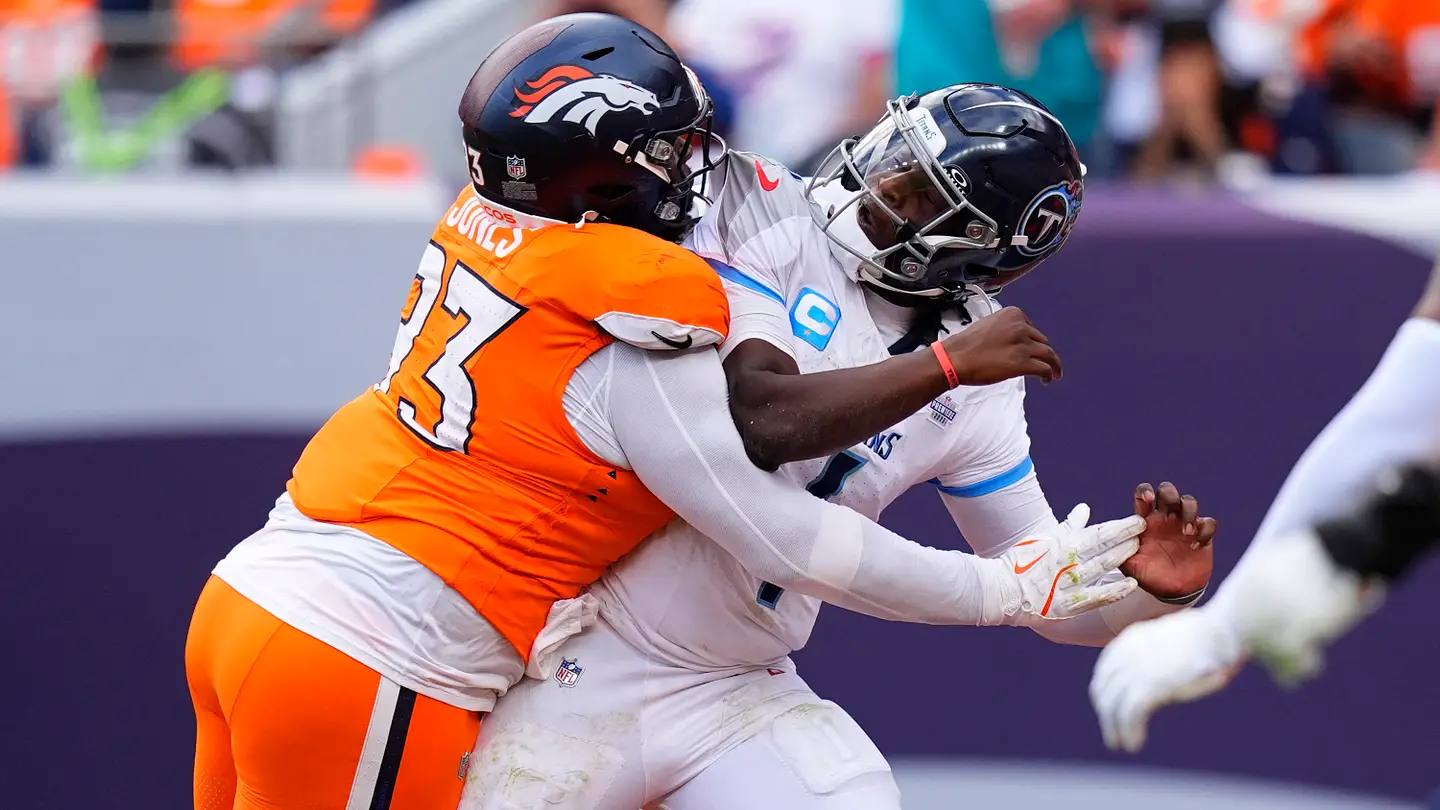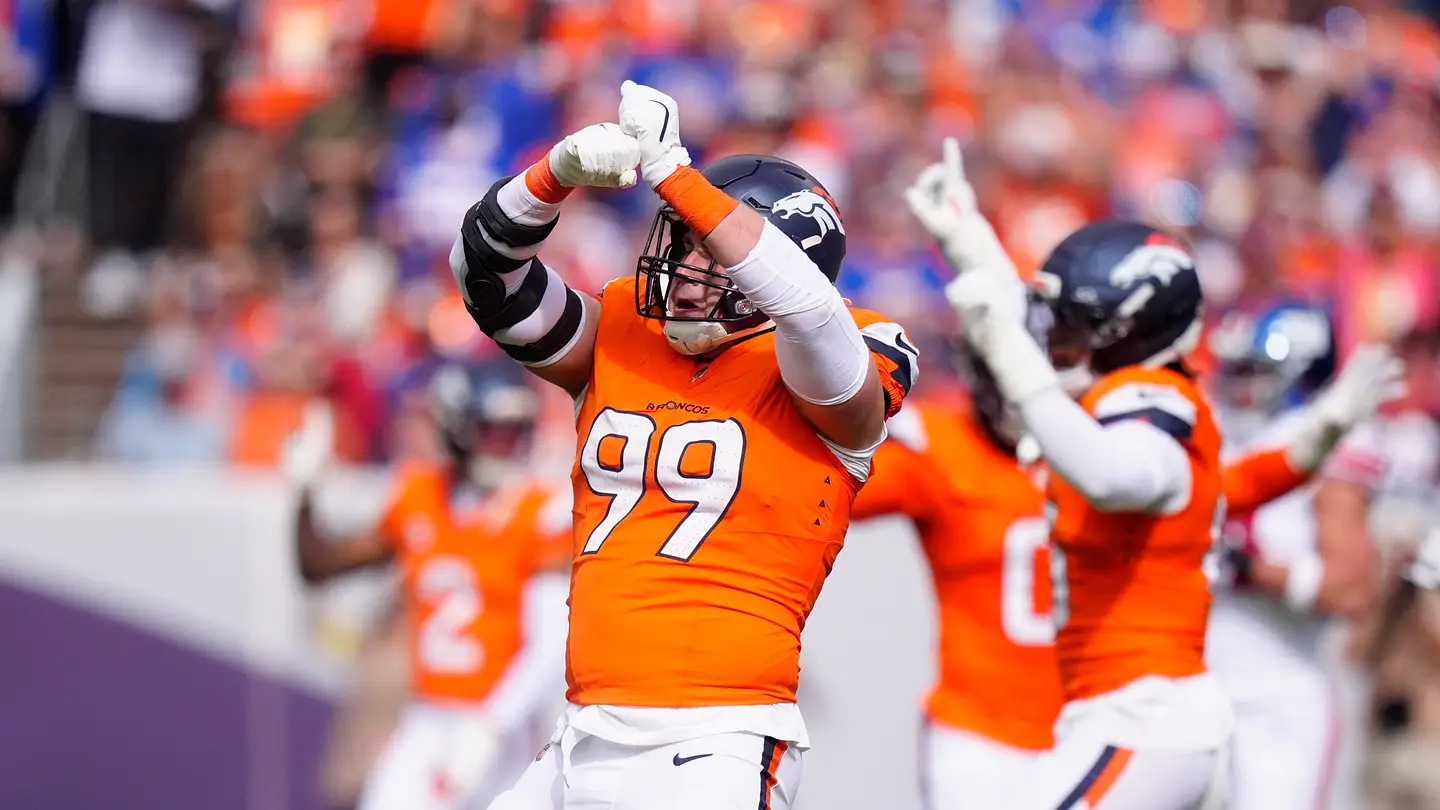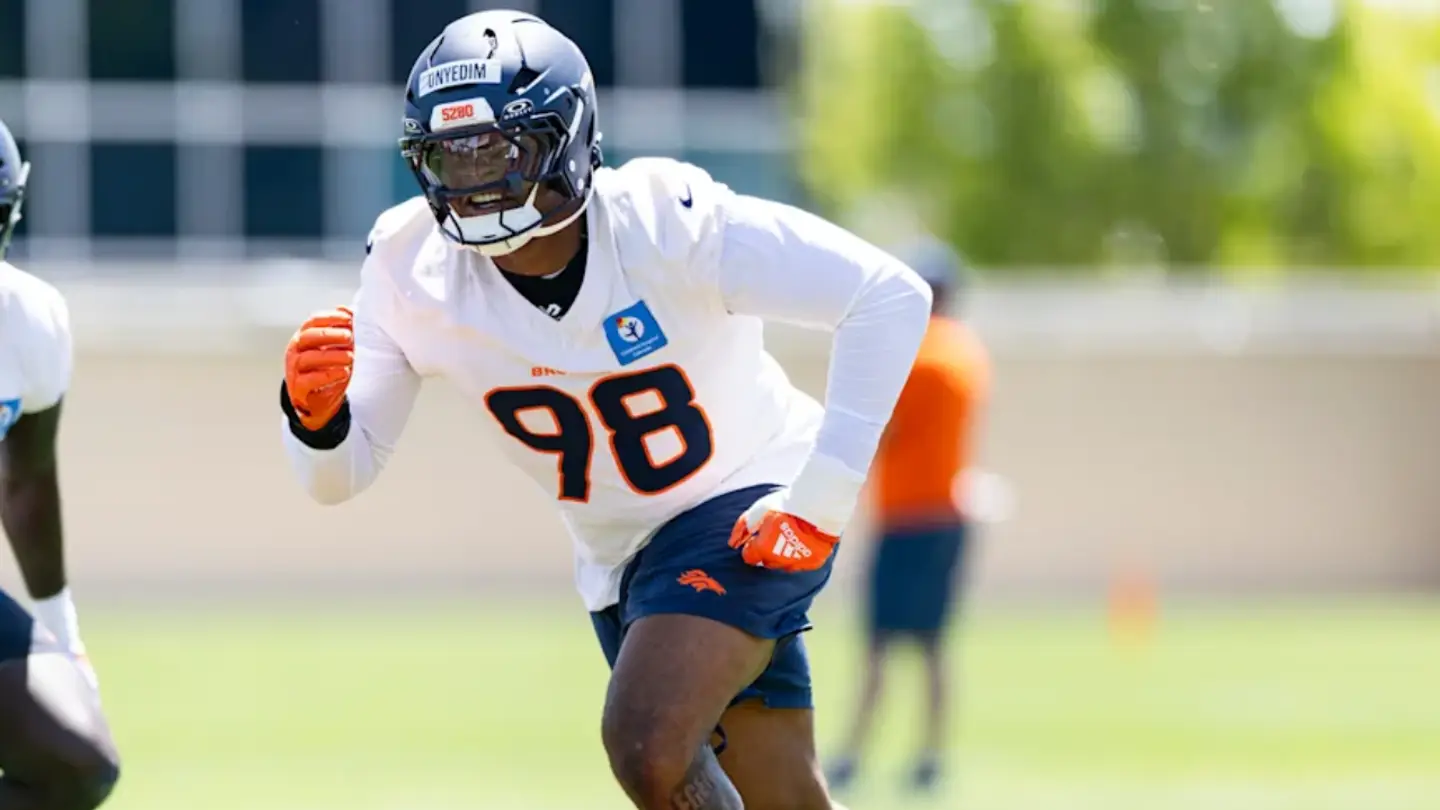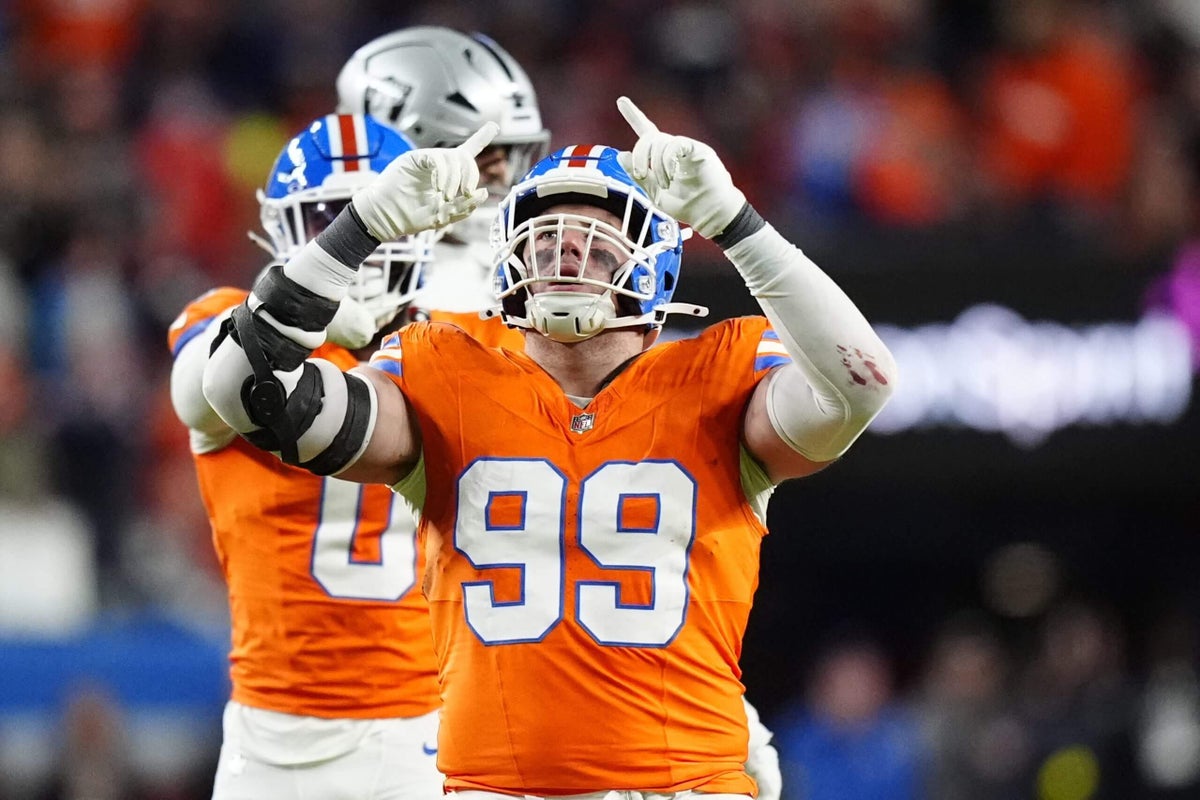
ENGLEWOOD, Colo. — Zach Allen retreats to the cold tub after he has completed a set of post-practice pass-rush sets and pulls out his phone. The Denver Broncos’ veteran defensive end opens his camera roll app, which displays a fresh batch of clips that have been filmed, cut and delivered by a member of the team’s video staff. He studies the scenes of his one-on-one work — sometimes against air, other times against an offensive lineman he has pulled aside after practice — as his body begins its repair process. He evaluates the placement of his hands, the direction of his first lunge forward and every other fine detail he can catalog in his brain in preparation for the battles within the game he’ll wage in the season ahead.“I want to be able to make sure I’m doing it right,” Allen said in June as he stared in the direction of the Broncos’ glistening new practice facility. ” … Every single day, it’s seeing what I’m doing, why I’m doing it and what I need to improve on. It’s (searching for) the little things now to tweak.”Allen became a first-team All-Pro last season for the first time and was voted to his first Pro Bowl Games. He finished with seven sacks after compiling 8.5 during the 2024 season. The 6-foot-5, 285-pound defensive lineman has served as the bedrock of a Denver pass rush that has 131 sacks over the past two seasons — 33 more than any other NFL team during that span. Allen has been a tireless anchor for coordinator Vance Joseph’s defense, playing more pass-rush snaps the past two seasons (1,110) than any other NFL defensive player. That production is owed to a unique blend of physical traits and uncommon endurance, but it is Allen’s relentless self-evaluation that perhaps best explains how he has steadily progressed into one of the league’s best defensive linemen.The Broncos face a challenging schedule in 2026Nick Kosmider“That’s the toughest thing for players when they have success,” said Joseph, who was also defensive coordinator in Arizona during Allen’s four seasons with the Cardinals to begin his career. “Can they go back to the drawing board and improve? Again, that’s human nature: ‘Hey, man, I’m already a Pro Bowler. What’s next?’ But you have to improve. If you’re not improving in this league, people are going to catch you.”Allen drew inspiration from an unlikely source last season as he continued to search for ways to evaluate his approach: a 50-year-old book called “The Inner Game of Tennis,” by W. Timothy Gallwey, an early study on the mental side of athletic performance. Allen has filled up an endless pile of notebooks during meetings in his career. They can serve as reference points to look back on at various points in the season, but the active note-taking approach also helps him retain the information in the moment. Gallwey, a former tennis instructor, preached a similar method of helping athletes absorb material when evaluating their own performance.“One of the big things was he thought that people could really absorb (their own technique) by just seeing it in a mirror,” Allen said of Gallwey’s work, which has been lauded by sports figures from Golden State Warriors coach Steve Kerr to former NFL quarterback Tom Brady. “He was kind of on that before people were really watching film. That kind of affirmed that the best way to learn is to do it and then (evaluate it) and then correct it.”One of Gallwey’s beliefs is that high-level performance should become part of the subconscious. Becoming intimately aware of one’s own movements on the tennis court — or, in Allen’s case, as he grapples with 300-pound offensive linemen — creates a sense of mind-clearing freedom in the midst of competition. For Allen, that translates to constantly creating more source material to study. More entries into the camera roll.“Honestly, when I started practicing, I always thought it was, ‘Here’s what you do in practice and then that’s it,'” second-year Broncos defensive end Sai’vion Jones said. “Zach opened my eyes to the fact that it ain’t nothing to grab an offensive lineman and go the side after practice and work on more stuff. Whether it’s asking them questions or getting more pass-rush reps, he opened my eyes to all the things that you can do after practice.”When Allen was becoming a standout football player at New Canaan High School in Connecticut, his dad sent him a video that helped shape his approach to learning the game. Peyton Manning, the Hall of Fame quarterback who spent the final four seasons of his career with the Broncos, was visiting Tennessee, his alma mater, and talking to the team about his philosophy behind improving through active learning.“He was saying there’s a difference between just watching the film and actually absorbing the film,” Allen said. “From that video I learned how to really process. When you watch film, and I tell guys, you’re always supposed to be writing notes. I’m a pen-and-paper guy, but if I’m watching in the cold tub, I’ll write notes on my phone. My photo app has videos of rushes I like from around the league. You get new ideas and pick new things up and the best way to learn is just to see it.”When Allen got to Boston College in 2015, his defensive line coach was Paul Pasqualoni, who has been instructing players since around the time Gallwey wrote his book. Pasqualoni, who had joined the BC staff one year after coaching J.J. Watt and the defensive line of the Houston Texans, “was a huge film guy,” Allen said, and the veteran coach consistently fed the young defensive lineman’s appetite for clips of new ways to attack offensive linemen.“I had access to NFL film and basically any game I wanted to watch in the college and NFL space and that was the first time I really learned how to watch film,” Allen said.Some of the best learning Allen has done as his career thrived in Denver, resulting in a four-year, $102 million extension last year, has come from studying the man in the proverbial mirror. Allen remains energized by the search for an edge as he enters his eighth NFL season, one that comes with championship-level expectations for the Broncos. When he is away from the Broncos’ facility, spending downtime back in the New England area, he recruits his wife Molly — the couple was married in March — as his video assistant. She hits record while Allen tinkers with a new rush. Then, Allen studies the resulting clips, taking notes and beginning the work of pushing the new moves and counters toward his subconscious self.“When the mind is free of any thought or judgment, it is still and acts like a mirror,” Gallwey writes in his book. “Then and only then can we know things as they are.”
How Zach Allen’s All-Pro rise with Broncos is tied to a 50-year-old book on tennis
Allen has been one of the NFL's top defensive lineman since joining the Broncos in 2023. His self-evaluation routine is a big reason why.
1,163 words~5 min read