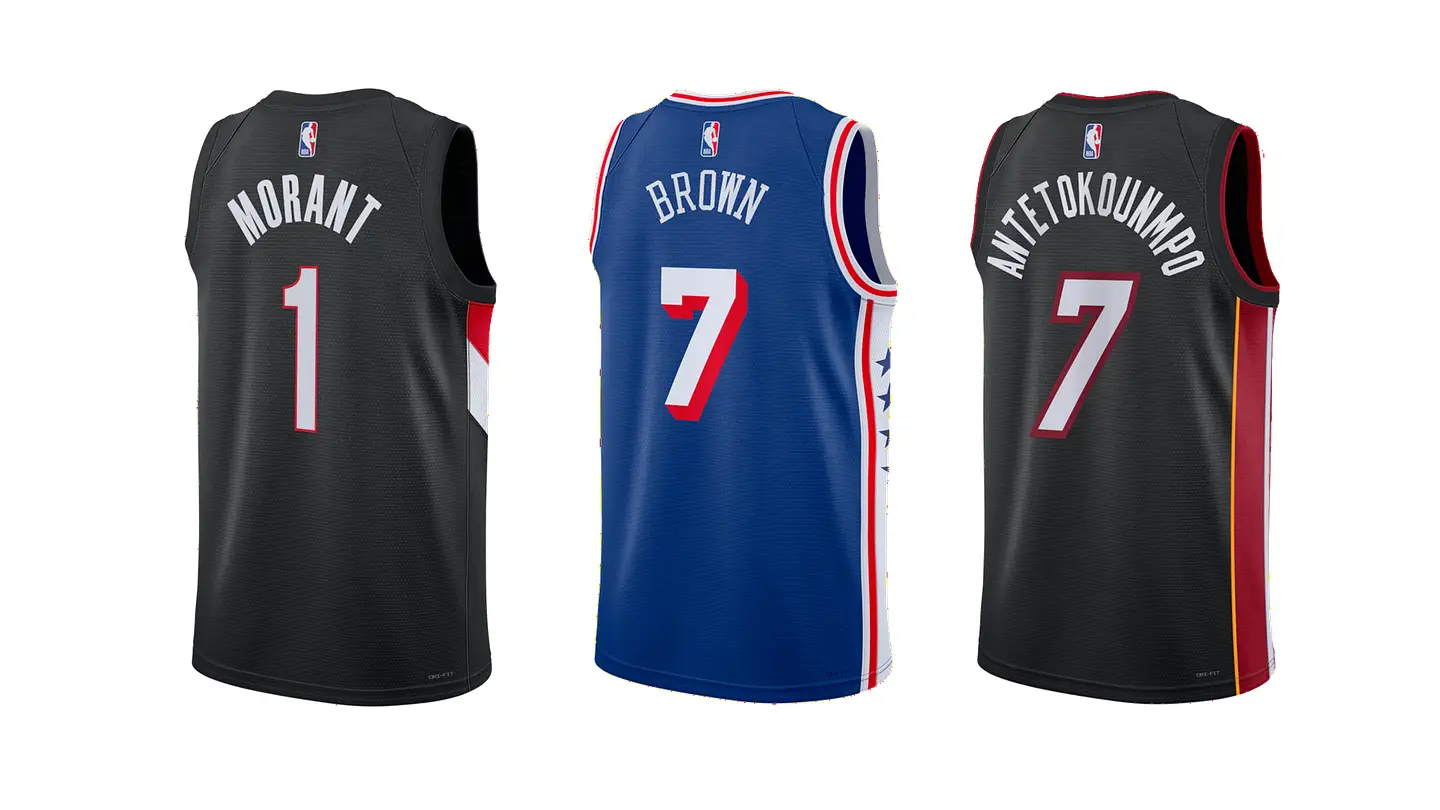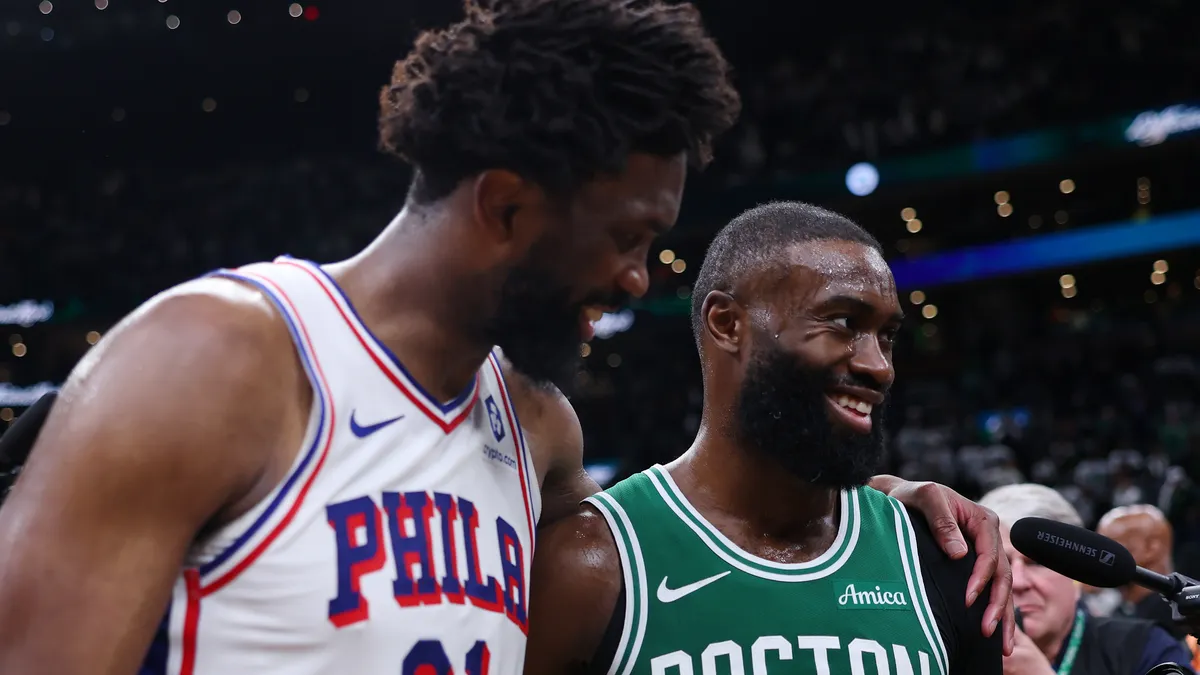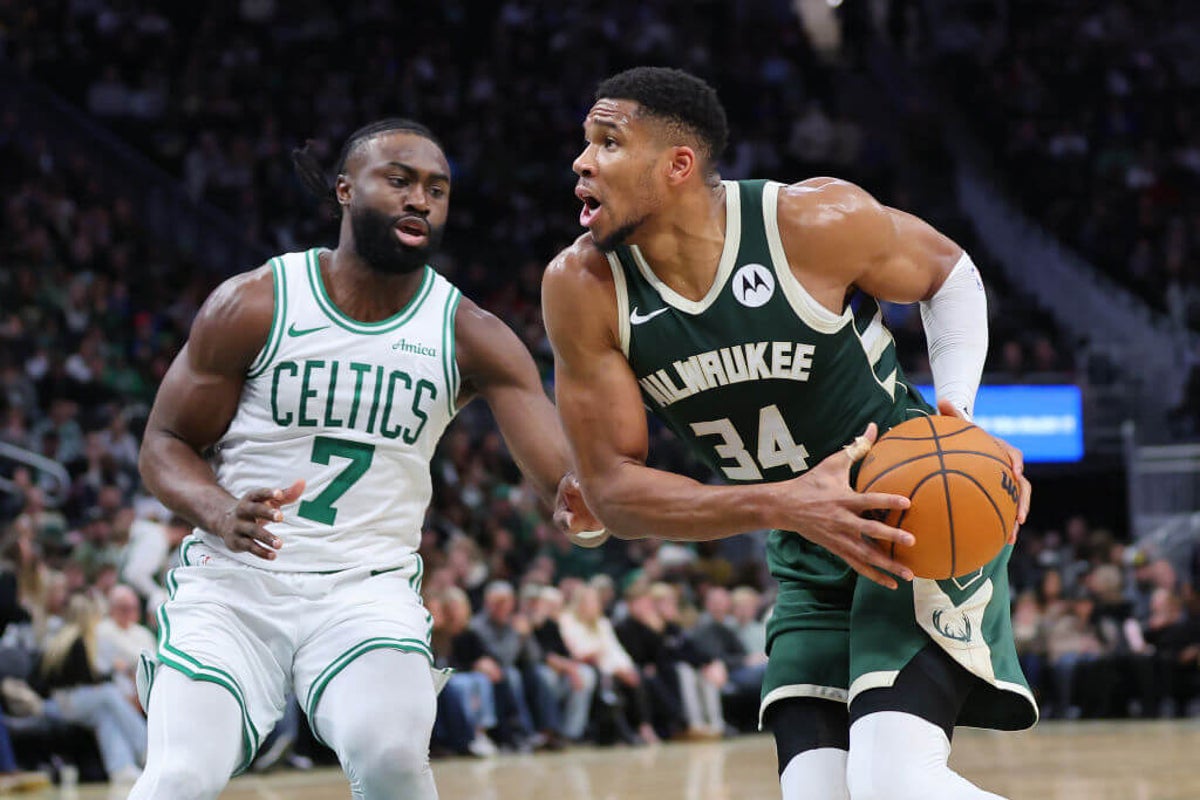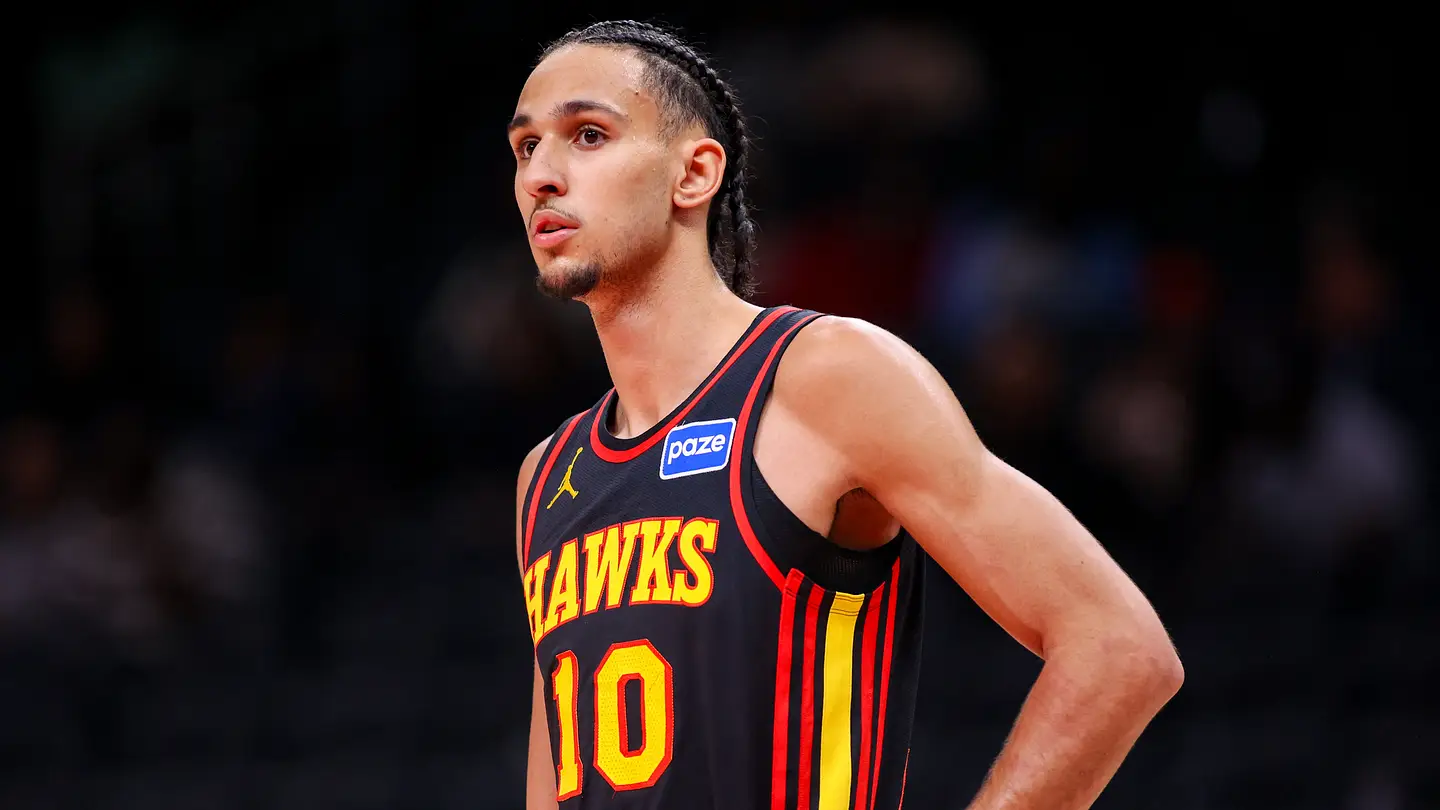
League-altering trades and signings have already occurred.Just in the past week, the Boston Celtics have traded Jaylen Brown, and the Memphis Grizzlies have dealt away Ja Morant. The Charlotte Hornets and LA Clippers have sent LaMelo Ball and Kawhi Leonard north. Giannis Antetokounmpo moved south.But this story is not for the various shiny objects who began the NBA offseason by switching jerseys and signing new contracts.It’s for everyone else.The NBA offseason is about more than just star power, so let’s focus on that. Here are the five best high-value, under-the-radar acquisitions so far this offseason:Rockets re-sign Tari EasonRestricted free agency has claimed another victim. Last summer, a quartet of young players lingered late into the summer without contracts. Some, like the Philadelphia 76ers’ Quentin Grimes, took the qualifying offer, betting on themselves for a one-year deal so they could re-enter the market in 2026. Others, like the Chicago Bulls’ Josh Giddey, eventually found long-term resolutions.The Detroit Pistons and Jalen Duren are currently participating in a similar dance. Duren earned his first All-NBA nod this past season, but the team also understands it has the right of first refusal for any offer sheet he might sign with another organization. Cap space around the league has dried up. Duren wants a payday, and the Pistons haven’t met his number.Eason, one of the Rockets’ many mid-20, two-way wings, took the money early. Now, Houston has locked him in on a starting salary below that of the mid-level exception, part of a five-year, $81.5 million contract that includes a player option on the final season.The Rockets have a history of playing hardball with their restricted free agents. The ceremonial giant salaries, sometimes max contracts, that most front offices hand out to their former high draft picks — those don’t come as easily in Houston.When Jalen Green was eligible for an extension in 2024, the Rockets would not offer a hyper-expensive contract to the player they drafted second overall only three years earlier, even though Green had averaged 20 points during his career. He had to settle for a three-year deal.Young All-Star Alperen Şengün agreed to take less than max money. Former No. 3 pick Jabari Smith Jr. signed an extension with a decreasing salary in Year 2.Eason has an injury history and an errant jump shot, but he’s also a fast-break extraordinaire and defensive dynamo on the perimeter. His 2026-27 salary projects to be a hair above $14 million. For reference, that’s been the going rate for quality backup big men (such as Jock Landale and Robert Williams III), not 25-minute wings capable of closing games.Hornets acquire Royce O’Neale, Grayson AllenThe Suns made multiple moves this summer that warranted consideration for this list. They re-signed Collin Gillespie, fresh off a career year, to a four-year, $48 million contract. That’s $12 million a year for a sharpshooting point guard in the same market that got Ayo Dosunmu $22 million a year and Coby White just short of $25 million annually. The return of Jordan Goodwin, a pesky, defensive-minded guard, for only $19 million over three seasons is another bargain deal.But Phoenix also committed a sin, which worked out well for the Hornets.It sent Royce O’Neale, Grayson Allen and an unprotected 2023 first-round pick to the Hornets. In return, Charlotte sent Miles Bridges, a 2029 first-round pick and a 2027 second-round pick to Phoenix.The move cleared money off the Suns’ books beyond this season. But as I wrote last week, the financial relief is likely just temporary. Bridges is eligible for an extension, one that could rise to the combined salaries of O’Neale and Allen. Given Bridges’ inconsistent shooting, hot-and-cold defense and preference for handling the basketball, there is an argument that the two players Charlotte received in the deal are more pliable than the one who went to Arizona.Allen and O’Neale are both shoot 3-pointers. Each defends capably. Allen took on more playmaking responsibilities last season. But the other side might push back that Bridges has been a 20-point scorer.Of course, true value for the Hornets comes in the draft picks.The incoming first-round pick is the Suns’ unprotected one in 2033, yet another first-rounder Phoenix has ejected. And not all traded picks are created equal. The Hornets are sending one out that isn’t nearly as juicy: a 2029 selection that will be the worst of the Cavaliers’, Timberwolves’ and Jazz’s picks. Chances are, at least one of those teams will select in the 20s. And just in case, it’s top-five protected.Between the Ball and Bridges trades, the Hornets loaded up with two unprotected first-round picks and three more first-round swaps. They identified value and pounced on it.Heat sign Tim Hardaway, Jr.The Heat finally traded for a star. Giannis Antetokounmpo is in, and much of last season’s squad has been displaced to Milwaukee. Now, Miami will trek through the same dry terrain that most teams do after unloading depth for a single talent.It takes another transaction cycle or two, usually a trade deadline and another offseason, to re-bolster the roster after executing a trade like the one for Antetokounmpo. The Heat can swing an in-season deal to add depth. They can also sign a buyout candidate or use the mid-level exception next summer to bring in another piece.For now, they are scraping — not just because they traded so many players away, but also because the structure of the Antetokounmpo deal hard-capped them, and they don’t have much breathing room below that line.Enter: Hardaway, whose second act in the NBA has been as a shooting savior. It’s gone smoothly, too.When the Pistons needed shooting a couple of summers ago, they traded for Hardaway. When the Nuggets wanted a capable veteran to slot in with Nikola Jokić, they signed him. He shot 41 percent from deep on nearly seven 3-point attempts last season. Now, he’s headed to Miami to provide relief for a group that could use it.The Heat enter the season with spacing concerns. Antetokounmpo and Bam Adebayo are both at their best inside the arc. Andrew Wiggins and Davion Mitchell will spread the court around them, but Miami needed another reliable vet. On top of the exodus to Milwaukee, it could not afford to bring back Norman Powell, the squad’s best shooter last season.Hardaway, on a modest contract, $6.5 million for one season, will help.Knicks re-sign Landry ShametLook at what the other capable, role-playing wings received this summer.Dean Wade, a physical defender but hesitant shooter, got $39 million over four years from the 76ers. Kevin Huerter, a once 3-point marksman who has failed to hit even one-third of his 3-pointers over the past two seasons, received $27 million over three years. And then there’s Shamet, who did not seem to miss a jumper for a month of the Knicks’ championship run and who will make less next season than fellow 2026 free agent Ousmane Dieng.New York, which signed Shamet to a four-year, $24 million contract, was not guaranteed to fare so well in Shamet’s free agency.He had played the previous two seasons for the Knicks on minimum contracts that were non-guaranteed to begin each autumn. By the end of 2025-26, he was a trusted member of coach Mike Brown’s rotation, closing occasional playoff games, draining 3s and taking on important defensive assignments.The Knicks are not hard-capped but have self-imposed a limit. The organization does not want to go above the second apron but was dangerously close to reaching that infamously dreaded payroll threshold. Mitchell Robinson, one of the league’s best backup centers, walked in free agency because re-signing him would have driven the Knicks into a territory too expensive. Jose Alvarado returned on a three-year contract and starting salary that will be a smidgen less than the $4.5 million player option he declined, part of the effort to shave off salary wherever the Knicks could.Clearly, the market dictated Shamet, who went 11 of 12 from deep during the Eastern Conference finals, could have earned more. He chose to return to the champs anyway.Trading for the Thunder’s role playersFor the first time in years, other front offices were able to take advantage of the Thunder. In an effort to reduce payroll, Oklahoma City had to part with a couple of dependable reserves. If you wanted Isaiah Joe or Aaron Wiggins, all you needed was the financial flexibility to absorb their contracts and a couple of second-round picks.Both spent time outside of the Thunder’s playoff rotation in the spring, a greater signal of OKC’s overwhelming depth than of Wiggins’ or Joe’s capabilities. The Pistons snagged Joe for second-rounders in 2030 and 2031. The Hawks landed Wiggins for second-rounders in 2030 and 2032.More normal teams than the Thunder could use the talent.Wiggins can score off the dribble, shoot, guard big wings and play within team concepts. Joe turned himself into a stronger defender over the years and splashes in 40-plus percent of his 3s every season. Meanwhile, these are the rare salary dumps of players on team-friendly contracts.The Hawks owe Wiggins just $25 million over the next three years. Joe will make about $23 million over the next two seasons. Both of them have club options on the final years of their deals.So, Atlanta and Detroit receive malleable, cheap rotation players who will only make them better, and, because of NBA economics, all it cost them was a couple of second-rounders each.
Best value acquisitions of the NBA offseason
The NBA offseason is about more than just star power, so here are some of the best high-value, under-the-radar acquisitions so far.
1,554 words~7 min read