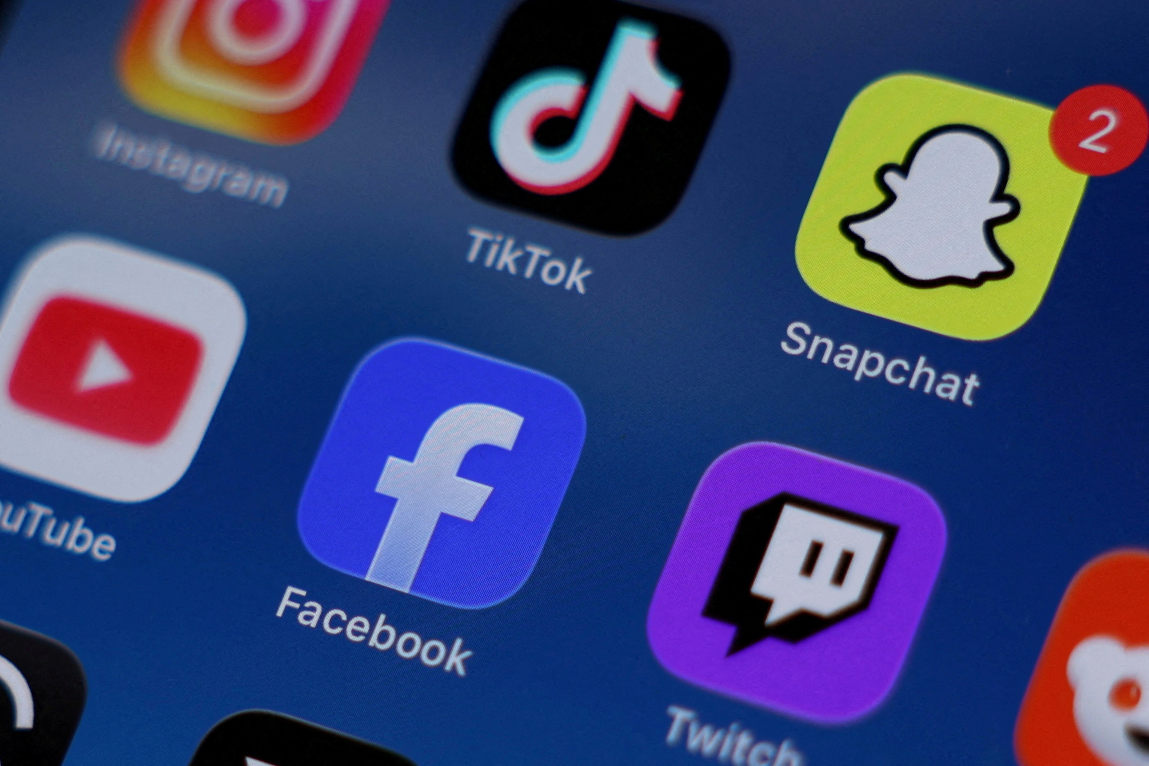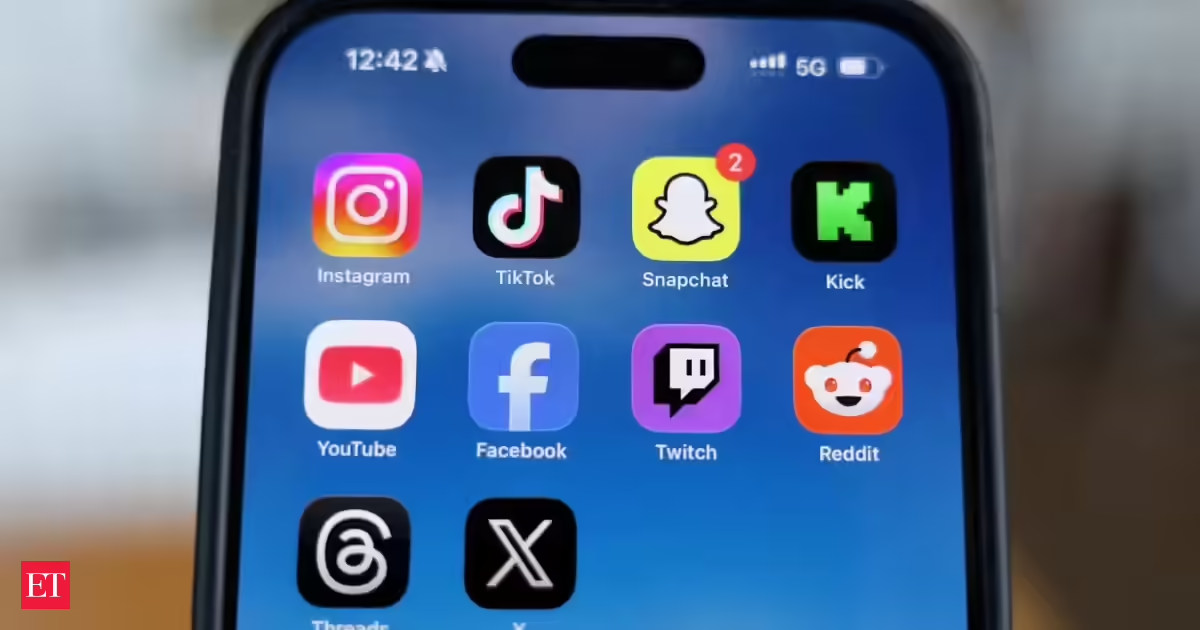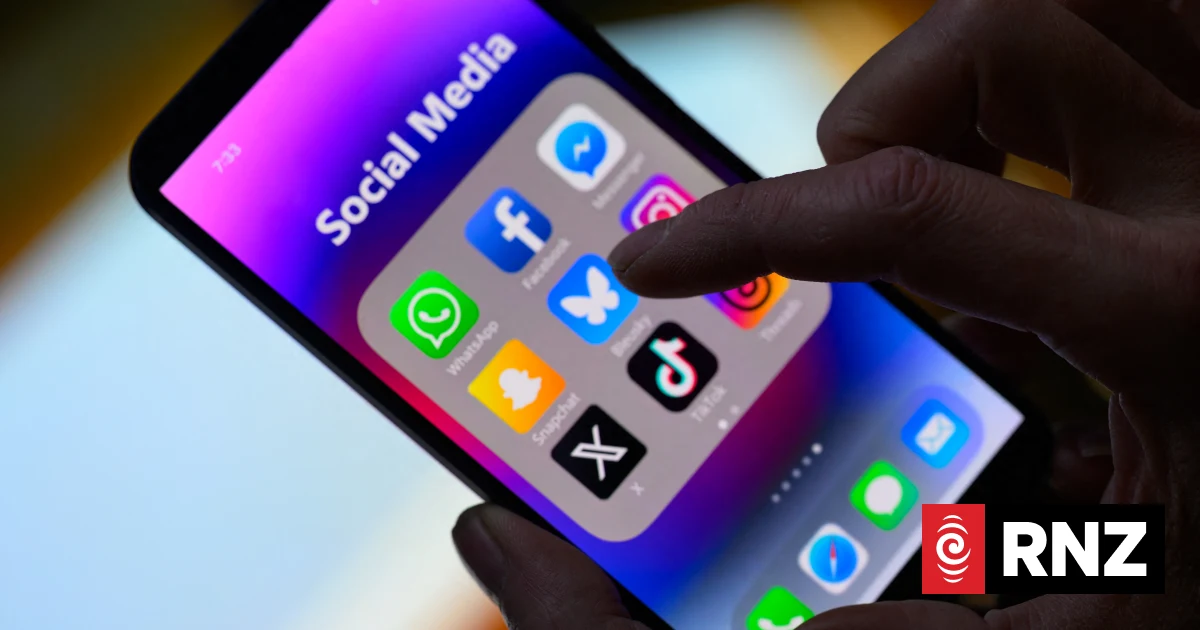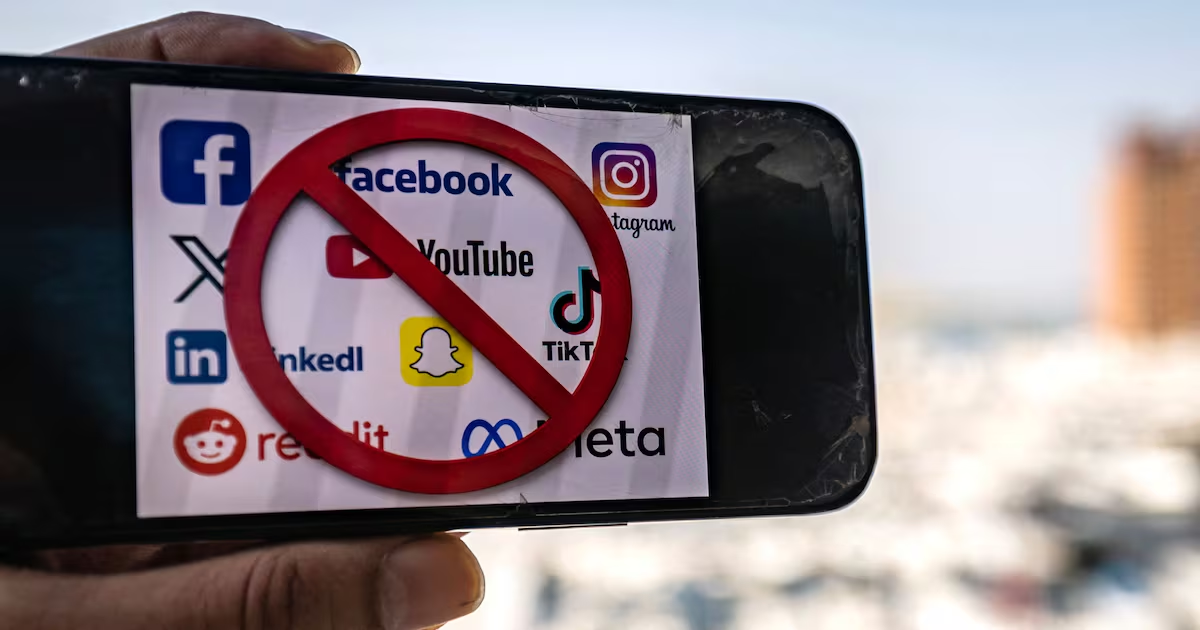
The world’s first national ban on social media for under-16s is faltering at the very first gate, according to the testers who helped Australia’s government design its age-check regime. In a follow-up study first reported by Reuters, the team opened 50 accounts across nine of the 10 platforms covered by the law, declaring the account holder’s age as 16, and not one platform asked for proof.
The finding lands on a scheme that only came into force on 10 December 2025, and it points at a gap regulators had largely overlooked. Much of the debate, and much of our own enforcement coverage, has fixed on the accuracy of photo-based age estimation. The testers say the problem sits earlier, at the initial vetting stage meant to flag likely minors for closer checks.
That stage, which infers a rough age band from a person’s general online activity, does not appear to be catching young users at all. Andrew Hammond, a director at Melbourne testing firm KJR, which ran the government’s original age-assurance trial in 2024 and 2025, put it plainly.
“You should be asked to demonstrate how old you are, and not once have we been asked to verify our age or use age-assurance measures,” he told Reuters.
The 50 test accounts remain active and are spread across Meta’s Instagram and Facebook, Snap’s Snapchat, TikTok, and Alphabet’s YouTube, among others. Only one service, the Australian live-streaming platform Kick, refused to open an account without proof of age.