Paramedics help a patient into an ambulance during a heatwave in Barcelona, Spain, in 2022Angel Garcia/Bloomberg via Getty Images
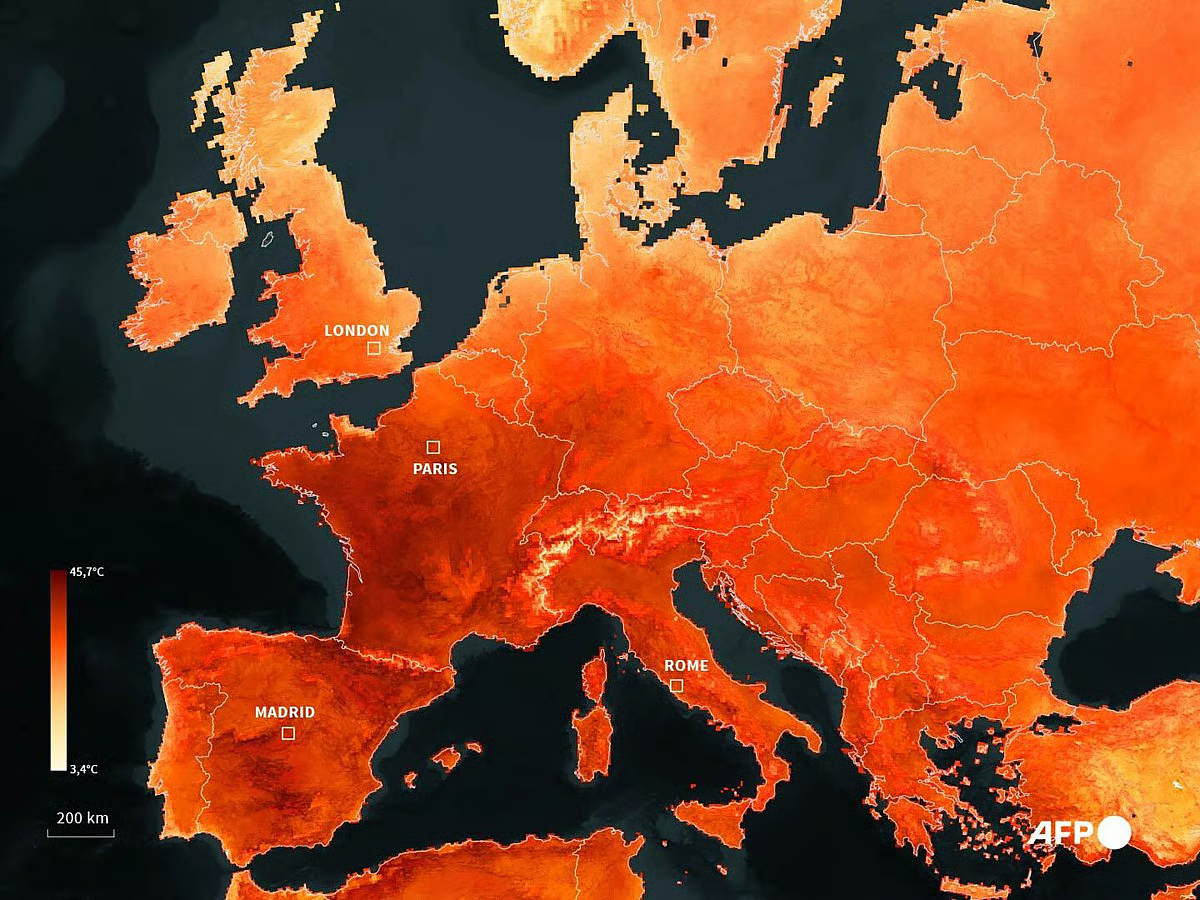
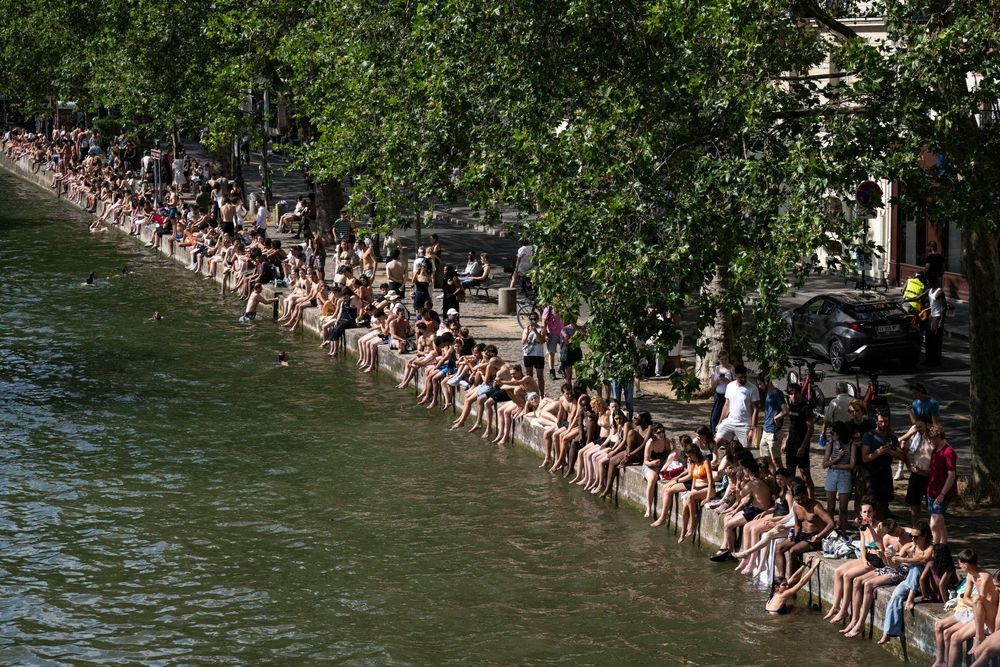
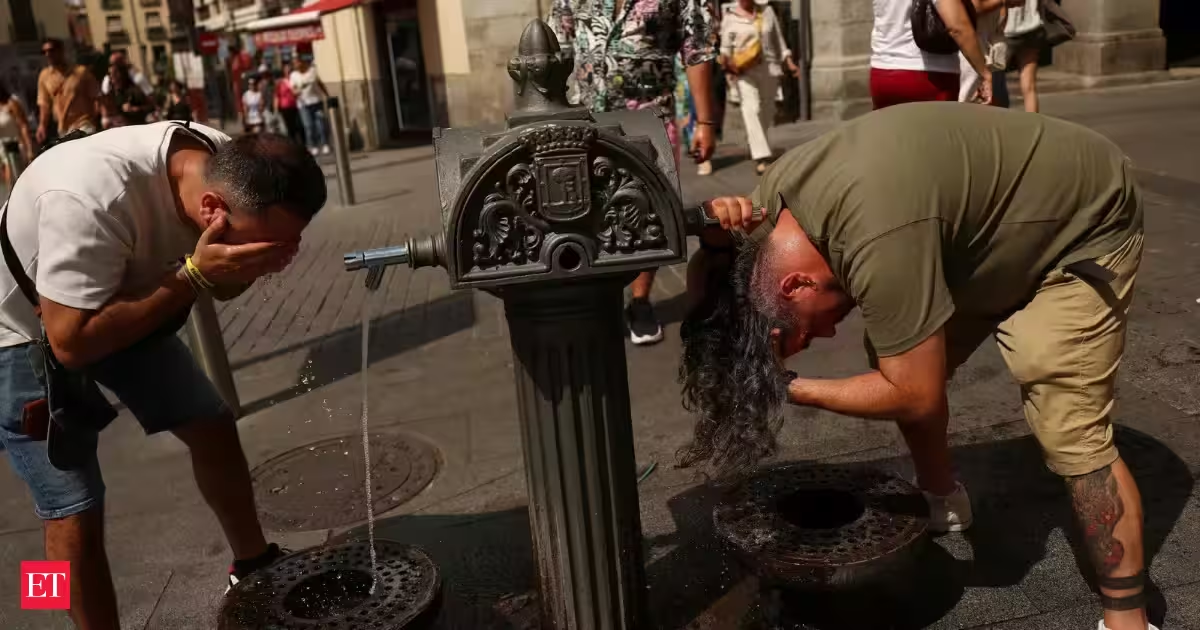
A heatwave in May set monthly temperature records across Europe; a heatwave in June became the hottest ever observed in western Europe. Now, in July, yet another heatwave is developing. Just 50 years ago, the June heatwave would have been virtually impossible. But global warming is making heatwaves more frequent, longer and more intense.
Worldwide, heat is the deadliest type of weather, killing more than half a million people each year. The number will increase, since even if we reached net zero tomorrow, the carbon dioxide we have already emitted will keep raising temperatures.
“This is just the start,” says Hugh Montgomery at University College London. “Things are unfolding in a very, very major way now, because this isn’t just about it [being] too hot in London, and the long-term effects are going to be savage.”
Outside the tropics, the time of the year in which temperatures above 32°C occur has lengthened by 12 days in the past half-century. In Europe, the fastest-warming continent, the season of strong heat stress now starts on average in June and continues until almost September. Sometimes, like this year, it starts in May.