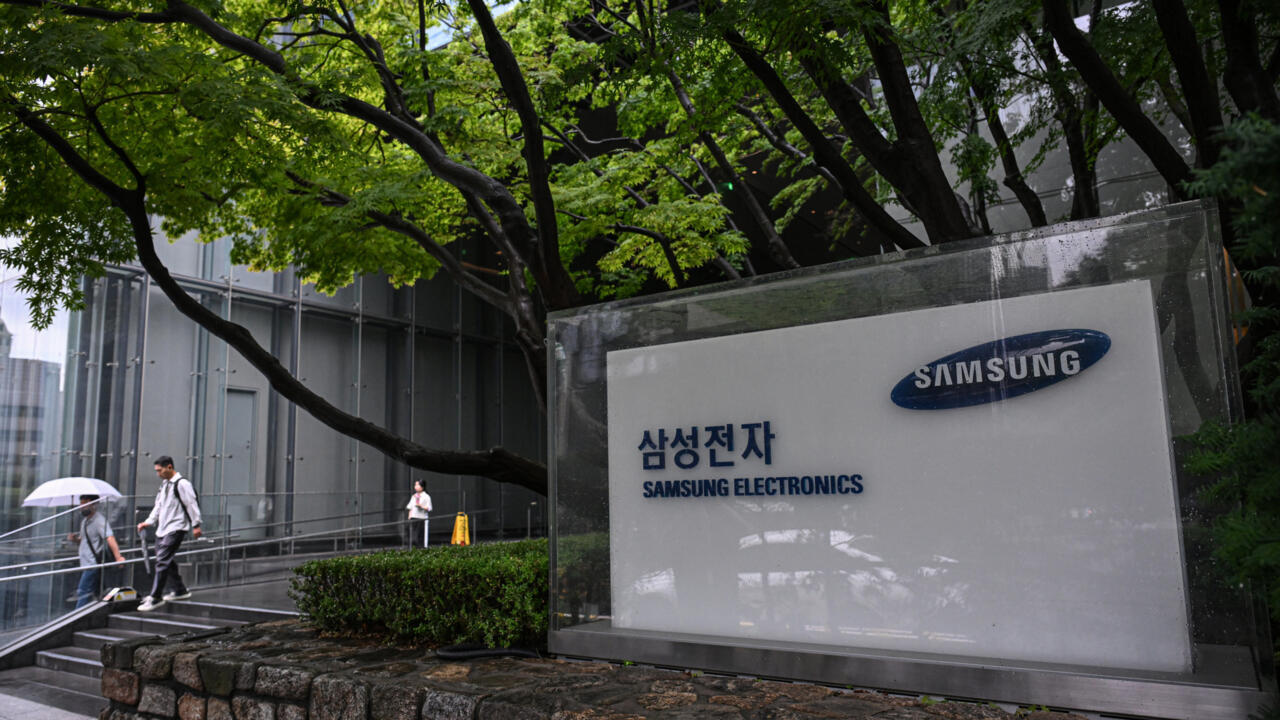
Photo credit: ReutersSamsung Electronics reported a dramatic AI-driven recovery in its preliminary Q2 2026 earnings, with operating profit estimated at 89.4 trillion won, up more than 1,800% year-on-year, and revenue reaching 171 trillion won. The rebound was powered largely by strong demand for advanced memory chips used in AI servers and data centresThe earnings highlight how AI-driven investments into data centres and high-performance computing have shifted the memory chip market, so the leading manufacturers can command higher prices now, more or less. Analysts say the company recovery is showing a wider, reawakening in the semiconductor sector after a long downturn , but there are still doubts about whether the momentum can really last with AI infrastructure spending changing direction and geopolitical uncertainties around too.How the AI boom transformed Samsung's earnings trajectorySamsung’s abrupt earnings rebound, comes after a few quarters that were kinda rough, with soft demand for consumer electronics and lower memory chip prices. Based on the company’s early earnings outlook, operating profit for the April–June quarter jumped almost 1,800% versus a year ago, which points to the big turnaround happening in the semiconductor side. Revenue is expected to rise around 129% to 171 trillion won, showing that sales stayed strong across the main tech arenas.A lot of industry watchers tie the comeback mainly to the rapid growth in AI applications, that need advanced memory chips able to juggle huge data volumes at high speed. The final earnings update is due later this month, so you know still waiting on the official version.How soaring semiconductor demand powered Samsung's earnings growthAI services expanding this fast has raised demand for high-end memory semiconductors, especially high-bandwidth memory, or HBM chips and top-tier DRAM for AI accelerators and data centres. Analysts say companies across the world are pouring money into AI infrastructure, which creates a steady need for memory solutions from major suppliers, Samsung included. Higher chip prices, a better product mix, and more disciplined inventory handling have also helped margins.Some analysts add that, unlike the consumer electronics space, AI-linked chip needs have stayed fairly sturdy , so Samsung could bounce back from last year’s semiconductor slump way sooner than many predictedWhy AI data centres have become the biggest growth engineThe fast rollout of AI-first data centres by big tech firms has become one of the more forceful pull factors for semiconductor demand. These sites need massive amounts of advanced memory chips, for generative AI models, cloud platforms, and AI services aimed at enterprises. Market analysts note that AI infrastructure spending has picked up over the past year, as firms rush to deploy more powerful computing systems. That continuous investment has also brought healthier pricing conditions for memory makers, letting Samsung improve margins after a few quarters of declining profitability. The move, has even boosted investor belief in the long-term storyline for advanced semiconductor techNew chip hub aims to strengthen South Korea's semiconductor leadershipSamsung along with the local rival SK hynix are joining an ambitious public-private investment of roughly 800 trillion won, to build a huge semiconductor manufacturing hub in South Korea’s southwest area, as described by industry specialistsGovernment plans say the whole effort is meant to reinforce the country’s place in the worldwide chip supply chain, while also backing long-term output for advanced semiconductors. Experts think this initiative can help South Korea respond to rising global needs for AI chips and also lower supply chain weak spots. Still, analysts warn that creating such a giant manufacturing cluster will cost a lot and might take several years before the full commercial payoff actually shows upWhy analysts remain optimistic despite future risksTuesday’s preliminary earnings number was about 6.2% above expectations, according to South Korean media quoting market data. Analysts said the results, stronger than many thought, points to the ongoing robustness of AI-driven semiconductor demand. But experts also said keeping the same pace of earnings growth might get harder from here.Analyst Kim noted it’s unclear whether Samsung can keep earnings at current levels while also funding heavy spending for the new semiconductor manufacturing cluster. Higher capital expenditure, shifting customer requirements, and general economic uncertainty could all impact profitability in upcoming quartersWhy AI infrastructure spending remains the biggest uncertaintyEven though the current AI memory surge is lifting Samsung earnings, analysts argue future momentum will depend a lot on whether AI infrastructure investment stays strong. Some observers think if data centre builds get delayed, or if technology firms slow their spending, demand for advanced memory chips could ease upIndustry analysts say if AI infrastructure expansion cools even a bit, it will eventually show up in semiconductor pricing and profitability. Still, the broader view stays that demand for AI compute power keeps running ahead of the available supply, so the market environment remains fairly friendly for top chipmakers, despite some short-term ups and downsAnalysts see little evidence of a slowdown in AI chip demandEven with worries about potential delays, analysts think the overall picture for AI memory still looks solid. MS Hwang, an analyst at Counterpoint Research, said there’s currently no real sign that the gap between suppliers’ production capability and customer demand is shrinking. He also pointed out that if some AI data centre projects tied to less competitive players face hiccups, it would be wrong to treat those cases as proof of a wider slowdown in AI infrastructure spending.In Hwang’s view, demand for advanced memory chips continues to beat supply, keeping pricing healthy and supporting strong earnings prospects for major semiconductor companies, Samsung includedHow the AI race is pushing up prices of everyday electronicsThe worldwide AI boom is also sort of reshaping the bigger semiconductor market. As chipmakers increasingly choose to focus on making high-margin AI memory chips, some manufacturers have cut back output of the more routine memory products those commonly found in smartphones, personal computers, and other consumer electronics.Industry experts say that when supplies get tighter for these chips, component prices tend to climb, and later that can show up in retail pricing for electronic devices. Analysts add that this change isn’t only affecting enterprise computing it’s also spilling over into daily consumer markets that still depend on a steady flow of semiconductors.What Samsung's earnings reveal about the semiconductor industry's recoverySamsung’s most recent earnings outlook points to how fast the semiconductor business has bounced back from one of its roughest downturns in recent years. The space had been dealing with falling memory prices, excess inventories, and weaker demand for consumer electronics. But then generative AI arrived, and the whole market feel shifted, because it has created extraordinary demand for high-performance memory chips.Analysts argue that Samsung’s numbers signal something pretty direct: firms with a strong footing in advanced memory technologies are gaining more than others from this shift. Continued investment in AI infrastructure, cloud computing, and high-performance processors is expected to stay the main catalyst for industry growth over the medium term. Still, geopolitical stress, supply-chain hiccups, and swings in how much technology gets spent could keep disturbing results going forward.FAQs1. Why did Samsung's profits climb by 1,800%? Samsung’s operating profit jumped mostly due to booming demand for advanced memory chips used in AI servers and data centres. When chip prices rose, and AI-related sales stayed strong, it lifted the company’s semiconductor earnings quite a lot.2. What part is AI taking in Samsung’s growth? AI applications need powerful memory chips to train and run AI models. As AI infrastructure keeps spreading worldwide, demand for Samsung’s high-performance memory products has gone up, which boosts both revenue and profitability.3. Where is the new semiconductor hub in South Korea? Samsung and SK hynix are teaming up in a public-private investment worth around 800 trillion won to build a big semiconductor manufacturing cluster in South Korea’s southwest area. The goal is to reinforce the country’s position in global chip production.4. Are analysts concerned about Samsung’s future earnings? Yes. Even if analysts are generally upbeat about present AI demand, some think growth could cool down if AI infrastructure investments get delayed, or if capital spending on new manufacturing facilities rises sharply.5. How does the AI chip boom affect consumers? As manufacturers channel more production capacity toward the profitable AI chips, supplies of conventional memory chips used in smartphones, laptops, and other electronics can get squeezed. That pressure may raise production costs, and in some situations, it may also lead to higher retail prices for consumer devices.end of article
Samsung profits jump 1,800% amid AI boom as memory chip demand fuels record earnings
In Q2 2026, Samsung's preliminary earnings report indicates a remarkable recovery, largely fueled by advancements in artificial intelligence. There is a robust demand for high-performance memory chips in AI servers, contributing to a notable rise in profits. This resurgence emphasizes AI's role in reshaping the memory chip market. Despite a general uptick in the semiconductor sector, analysts caution about future uncertainties, while AI influences the pricing of various consumer electronics.
1,388 words~6 min read