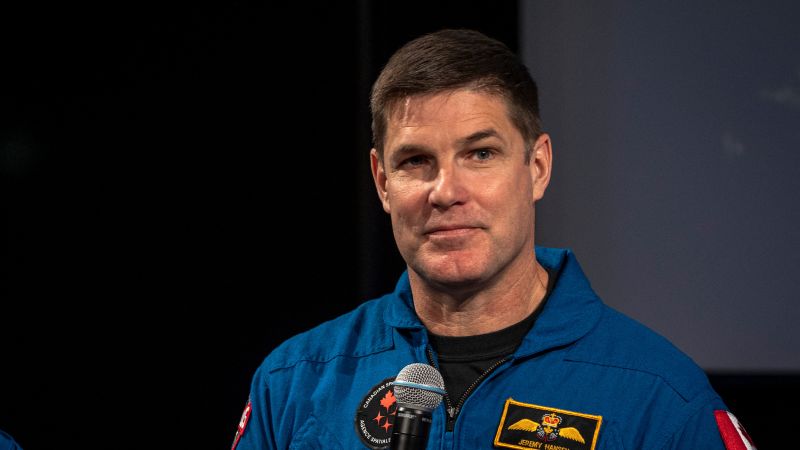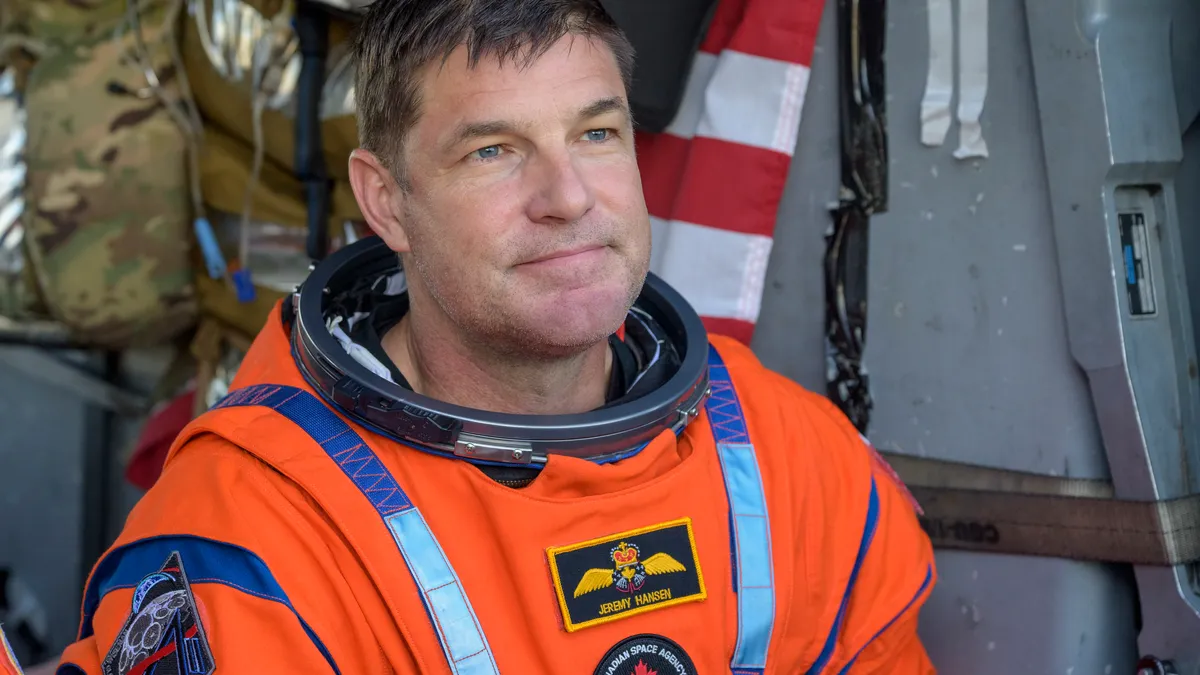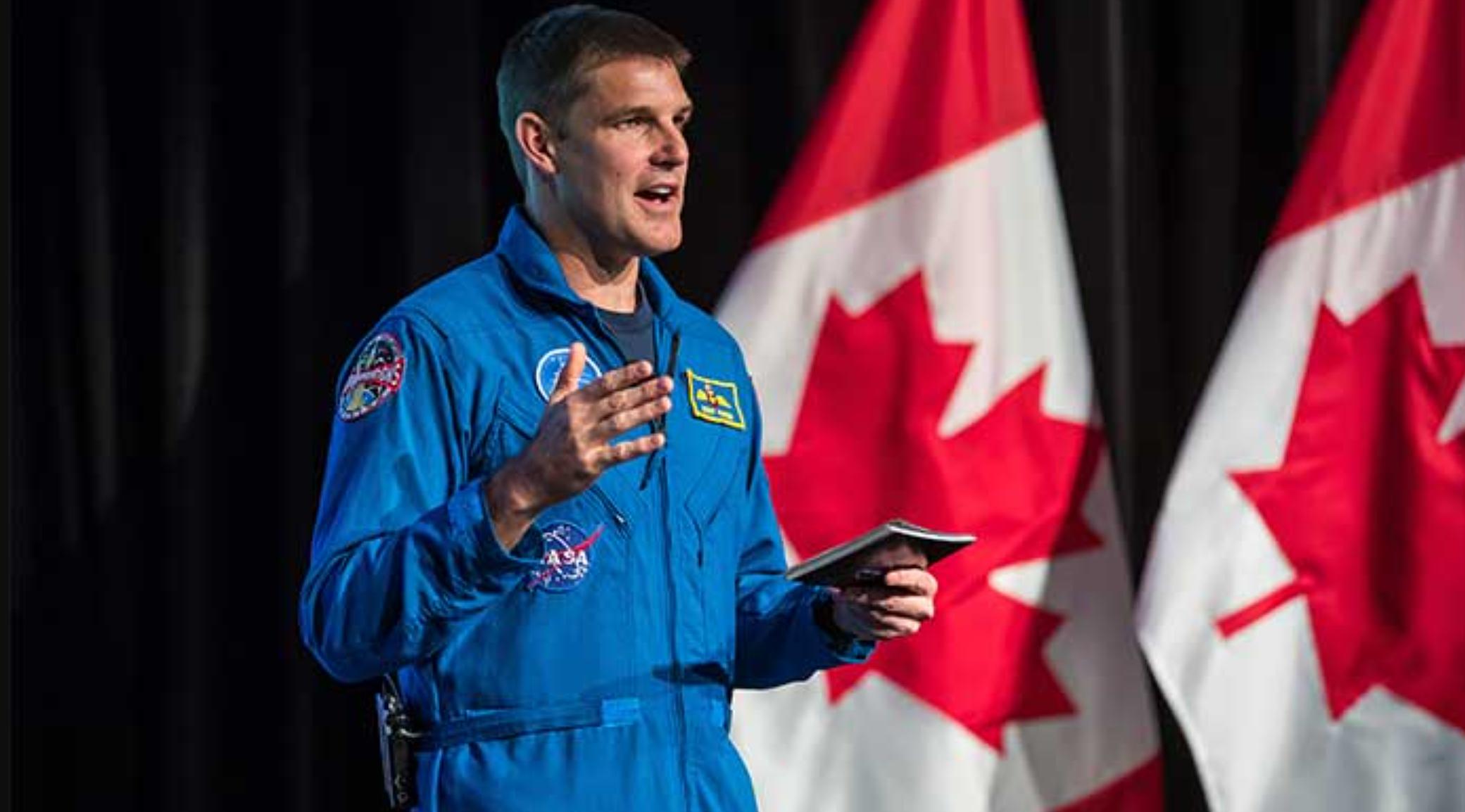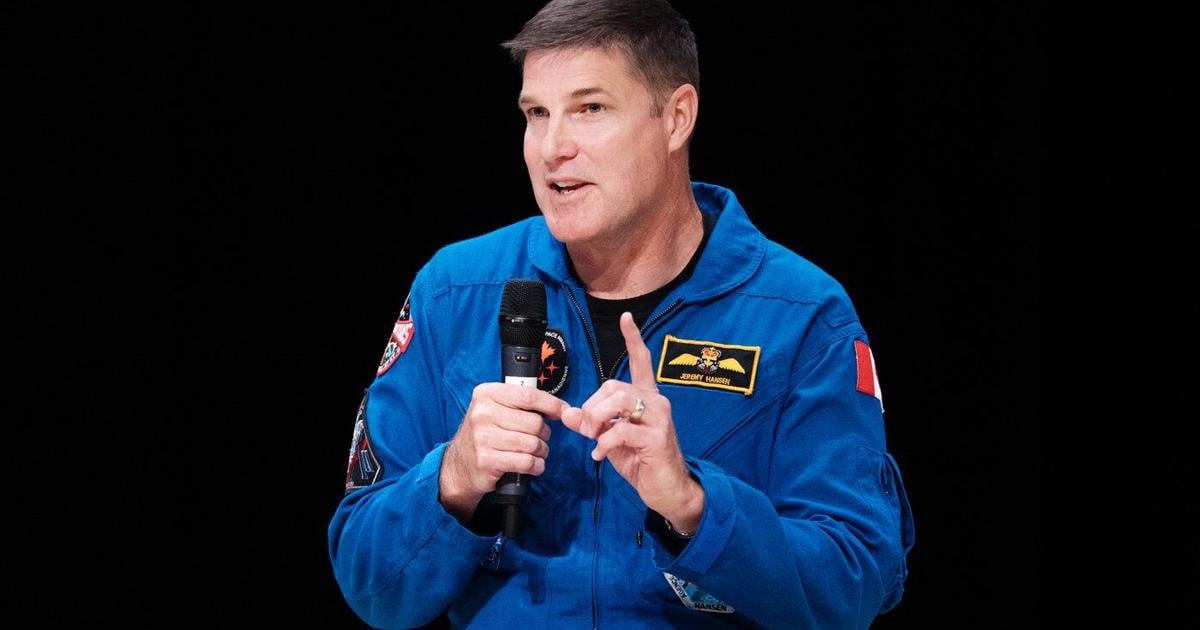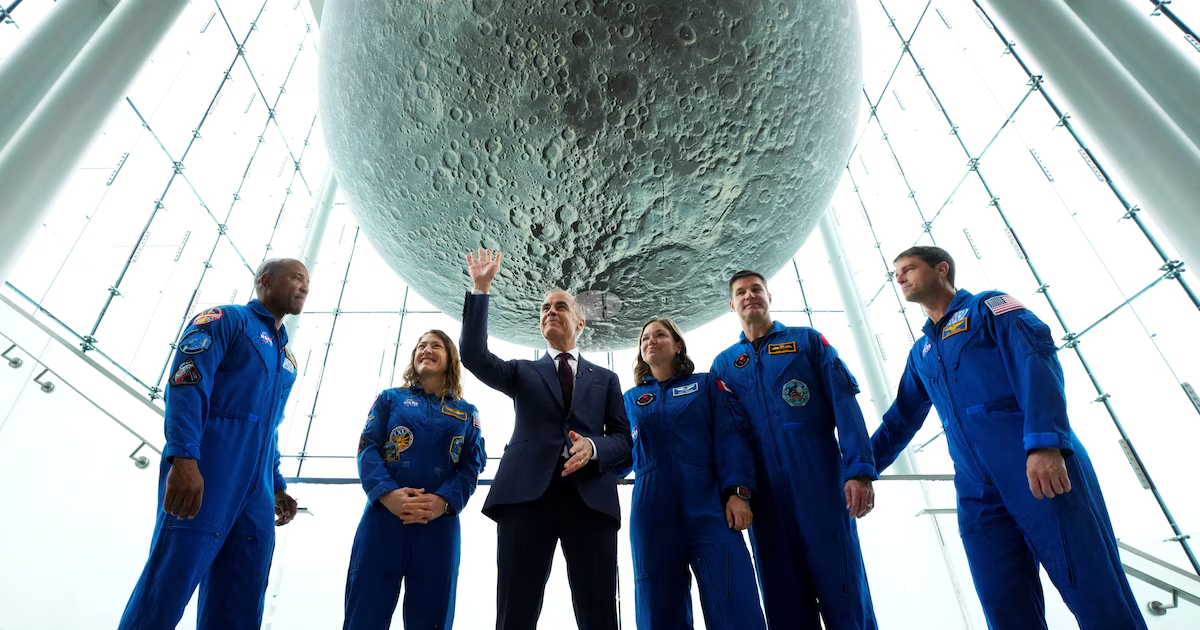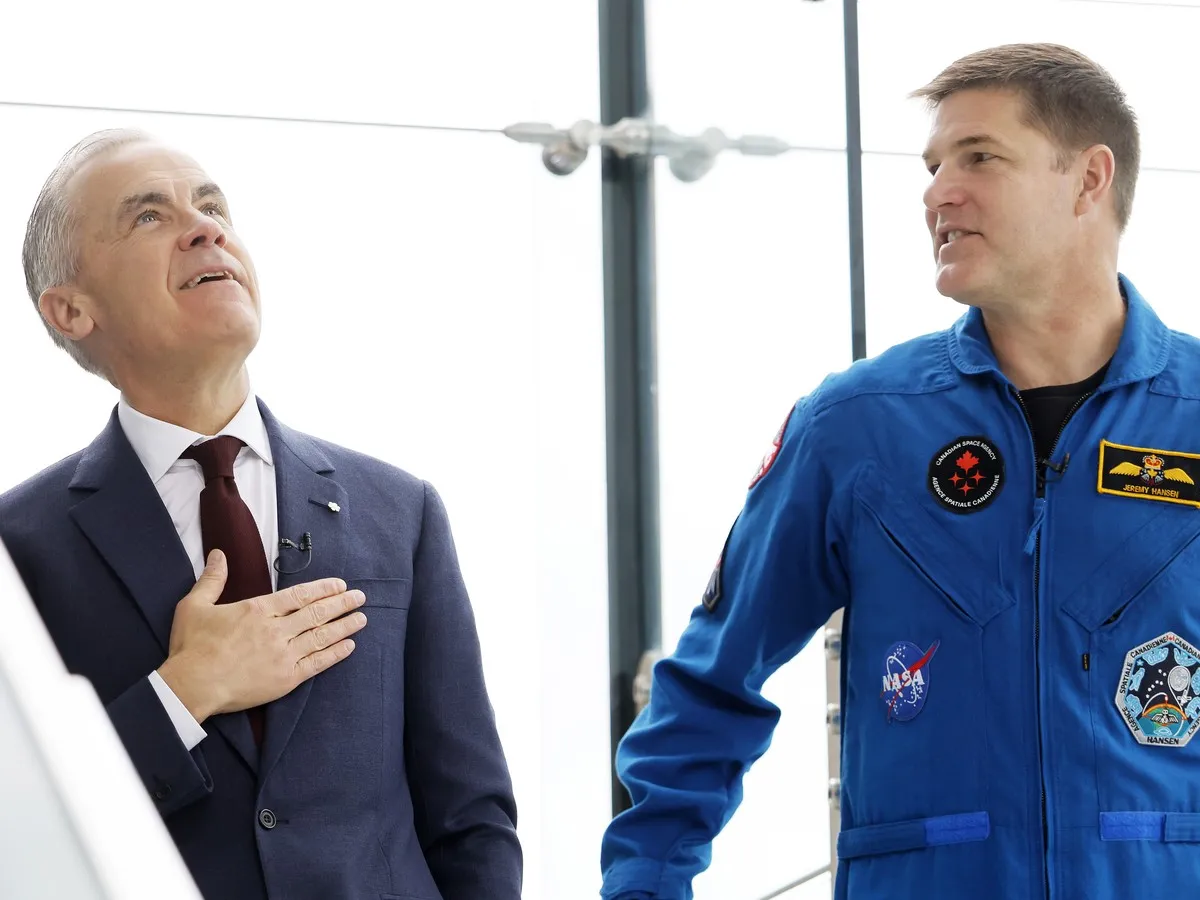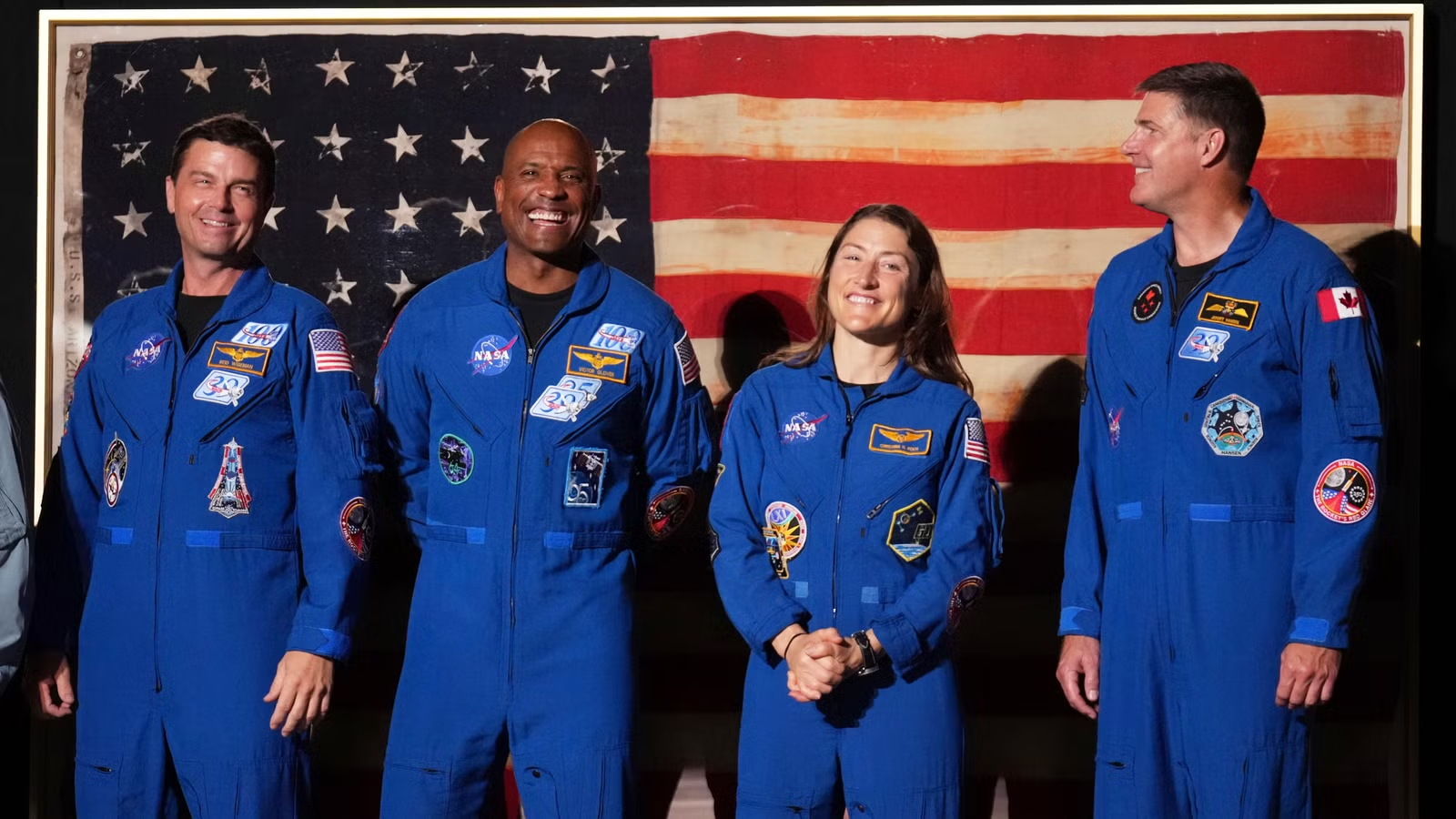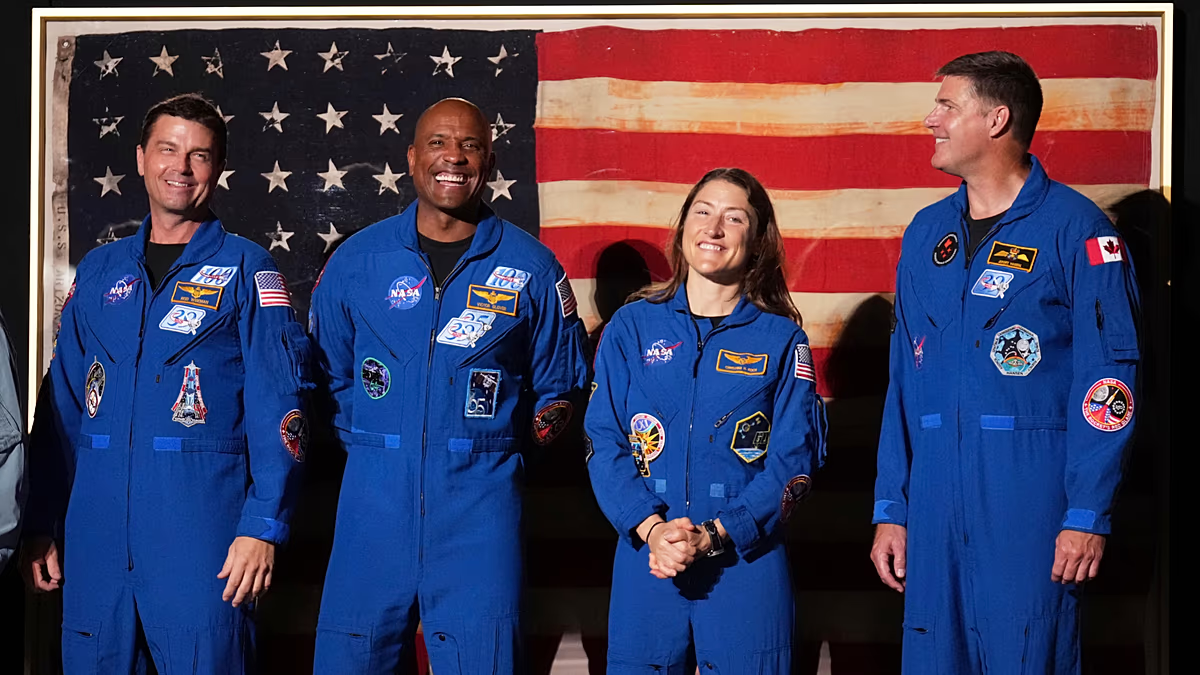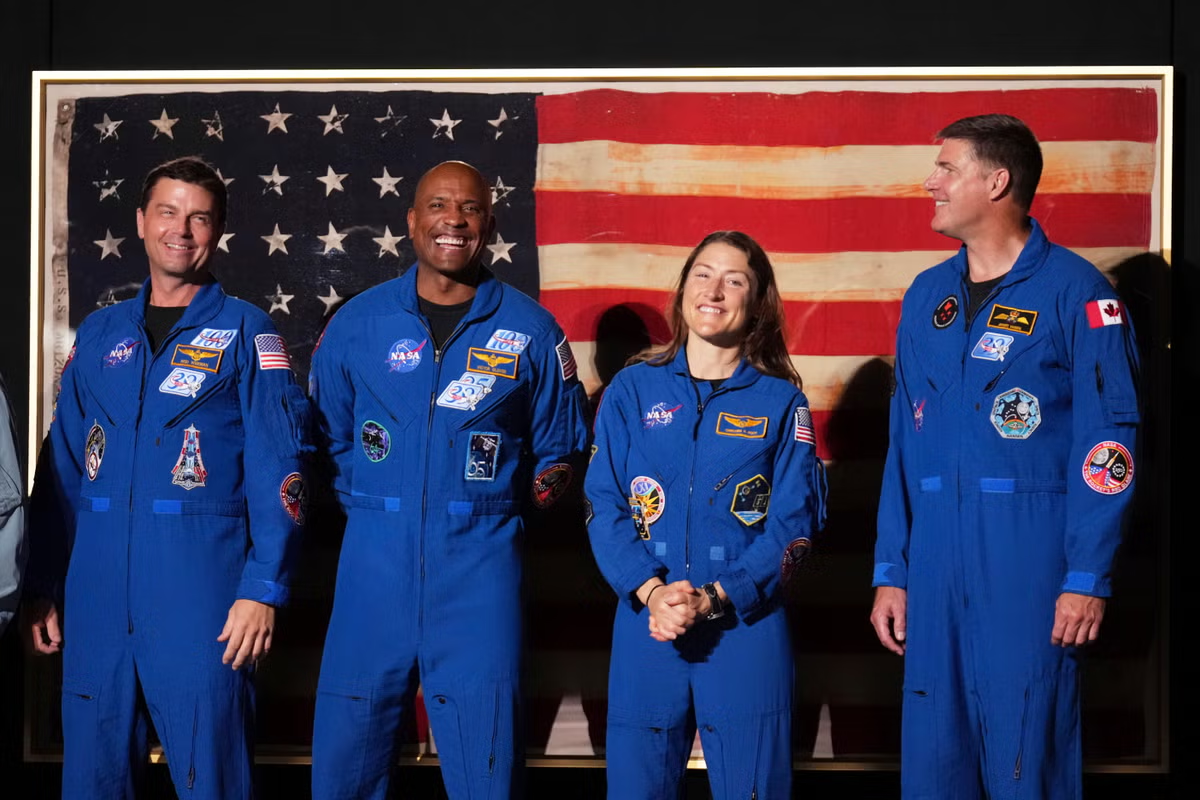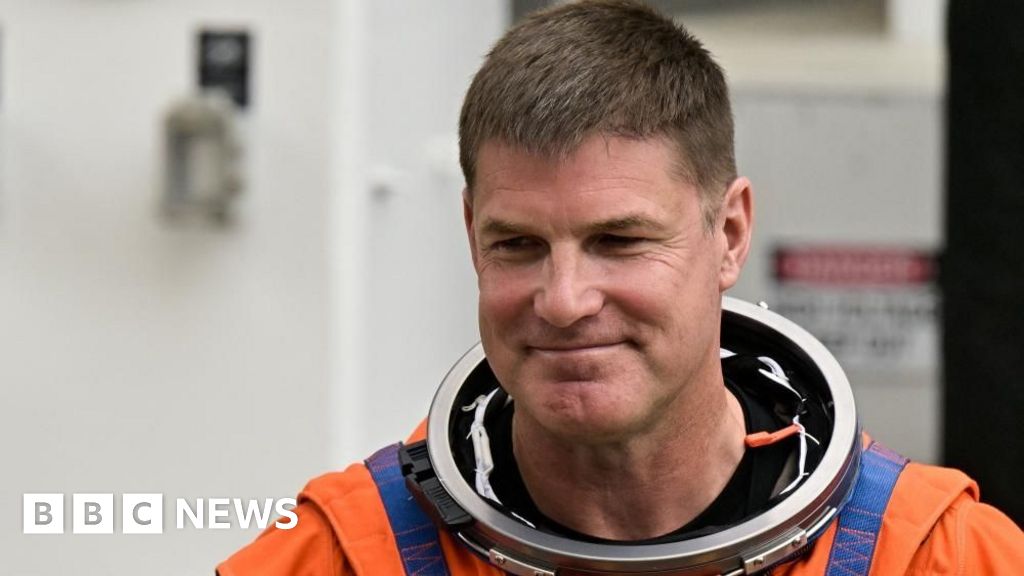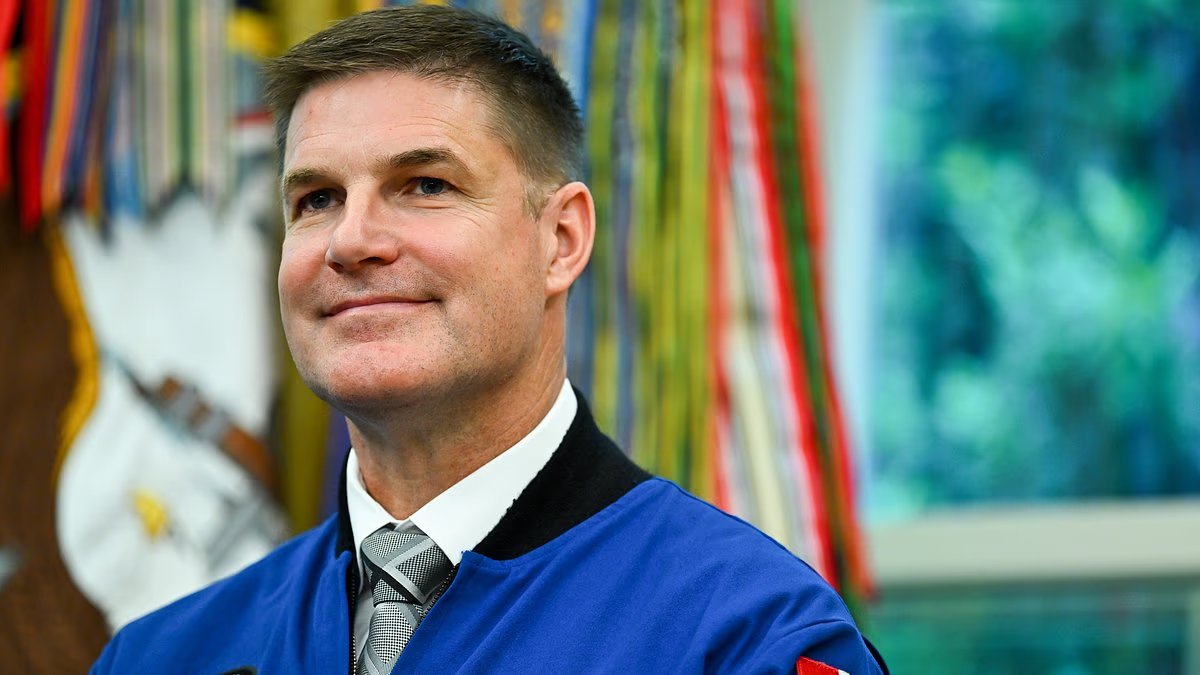
Colonel Jeremy Hansen has dramatically retired, after just one mission into space with NASA. The Canadian astronaut was one of four members of the Artemis II team, who made history earlier this year by flying around the moon. While that mission was Colonel Hansen's first, he has now revealed that it was also his last. Taking to X, he said: 'Today, I am sharing a significant next step in my journey. 'This September, after 32 years of military service and 17 years as a Canadian Space Agency astronaut—culminating in the incredible privilege of flying around the Moon on Artemis II—I will be transitioning from my full–time role at the CSA.'The news has left many fans devastated, with one claiming that Colonel Hansen's retirement has come 'too soon'. Another said: 'Can only imagine how you top circling the moon. But I imagine you will.'And one ominously asked: 'Many astronauts step down from active space flight duty after returning to earth. What do you guys see up there that you don't want to go back?' Colonel Jeremy Hansen has dramatically retired, after just one mission with NASA The Canadian astronaut was one of four members of the Artemis II team, who made history earlier this year by flying around the moon. Pictured (from left): Jeremy Hansen, Victor Glover, Reid Wiseman and Christina KochWhile Colonel Hansen has only been to space once, he has been an astronaut since 2009, when he was selected through the CSA's astronaut recruitment campaign.In 2013, he took part in a mission here on Earth, dubbed the CAVES program, in which he lived underground for six days. The following year, he lived on the ocean floor in the Aquarius habitat for seven days. However, it was not until 2023 that he was finally selected for a mission into space – being assigned as mission specialist for Artemis II, the first crewed mission to the moon since the Apollo missions over 50 years ago. From 1–10 April, Colonel Hansen and his crewmates – Reid Wiseman, Victor Glover, and Christina Koch – travelled around the moon and back aboard the Orion spacecraft. The crew made history by travelling farther than any humans in history, breaking the record previously held by the crew of Apollo 13. Colonel Hansen also became the first Canadian and first non–American to take part in a lunar mission.'Colonel Jeremy Hansen made history as the first Canadian to take part in a lunar mission, an achievement that has inspired every generation of Canadian,' said The Honourable Mélanie Joly, Minister of Industry and Minister responsible for Canada Economic Development for Quebec Regions. Colonel Hansen became the first Canadian and first non–American to take part in a lunar mission From 1–10 April, Colonel Hansen and his crewmates – Reid Wiseman, Victor Glover, and Christina Koch – travelled around the moon and back aboard the Orion spacecraft The Artemis II crew Reid Wiseman – Commander A US Navy aviator and test pilot with 27 years of experience.Wiseman has previously spent 165 days in space onboard the ISSVictor Glover – Pilot A US Navy aviator and test pilot with 3,500 flight hours in more than 40 aircraft Glover served as Flight Engineer on the ISS during a 168–day missionChristina Koch – Mission specialistAn engineer and scientist specialising in electrical engineeringHolds the record for longest spaceflight by a woman, spending consecutive days on the ISSJeremy Hansen – Mission specialistSelected by the Canadian Space Agency to join Artemis IIA Canadian Armed Forces fighter pilot, physicist, and experienced aquanaut 'His extraordinary achievements have not only advanced Canada's role in space exploration but have shown young Canadians what is possible when talent, determination and ambition are matched with opportunity.'While Colonel Hansen is retiring, he says this is 'far from a departure.' 'To ensure continuity in this mission, the Royal Canadian Air Force is enabling my transition into a Reservist role,' he explained. 'This unique position is a deliberate launchpad designed to leave the door open for creative, ongoing ways to support and enable the vital work happening in Canada with respect to space, and I'm excited for the new challenges it will bring. 'Our future depends on a fierce continuation of Canadian innovation and exploration in space. 'The technological breakthroughs and economic benefits born from this sector are vital for our country and the world, and I am as determined as ever to push that work forward. 'To the Canadian Armed Forces, the CSA, NASA, our international partners, and my family: thank you. 'And to all Canadians: thank you for believing in what our country can achieve when we aim high. The mission continues.'The news comes shortly after NASA revealed its all–male crew for the Artemis III mission. NASA's Randy Bresnik, Frank Rubio and Andrew Douglas will join European Space Agency (ESA) astronaut Luca Parmitano in orbital tests ahead of the lunar landing. Scheduled for 2027, Artemis III will test rendezvous and docking operations between the Orion spacecraft and commercial human landers in low–Earth orbit as part of preparations for future lunar exploration.But the reveal of the crew quickly drew criticism on social media, where users pointed out that none of the astronauts selected for the historic mission are women.Artemis II: Key facts Launch date: April 1Mission objective: To complete a lunar flyby, passing the 'dark side' of the moon and test systems for a future lunar landing.Total distance to travel: 620,000 miles (one million km)Mission duration: 10 days Estimated total cost: $44billion (£32.5billion)NASA Space Launch System rocket: $23.8billion (£17.6billion)Orion deep–space spacecraft: $20.4billion (£15billion)Crew: Commander Reid WisemanPilot Victor GloverMission Specialist Christina KochMission Specialist Jeremy HansenMission Stages:Launch from Kennedy Space Centre Launch Pad 39BManoeuvre in orbit to raise the perigee using the Cryogenic Propulsion StageBurn to raise apogee using the Cryogenic Propulsion StageDetach from Cryogenic Propulsion Stage and perform translunar injectionFly to the moon over four daysComplete lunar flyby at a maximum altitude of 5,523 miles (8,889 km) above the moon's surfaceReturn to Earth over four daysSeparate the crew module from the European Service Module and the crew module adapterSplashdown in the Pacific Ocean
One and done! NASA Artemis II astronaut Jeremy Hansen RETIRES
The Canadian astronaut was one of four members of the Artemis II team, who made history earlier this year by flying around the moon.
1,007 words~5 min read