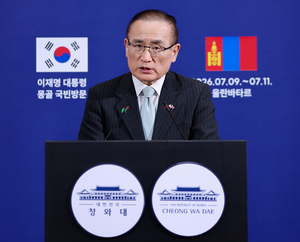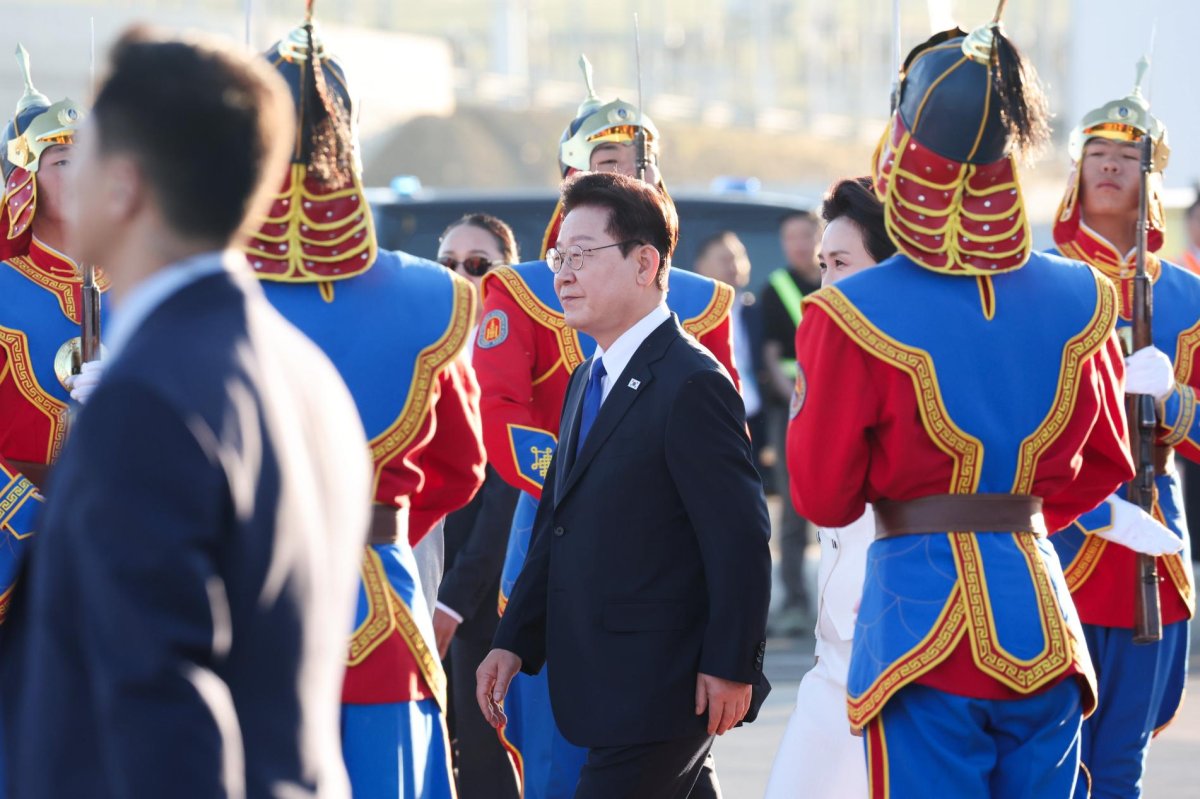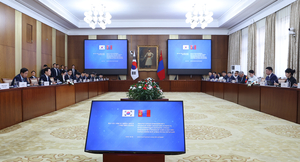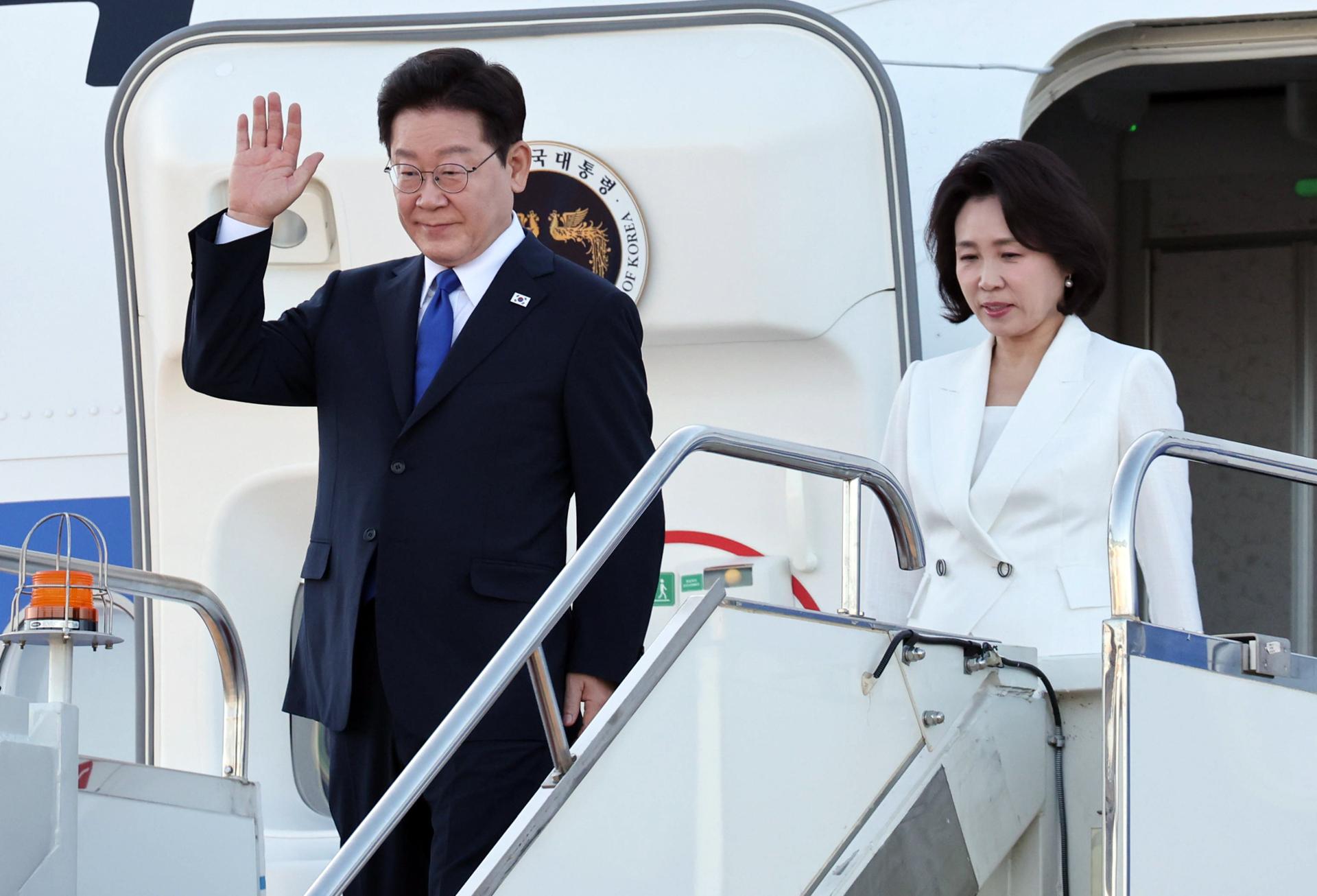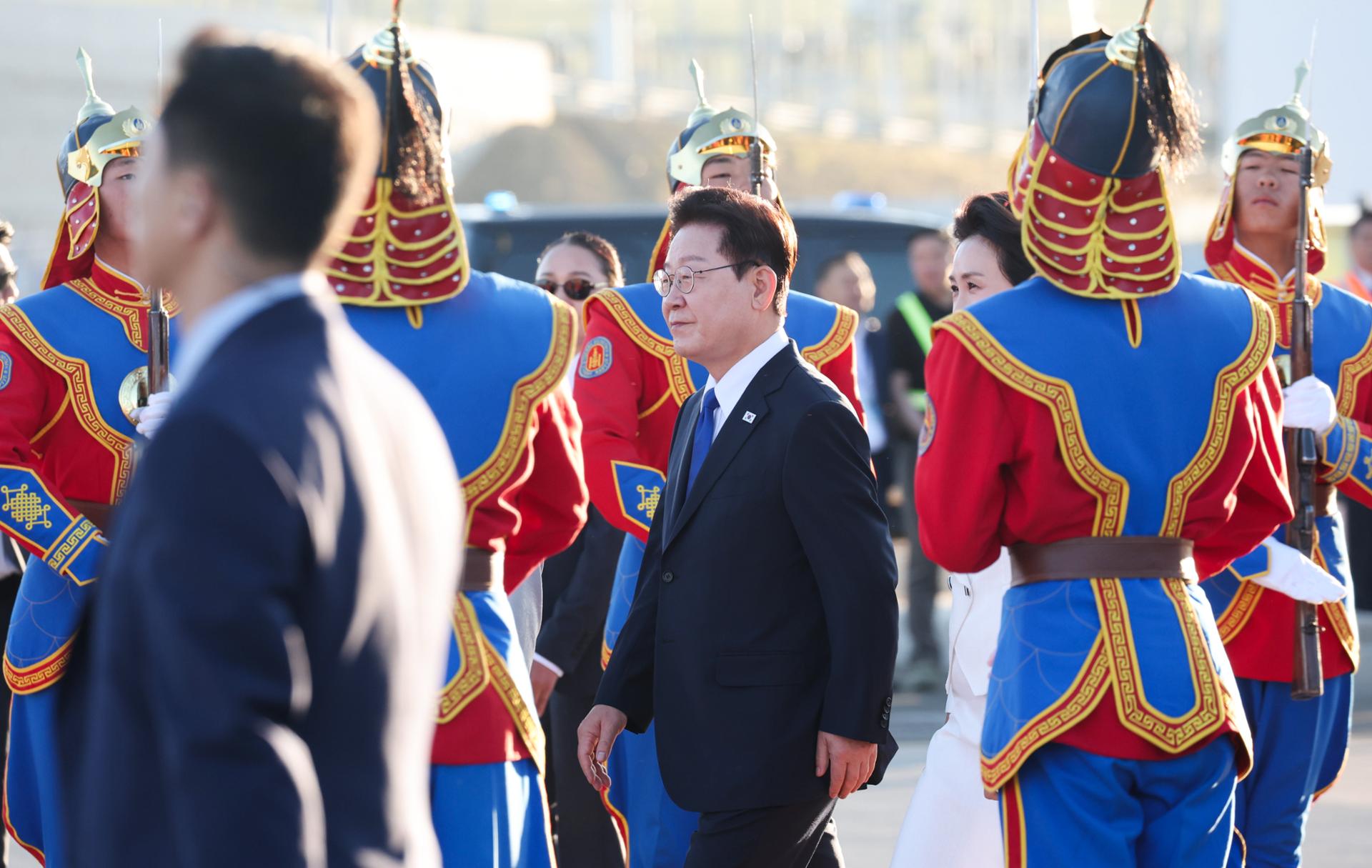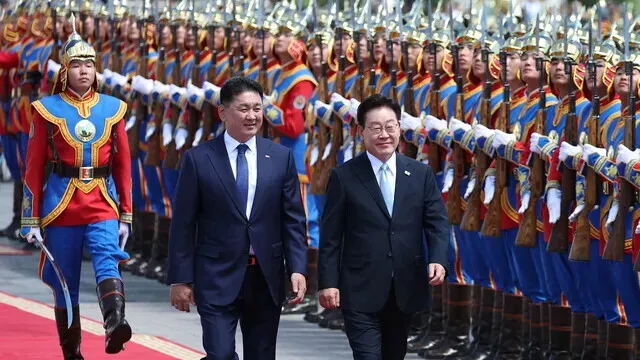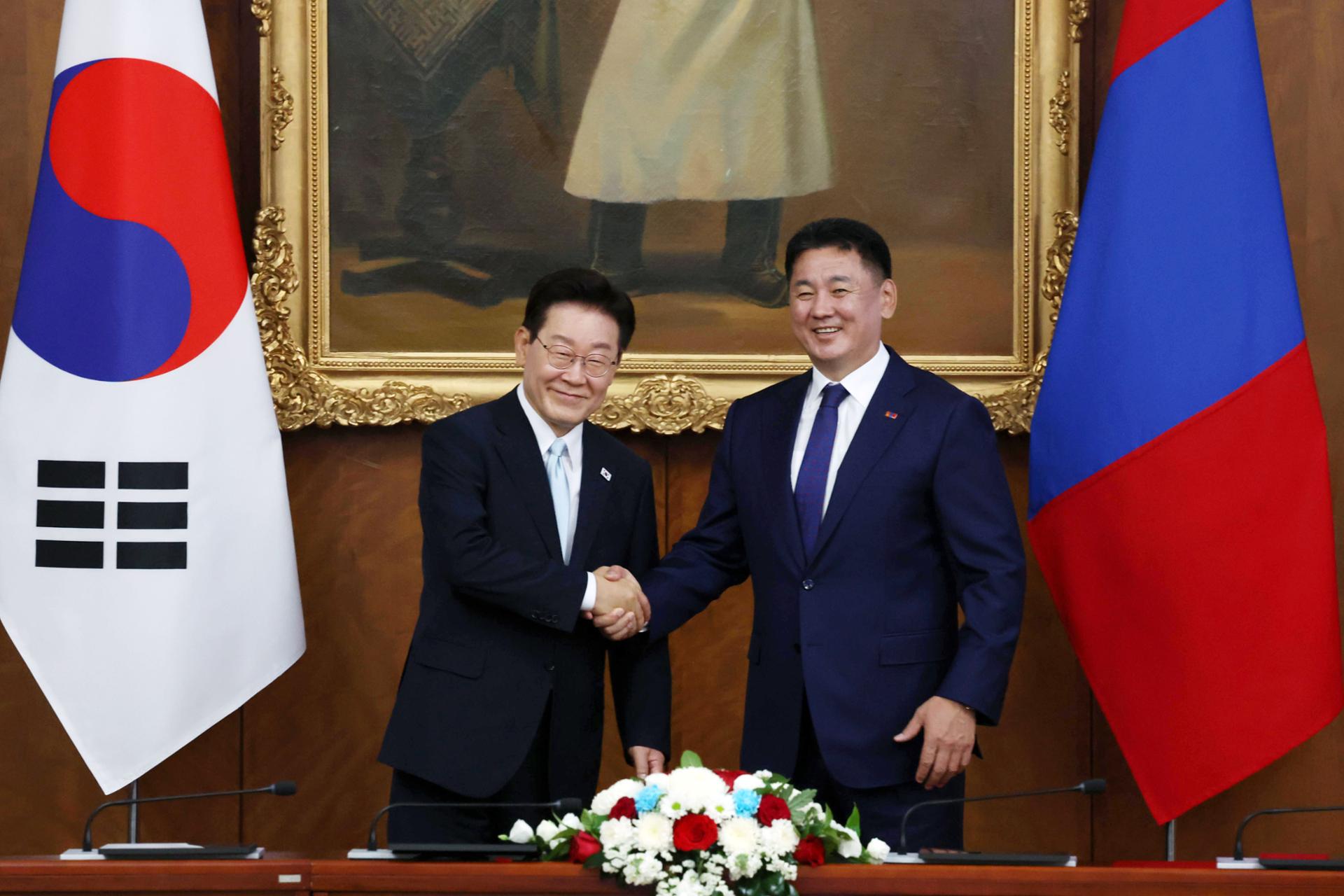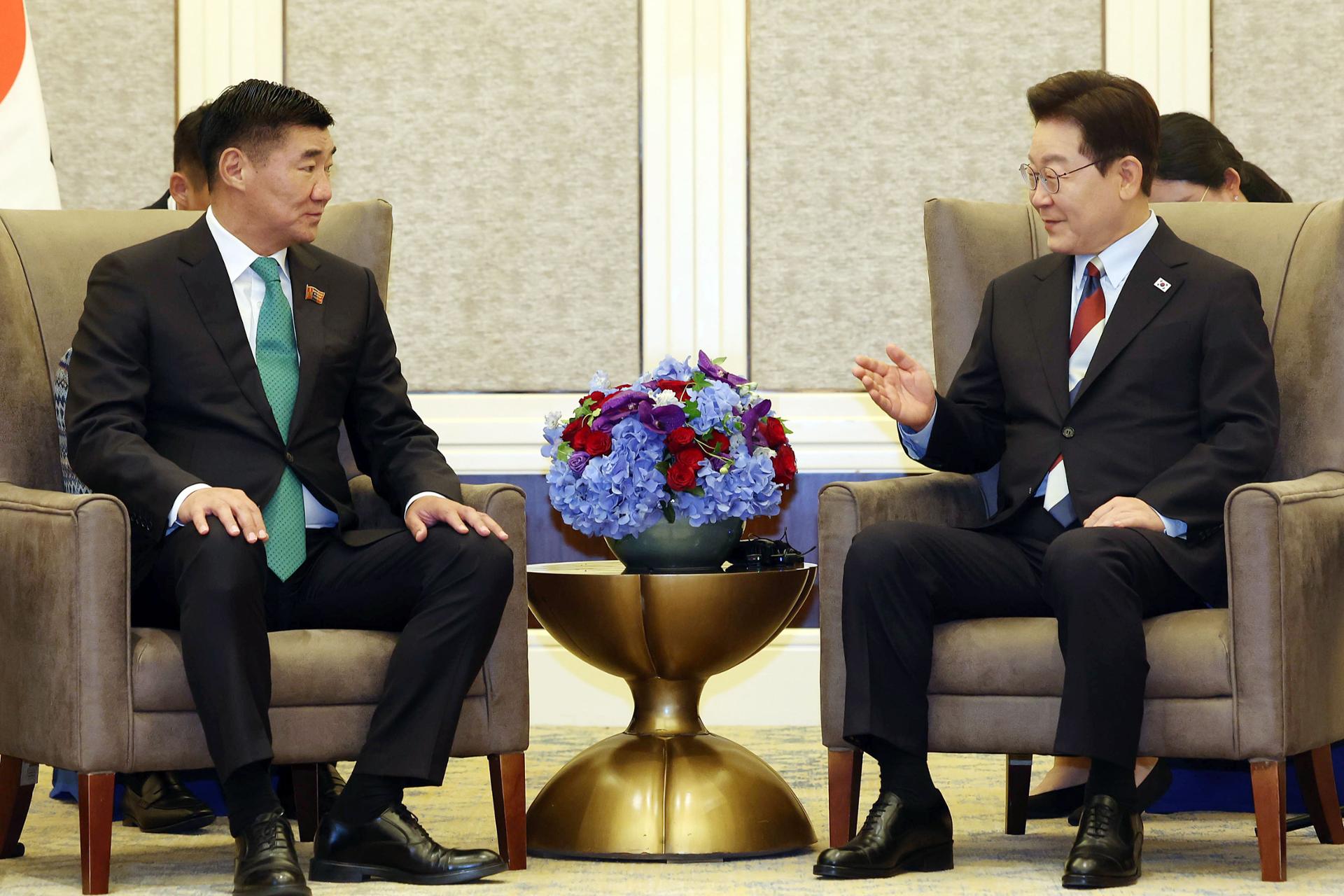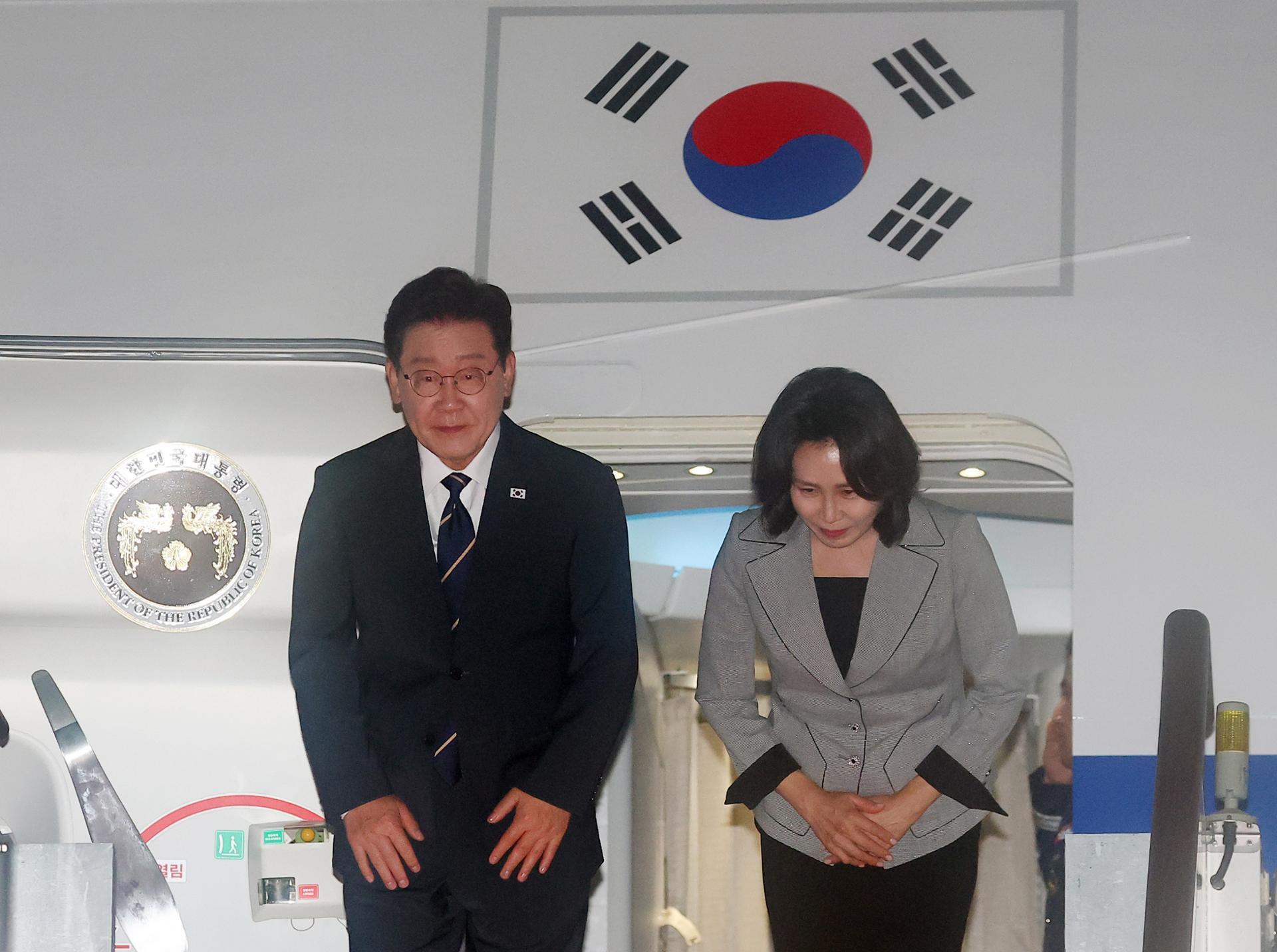
The South Korean Embassy in Ulaanbaatar, Mongolia (Ministry of Foreign Affairs) The case involving a North Korean interpreter who sought asylum through the South Korean Embassy in Mongolia is unlikely to be resolved quickly despite President Lee Jae Myung's upcoming state visit to Mongolia, with Seoul declining to comment on the issue.When asked about the case, a Foreign Ministry official, speaking on condition of anonymity on Tuesday, declined to comment, saying, “We ask for your understanding that we have nothing to confirm regarding the matter.”A Unification Ministry official, speaking by phone, echoed the official's position, saying the government was "unable to confirm" whether the issue would be discussed during Lee's state visit to Mongolia, describing it as a diplomatically sensitive matter.Lee is scheduled to visit Mongolia from Thursday to Saturday after attending the NATO summit in Turkey.He is scheduled to meet Mongolian President Ukhnaa Khurelsukh during his visit, the first visit by a South Korean president to the country in 15 years.According to diplomatic sources, the North Korean interpreter approached the South Korean Embassy in Ulaanbaatar in August 2025 and expressed a desire to defect while accompanying a delegation from the North's Academy of Social Sciences on a visit to Mongolia.The interpreter's relocation to South Korea has remained unresolved, with diplomatic sources saying that the necessary procedures, which require Mongolia's cooperation, have stalled amid objections from North Korea, which maintains long-standing ties with Mongolia.The case first came to light in October 2025, when Japan's Kyodo News, citing unnamed diplomatic sources, reported that the interpreter had sought asylum through the South Korean Embassy in Ulaanbaatar while traveling with a delegation led by Thae Hyong-chol, president of North Korea's Academy of Social Sciences.Kyodo reported that the interpreter's affiliation and position were not disclosed but suggested the individual likely held relatively high status, given Pyongyang's tight restrictions on overseas travel.Lee's visit comes as Seoul seeks to revive dialogue with Pyongyang after North Korea declared South Korea a hostile state under its "two hostile states" policy and severed official inter-Korean communication channels.Some observers say Lee could ask Khurelsukh to play a mediating role in facilitating future inter-Korean dialogue, taking advantage of Mongolia's long-standing relations with both Koreas.National Security Adviser Wi Sung-lac said in a briefing last week that Lee and Khurelsukh would discuss ways to promote peace and stability on the Korean Peninsula, reduce regional tensions, build mutual trust and explore opportunities to resume dialogue with North Korea.
Prospects remain uncertain for North Korean defector interpreter case during Lee's Mongolia visit
The case involving a North Korean interpreter who sought asylum through the South Korean Embassy in Mongolia is unlikely to be resolved quickly despite Presiden
405 words~2 min read