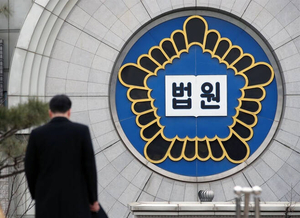
(Yonhap) Prosecutors have sought a 30-year prison term for a woman in her 20s accused of leaving her 19-month-old daughter without food for up to 67 hours before the child died of prolonged neglect.The request was made Tuesday during the final hearing at the Incheon District Court in the woman’s trial on charges including child abuse resulting in death under the Act on Special Cases Concerning the Punishment of Child Abuse Crimes.Prosecutors said the woman failed to properly feed or care for her second daughter at their home in Namdong-gu, Incheon, leading to the child’s death on March 4.According to prosecutors, the woman had left the toddler alone in a room without properly feeding her milk or baby food since January. Investigators found that the child was once left without any food for up to 67 hours.Prosecutors also said the woman left the child alone at home for a total of 92 hours over five days from Feb. 28, shortly before the child died, while visiting an amusement park and a jjimjilbang, or Korean sauna.The woman, a single mother receiving public assistance, had been receiving more than 3 million won ($1,960) a month on average in state support, including livelihood benefits and child allowances. She had also received food supplies from a food bank for vulnerable households, according to prosecutors.During the hearing, prosecutors presented footage from a home camera installed at the woman’s residence. The footage reportedly showed the woman verbally abusing and assaulting the child.“The defendant neglected the victim for a prolonged period, leaving the child to suffer mentally and physically for two months before her death,” prosecutors said. “Despite being fully aware of the child’s condition, she continued her personal life as if the child did not exist.”Prosecutors said the woman had shown little sign of taking responsibility during the investigation and requested that she be placed under probationary supervision after serving her sentence.The defense denied that the woman had intended to kill the child.Her lawyer argued that the case was not a deliberate act of cruelty, but a tragedy involving a vulnerable single mother with borderline intellectual functioning who was struggling with poverty and the burden of childcare.In her final statement, the woman said she deeply regretted her actions.“My careless choices have left an indelible stain on my life,” she said. “I deeply regret committing a sin I should never have committed against my baby, and I will accept any punishment.”
Mother faces 30 years over toddler left unfed for 67 hours
Prosecutors have sought a 30-year prison term for a woman in her 20s accused of leaving her 19-month-old daughter without food for up to 67 hours before the chi
405 words~2 min read