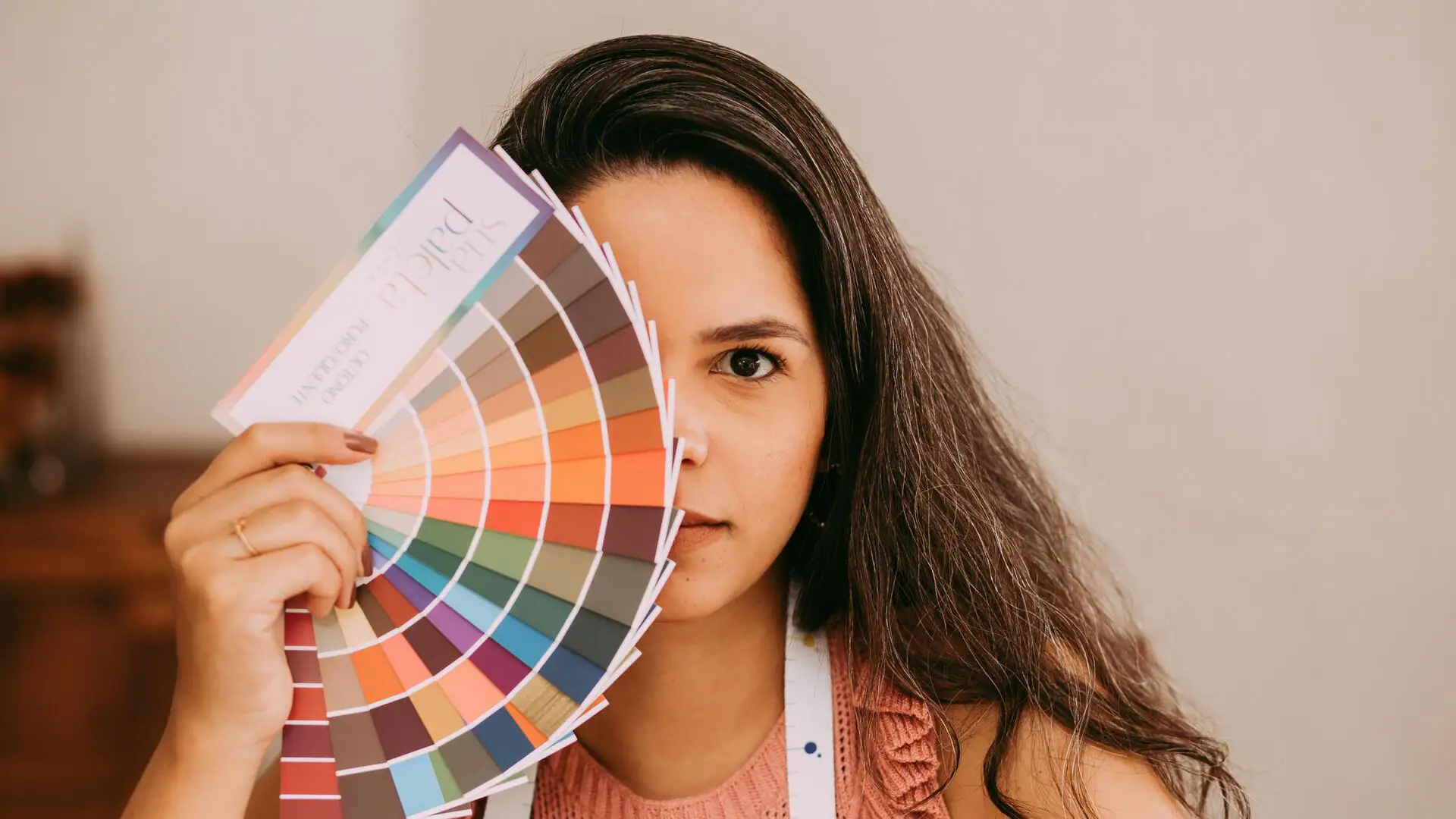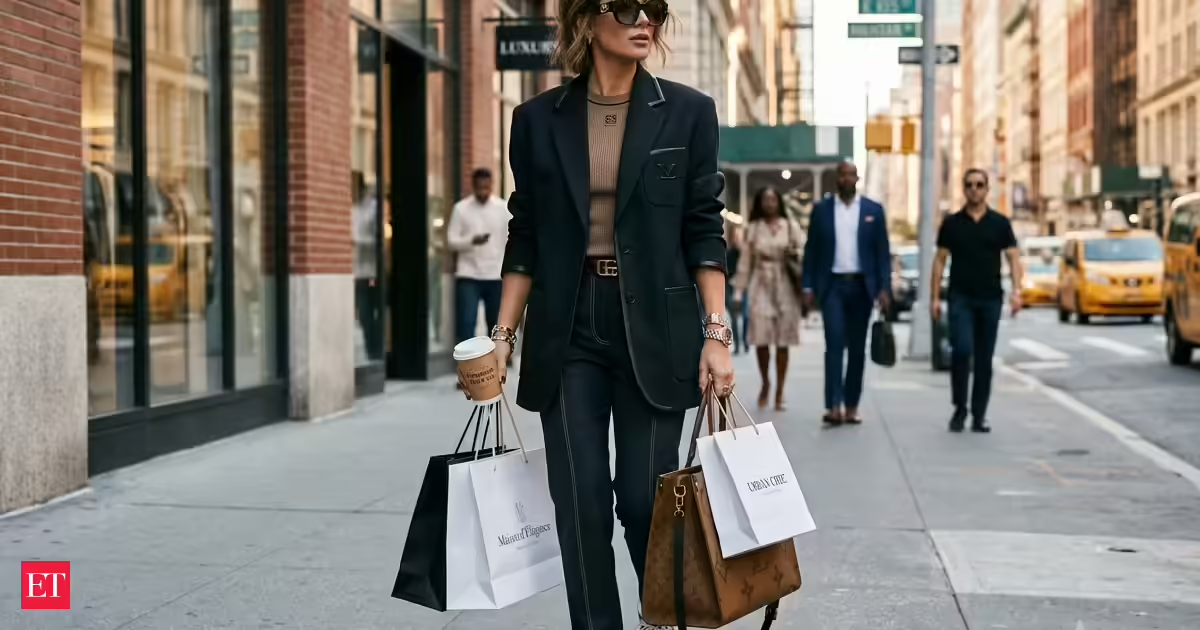
Have you ever felt calm in a blue room, energized by a splash of red, or tempted to buy something simply because of its packaging? While we often think our decisions are based on logic, psychology suggests that color quietly shapes how we feel, think, and even spend money. Businesses, designers, and marketers have relied on color psychology for decades to create stronger emotional connections with consumers. Although color alone cannot guarantee a purchase or completely determine human behavior, research shows it can influence first impressions, brand recognition, mood, and decision-making. The effects also vary depending on culture, personal experiences, and context. From the clothes you wear to the colors used in advertisements and websites, every shade sends subtle signals to your brain. Here's what psychological research says about how colors influence emotions, confidence, and buying decisions.COLORS TRIGGER EMOTIONAL RESPONSESOne of the best-known studies on color and emotion was conducted by psychologists Andrew J. Elliot and Markus A. Maier, whose research has shown that colors can influence emotional and psychological functioning. Their 2014 review, 'Color Psychology: Effects of Perceiving Color on Psychological Functioning in Humans', published in the Annual Review of Psychology, concluded that color can affect emotions, motivation, and performance, although the impact depends on the situation and an individual's experiences. For example, blue is often associated with calmness, trust, and stability, while red is linked to excitement, urgency, and passion. Green is commonly connected with nature and relaxation, whereas yellow may evoke optimism but can also increase feelings of alertness when used excessively. These emotional responses help explain why hospitals, offices, restaurants, and retailers carefully choose color schemes to create specific experiences.COLOR PLAYS A POWERFUL ROLE IN CONSUMER BUYING DECISIONSYou Might Also Like:Color is one of the first things shoppers notice about a product. Research by Satyendra Singh, published in the journal Management Decision in 2006, found that consumers form quick judgments about products within 90 seconds, and a significant part of those first impressions is based on color. The study suggested that color strongly influences how attractive and memorable a product appears. Marketing experts also point to research showing that consistent color use improves brand recognition. For example, many financial institutions use blue to communicate trust and security, while fast-food brands often incorporate red and yellow because these colors are associated with energy, attention, and appetite. While product quality and price remain the biggest factors in purchasing decisions, color helps capture attention and influences whether consumers explore a product further.THE RIGHT COLORS CAN INFLUENCE CONFIDENCE AND PERFORMANCEColor doesn't just affect shoppers - it can also influence how people feel about themselves. Research by Karen Pine, author of 'Mind What You Wear: The Psychology of Fashion', suggests that clothing colors and styles can affect confidence and behavior. Many people report feeling more confident when wearing colors they personally associate with strength, professionalism, or happiness. In another line of research, psychologist Andrew Elliot found that red can increase alertness and competitive motivation in certain settings. However, the same color may also increase anxiety during academic testing or high-pressure situations. This shows that there is no universally 'best' color. The psychological effects depend on the environment, the task, and the meaning a person attaches to the color.COLOR PSYCHOLOGY HAS LIMITSYou Might Also Like:Although color psychology is widely used, researchers caution against oversimplifying its effects. A comprehensive review by Andrew Elliot and Markus Maier emphasized that color does not influence everyone in the same way. Cultural traditions, age, gender, personality, and previous experiences all shape how people respond to different colors. For example, white symbolizes weddings and purity in many Western cultures but is traditionally associated with mourning in several Asian countries. Likewise, a person's favorite color may create positive emotions regardless of what general psychological studies suggest. Experts agree that color should be viewed as one factor among many that influence emotions and decision-making - not as a tool that guarantees specific behaviors.Color psychology continues to be an active area of research because it helps explain how our surroundings subtly influence everyday life. Whether you're decorating your home, choosing an outfit, designing a website, or shopping for a new product, understanding the psychology of color can help you make more informed decisions while appreciating the surprising ways our brains respond to the world around us.
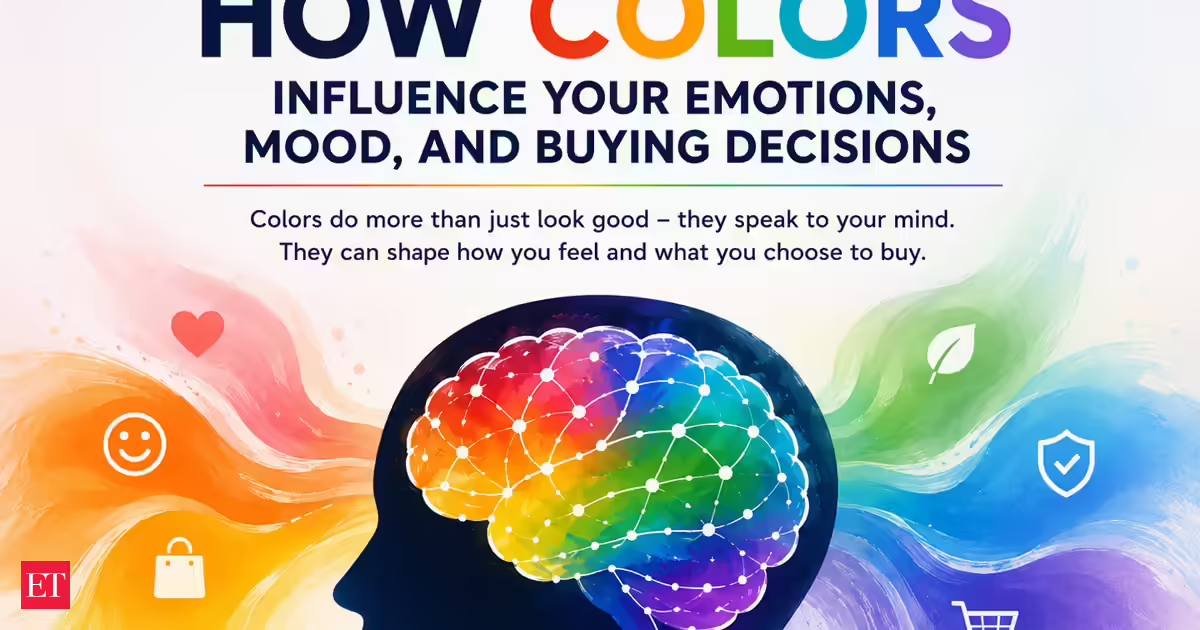
Psychology explains how colors influence your emotions, mood, and buying decisions
Color psychology subtly influences human emotions and decision-making processes. Businesses and designers leverage these effects to create stronger consumer connections. Color significantly impacts first impressions and brand recognition for products. Clothing colors can also affect personal confidence and individual performance. Understanding color's psychological impact aids informed choices in daily life.
715 words~3 min read