ASEAN Beat | Politics | Southeast Asia
Despite being partners at the federal level, the Pakatan Harapan and Barisan Nasional coalitions are competing to become the dominant force of tomorrow.
A current irony in Malaysian politics is that while Prime Minister Anwar Ibrahim’s Pakatan Harapan (PH) coalition and the Barisan Nasional (BN) coalition currently need each other to remain in power, they are simultaneously competing to become the dominant force of tomorrow.
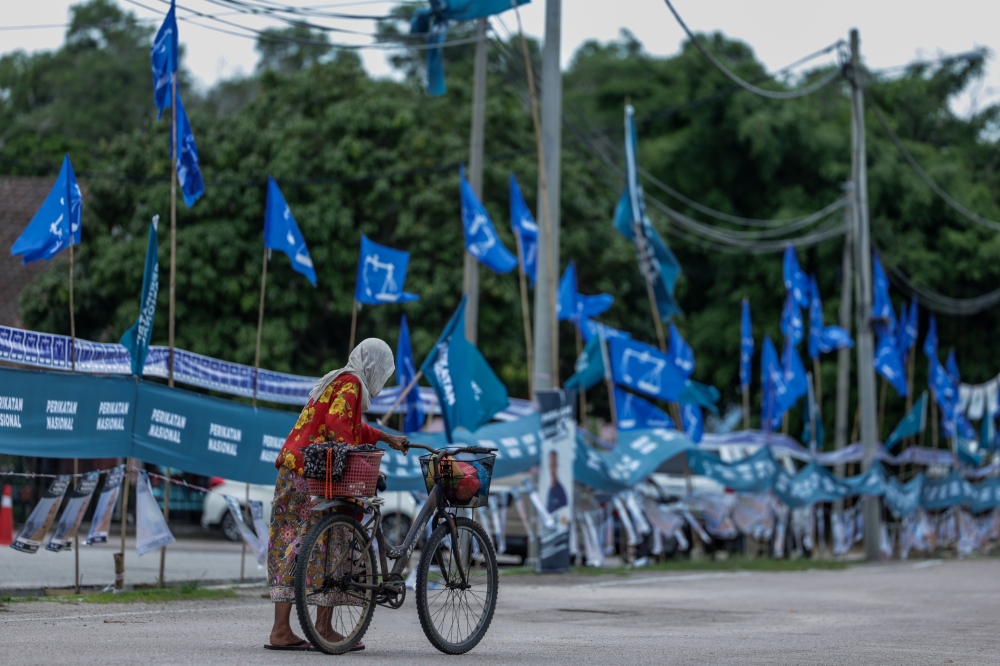
The back-to-back state elections in Johor on July 11 and Negeri Sembilan on August 1 are more than routine state contests. They have become a crucial test of strength between the two principal pillars of the federal government. While PH and BN are partners in Putrajaya, both are using these elections to consolidate their political bases, regain lost supporters, and improve their bargaining position ahead of the next general election, which must be held by early 2028 – but could be called earlier.
The southern polls have exposed the contradictions at the heart of the Madani administration. Federal cooperation has not erased decades of rivalry between Anwar and his allies on the one hand, and BN on the other. Instead, both coalitions are seeking to prove that they, rather than their coalition partner, represent the future of Malaysian politics. The elections are effectively a contest for supremacy within the government itself, with each side hoping that a strong showing will strengthen its claim to leadership in the next electoral cycle.