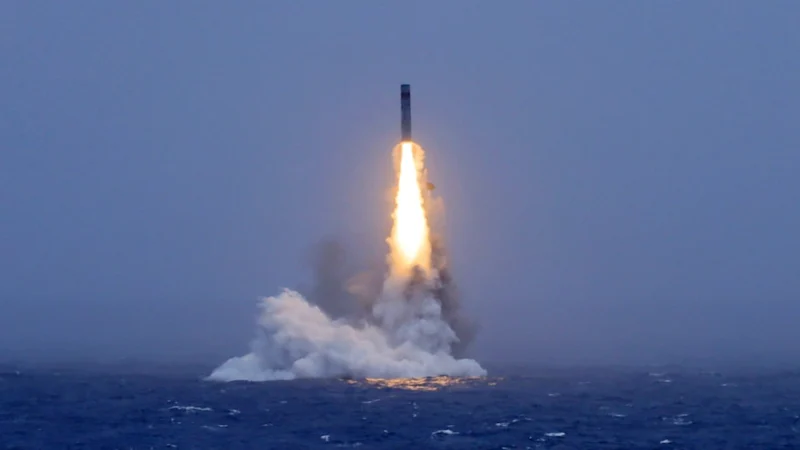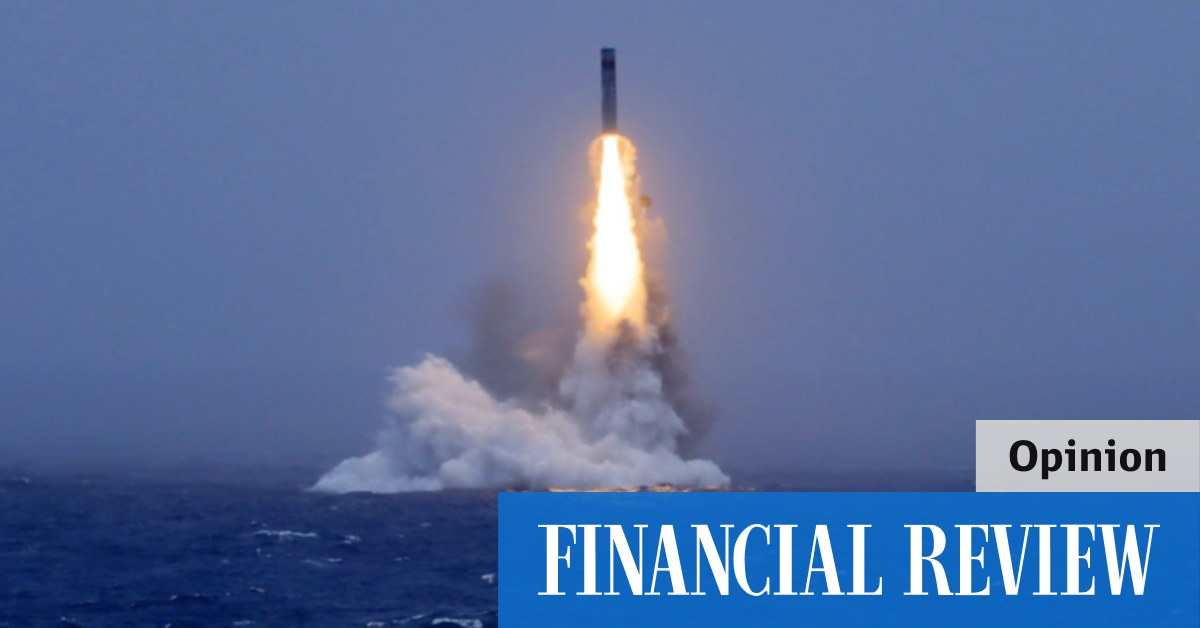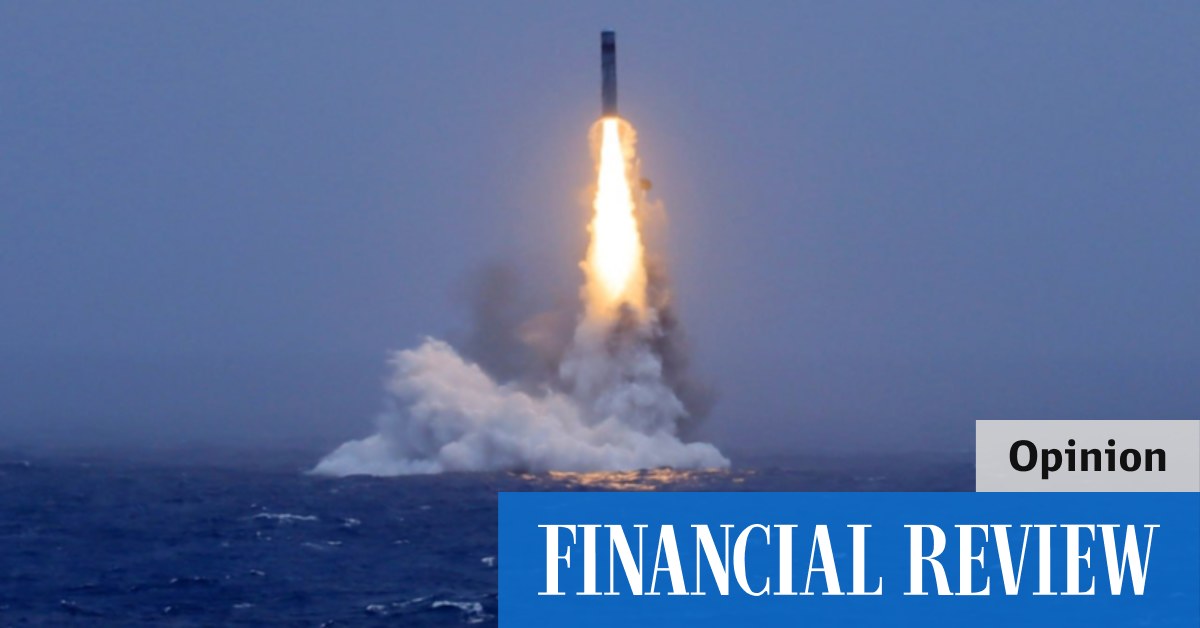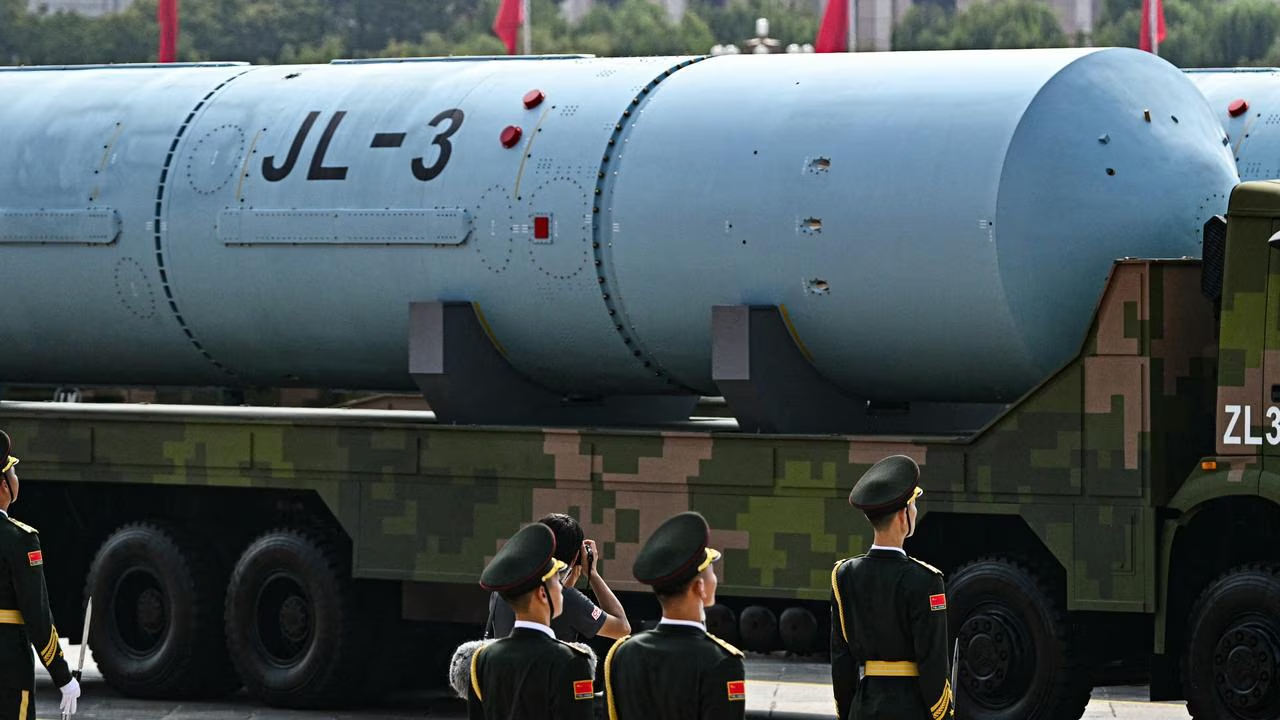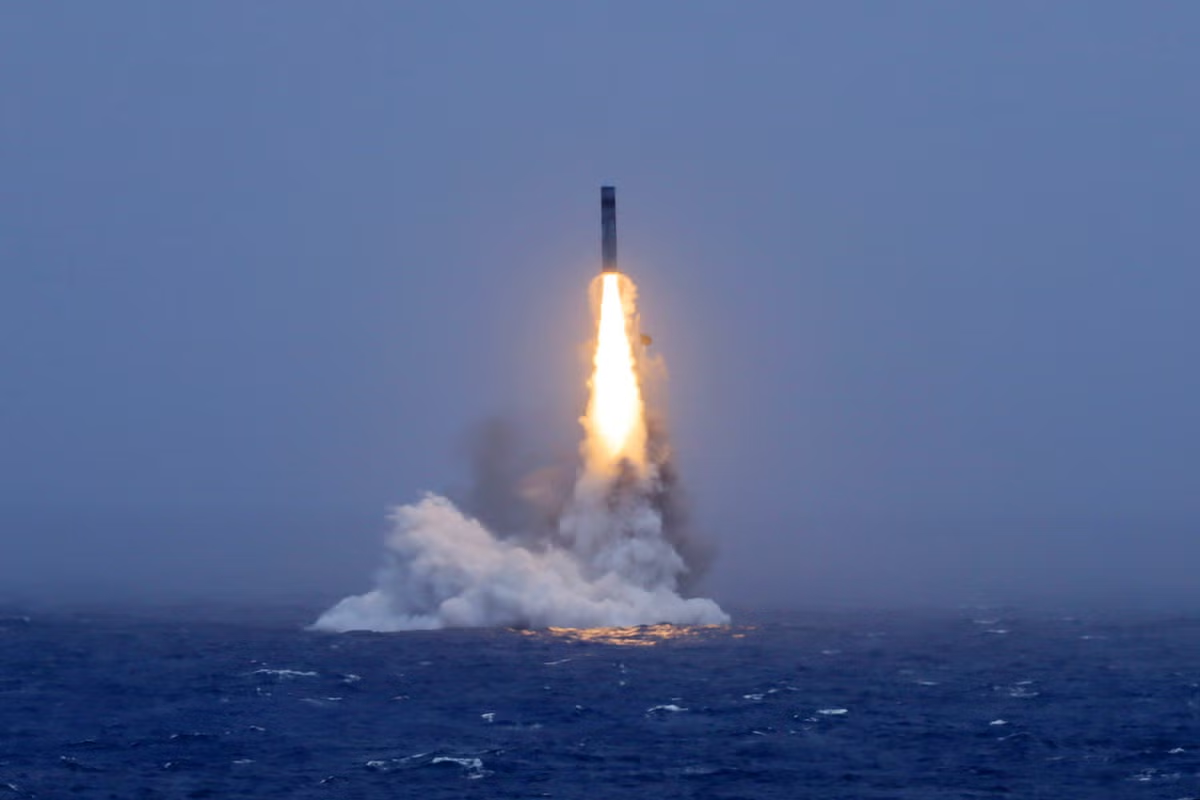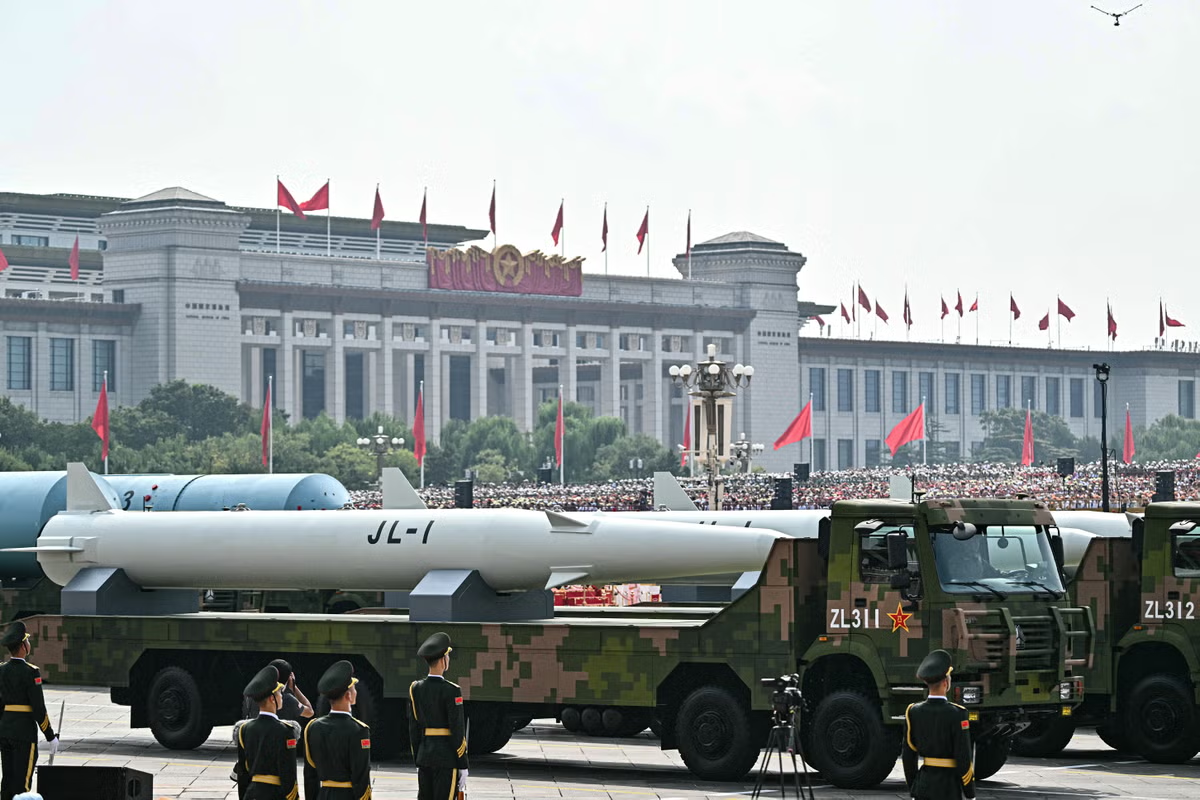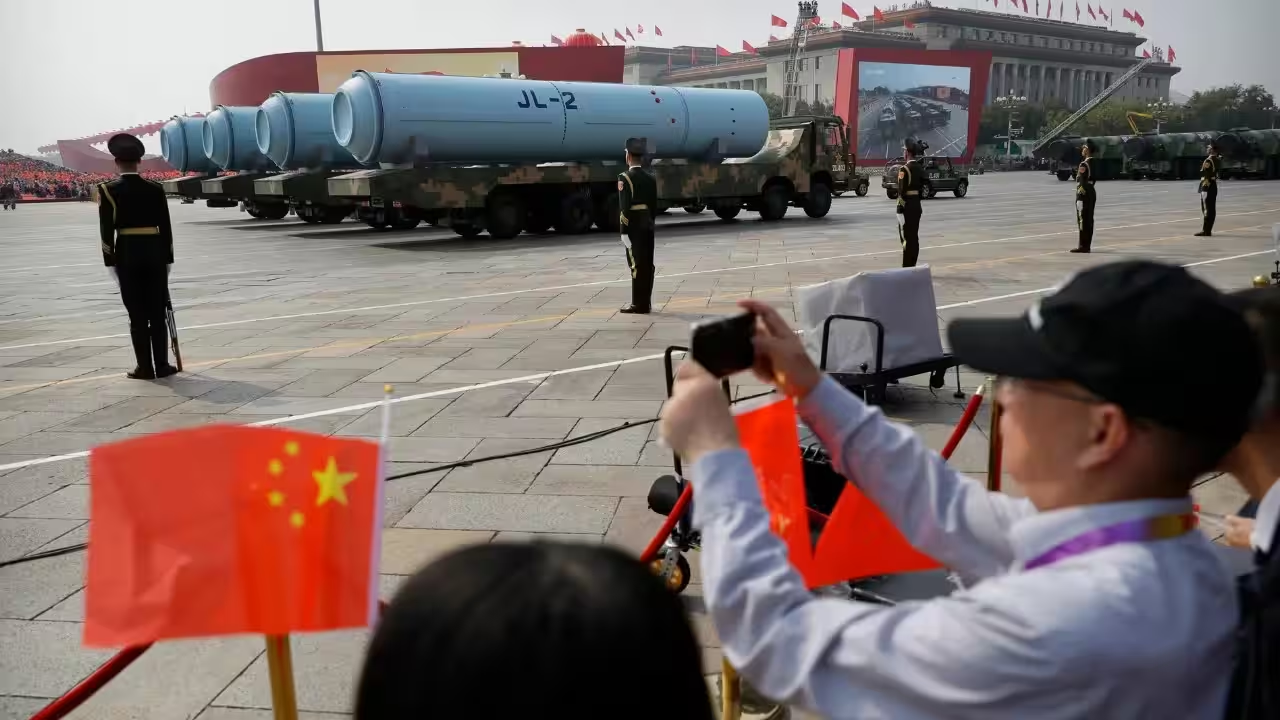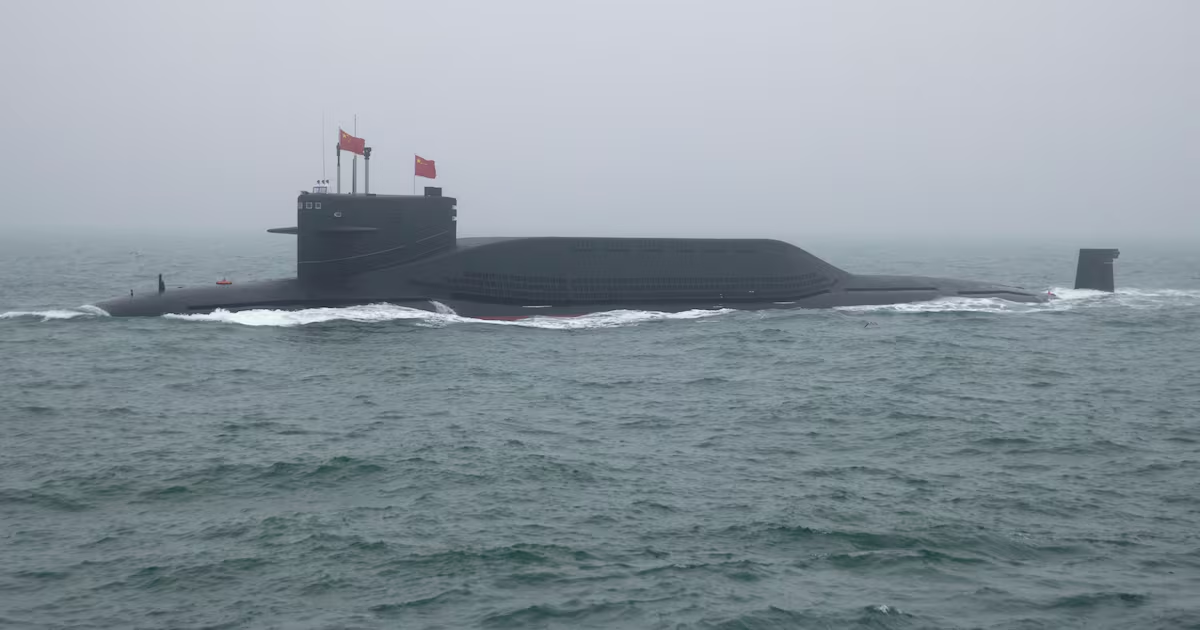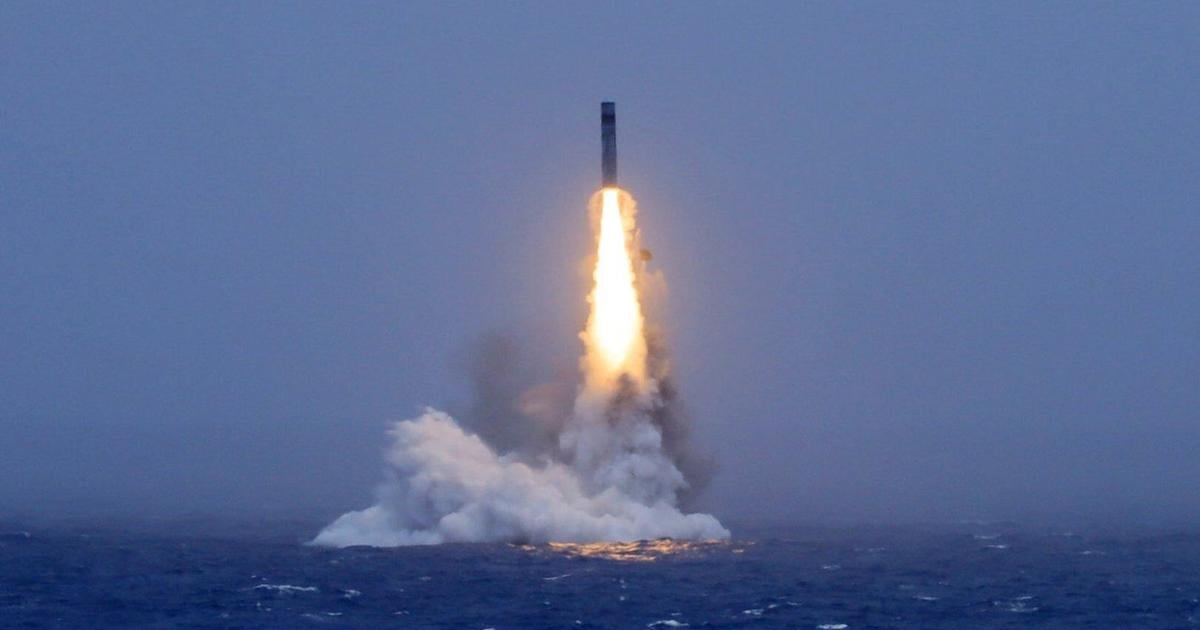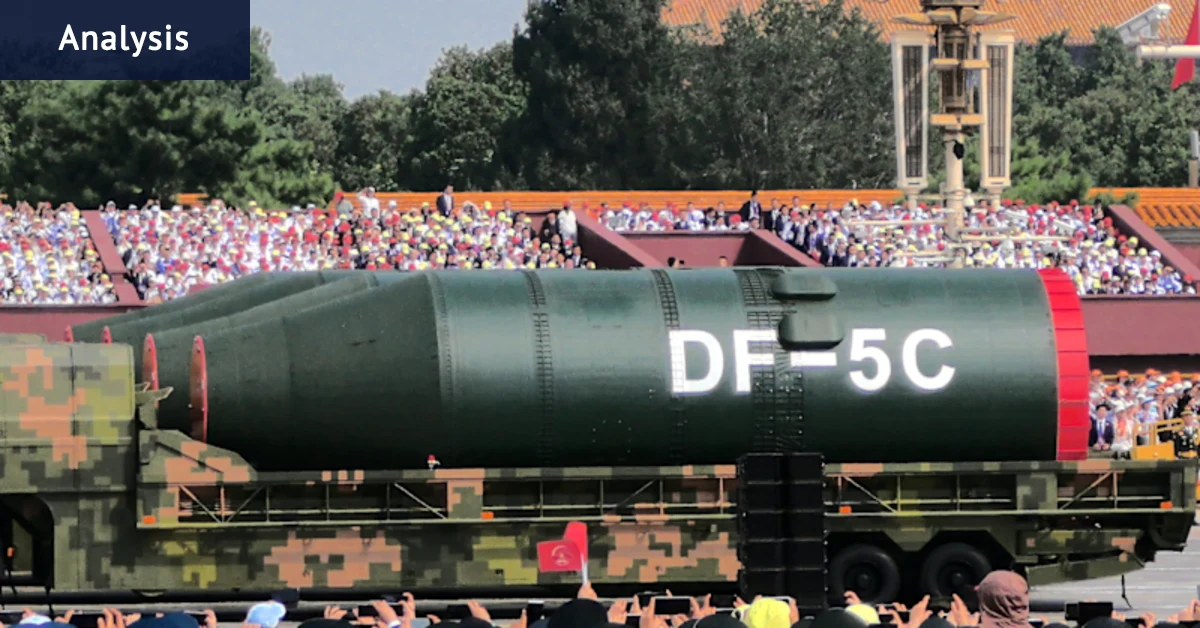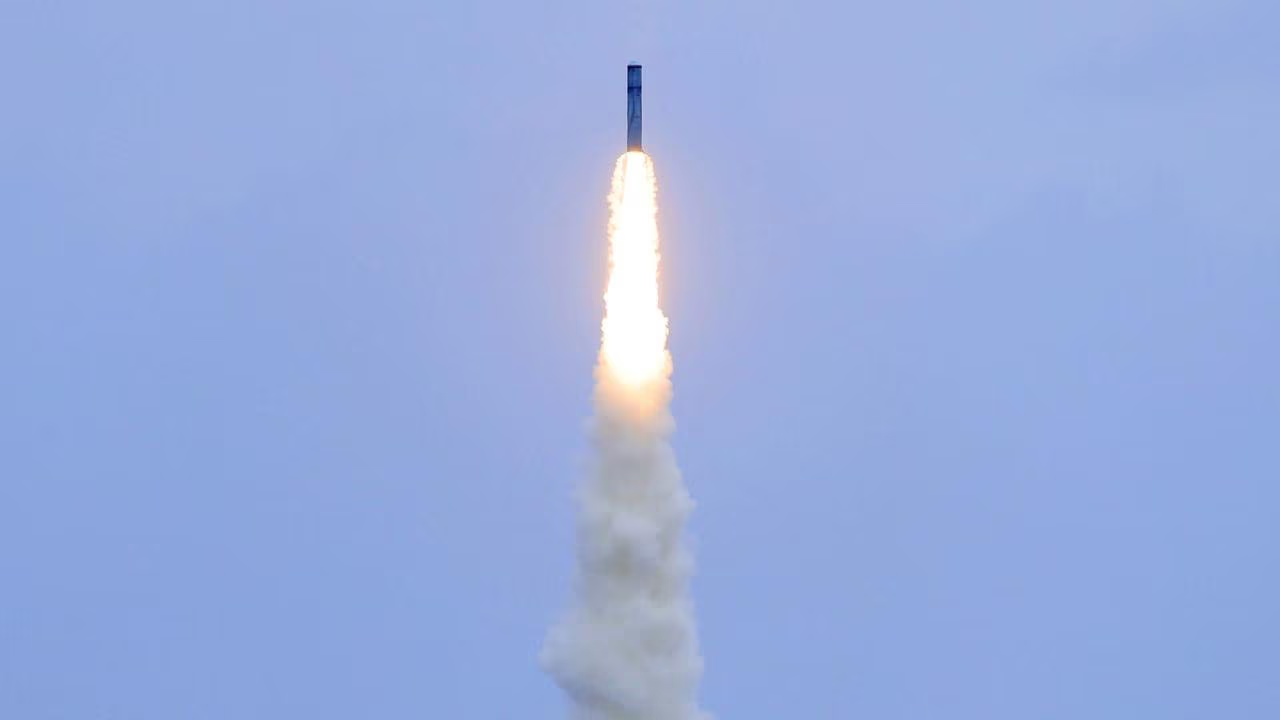
While Beijing insists the launch of a nuclear-capable missile is nothing to write home about, its flagship propaganda unit has hailed the test as a display of military might that the likes of Australia “will have to accept and get used to sooner or later”.The People’s Liberation Army fired the intercontinental ballistic missile (ICBM) from a nuclear submarine lurking in the South China Sea for “quite some time”, according to the Albanese government.It was the first sea-based launch of its kind in four decades and came just hours after Australia and Fiji inked a mutual defence pact that could grow to include other Pacific countries.Fronting a closely choreographed daily press conference, Chinese foreign ministry spokeswoman Mao Ning urged people not to “interpret too much” from the launch.“This is a routine military exercise,” she said.“It does not target any third party or targets, and it’s been notified in advance to the relevant countries and in accordance with international law and international practice.”That was the line reported widely across China’s state media apparatuses, with official news agency Xinhua repeating it almost verbatim.China Daily, the country’s biggest English language newspaper, also reported the launch as “routine” but acknowledged the last such test was in 1988.It also acknowledged the missile launched then “was constrained by its short operational range” and “served as a symbol of the PLA Navy’s possession of nuclear capability rather than a usable deterrent”.That, per China Daily, was not the case with JL-3 – the missile all-but confirmed to have been fired.It was unveiled at a mega military parade in Beijing last year, at which Chinese President Xi Jinping hosted Russian counterpart Vladimir Putin and North Korean leader Kim Jong-un.But it was the Global Times, the Chinese Communist Party’s media attack dog, that offered a deeper glimpse of Beijing’s thinking.The paper on Tuesday published a lengthy editorial outlining the military significance of the test, China’s nuclear philosophy and China’s role as a force for regional peace while hitting back at criticisms.“Certain forces have never given up a ‘salami-slicing’, risk-taking mentality, gambling on the assumption that China dares not take real action,” the piece said.“This mindset is rooted in a blind faith in and worship of US strategic nuclear strike capabilities.”It went on to say that China was “continuously strengthening its strategic deterrence force system, including its ‘nuclear triad’ of strategic nuclear forces” and that would “compel external powers and their followers to abandon attempts aimed at forcing Chinese concessions through maximum military pressure or pre-emptive strikes”.It also dismissed protests from Australia, New Zealand and Japan as “grumbling from operational-level authorities” and claimed the outrage was “significantly lower” than when China last test-fired an ICBM in 2024.“This demonstrates, on one hand, that China’s actions are beyond reproach and, on the other, that China’s peaceful conduct in recent years has earned the trust of the international community,” the paper said.“As for those voices with ulterior motives, or even those with guilty consciences, whether they are nervous or afraid, this is a situation that they will have to accept and get used to sooner or later.”China almost tripled its nuclear warheads stockpile since 2020 and now possesses an estimated 620, according to independent monitors.Read related topics:China
China’s haunting three-word message
While Beijing insists the launch of a nuclear-capable missile is nothing to write home about, its flagship propaganda unit has hailed the test as a display of military might that the likes of Australia “will have to accept and get used to sooner or later”.
532 words~2 min read