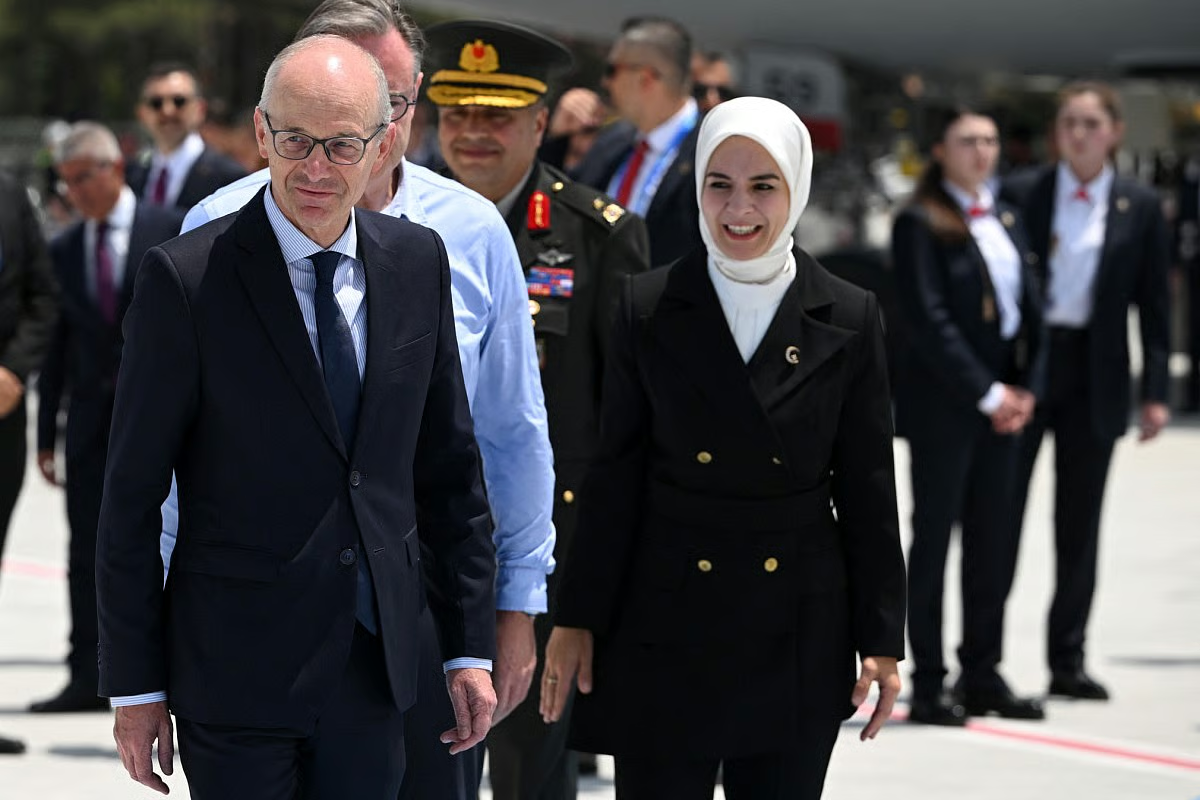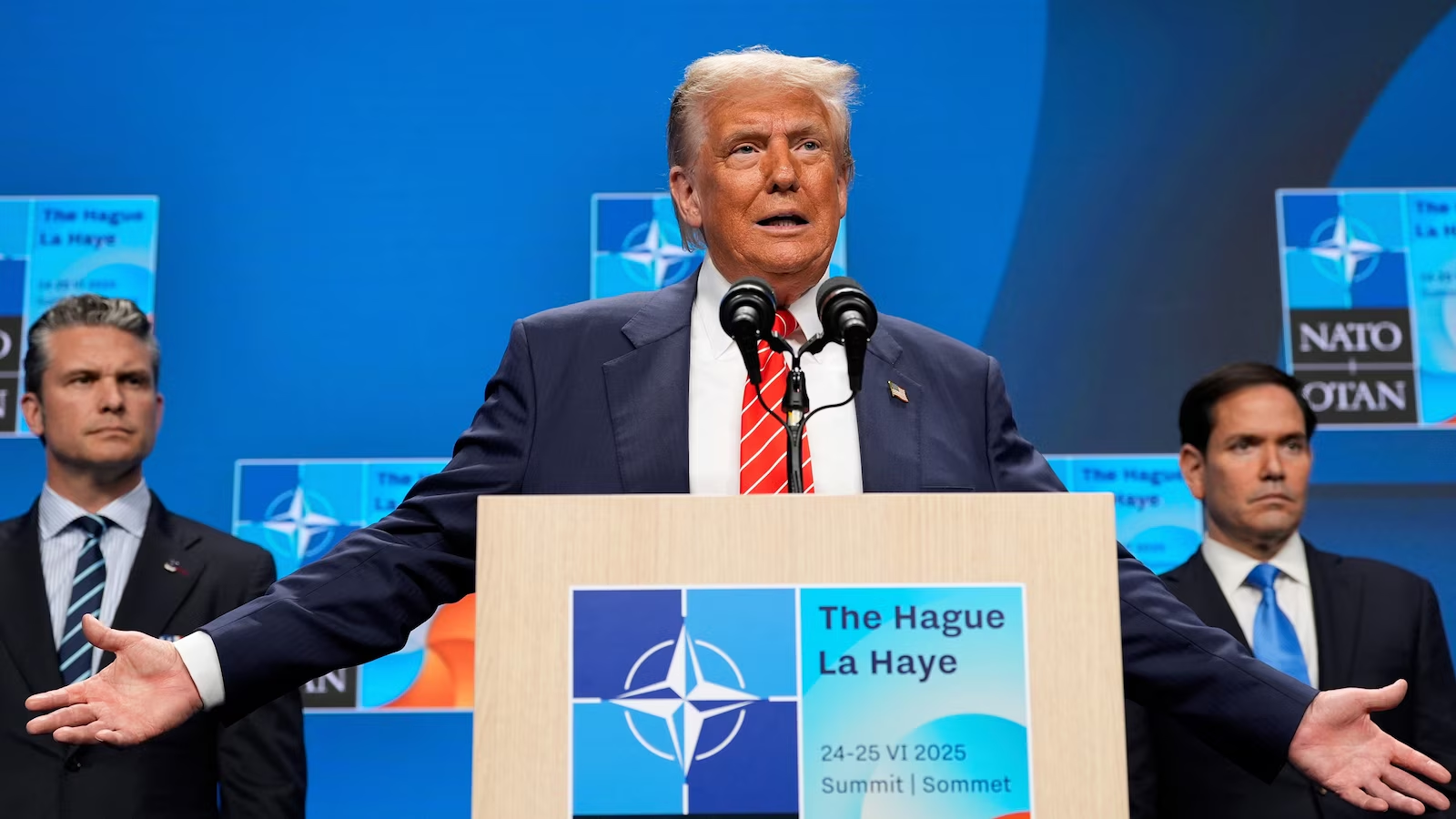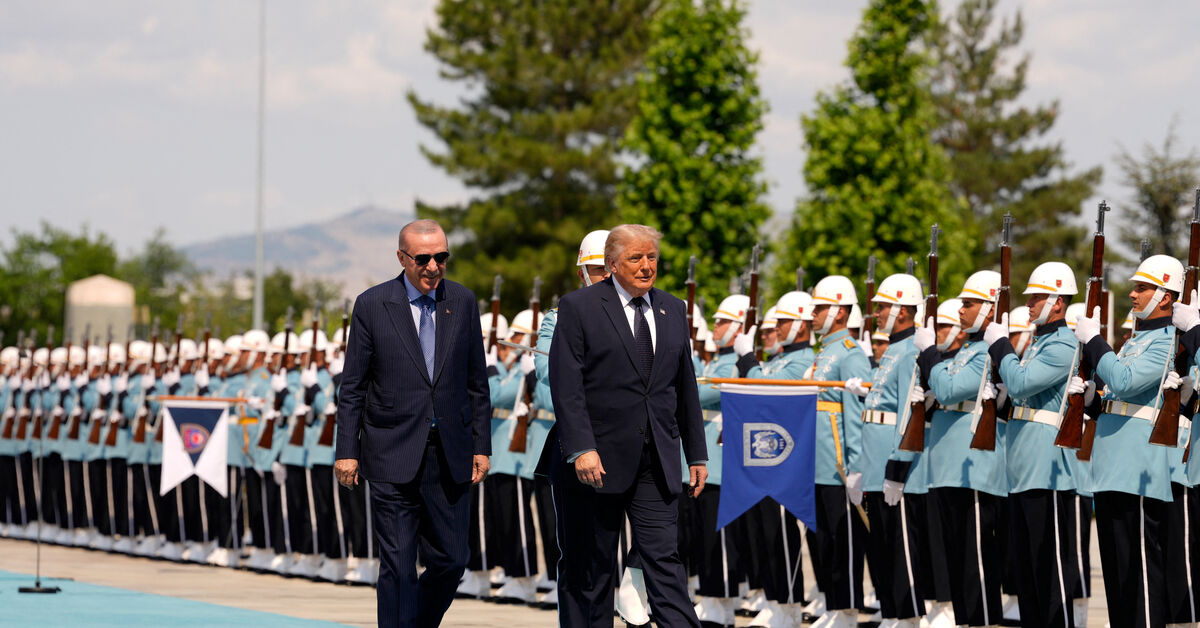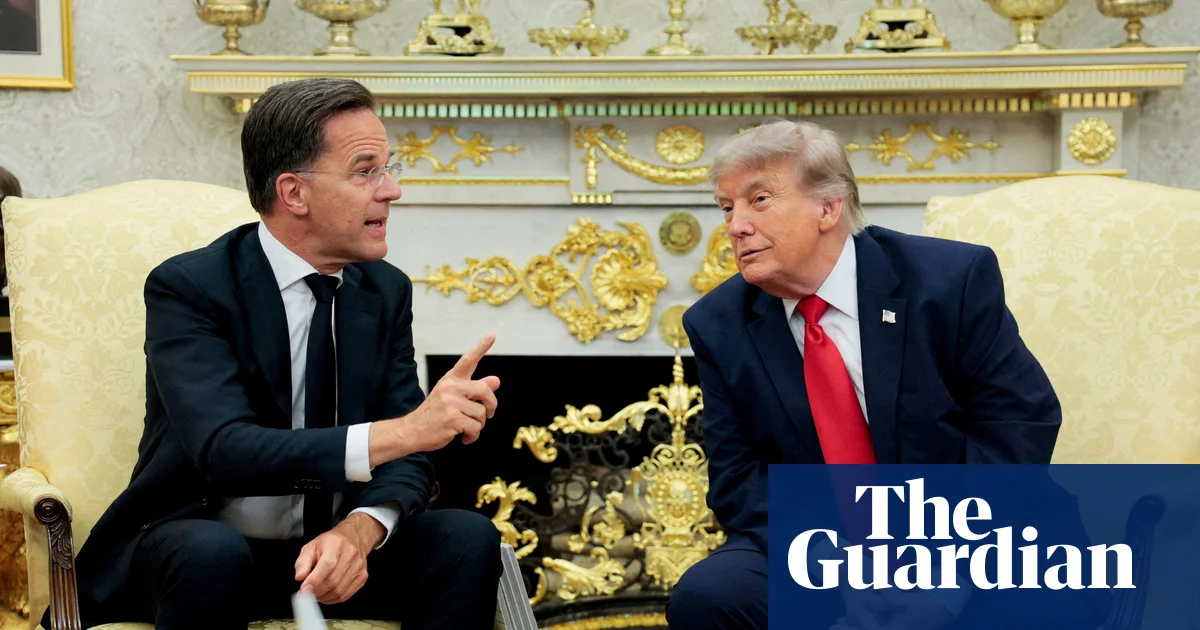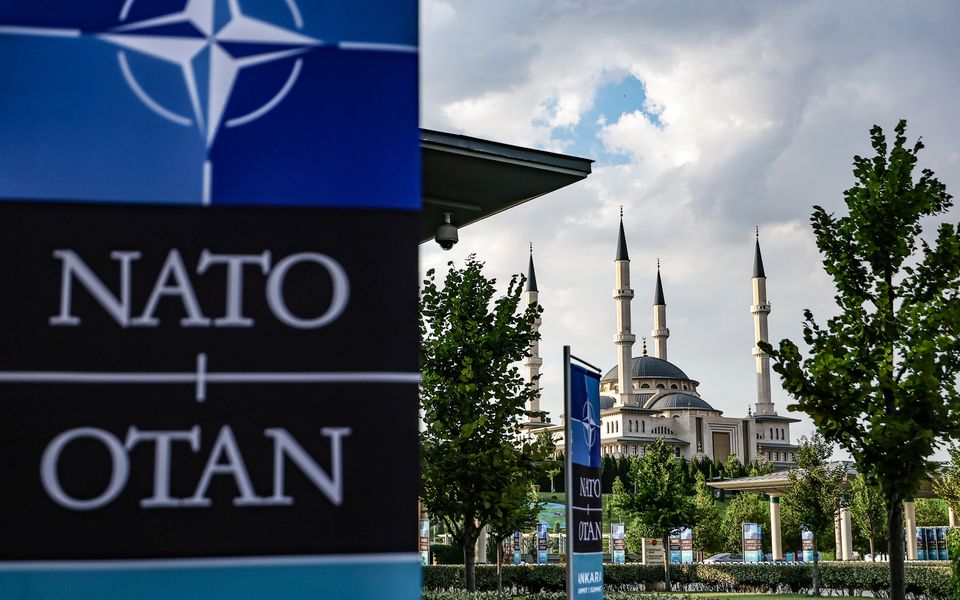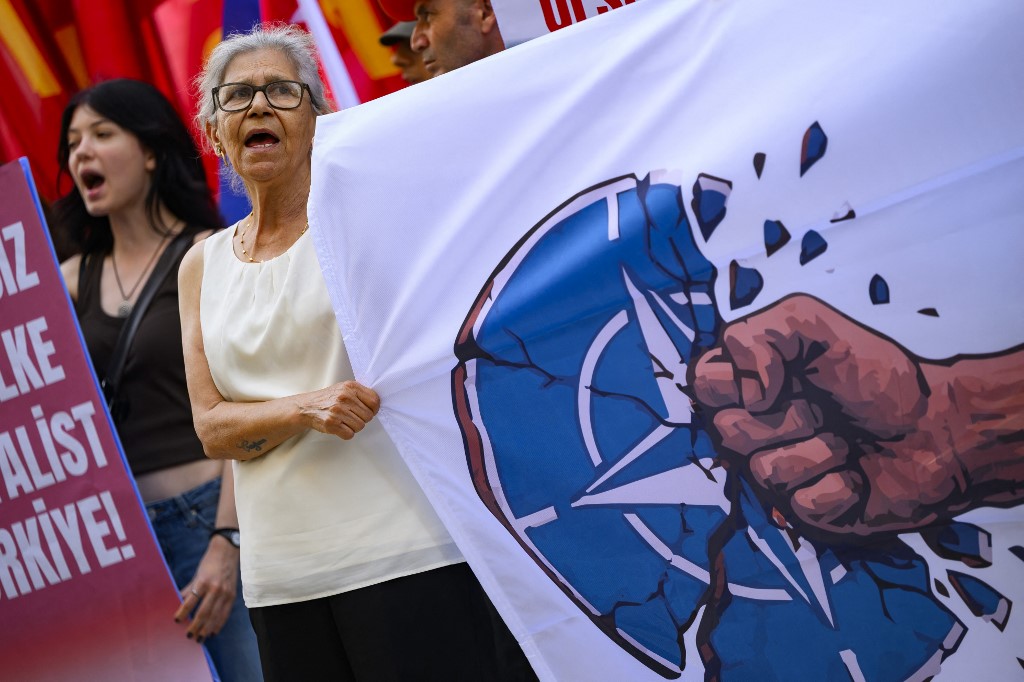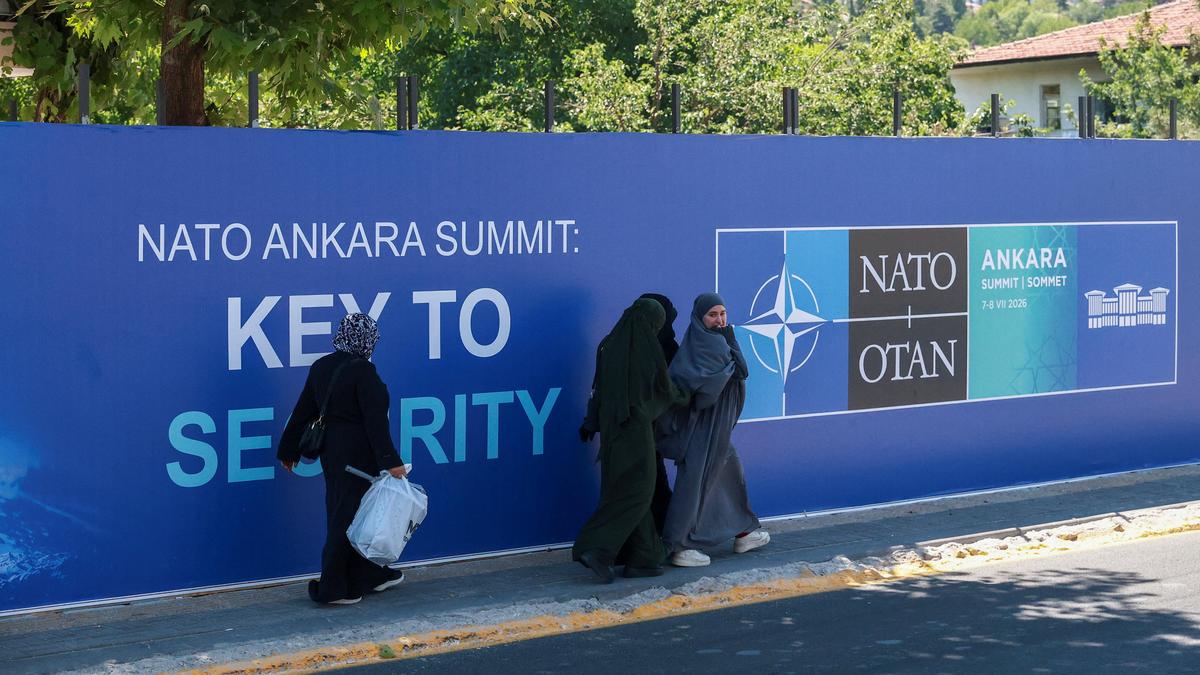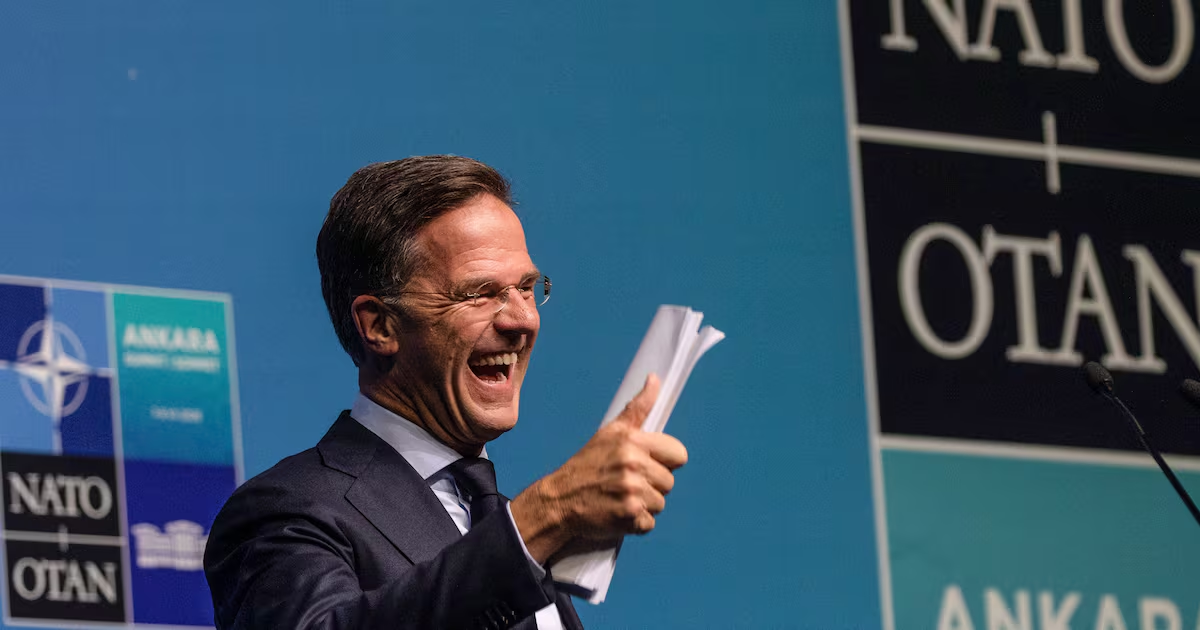
As they arrive in Ankara today for a Nato summit, the leaders of the United States and its European allies neither like nor trust each other. But separation would be costly for both.Breaking up is hard to doWhen Nato leaders meet in Ankara over dinner this evening, most will wish to trumpet their governments’ increased defence commitments, affirming that they are on course to reach the target of 5 per cent of GDP for security-related spending by 2035. But for Donald Trump, who has made clear that the main reason he is showing up to the summit is because of his high regard for Turkey’s strongman president, Recep Tayyip Erdogan, it is too little too late.The Trump administration announced last month that it is reducing the United States’s contribution to the Nato Force Model, namely the forces available to the alliance in the event of a crisis or a war.This will see the number of fighter aircraft assigned to Nato operations in Europe fall by a third, maritime patrol aircraft cut from 26 to 15, refuelling aircraft reduced sharply, the number of destroyers halved, and the only submarine carrying cruise missiles eliminated.Defence secretary Pete Hegseth has also launched a six-month review of US bases and troop deployments in Europe, with an expectation of big reductions. “Our national defence strategy states clearly that we’re going to incentivise and enable our allies to step up and do their part,” he said.“So we’re going to keep a close eye on allies who are not doing that, and who say no, or maybe, or wait and see when it matters most. It’s a review that some countries will fail, and others will pass with flying colours.”These moves, along with Trump’s snarling rhetoric and his threat to annex Greenland, part of the territory of Nato member state Denmark, has raised fears in Europe that the US could abandon the alliance altogether. If this were to happen and European Nato had to defend its part of the continent alone, troop numbers would be the least of its problems.European Nato has substantial combat power and in some categories its aggregate numbers are superior to Russia’s, while many of its weapons systems are as good or better, even if it is short of some key equipment like heavy transport and refuelling aircraft. The most important element the US provides to European defence is integration, the operating system that makes forces work effectively together.At the heart of this is theatre-wide intelligence, surveillance and reconnaissance that uses satellites and other technology to gain a picture of everything from troop movements to targeting information throughout the entire region Nato covers. Without this US capability, Nato would be operating in the dark, as Ukraine discovered when Trump briefly suspended intelligence sharing last year.US military officers are central to Nato’s command structure and although they are a minority within allied command operations, they are concentrated in the highest positions. European allies are working to reduce their dependency on the US for physical assets like heavy lift aircraft but replacing the human expertise of American officers will be more difficult.Big problemsAbandoning Nato would create big problems for Washington too, notably the loss of Europe as a forward base and logistics platform for its military adventures in the Middle East, Africa and beyond. Although Trump complains about a lack of support from Nato allies for his war against Iran, that campaign highlighted the importance of European bases for American power projection.Ramstein airbase in Germany operated as a strategic hub for moving weapons and other equipment into the Gulf during the war and it serves as the control hub for US operations in the Middle East. Many of the bombing missions that targeted Iranian missile facilities took off from RAF Fairforth in Gloucestershire and the US used bases across Europe for refuelling.When Nato secretary general Mark Rutte made his latest Uriah Heep-style appearance in the Oval Office last month, he brought charts to show how European defence spending had increased since 2017 by what he called “the Trump trillion”. He boasts that Europe’s rearmament is sustaining 195,000 arms industry jobs in the US and that figure is likely to increase after a series of big announcements about weapons purchases at the Ankara summit.Please let me know what you think and send your comments, thoughts or suggestions for topics you would like to see covered to denis.globalbriefing@irishtimes.com
A crunch Nato summit in Ankara: Breaking up is hard to do
Trump moves raise fears in Europe that the US could abandon Nato altogether
730 words~3 min read