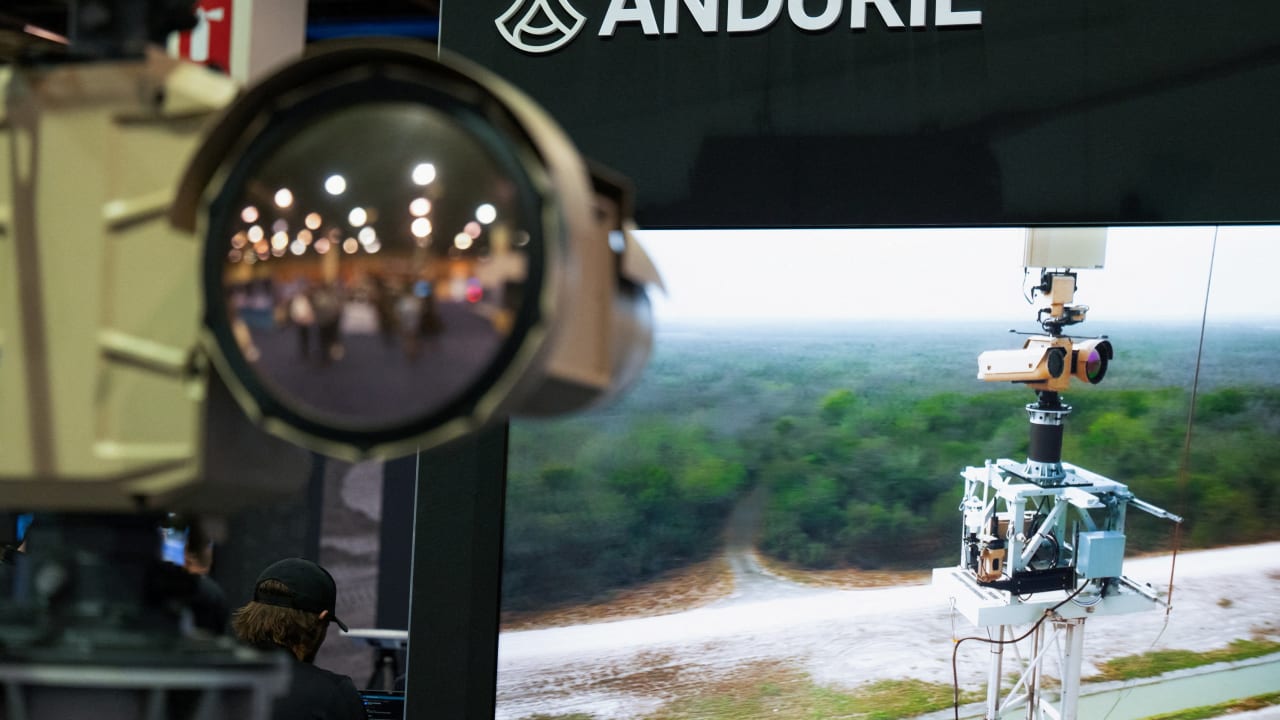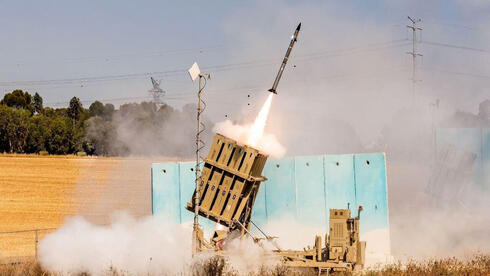
While software firms cut jobs under pressure from AI and the strong shekel, a new Aaron Institute report says Israel’s high-tech workforce rose 6.2% in the first quarter to 424,000, led by defense and semiconductor companiesSophie Shulman, Calcalist|Demand for workers in Israel’s defense industries is, for now, outweighing the effects of the strong shekel and AI-related layoffs. A new quarterly report by the Aaron Institute points to a sharp rise in the number of high-tech employees in Israel. According to Dr. Sergei Sumkin, head of high-tech research at the institute and author of the report, the increase is being driven mainly by the defense industry.According to the report, high-tech employment reached a surprising record in the first quarter, rising 6.2% to 424,000 workers, who now account for 12% of all employees in the Israeli economy.Gallery(Photo: Gil Yohanan)The steepest increase was recorded in the deep-tech sector, which includes defense companies and semiconductor firms. Employment in that segment jumped 15.4%, with 12,000 workers added during the first three months of the year.Even the number of employees in research and development roles rose again, after a troubling decline reflected in the institute’s report for the final quarter of 2025. The latest report shows a 5.9% increase to 257,500 R&D employees. Sumkin attributed the reversal to a period of organization and hiring in the defense industries, and estimated that if Israel’s situation becomes more stable, both domestically and geopolitically, the numbers are expected to level off.When computer workers in other sectors, such as banking and communications, are also included, the number of employees in what are defined as “tech jobs” crossed the 600,000 mark for the first time, reaching 604,000. That represents a 6.1% increase compared with the same period in 2025. Tech workers now make up 17% of all employees in Israel’s labor market. If the current trend continues, Israel could reach the target set by the Perlmutter Committee in 2021 of having tech workers account for 20% of the workforce by 2035.The Aaron Institute figures are surprising given the seemingly negative trend felt across the high-tech industry in recent months. Many companies have announced deep cuts, blaming efficiency drives dictated by the adoption of AI technologies, a global trend that has also affected major companies, including Meta, which laid off 8,000 workers in May.In Israel, the wave of layoffs has been intensified by the strong shekel, which has made Israeli high-tech workers very expensive by global standards. Among the prominent companies that carried out major cuts was Wix, which laid off 1,000 employees, not all of them in Israel. Other companies, including Amdocs, SentinelOne, Elementor, Taboola, Lightricks and Artlist, also reduced staff. Major layoffs were also carried out at AI21 and Hailo, which ran into business difficulties that forced them to part with half their employees or more.Still, the Aaron Institute’s positive figures may have several explanations. No less important will be determining whether the first quarter was a one-off event before the larger storm caused by the shekel’s record exchange rate against the dollar and the wave of workforce cuts. Most layoffs in high-tech companies took place in the second quarter, meaning they are not yet reflected in the first-quarter employment report. The shekel’s main strengthening also took place between April and June, with a peak recorded about a month ago.Israel’s defense industries have enjoyed an unprecedented tailwind in recent years, both because of the unstable geopolitical situation in Europe and the ongoing war between Russia and Ukraine, and because of the deep change in weapons doctrine exposed in Israel since 2023. Air-defense systems are in high demand in both the Middle East and Europe, while the difficulty of countering drone threats in Israel and elsewhere is also driving demand for new systems.Elbit Systems CEO Bezhalel Machlis said last week that the company had hired 2,000 workers over the past year and plans to recruit a similar number by the end of 2026.Iron Dome (Photo: IDF)The semiconductor industry is also enjoying renewed strength amid sharp gains in chip stocks on Wall Street. For decades, software companies were investor favorites, but the development of AI is threatening the business models of many of them, while also requiring the expansion of server-farm infrastructure. That, in turn, is giving a boost to the chip sector. The recent entry of Tower Semiconductor and Nova into the top 10 largest companies on the Tel Aviv Stock Exchange illustrates the scale of the change.The Aaron Institute’s first-quarter figures also raise the question of whether, given the relatively strong state of the high-tech labor market, there is indeed a need for the assistance plan announced last week by the Finance Ministry to help the industry cope with the effects of the strong shekel. Sumkin said there is no contradiction, since the aid is needed mainly by startups.“The advantage of Israeli high-tech and the source of its strength lie in its diversity, and that is also what distinguishes it from high-tech sectors in most other countries,” he said. “There are small startups here, fast-growing private companies, large defense companies, public companies and international companies. On one hand, the defense industries now have orders for the next 10 years that create demand for workers, and the international companies that employ about 30% of the workers here are not necessarily rushing to lay off employees because they are stable and have deep pockets. But on the other hand, startups really are in trouble because they live on capital raising in dollars, and those dollars shrink when converted into shekels.”The impact of the strong shekel is reflected in a sharp drop in high-tech exports measured in shekels, but the encouraging news is that there has been no damage to exports measured in dollars. That suggests exports are less price-sensitive, as would be expected for unique products. Alongside a 13.6% strengthening of the Israeli currency, the dollar value of high-tech industrial exports fell by 3.6%, while their shekel value plunged 16.8%.The high-tech services sector continued to grow. Its dollar-denominated exports jumped 16.4%, while in shekel terms they remained unchanged. The calculation was based on an exchange rate of 3.12 shekels to the dollar, above the dollar’s current level.
Defense and chip hiring push Israeli tech employment to new record
While software firms cut jobs under pressure from AI and the strong shekel, a new Aaron Institute report says Israel’s high-tech workforce rose 6.2% in the first quarter to 424,000, led by defense and semiconductor companies
1,025 words~5 min read