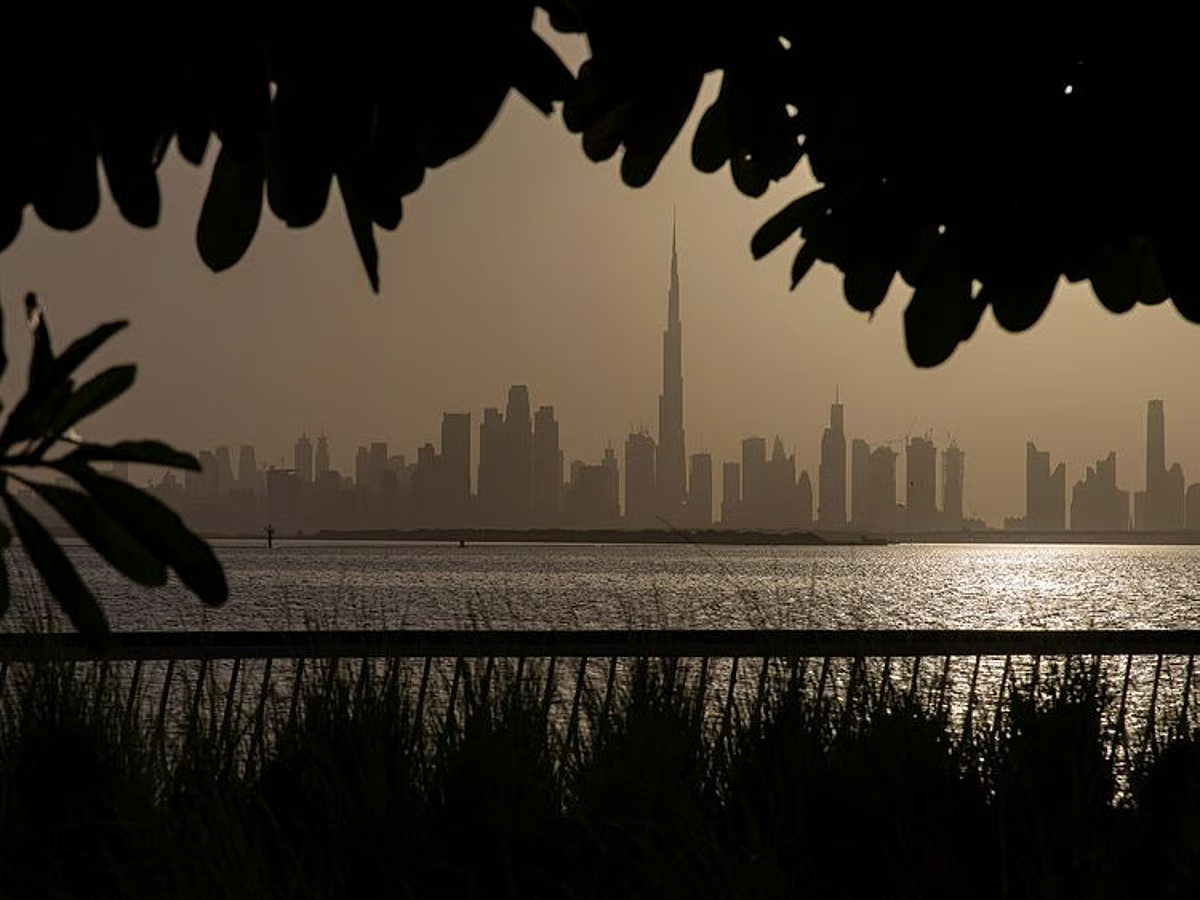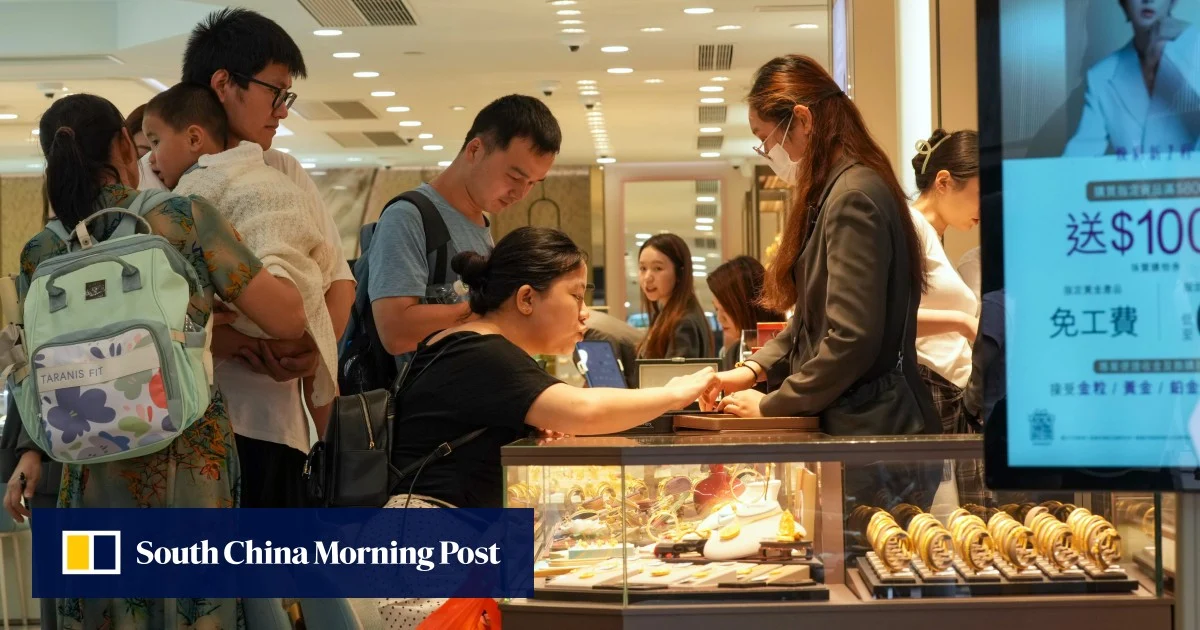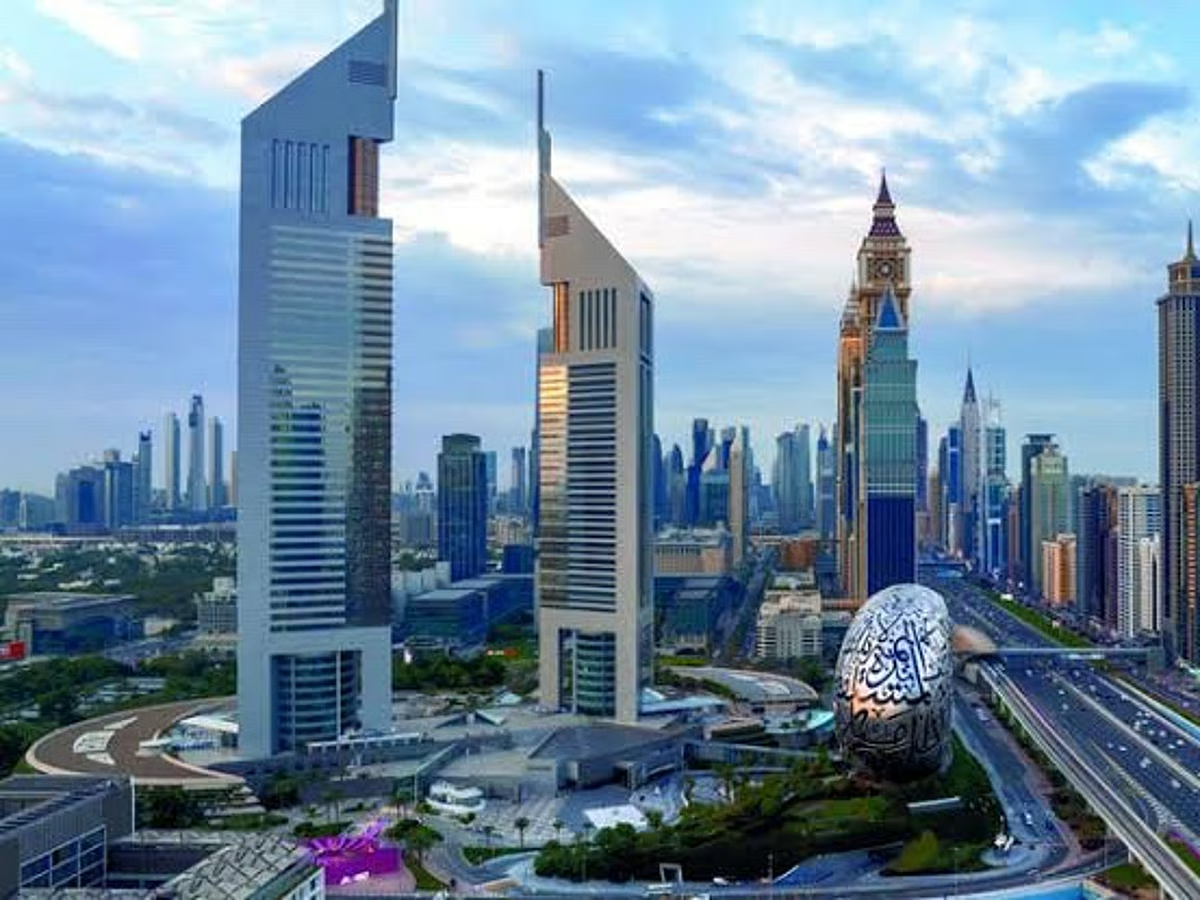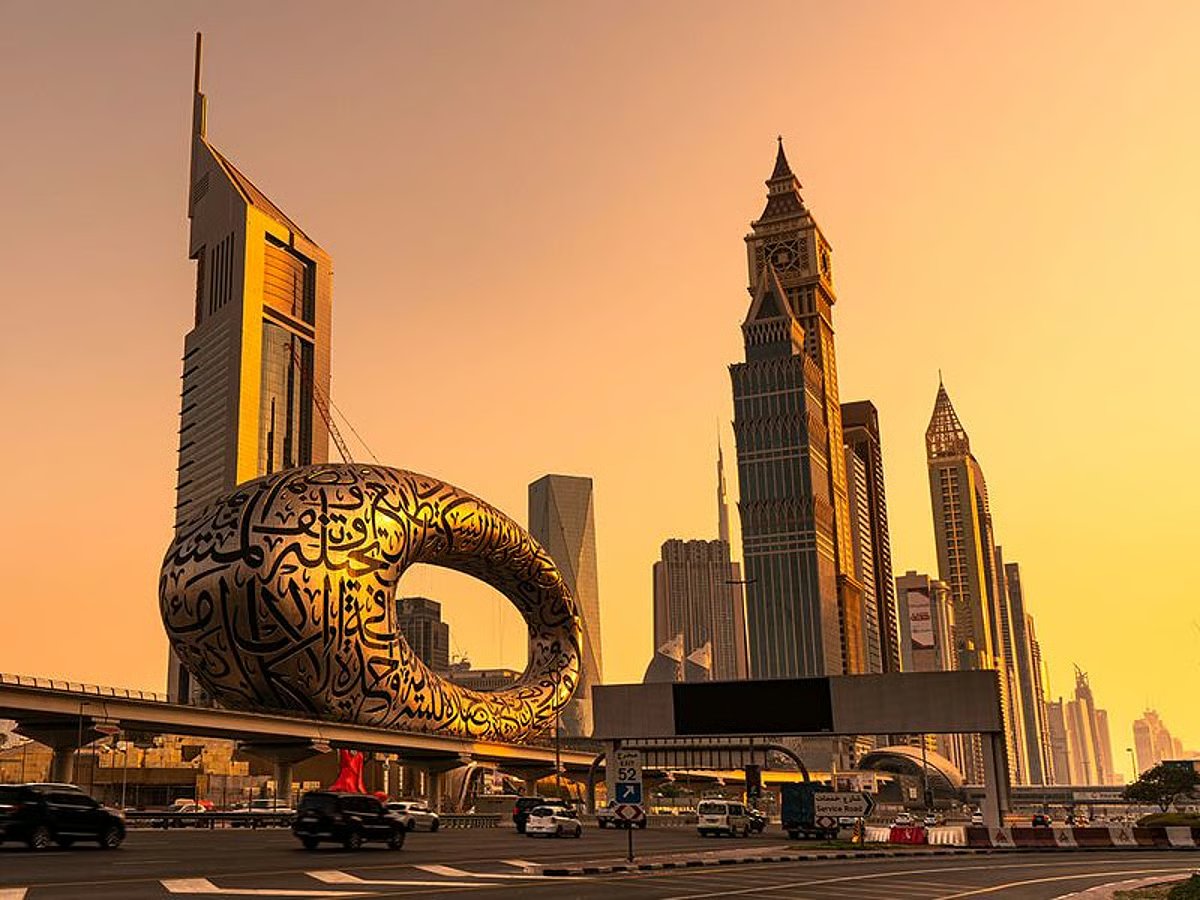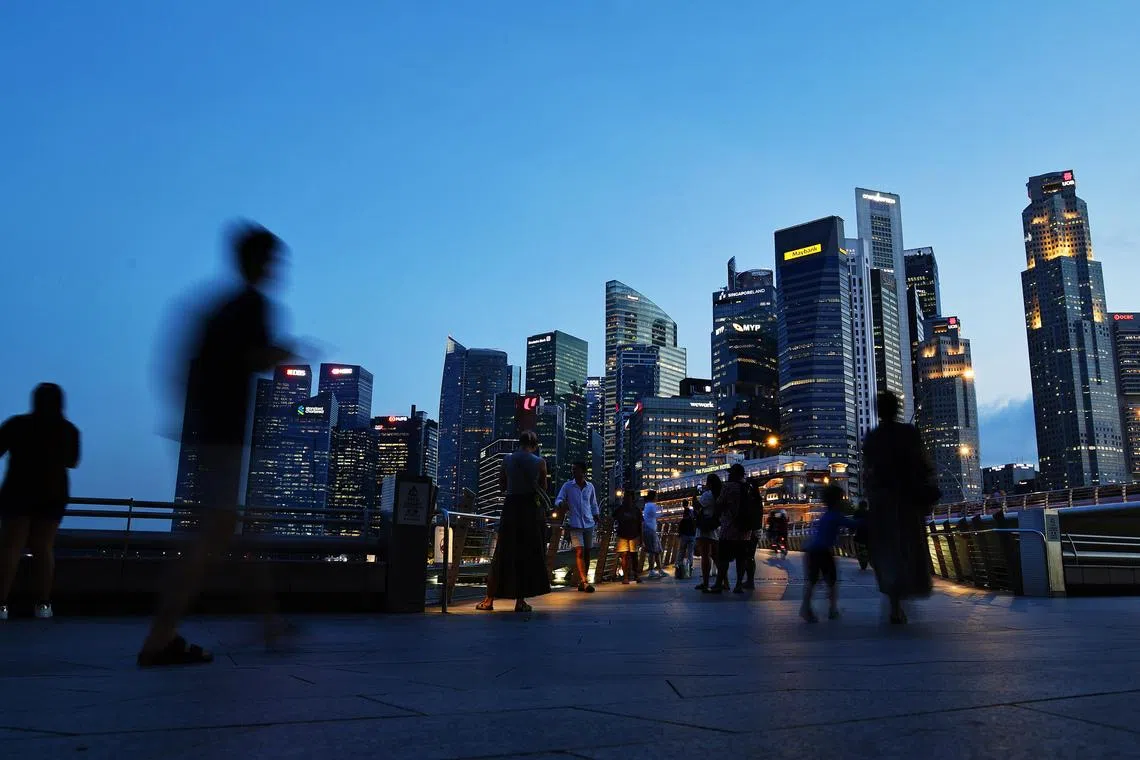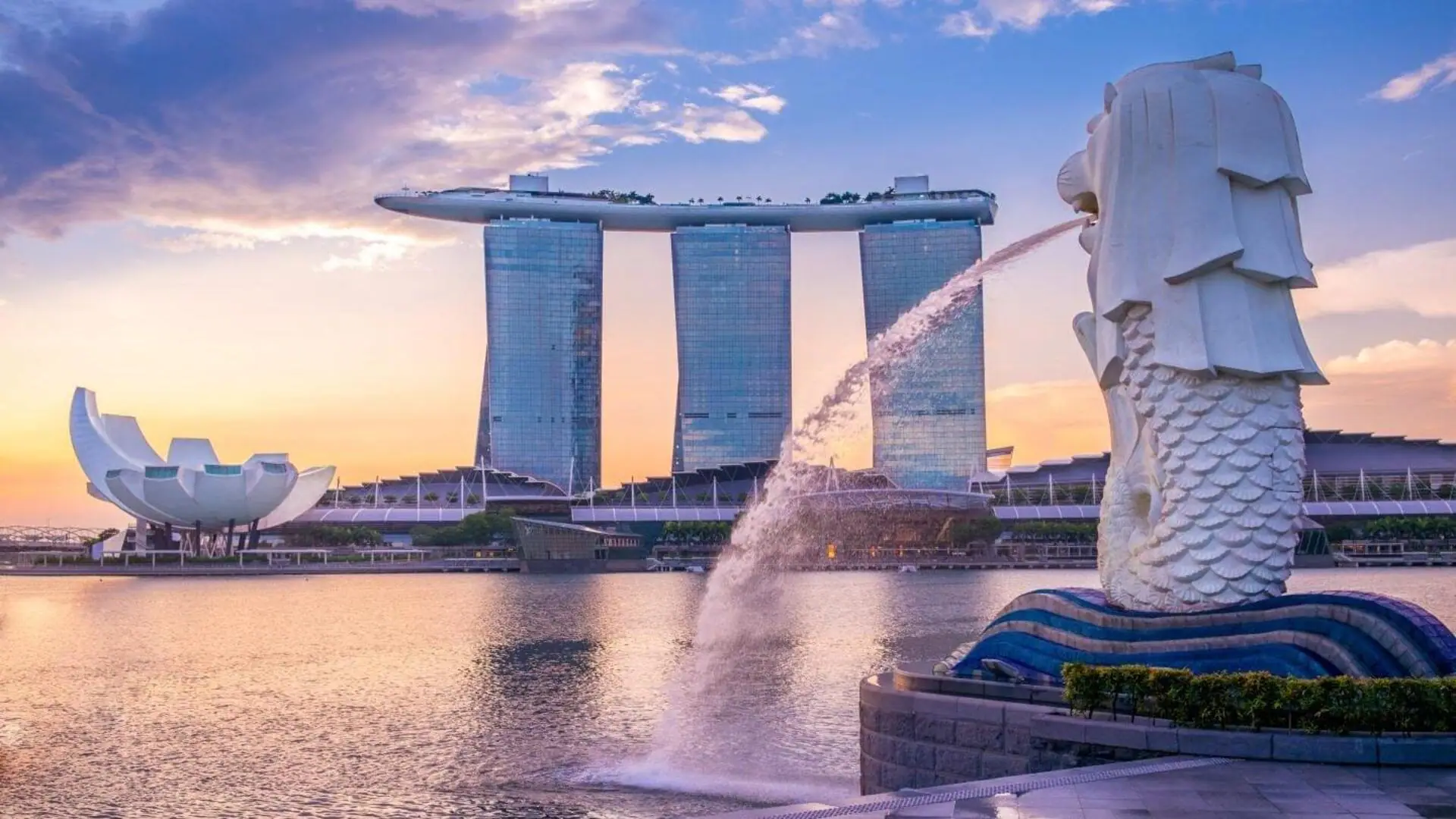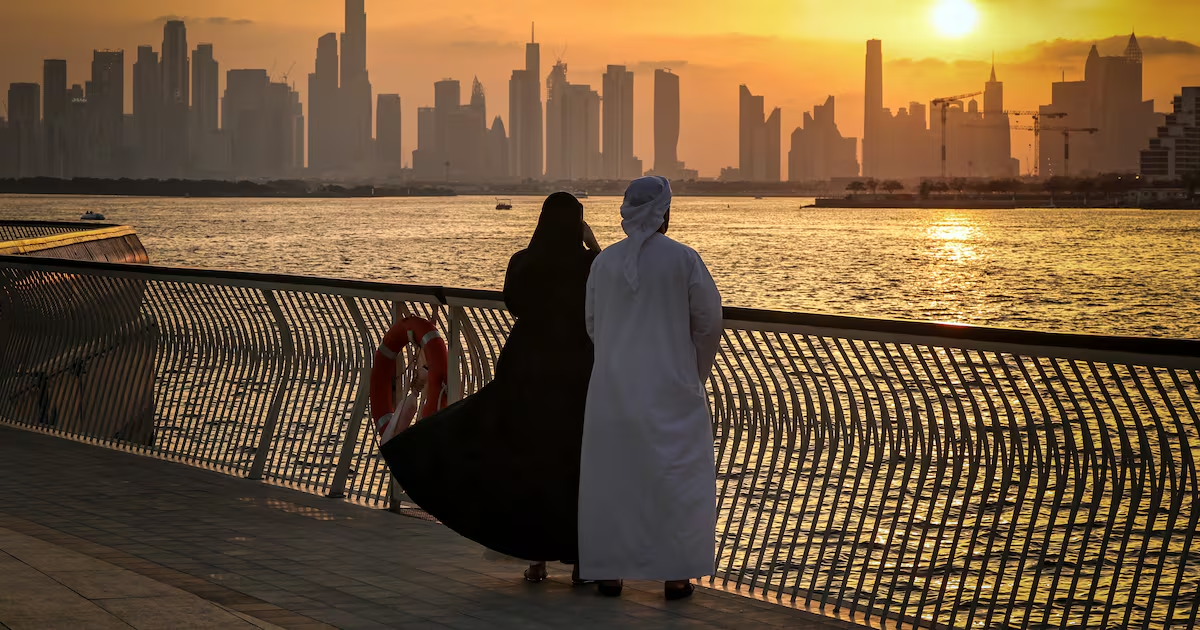
Dubai has dropped seven places to rank as the 14th most expensive city in the world for the ultra-wealthy this year, driven not by any cooling of prices in the emirate but by currency swings elsewhere, a report has found.The city was one of the biggest climbers in last year's index and this year's fall is explained "more by other cities in our index becoming more expensive, rather than Dubai becoming more affordable", Julius Baer's Global Wealth and Lifestyle Report 2026 said.Cities tied to strengthening currencies were among the biggest gainers. Zurich rose three places to second and Monaco entered the top three for the first time, with Julius Baer saying both were lifted more by the appreciation of the Swiss franc and the euro against the US dollar than by sharp local price increases.The dirham's peg to the US dollar, which has weakened against most major currencies over the past year, has left Dubai looking relatively cheaper in the bank's dollar-denominated index, even though little has changed for residents spending in dirhams."Dubai remains a resilient regional hub with an attractive business climate and a favourable location between East and West," the report said.Data for the index was collected between November 2025 and late February 2026, with survey fieldwork completed in early March, before the outbreak of the Iran war. Julius Baer said that as a result the effects of the ensuing regional escalation have not been priced into this year's findings.Singapore retained its position as the world's most expensive city for high-net-worth individuals for the fourth year running. The bank put that down to the enduring strength of the Singapore dollar as much as to high property and car prices.Zurich jumped three places to second and Monaco entered the top three for the first time, pushing Hong Kong down to fourth. Neither city recorded dramatic local price rises, but the appreciation of the Swiss franc and the euro against the dollar was enough to lift both cities up the table."The strength of the currency is again driven by Switzerland's stability both politically and financially, which sees the franc continuing to act as a store of value in unpredictable times," the report said.London dropped to fifth place after coming close to the top spot last year, largely because the British pound tracked the dollar's own decline rather than gaining against it. Sydney was the biggest climber of the year, jumping six places to eighth, helped by a strong Australian dollar and the cost of importing premium goods into a geographically isolated market.Overall, the cost of maintaining a premium lifestyle rose by 10.2 per cent on average in US dollar terms this year, the report found. Prices for luxury goods climbed particularly sharply, up 12.3 per cent on average – a rise the bank linked to the surging price of gold, which has more than doubled since 2024. Jewellery prices rose 16.4 per cent and watches rose 15.5 per cent, the report said.Dubai ranked 14th, one place behind Taipei and one ahead of Barcelona.The bank's separate Lifestyle Survey, which polled 360 high-net-worth individuals globally, found geopolitical uncertainty is now a near-universal concern, with between 82 and 95 per cent of respondents in every region reporting concern about geopolitics.Despite those concerns, the survey found affluent consumers continue to spend on luxury experiences, while investments in health and well-being have also increased as longevity becomes a greater priority.Even so, investors in the Middle East were in an assertive mood at the time of polling. A third reported significant wealth growth over the past year, more than double the share in Europe, and 43 per cent of the region's high-net-worth individuals said they had invested more and spent more over the past 12 months.The region also stood out for its focus on family wealth structures. Sixty-five per cent of Middle East respondents had used or established a family office, the highest share of any region, and 73 per cent had put family governance structures in place. Sixty per cent had taken steps to plan succession in the past year, with a further 18 per cent increase expected over the next 12 months.Middle East portfolios also shifted defensively, with 32 per cent of investors in the region adding precious metals as a hedge and 43 per cent reducing their risk appetite, the highest share of any region.Regarding preferred asset classes, real estate topped the list for Middle East high-net-worth individuals at 23 per cent, followed by equities at 12 per cent and cash at 11 per cent, the report found.
Dubai drops seven places in global ranking of costliest cities for ultra-rich | The National
Emirate ranked 14th in Julius Baer's annual list of world's most expensive cities
755 words~3 min read