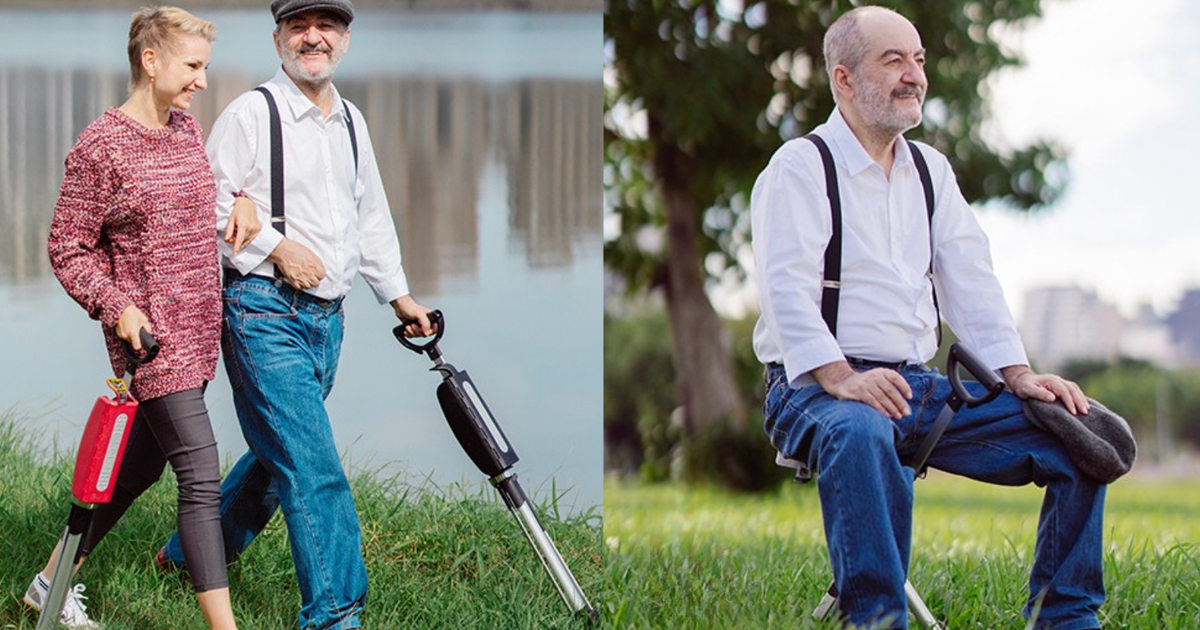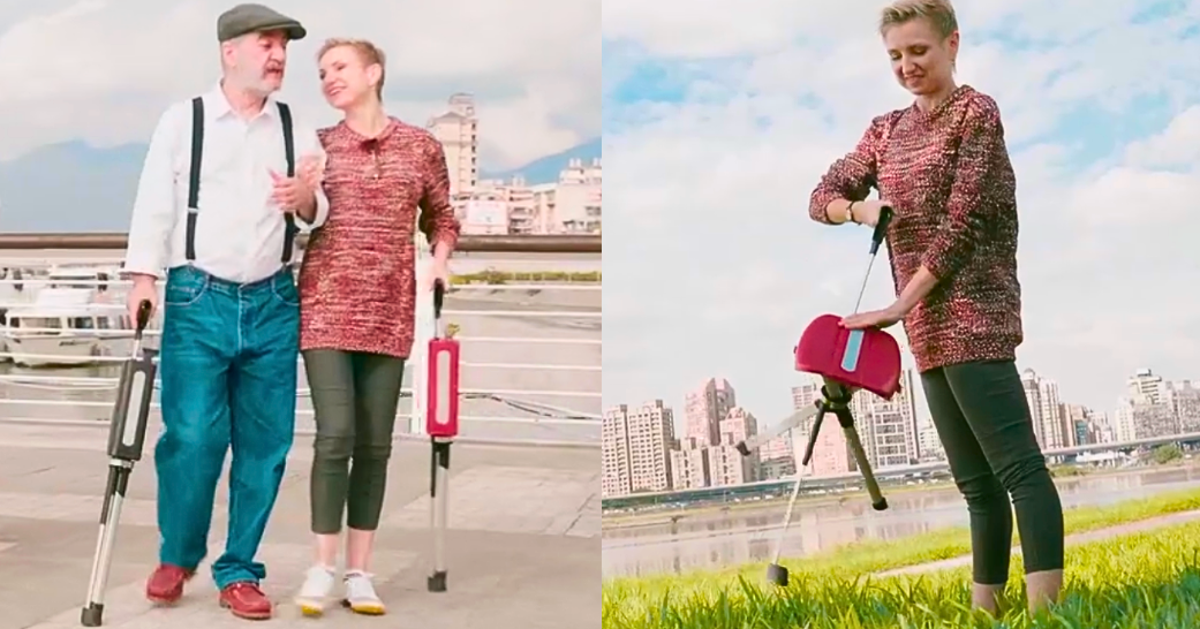
An old man’s "jipang-i," or cane, is more than just a walking aid — it is a companion that supports mobility and offers reassurance. Unlike the double sticks used for skiing or mountain climbing in youth, the cane becomes a trusted partner in later years.
Korea is already a "super-aged society," with 20 percent of its population 65 years old or older. While many retain their health, their mobility — in particular one's ability to walk — is one of the most worrisome concerns in life. The damage of cartilage in the knees or other joints have far more devastating consequences in old age.
After suffering several falls on escalators and stone steps, I came to rely on my canes more than ever, grateful to the orthopedic doctors who helped me recover. Although it's a different situation, which can often reduce quality of life, including the subtle loss of confidence in having to rely on canes, I would like to draw on the items and the memories that my parents have passed on with their canes.
At my octogenarian age, I keep two canes at home, each with its own story. One is a light aluminum cane, golden-white in color, purchased in Los Angeles when my late father visited the United States in the spring of 2002 — the same year he passed away at 88. The other is a goose-foot cane, a special gift presented to centenarians by the nation’s president, which my mother received in 2014 when she celebrated her 100th birthday. She lived to 105, leaving behind this symbolic legacy.