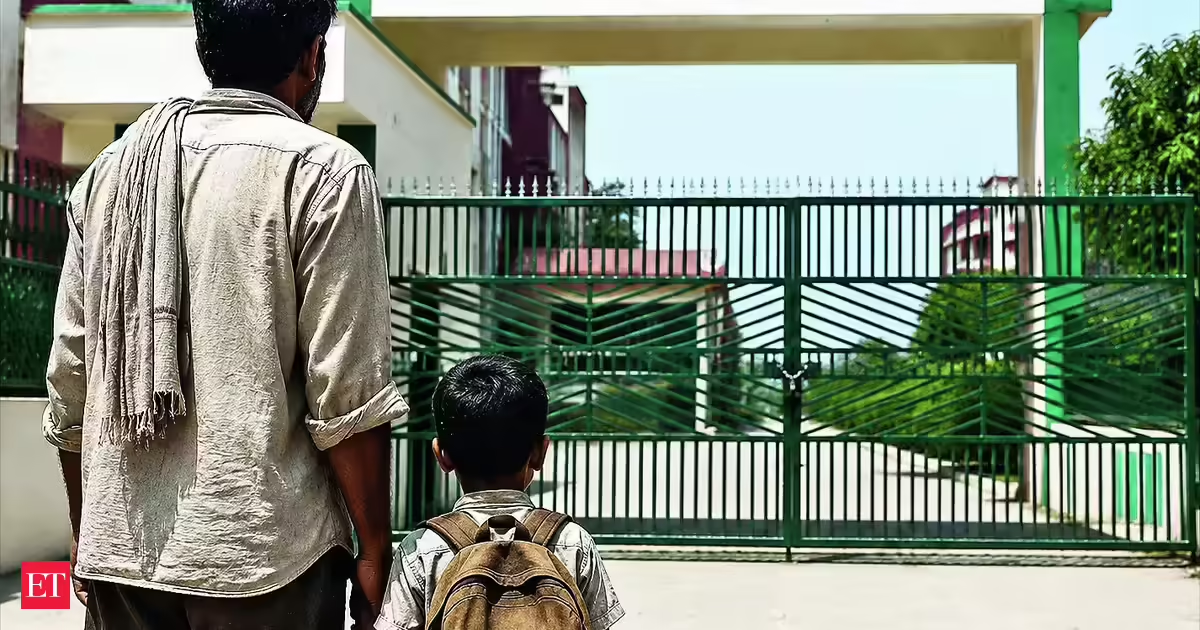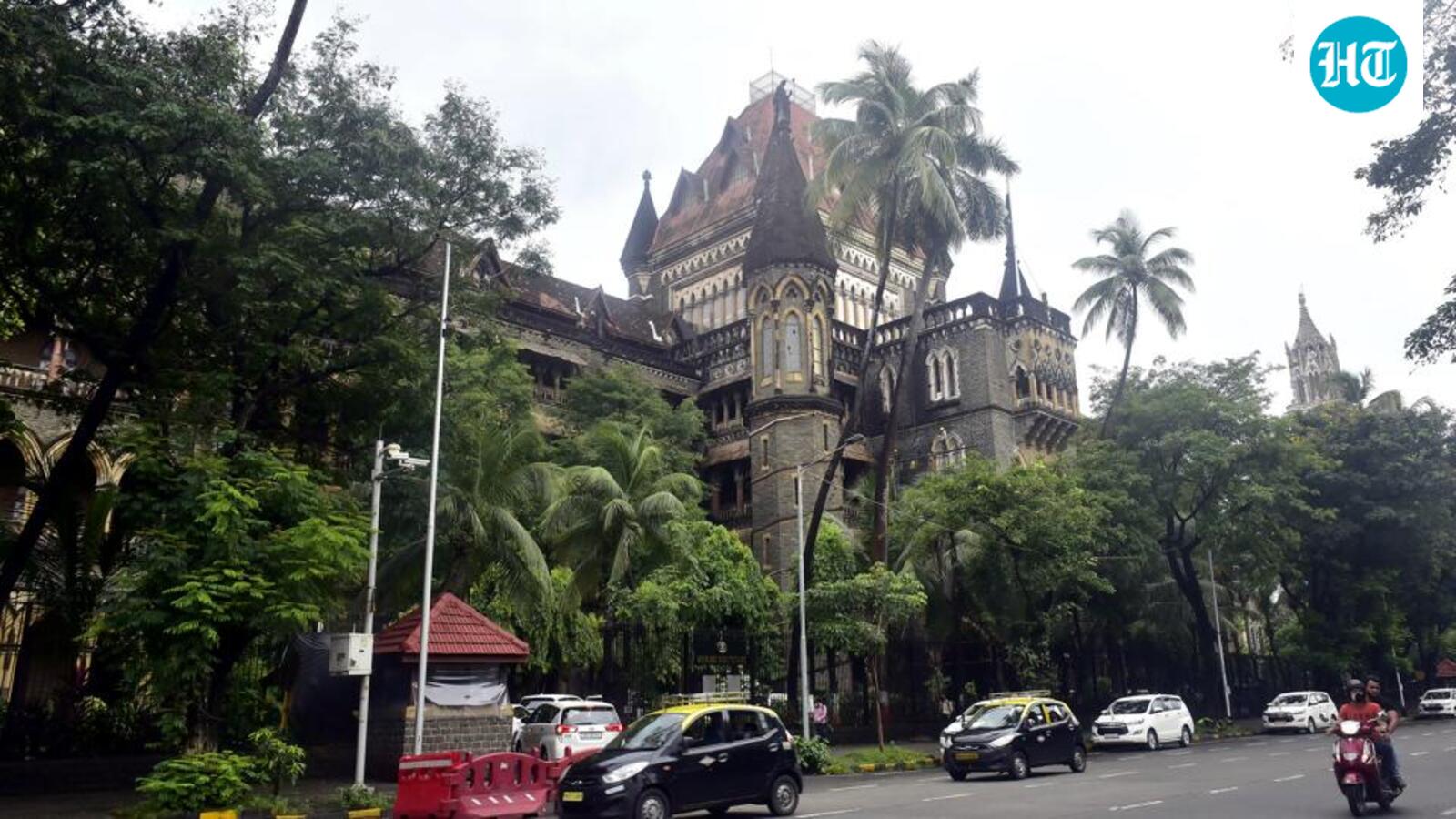
The Union ministry of education has approved central assistance for reimbursement of only 418 students under the Right to Education (RTE) Act for the 2026-27 academic session, sharply reducing the UT administration’s proposal that sought funding for 938 students.The court ruled that 37 private schools operating before 1996 are entitled to full reimbursement from the administration for EWS admissions. (HT File)Section 12(1)(c) of the RTE Act mandates that private unaided schools reserve seats for children from economically weaker sections (EWS), with governments reimbursing schools for eligible admissions.The decision leaves a funding gap of more than 55%, with the Centre recommending ₹169.79 lakh against the Union territory’s demand of ₹391.80 lakh under the Samagra Shiksha scheme. The reduction has been recorded in the Project Approval Board (PAB) minutes of Samagra Shiksha, the Centre’s flagship programme for school education from pre-school to Class 12. According to the PAB document, the approved allocation has been calculated on the basis of actual reimbursements made in the past to 51 private schools, using Chandigarh’s notified unit cost of ₹4,062 per child.Explaining the wide gap between the proposed and approved amounts, UT director school education (DSE) Nitish Singla said the administration and the Centre differed over the entry point for reimbursement under Section 12(1)(c) of the RTE Act. “We had proposed reimbursement from the entry class, which includes pre-primary levels.However, the PAB has approved the budget only for students from Class 1 onwards, in line with its existing norms,” Singla said.The latest funding decision comes against the backdrop of an ongoing dispute between the UT administration and private unaided schools over reimbursement of EWS admissions and the interpretation of land allotment conditions.The disagreement stems from a Punjab and Haryana High Court judgment that drew a distinction between schools established before and after 1996.The court ruled that 37 private schools operating before 1996 are entitled to full reimbursement from the administration for EWS admissions.There are 83 schools operating within Chandigarh. Among these, 50 (37 are private unaided non-minority schools and 13 are unaided minority schools) were allotted land before 1996, and the remaining 33 schools, inclusive of both unaided minority and private non-minority schools, were allotted land after 1996.For schools set up on land allotted after 1996, the court held that they can charge only a nominal fee for a fixed 15% EWS quota, with the administration bearing the cost for admissions beyond that quota.The UT administration has challenged the ruling and filed an appeal. It has maintained that its liability should be restricted to reimbursement for only 10% of the total EWS seats until the matter is finally decided by the courts.The issue has also led to mounting complaints from private schools over delays in reimbursement.School associations have repeatedly alleged that dues for the past two academic years remain unpaid, affecting their finances. Despite the pending payments and continuing legal battle, private schools have not halted admissions under the EWS category. Representatives of private school associations said institutions have continued admitting eligible students for the current academic session to ensure that children are not affected by the reimbursement dispute. At the same time, they have reiterated their demand for timely release of pending dues.
Amid EWS reimbursement row, Centre halves Chandigarh’s RTE funding proposal
Section 12(1)(c) of the RTE Act mandates that private unaided schools reserve seats for children from economically weaker sections (EWS), with governments reimbursing schools for eligible admissions
528 words~2 min read