Audio By Vocalize
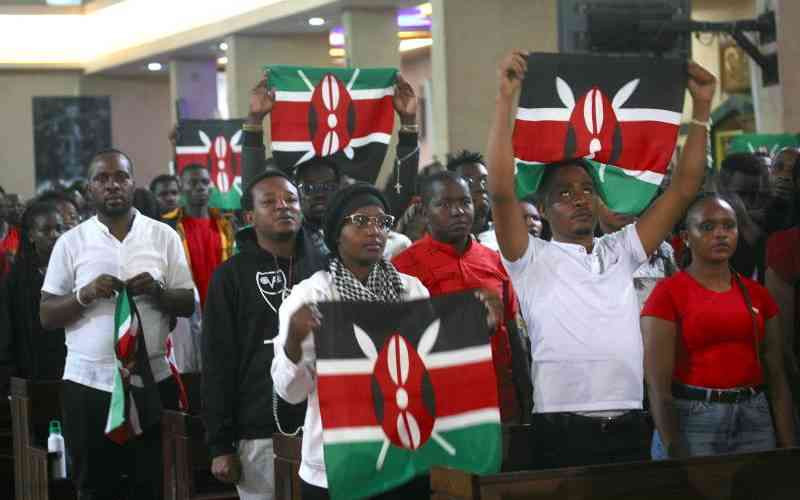
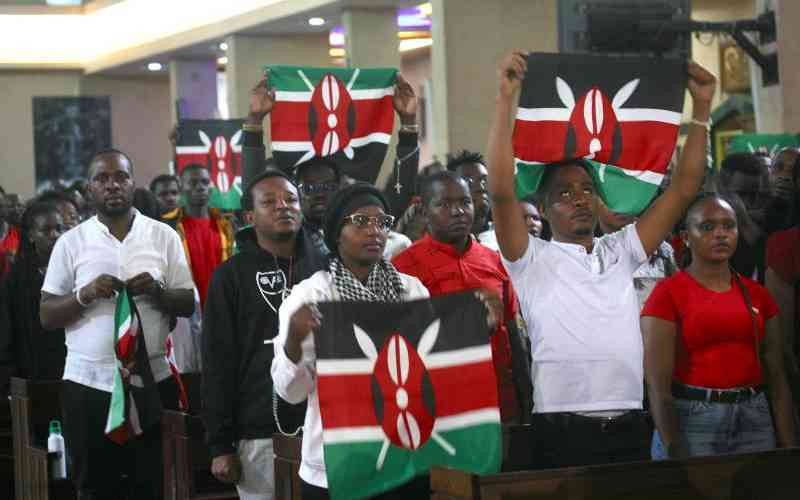
Members of Generation Z during special Saba Saba day prayers at Holy Family Basilica in Nairobi to commemorate the lost lives in the struggle to make Kenya a better country. [Denish Ochieng, Standard]
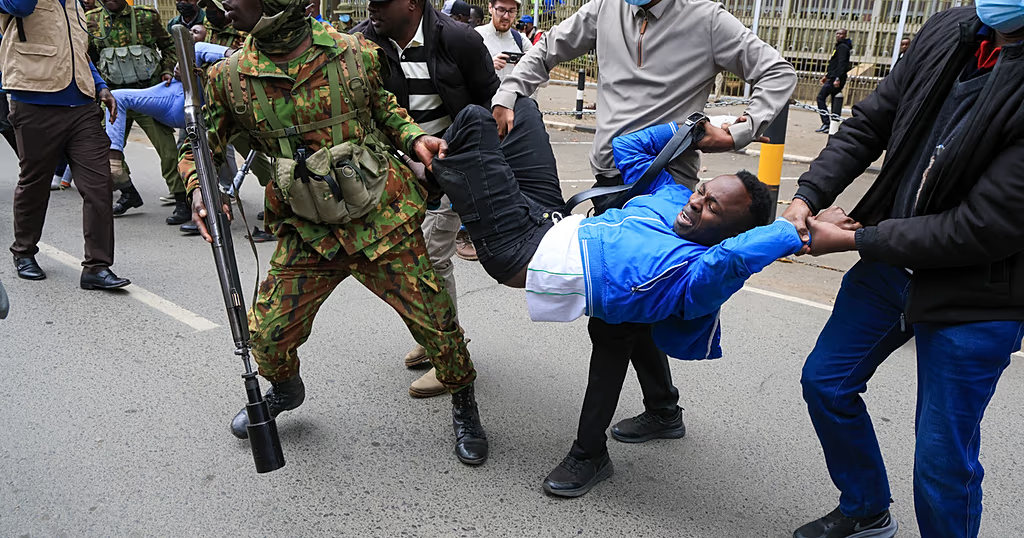
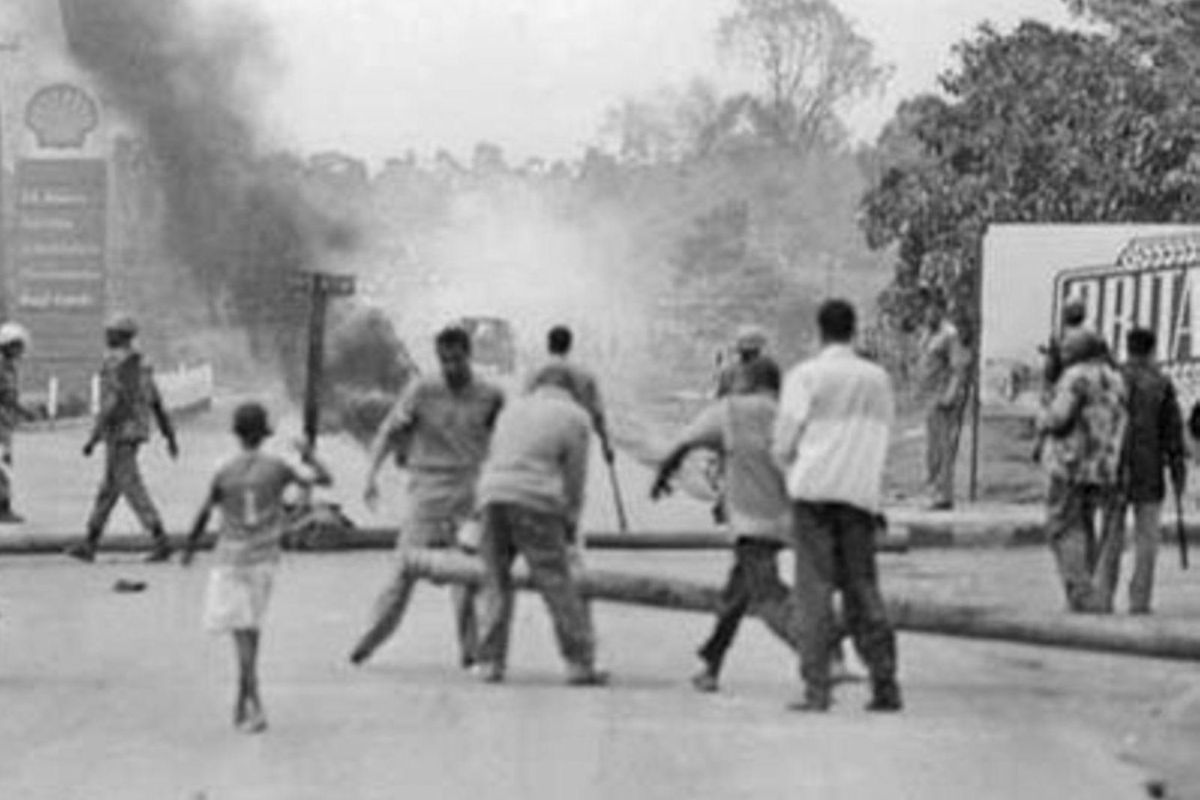
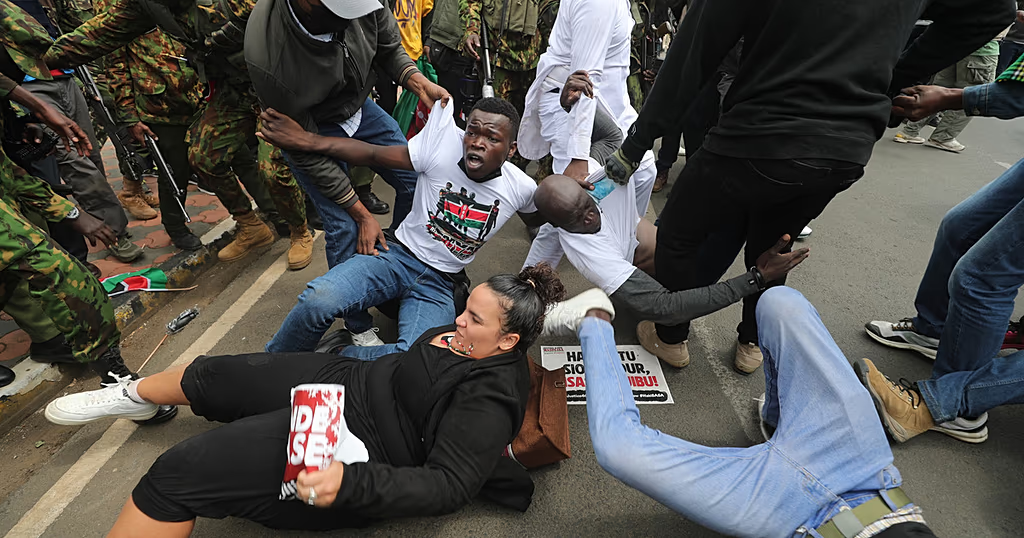
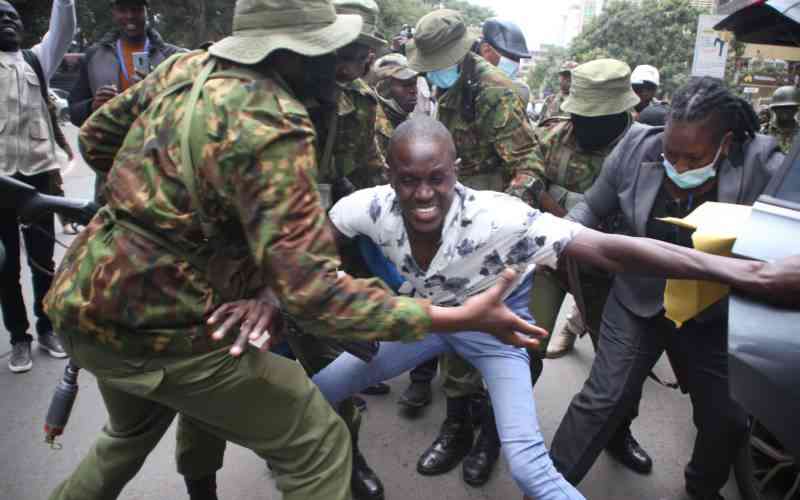
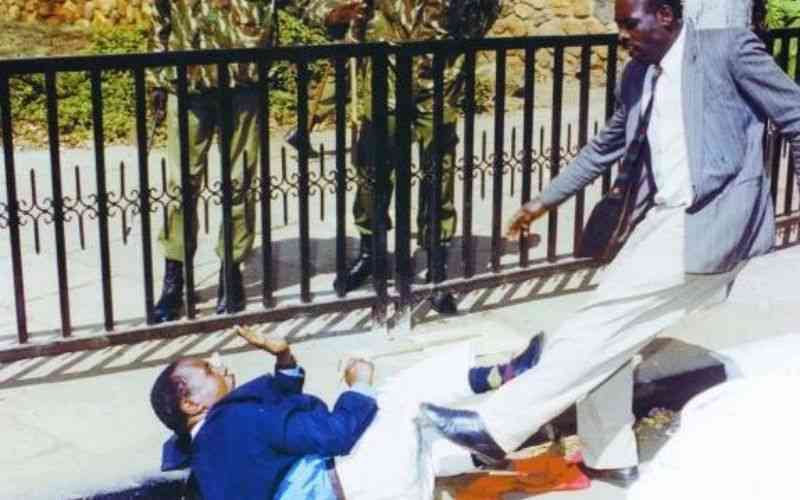
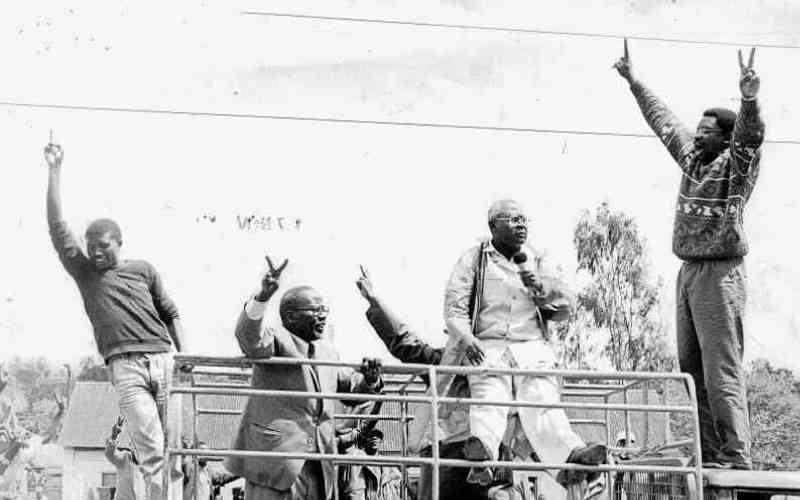
Every year on July 7, Kenya commemorates Saba Saba Day, the day in 1990 when thousands of Kenyans took to the streets demanding an end to one-party rule and the restoration of multiparty democracy. As is the case to this day, the demonstrations were met with police brutality, mass arrests, and deaths. Yet despite the violence, and the fact that the demands of the day were not to be met immediately, Saba Saba became a defining moment in Kenya's democratic history, laying the foundation for constitutional reforms that many believed would finally dismantle authoritarian rule. For years, Saba Saba Day has been commemorative as the demands of 1990 were eventually met. Thirty-six years later, however, the government is once again increasingly treating public dissent as a security threat rather than a democratic right. The parallels between 1990 and today are difficult to ignore. While the political actors have changed and the language of governance has become more sophisticated, the State's instinctive response to public criticism remains remarkably consistent. In fact, it can be argued that the conditions today are worse, given that surveillance technologies and the weapons used during protests have improved.