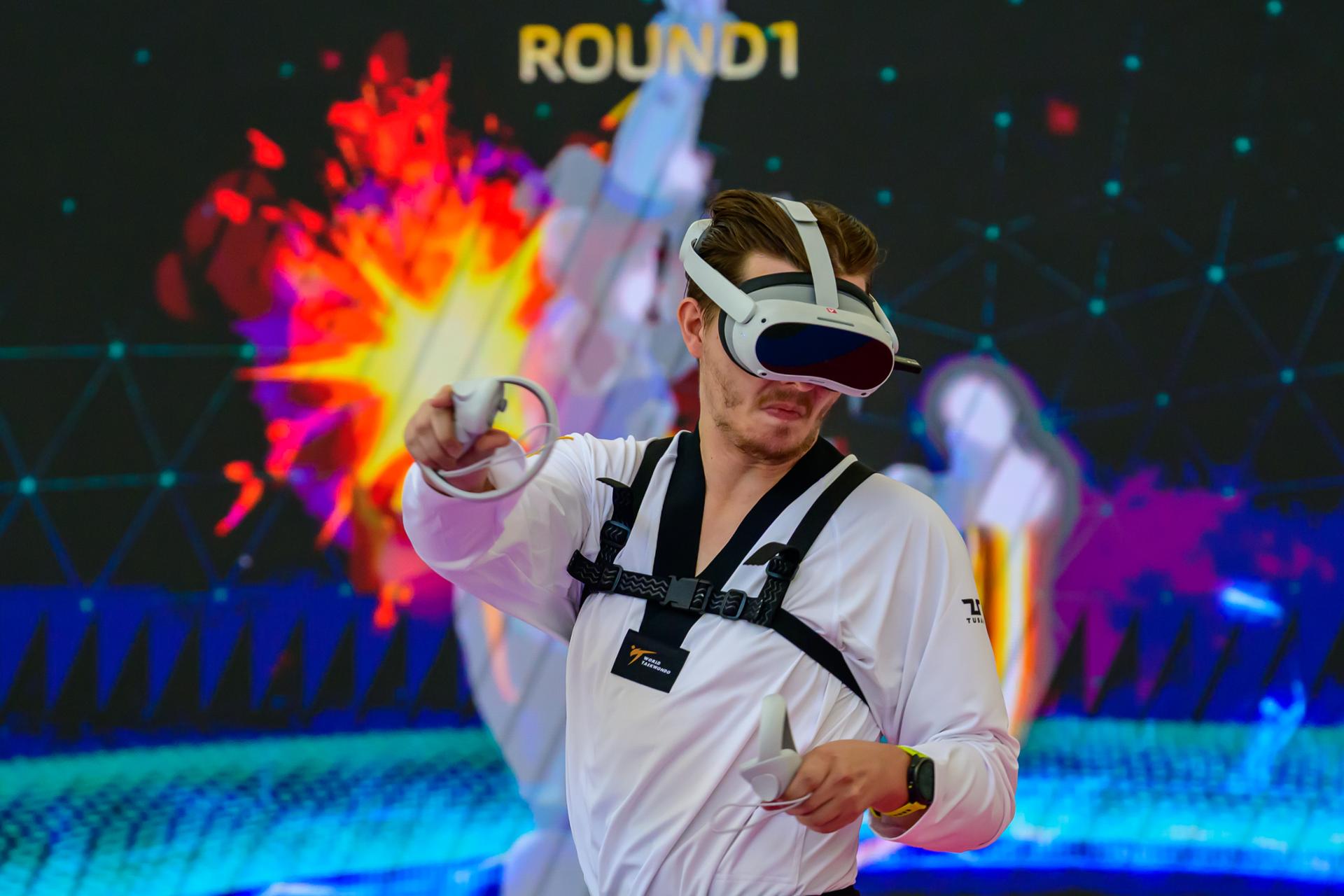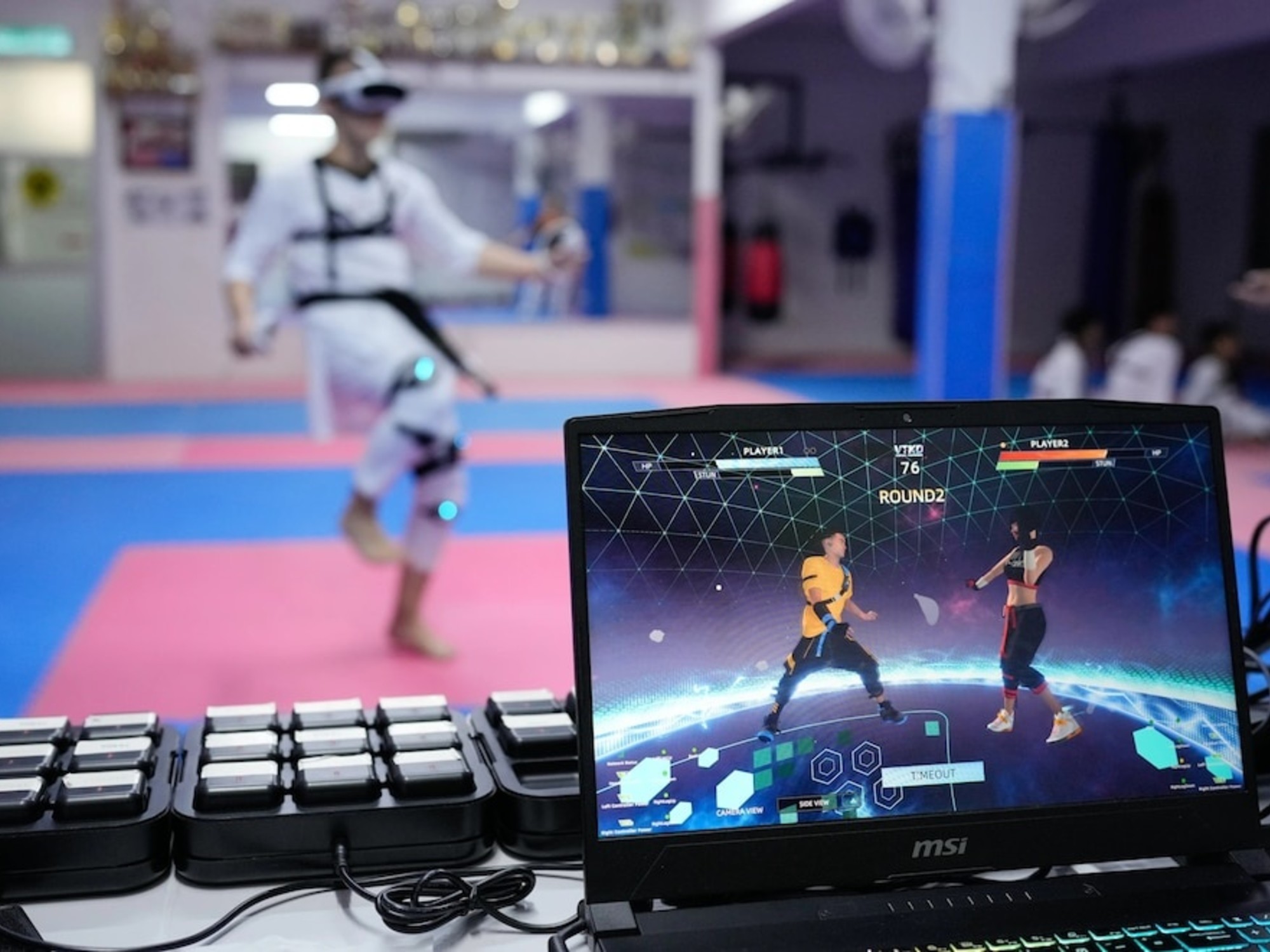
KUALA LUMPUR, Malaysia (AP) — When Vietnamese athlete Nguyen Thanh Hien Linh stepped into her first virtual taekwondo competition in Singapore in 2024, she had little idea what she was doing.“I was just kicking into the air,” recalled the 21-year-old. Despite her background as an elite national taekwondo champion, she struggled in the virtual arena with no clue on strategy, skills or how the technology worked.Two years later, she won a gold medal at a recent virtual taekwondo competition in Malaysia and was part of a growing community of the gamified combat sport across Southeast Asia.Once unfamiliar and experimental, virtual taekwondo is now emerging as a structured competitive discipline. Co-developed by World Taekwondo and Singapore-based technology company Refract Technologies, it combines virtual reality technology with traditional taekwondo techniques to woo tech-savvy young athletes.
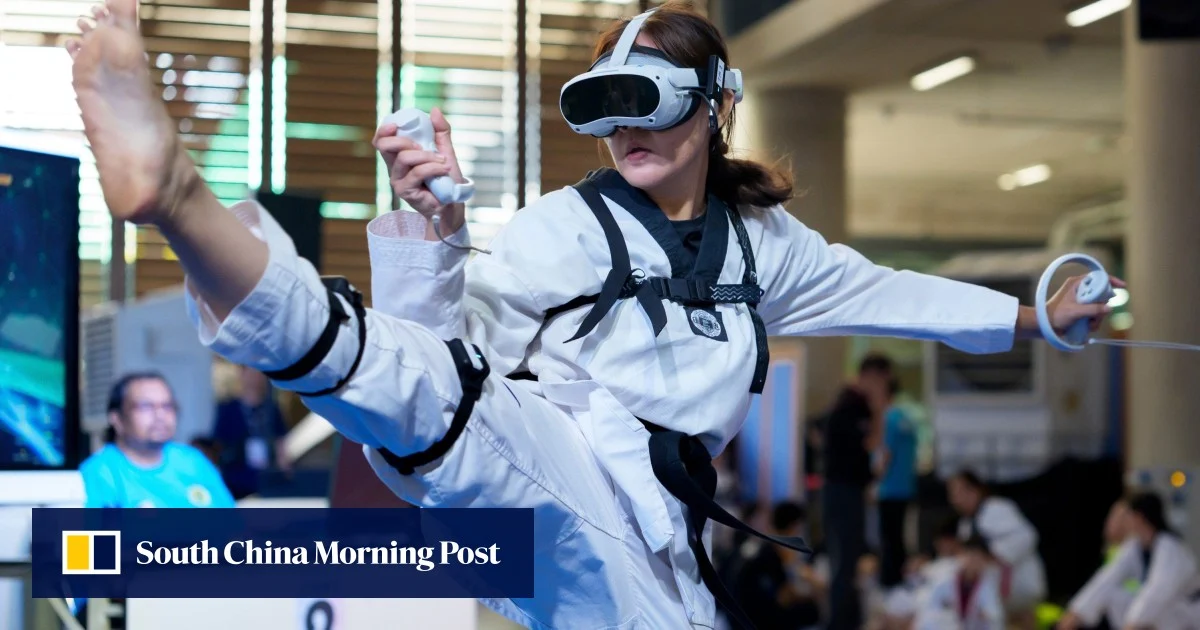
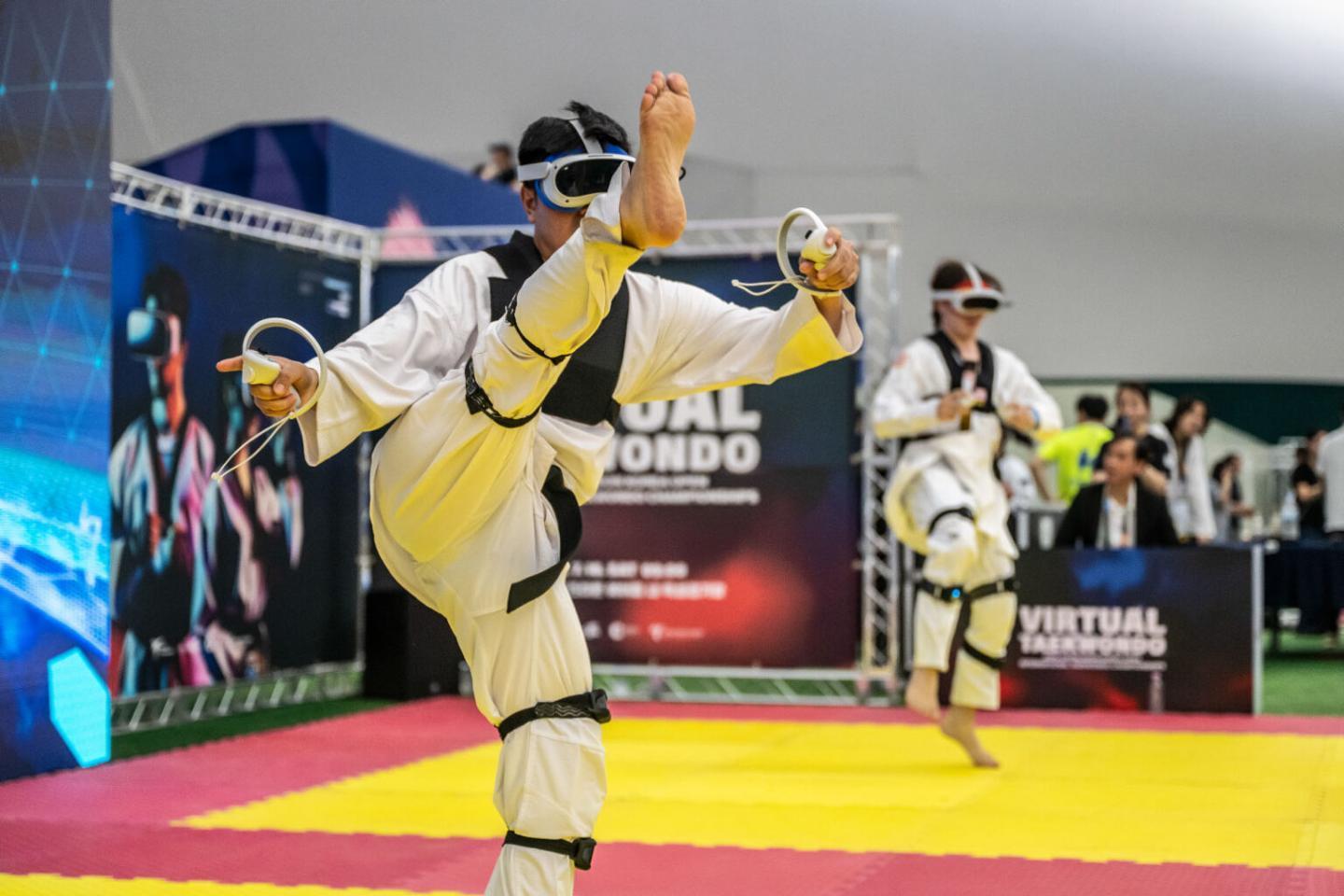
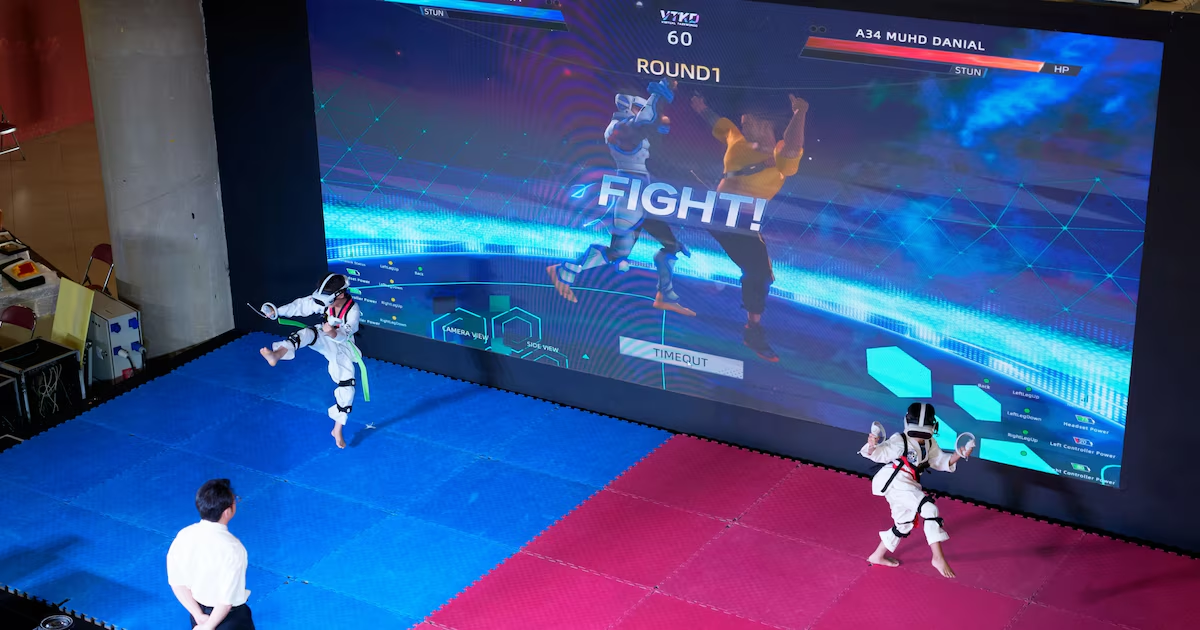
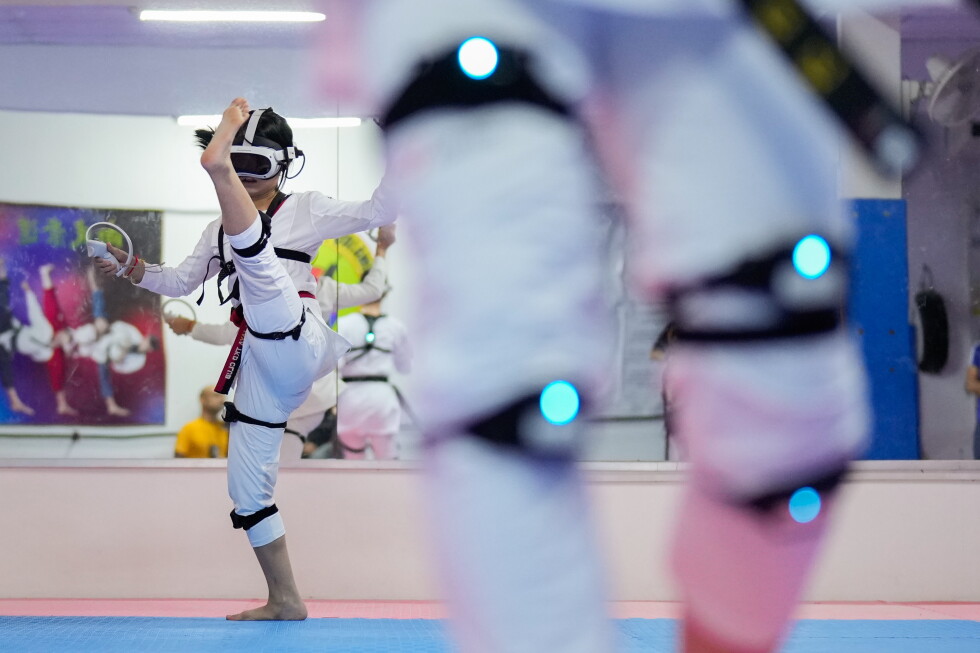
Competitors wear VR headsets that transport them into a digital 3D arena, and strap motion-tracking sensors on their spine, thighs and shins. They use their bodies to control digital avatars in noncontact virtual matches, where every fast and well-timed strike depletes the opponent’s virtual health bar.