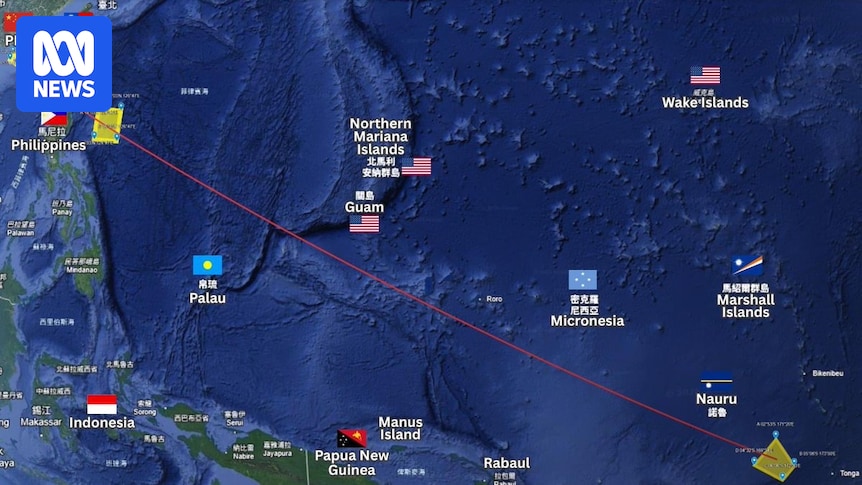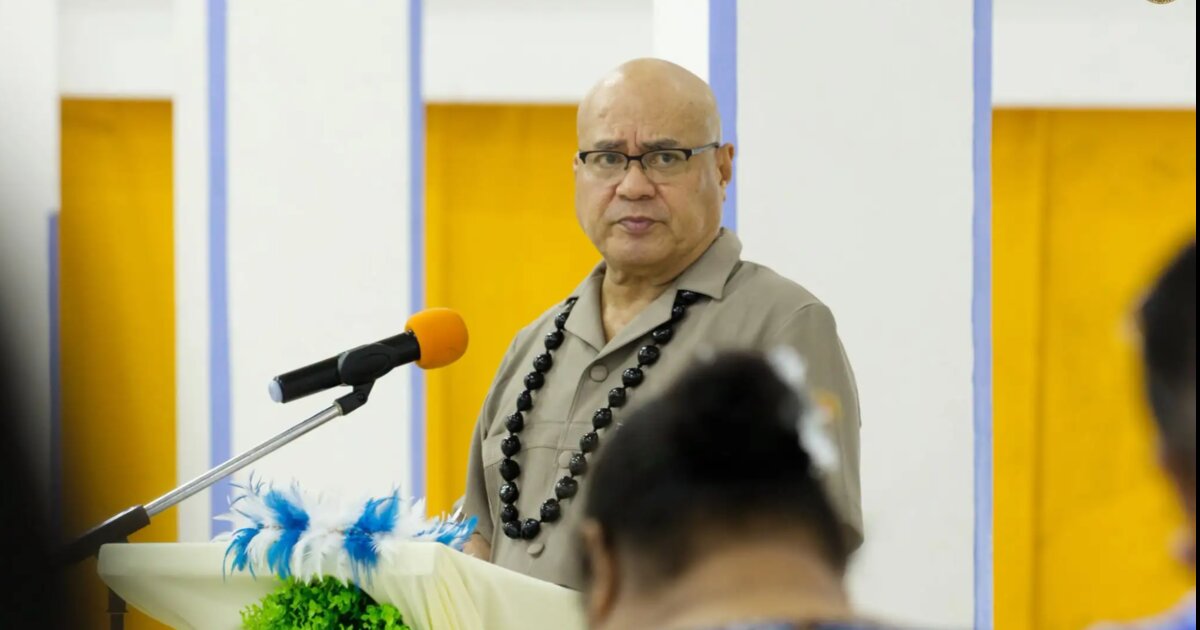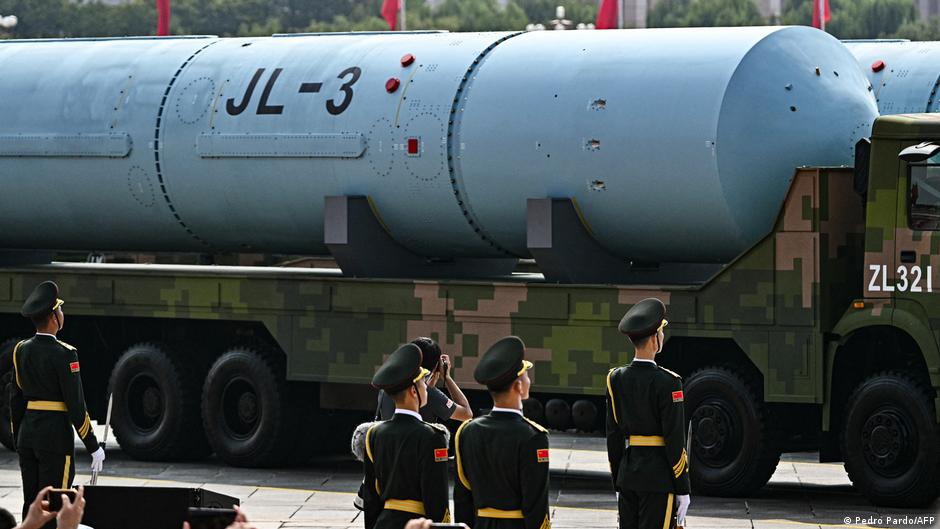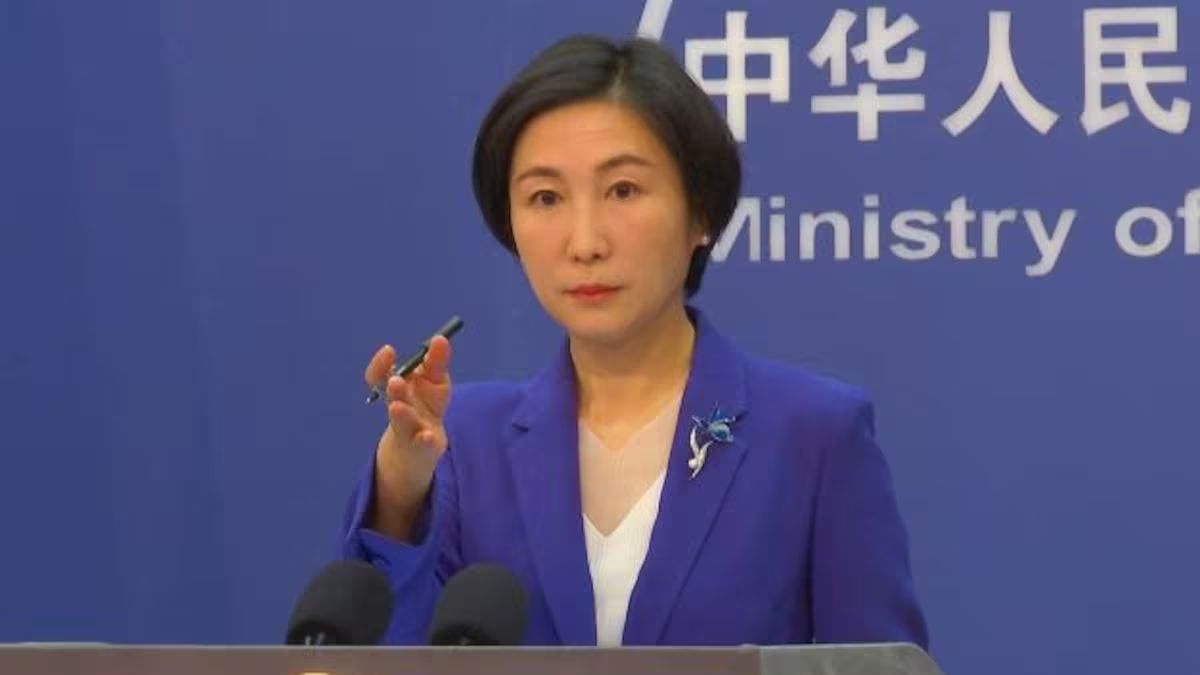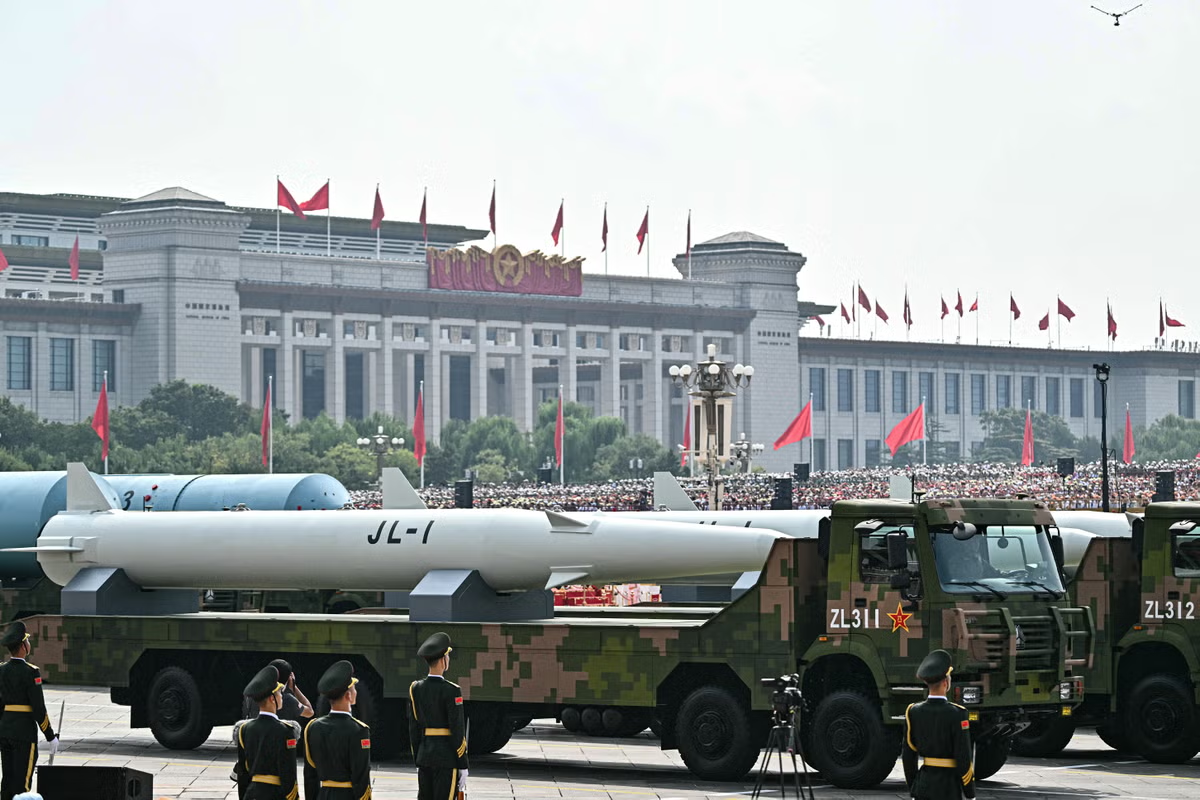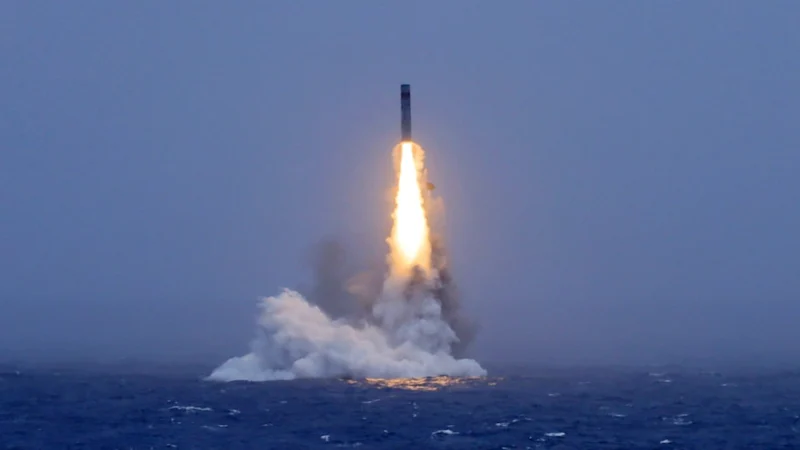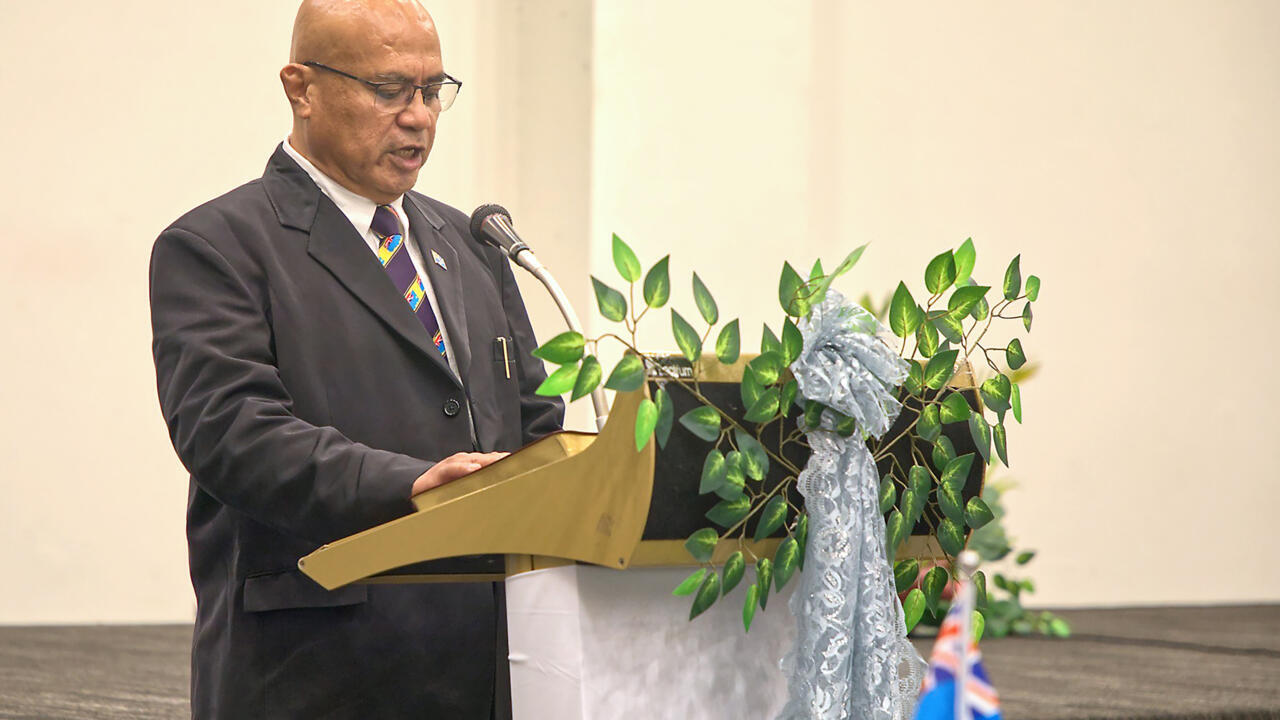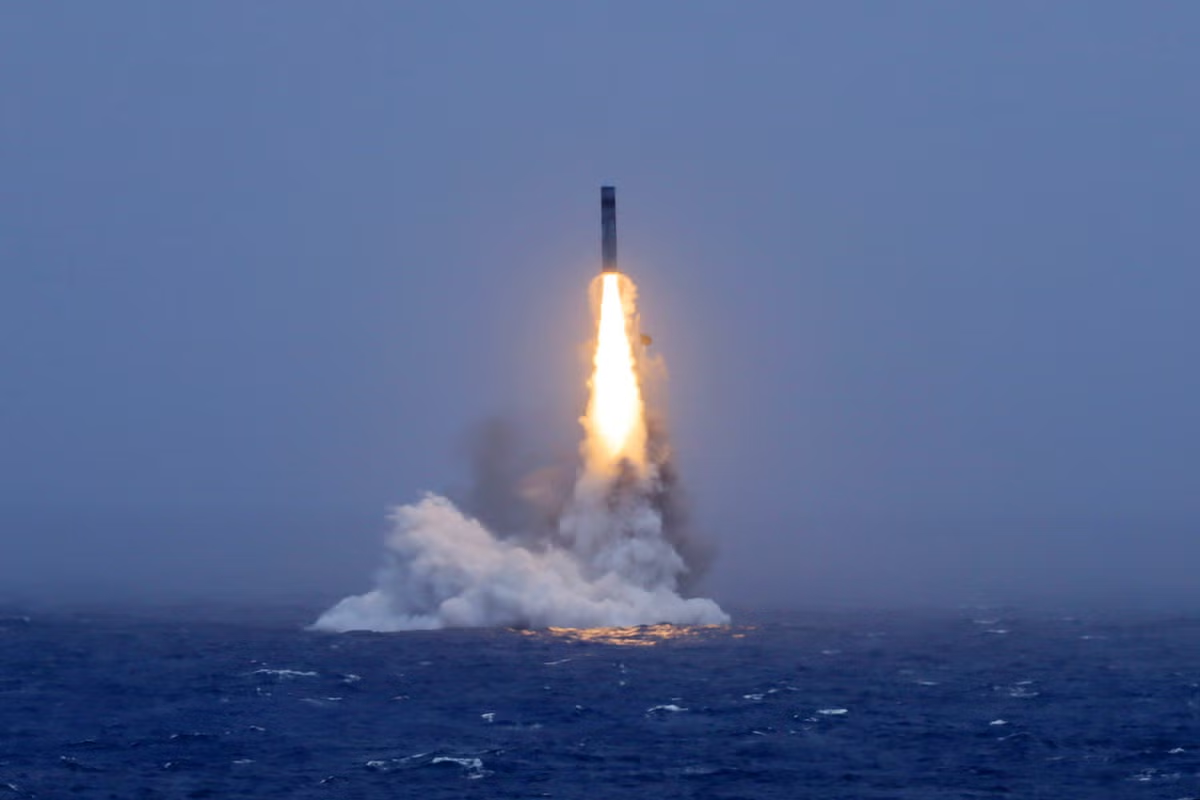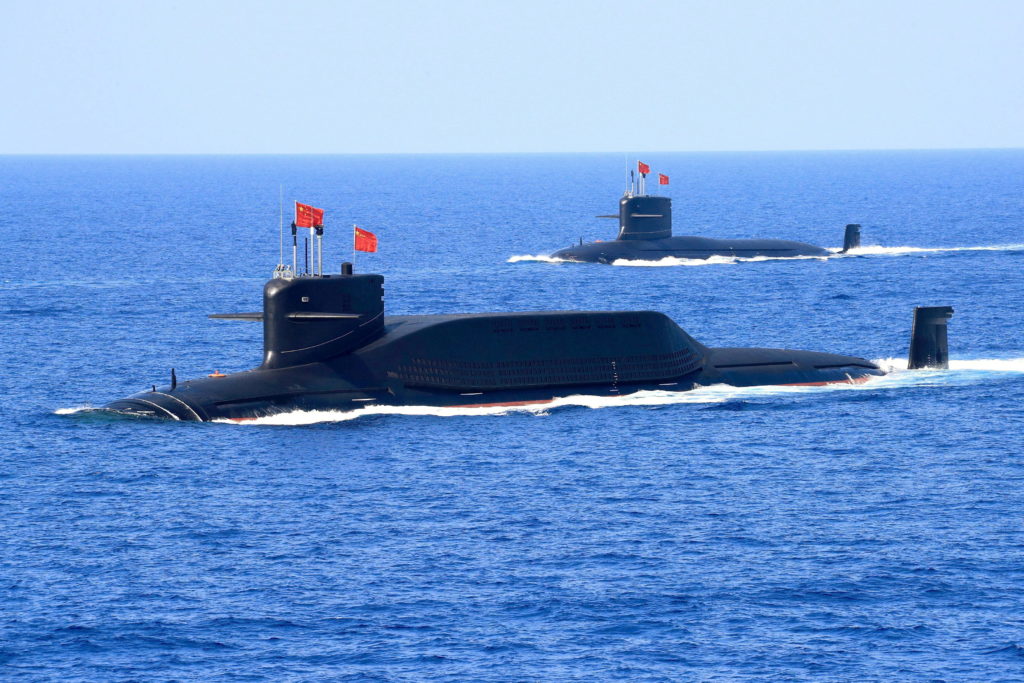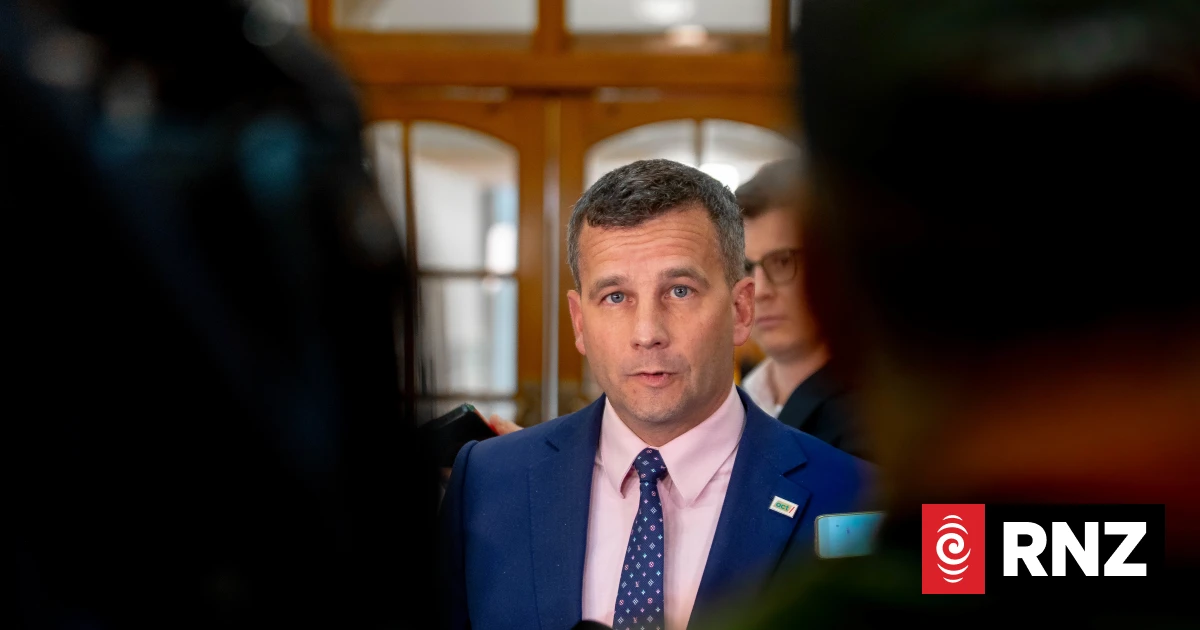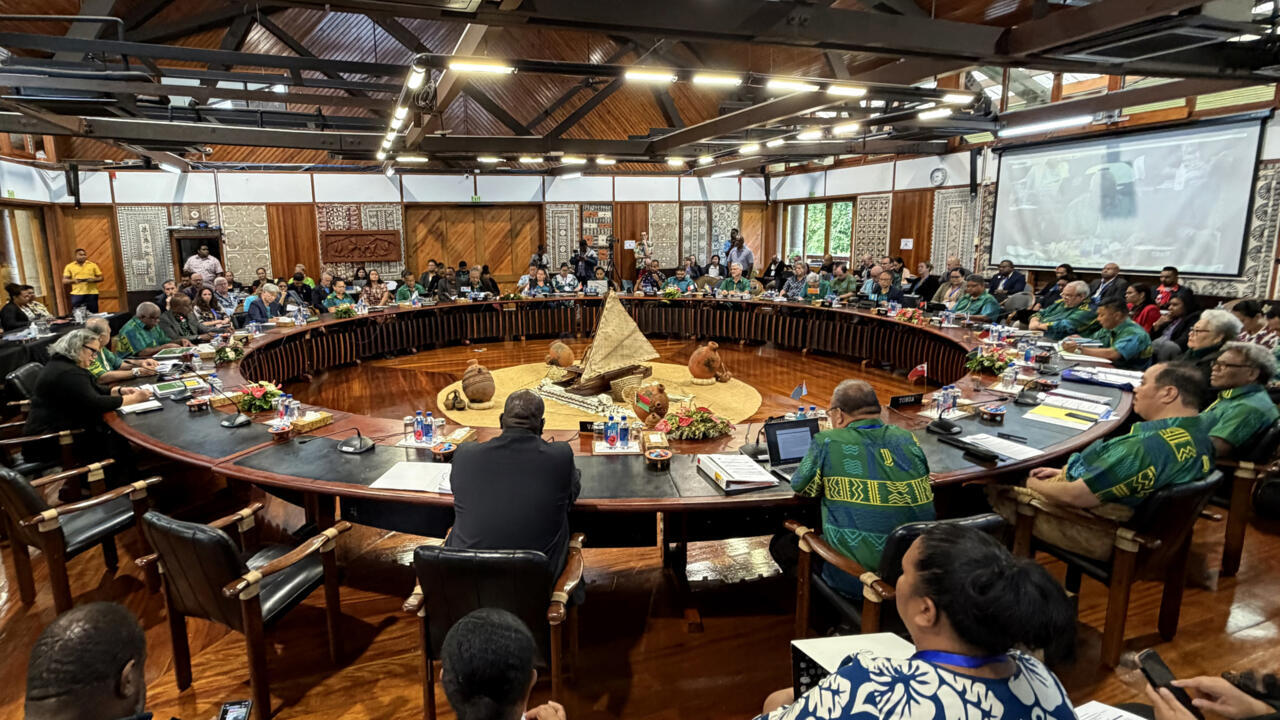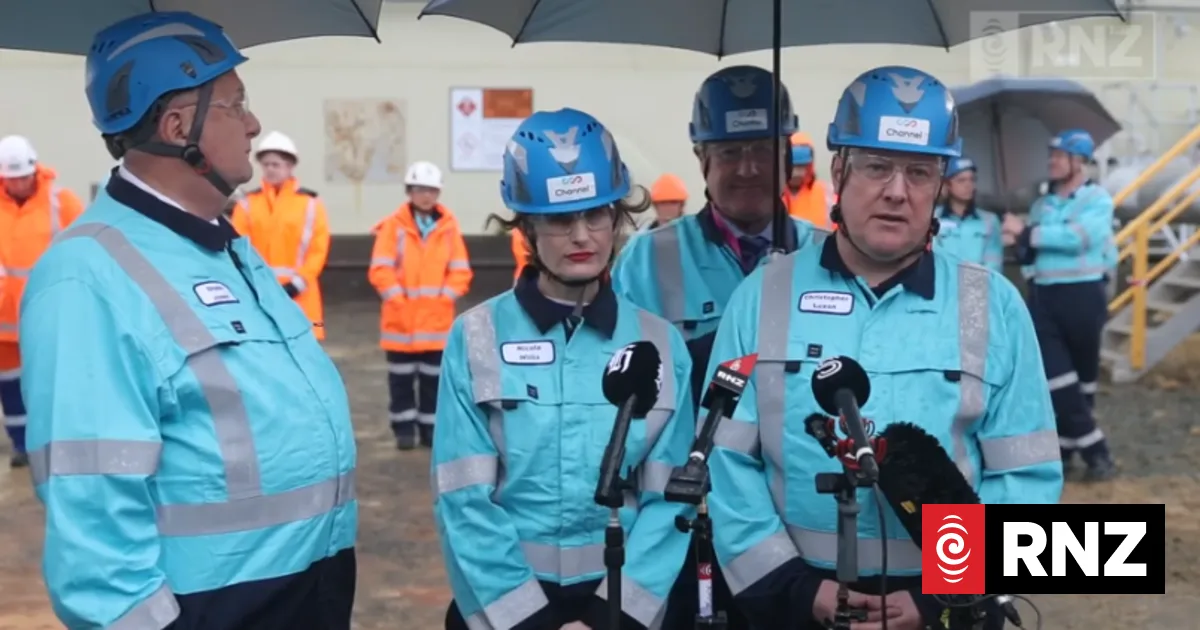
The Prime Minister says it's unacceptable China has tested nuclear-capable weapons in the Pacific, and the government's expressed its concerns directly.On Monday, China test-launched a long-range ballistic missile with a dummy warhead.RNZ understands the missile flew over the Exclusive Economic Zones of the Federated States of Micronesia, Nauru, Tuvalu and Kiribati, and landed in waters near Tuvalu and Kiribati.Luxon said that was unacceptable, unwelcome and concerning."This is an intercontinental ballistic missile test, the second that we've seen in recent years, having not had one in the region for 40 years, from China," he said."We are living in a region that is proudly nuclear free ... we don't want to see increasing militarisation in our region."China's activity was legal, but inconsistent with Pacific values and the region would strongly push back against it, Luxon said."We have expressed our concerns [with China] very directly and very clearly," he said.The missile firing came shortly after a new defence treaty was signed between Australia and Fiji.Luxon said he had spoken with both countries' Prime Ministers about the agreement and Cabinet was discussing whether New Zealand might join it.Cabinet was very interested in exploring participation but there was a way to go yet, given it had only just been signed, Luxon said.Chinese foreign ministry spokesperson Mao Ning.Johannes Neudecker / dpa Picture-Alliance via AFPChina says it has acted legallyChina insists the test missile test it carried out was a routine arrangement and consistent with international law.While a Chinese foreign ministry spokesperson said, "we hope relevant countries will not read too much into it", Foreign Affairs Minister Winston Peters described the launch as being "at odds with the spirit and intent" of the Pacific.Chinese foreign ministry spokesperson Mao Ning told a press conference in Beijing the test was a "routine arrangement" in China's annual military training programme."It is consistent with international law and customary international practice and is not directed at any specific country or target," she said.Asked by AFP whether she had any response to the criticism from countries like New Zealand, Japan, and Australia, Mao repeated her earlier comment, but added the countries concerned were informed prior to the launch."The whole process was safe, standard and professional. We hope relevant countries will not read too much into it."But on Monday, Peters said while New Zealand had been informed, China carried out the test "within hours".Peters said the Pacific was an Ocean of Peace, and the launch was "not consistent" with regional stability and peace in the South Pacific.Foreign Affairs Minister WInston Peters.RNZ / Samuel Rillstone"This missile was fired into the South Pacific Nuclear Free Zone established by the Treaty of Rarotonga. China's action goes against the object and intent of that Treaty."RNZ understands the missile test warning from China was delivered to Ministry of Foreign Affairs and Trade officials by Chinese embassy officials in Wellington and likewise, in Beijing, New Zealand's defence attaché was notified by Chinese counterparts.Upon receiving the warning, New Zealand immediately relayed its concerns to both the embassy in Wellington and officials in Beijing.However, the test went ahead a short time later.Peters is in Singapore and flies to Japan later on Tuesday.He will meet with Japan's Defence Minister Shinjiro Koizumi and Foreign Affairs Minister Toshimitsu Motegi on Friday, where the China missile testing is expected to be front and centre of their talks.Labour leader Chris Hipkins said the test was unwelcome."That's a very concerning development. We want to see the Pacific stay an ocean of peace, and China's testing of their ballistic missile capability in the Pacific is very unwelcome."US monitored test launchThe United States Department of State issued a statement saying it had kept an eye on the test launch.It was steadfast in its defence commitments to allies and partners, said spokesperson Thomas Pigott."At a time when the United States is working harder than ever to prevent nuclear proliferation, China is doing the opposite," he said."Beijing's rapid and opaque nuclear weapons buildup is of great concern to the region and the world."We continue to urge China to engage in meaningful arms control discussions and commit to a regularized notification arrangement for all intercontinental-range ballistic missile and space launches consistent with commitments made by all other P5 members."P5 refers to the five permanent members of the United Nations Security Council: China, France, Russia, the United Kingdom, and the United States.
China's missile test in South Pacific 'incredibly unwelcome', PM Luxon says
The Prime Minister says it's unacceptable China has tested nuclear-capable weapons in the Pacific, and the government's expressed its concerns directly.
718 words~3 min read