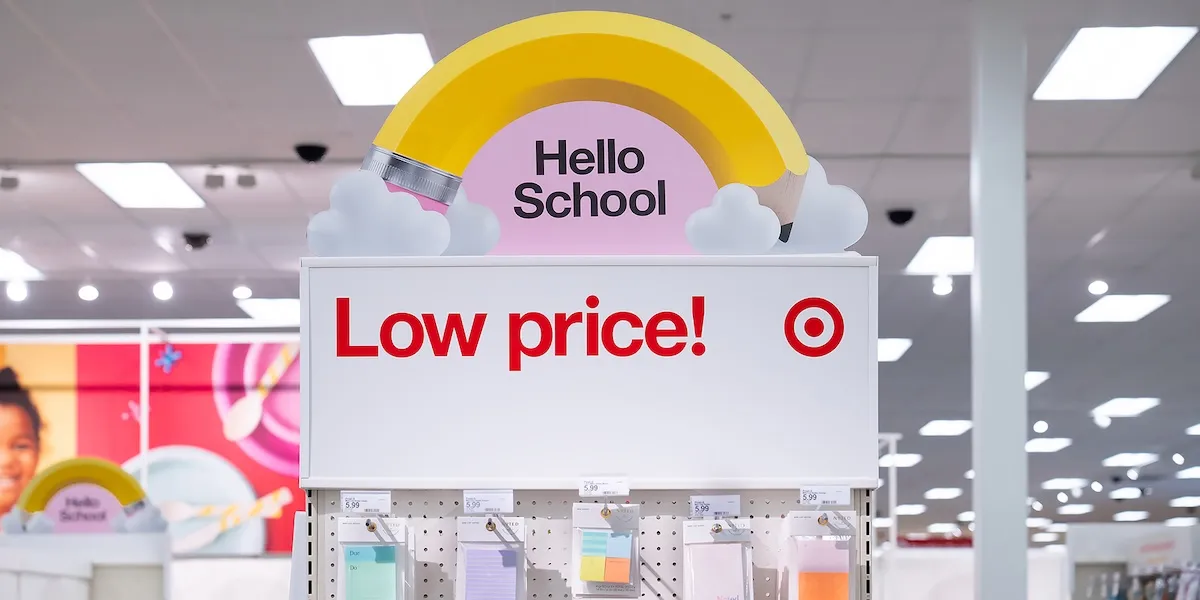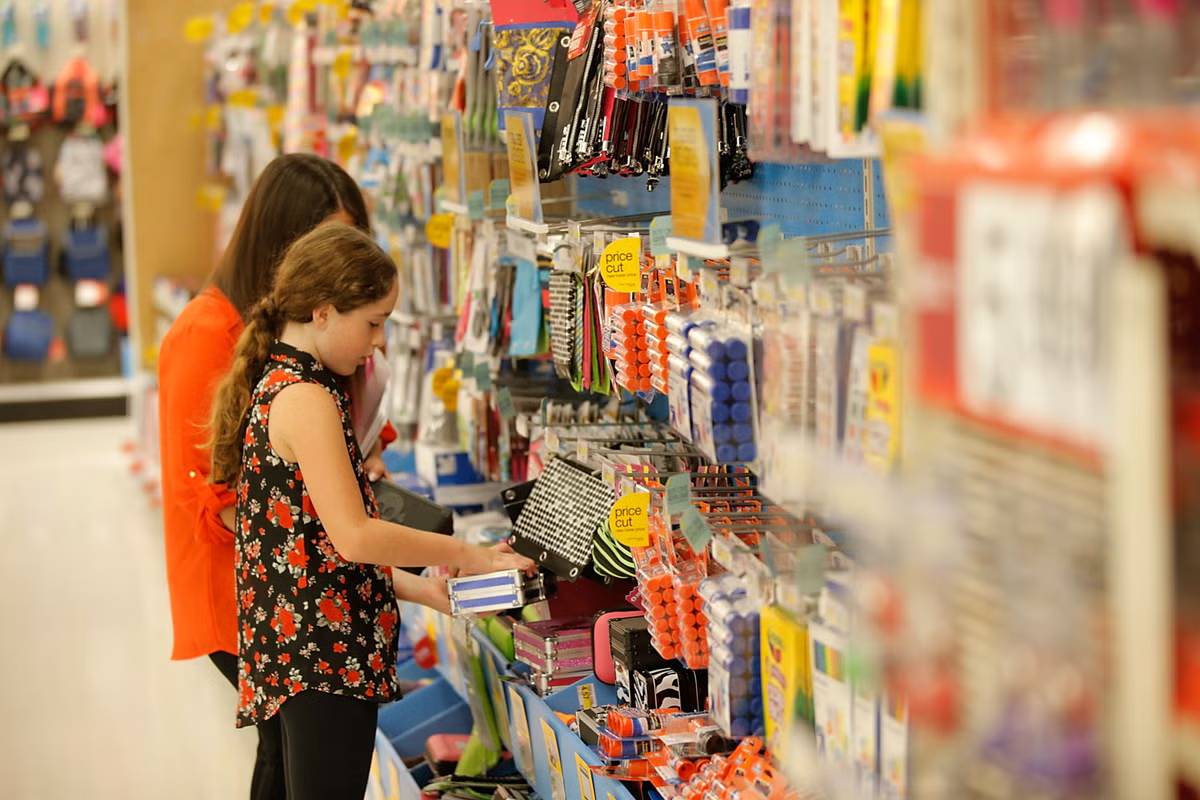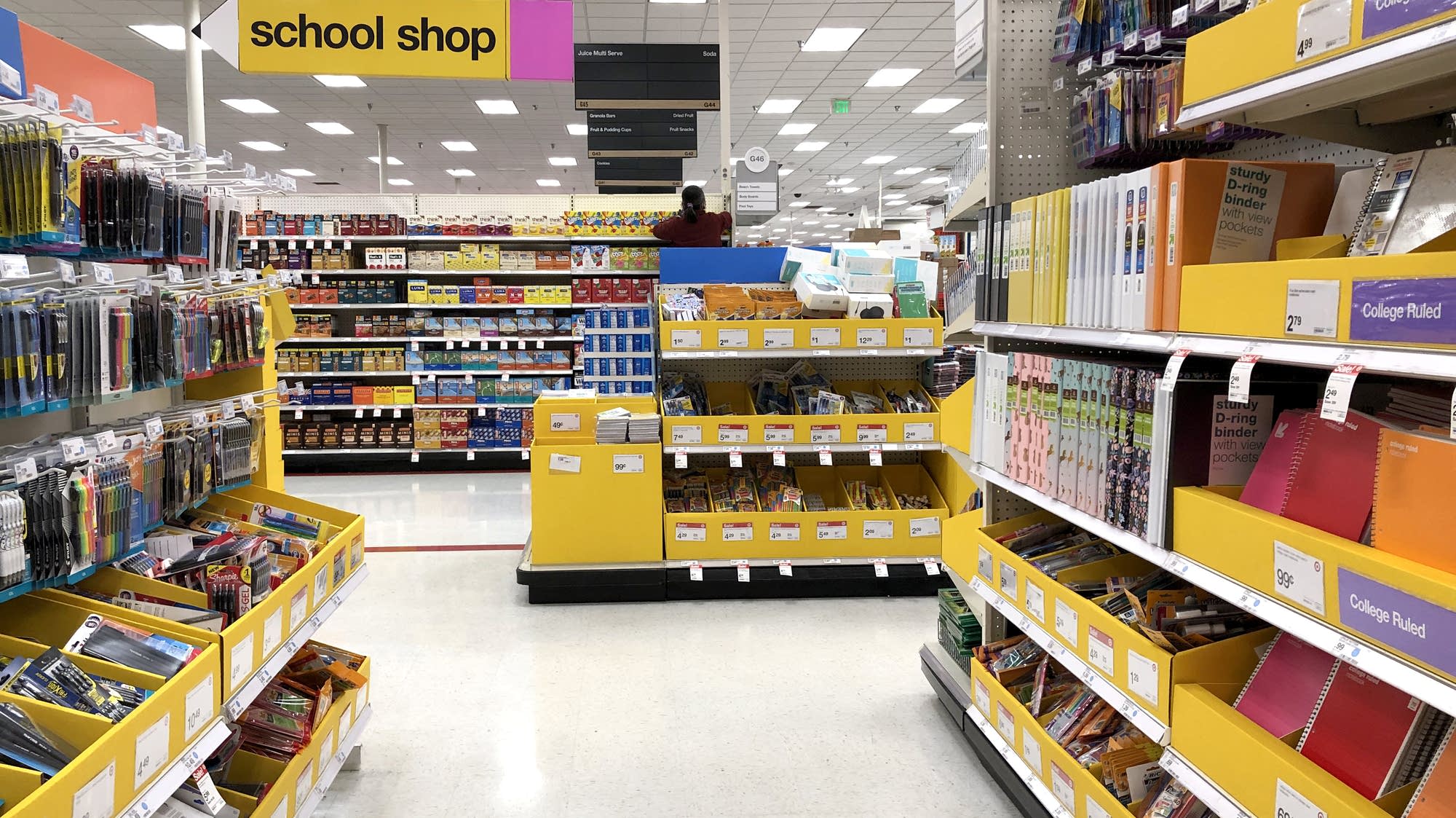
It’s back-to-school season, at least if you ask big box retailers. Target, Walmart, Amazon, and others are rolling out sales earlier than usual this year. Families expect to spend $922 on school supplies in 2026, according to PwC. It’s possible that financial anxiety could be shifting companies’ promotions — and consumers’ buying patterns. During a Sunday Target run, Kristin Diehl kind of couldn’t believe what she saw on display: colored pencils, binders, and backpacks.“I was surprised to see already the back-to-school when we, you know, I think most of us are just happy that we’re just out of school,” she said.Diehl is a marketing professor at the University of Southern California’s Marshall School of Business. She said sales patterns have shifted over the last handful of years. Everything is starting earlier. “Christmas promotions before Thanksgiving and Thanksgiving before Halloween and those things,” she said.It wasn’t always this way. Companies first started pushing early buying during the pandemic, when broken supply chains threw retail inventory into chaos. Consumers seemed happy to shop early and buy more. Brittany Steiger, a retail and ecommerce analyst at Mintel, said the sales trend really cemented when tariffs came into play.“That really triggered an early shopping mentality for parents really trying to get ahead of those price increases,” she said.At this point, Steiger said, it seems like one sale blends into the next. “And as it’s stuck around, it’s kind of evolving into this sort of ‘always on’ shopping mentality,” she said.Always on. Because there’s always an event to prepare for, and life is getting more expensive. Kristina Durante, a professor of marketing at Rutgers University, said inflation — which is at its highest level in three years — is causing serious anxiety for shoppers. “It’s so uncertain that we don’t know how it’s going to play in. And because we want to have control over not just our budget but our lives we’re really sensitive to any sort of cue,” she said.Durante ran studies on how stressors change buying habits. She said some people really locked in — they kept a tight budget and maybe even hoarded money. Others?“They were really likely to do impulse purchases on, like, new clothes. Anything that might help them feel more control over what’s currently stressing them out,” she said.Durante said the part of our brain that tells us to eat chocolate is the same part of our brain that tells us to shop.
Anxiety is driving some of our early back-to-school shopping
It’s early July, but already big box retailers are pushing their school supplies.
405 words~2 min read