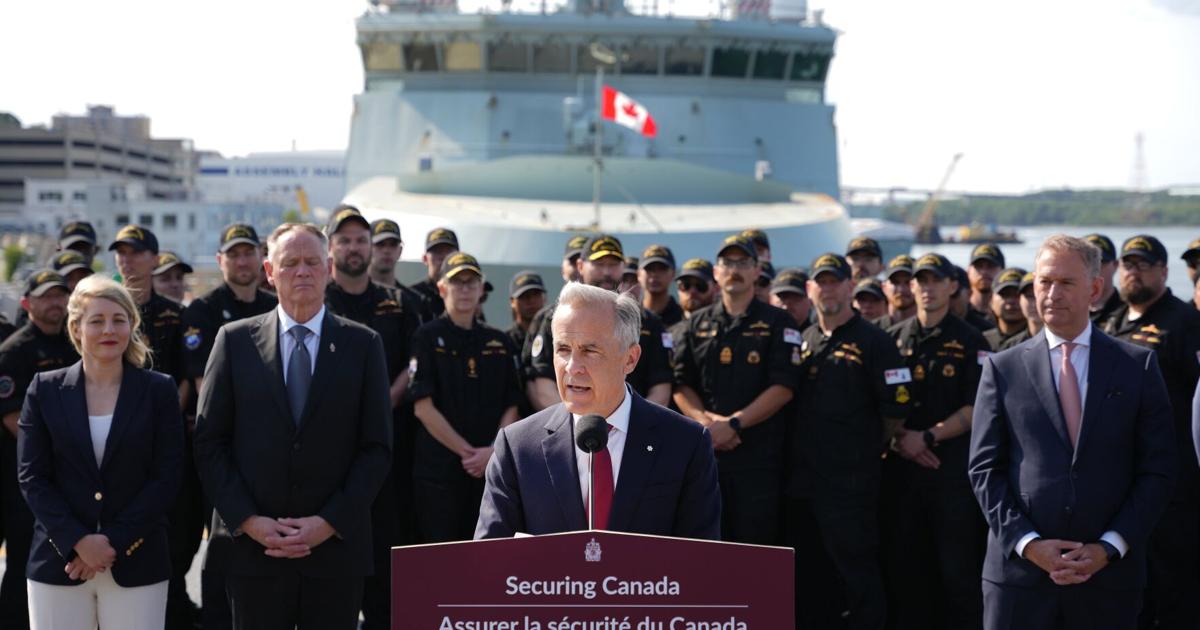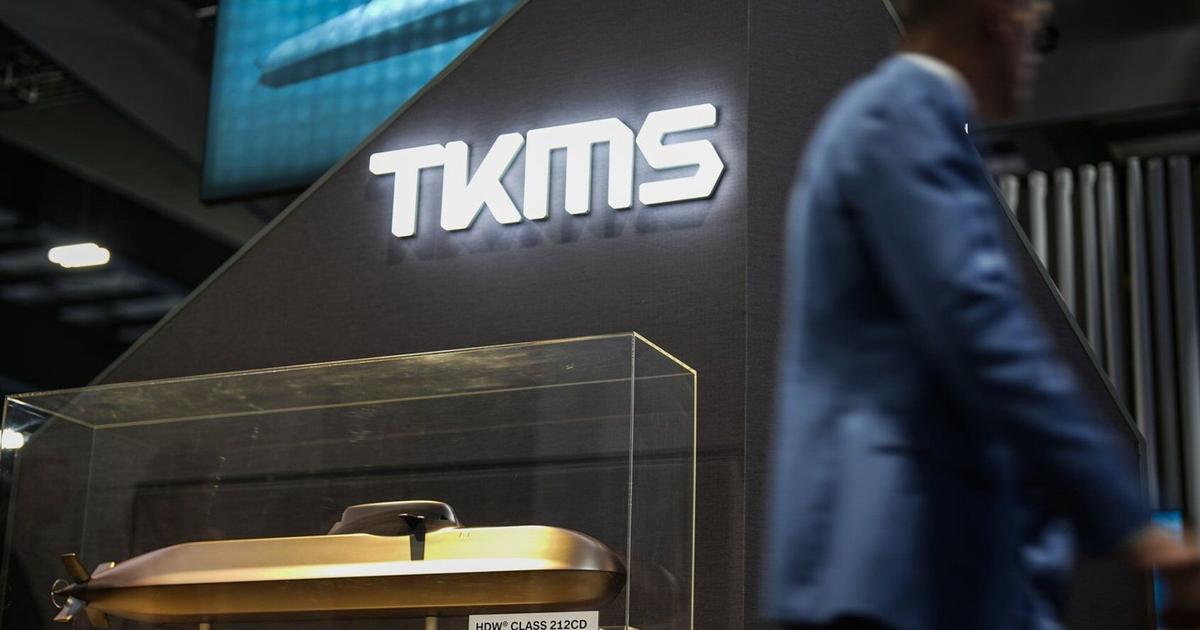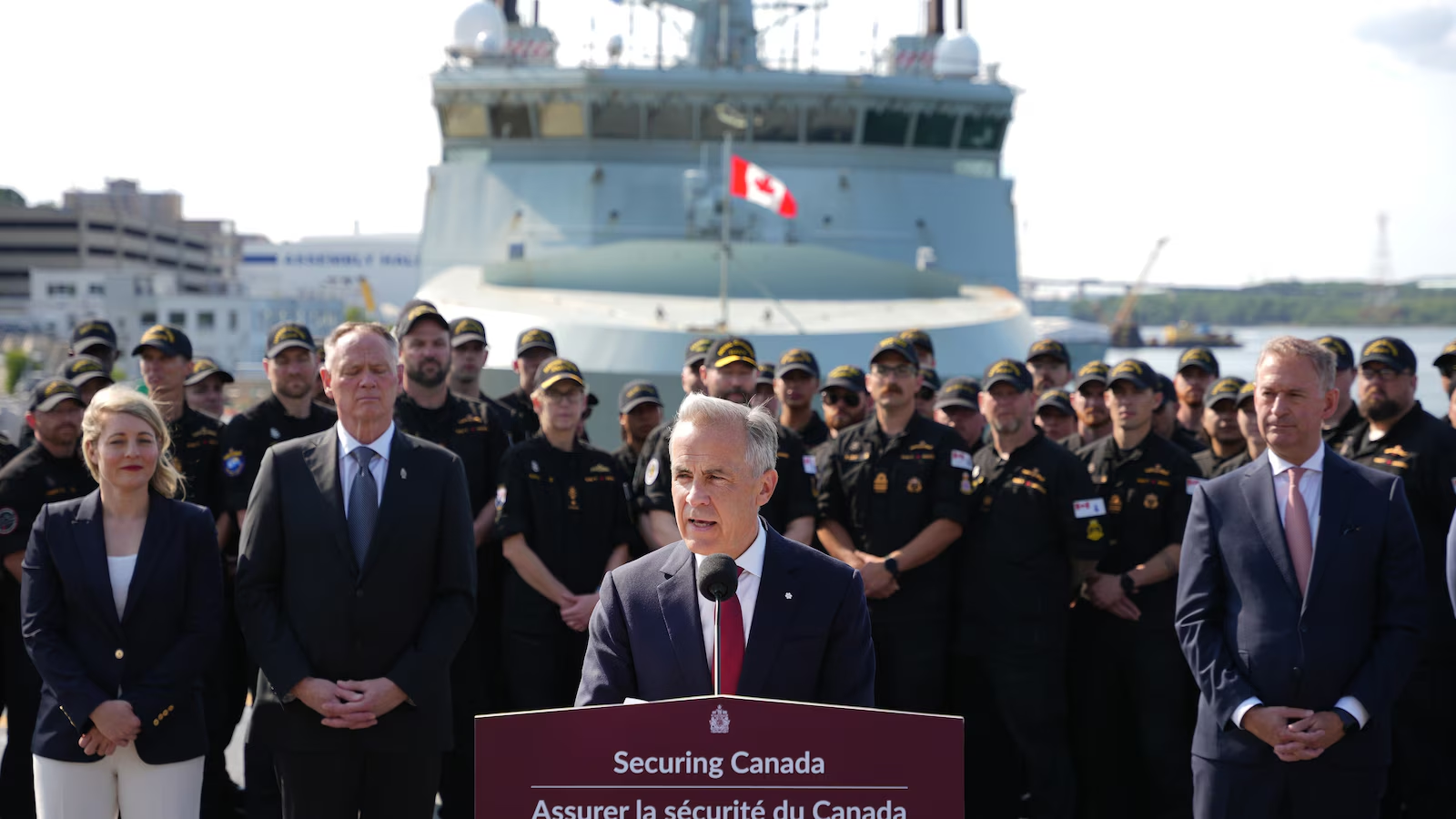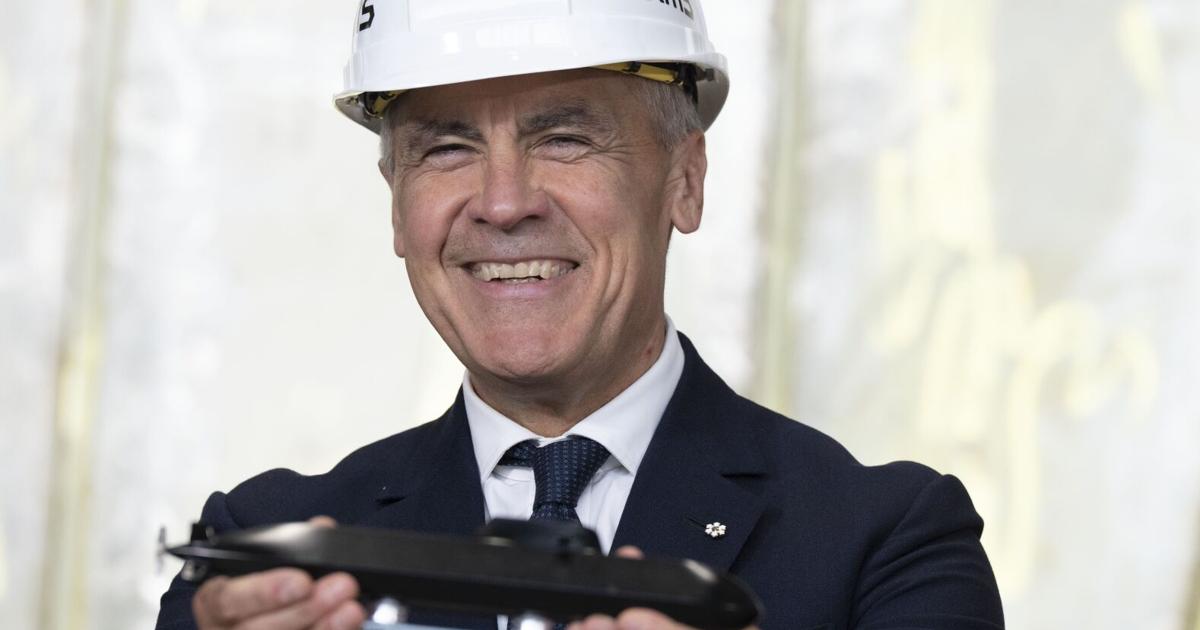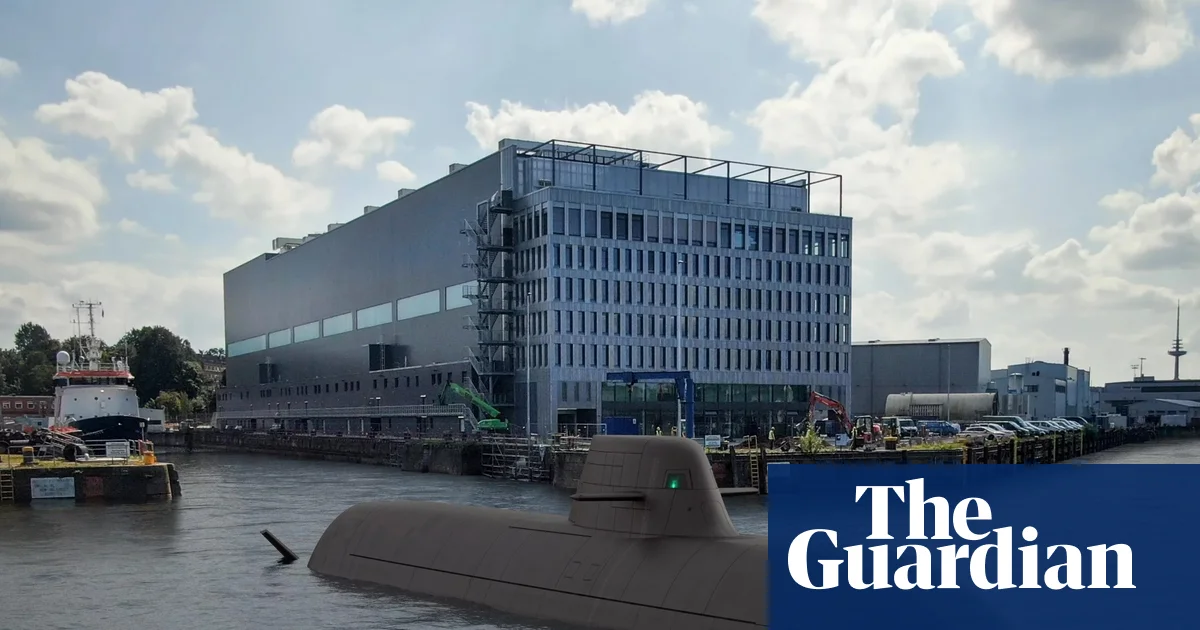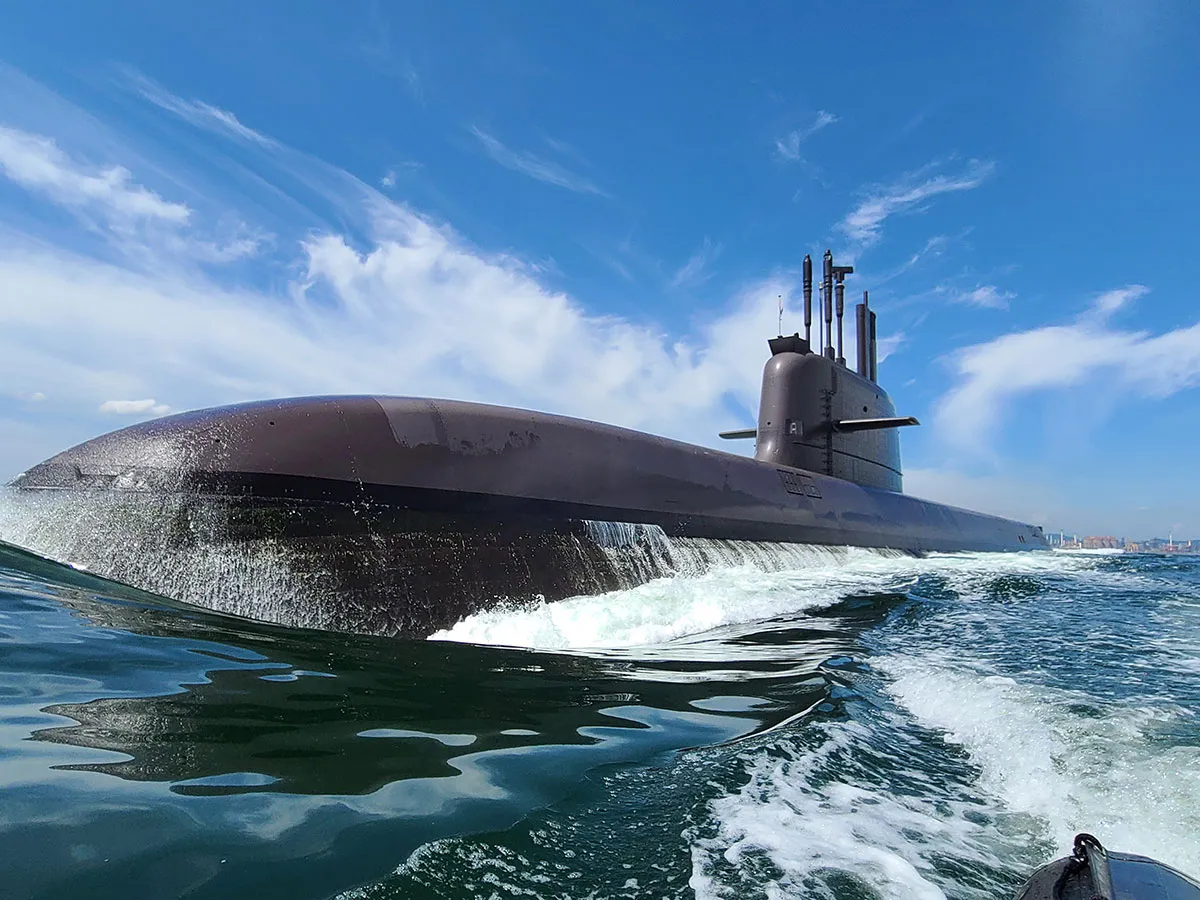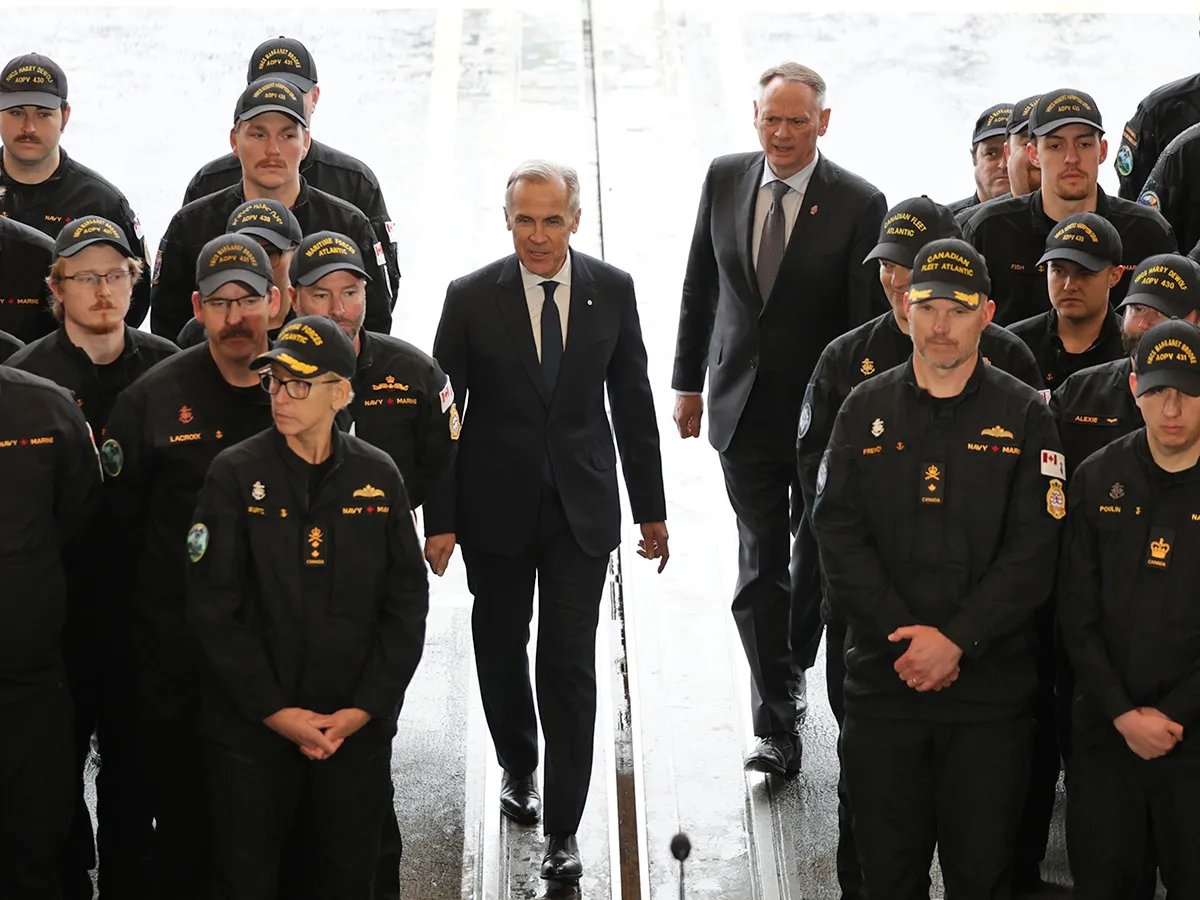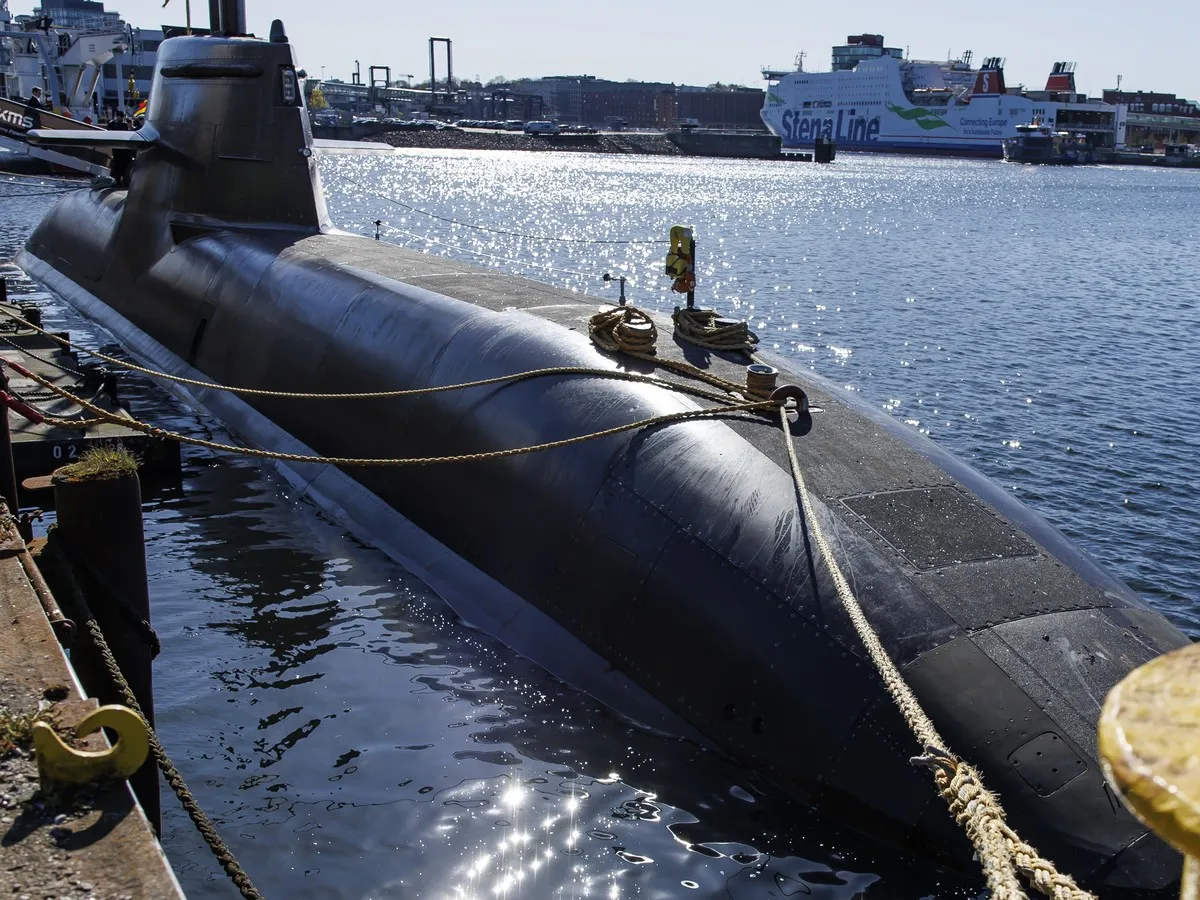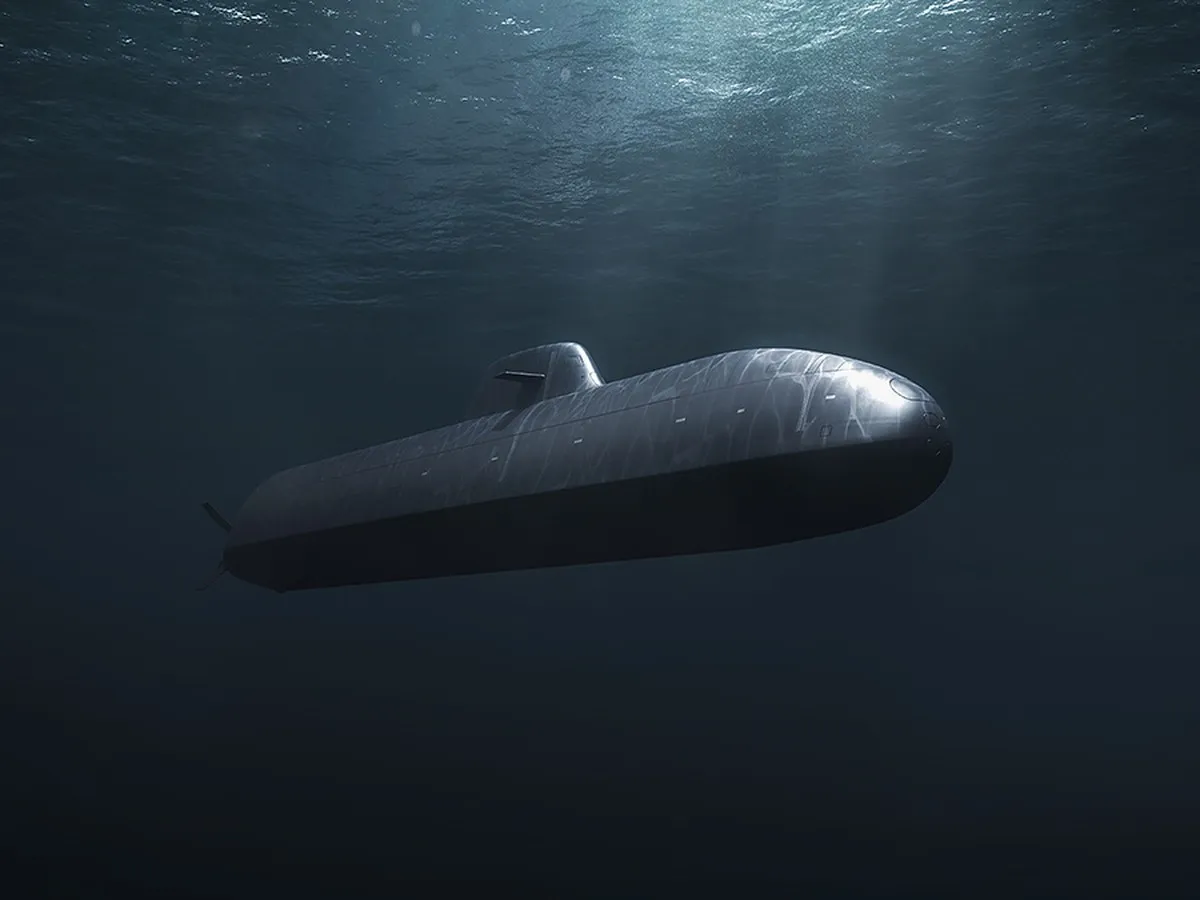
Skip to Content Subscribe Our Offers My Account Manage My Subscriptions FAQ Newsletters Canada Canadian True Crime Canadian Politics Health World Israel & Middle East Financial Post NP Comment Longreads Puzzmo Diversions Comics NP News Quiz New York Times Crossword Horoscopes Life Eating & Drinking Style Sponsored Play for Ontario Travel Travel Canada Travel USA Travel International Cruises Travel Essentials Culture Books Celebrity Movies Music Theatre Television Business Essentials Advice Lives Told Tails Told Shopping Buy Canadian Home Living Outdoor Living Kitchen & Dining Tech Style & Beauty Personal Care Entertainment & Hobbies Gift Guide Travel Guide Amazon Prime Day Deals Savings National Post Store More Sports Hockey Baseball Basketball Football Soccer Golf Tennis Driving Vehicle Research Reviews News Gear Guide Obituaries Place an Obituary Place an In Memoriam Classifieds Place an Ad Celebrations Working Business Ads Archives Healthing Epaper Manage Print Subscription Profile Settings My Subscriptions Saved Articles My Offers Newsletters Customer Service FAQ Newsletters Canada World Financial Post NP Comment Longreads Puzzmo Diversions Life Shopping Epaper Manage Print Subscription HomeNP CommentJohn Ivison: Expensive submarines are the cost to redeem years of Liberal defence complacencyIt would have been unthinkable for the government to commit this easily to the largest procurement in Canadian history just two years ago You can save this article by registering for free here. Or sign-in if you have an account.An artists' rendering of the Type 212CD submarine, up to 12 of which Canada will order from Germany's TKSM, Prime Minister Mark Carney announced Monday. Photo by Rendering courtesy of ThyssenKruJust over two years ago, the Liberal government released its defence policy review, Our North, Strong and Free, which purported to focus on Arctic sovereignty by defending Canada’s coastline from maritime and airborne threats.Enjoy the latest local, national and international news.Exclusive articles by Conrad Black, Barbara Kay and others. Plus, special edition NP Platformed and First Reading newsletters and virtual events.Unlimited online access to National Post.National Post ePaper, an electronic replica of the print edition to view on any device, share and comment on.Daily puzzles including the New York Times Crossword.Support local journalism.Enjoy the latest local, national and international news.Exclusive articles by Conrad Black, Barbara Kay and others. Plus, special edition NP Platformed and First Reading newsletters and virtual events.Unlimited online access to National Post.National Post ePaper, an electronic replica of the print edition to view on any device, share and comment on.Daily puzzles including the New York Times Crossword.Support local journalism.Create an account or sign in to continue with your reading experience.Access articles from across Canada with one account.Share your thoughts and join the conversation in the comments.Enjoy additional articles per month.Get email updates from your favourite authors.Create an account or sign in to continue with your reading experience.Access articles from across Canada with one accountShare your thoughts and join the conversation in the commentsEnjoy additional articles per monthGet email updates from your favourite authorsSign In or Create an AccountorIt was acknowledged that the only vessels capable of denying access to the Arctic by foreign powers were submarines.It was also recognized that Canada’s four Victoria-class submarines — bought from the British after they were decommissioned in 1994 and left to rust on land for years — were not fit for the purpose. Billions of dollars were spent trying to keep them at sea in order to forestall a decision that even the Trudeau government recognized was inevitable. (In 2019, all four subs were in dry dock and didn’t spend a single day at sea.)Yet the 2024 defence document talked only of “exploring options” for new diesel-electric submarines and committed no new money for their purchase.This newsletter from NP Comment tackles the topics you care about. (Subscriber-exclusive edition on Fridays)By signing up you consent to receive the above newsletter from Postmedia Network Inc.We encountered an issue signing you up. Please try againThe defence minister at the time, Bill Blair, was candid about his challenges in trying to persuade cabinet colleagues about the need for submarine capability. “I had to sort of keep on pushing my issue about the importance and the need to invest in defence,” he said.The former Liberal government whip, Lt.-General (ret’d) Andrew Leslie, said at the time that Trudeau and his cabinet were not serious about defence and had no intention of meeting NATO spending targets since they believed the Americans would always defend Canada.It is testimony to the shift in priorities under Prime Minister Mark Carney that on Monday in Halifax he announced that TKMS, a German company (in partnership with Norway), has been chosen as the preferred bidder to build a fleet of up to 12 new subs, with a commitment that the first four will be in the water by 2034. Given the procurement process for similar projects has taken 18 years, from cabinet decision to delivery, it suggests the prime minister’s call for haste has been heeded by the public service — thus far, at least.In part, this may stem from new processes. Doug Guzman, the head of the new arm’s-length Defence Investment Agency, told the House of Commons defence committee that the agency has adopted a more commercial and outcome-focused approach to buying new submarines that will get them in the water much earlier than would previously have been the case.Carney said the deal was struck five years ahead of schedule. “This procurement is historic for the ambition, speed and discipline with which it was delivered,” he said.But the need for speed has been driven by geopolitics: the rising threat of encroachment in the North by Russia and China, and the growing sense that the national interests of Canada and the United States no longer align as they once did.As Carney noted in Halifax on Monday afternoon: “History is back with a vengeance… and Canada must change with it.”The Americans said recently that they are “pausing” involvement in the Second World War-era Permanent Joint Board of Defence, as defence officials in Washington briefed journalists that the Pentagon has laid out its priorities for collective North American security and did not receive a “credible” response from Ottawa.More broadly, the U.S. has raised doubts about its commitment to NATO, cancelling a rotation of 4,000 troops in Poland and drawing down numbers in Germany. U.S. Defence Secretary Pete Hegseth even refused to confirm America’s commitment to Article 5, the joint defence provision that calls on members to “take such action as deemed necessary” to defend an ally.The Europeans and Canada are now working on the assumption that U.S. military support may be delayed, limited or withheld altogether in the event of an attack.Against such a backdrop, it is no surprise that Canada has opted to go with two NATO partners, in the form of the joint German-Norwegian bid. The Type 212CD isn’t built yet but it is based on the existing Type 212A shown in this photo. Photo by Axel Heimken/TKMSWhen he visited Ottawa to lobby for the TKMS Type 212 CD subs, Germany’s defence minister, Boris Pistorius, promised not just economic benefits for Canada but a strategic long-term partnership, including technical integration, maintenance and logistics co-operation, including the option of exchanging crews.Carney said that the value of the contract remains commercially confidential while the government negotiates terms with TKMS but that 100 per cent of the value will be matched with investments by TKMS in Canada.With hindsight, this deal appears to have been a foregone conclusion, even though Carney denied it was a symbol of Canada walking away from the Indo-Pacific.Canada had already announced a maritime procurement agreement with Germany and Norway in July 2024, and the political alliances were always likely to work in the favour of the German-Norwegian bid.Canada had also signed a bilateral deal with the European Union called SAFE, which allows Canadian companies and products to participate in European defence procurement. Carney has pushed Canada firmly in Europe’s orbit and it would have taken a major shift in momentum to have gone with the rival South Korean bid by Hanwha Ocean.The Koreans had the advantage of selling a boat that is already in the water (the first Type 212CD sub won’t be launched until next year). But they have had mixed success with foreign sales. Indonesia bought three subs, but a follow-up order for three more was cancelled amid suggestions the Indonesians were not satisfied with the performance of the first three (they also lost a sub with 53 crew members in 2021. Although that was German-made, it had undergone a two-year refit in South Korea. The Koreans blamed Indonesian maintenance for the accident.) Korea’s Hanwha Ocean had hoped to sell KSS-III submarines, like those used by the country’s Navy, to Canada. Photo by ROK NavyThe announcement of a procurement that could amount to $100 billion over the life of the submarines should inoculate Carney against American accusations of Canada being a “free-rider” at this week’s NATO leaders’ summit in Ankara, Turkey.Carney said he and Defence Minister David McGuinty will arrive in Ankara “in a position to help lead the alliance.”He said the submarine procurement has now been included in the fiscal framework.The Carney government didn’t specifically earmark money in its November budget but it has pledged an additional $80 billion in capital spending over the next five years and promised to spend 3.5 per cent of GDP on core defence by 2035, by which time annual expenditure on defence will be $132 billion.The government has not revealed how it will manage to reach that target and still keep the debt-to-GDP ratio under control.The prime minister will push his idea in Turkey for a defence investment bank, with the goal of making it easier for NATO countries to access capital for defence purchases. But even cheap money needs to be paid back and the government is currently relying on unrealistic economic growth to ensure the defence spending pays for itself.But the government has correctly concluded that deterrence relies on credible deterrents and has accepted that they don’t come cheaply.Rearmament is no longer optional; resilience means being able to protect your own people.Conservatives and Liberals don’t agree on much, but three-in-four supporters of both parties back meeting NATO’s military spending target of five per cent of GDP by 2035.It would have been unthinkable for the federal government to have committed to the largest procurement in Canadian history without a rumble of dissent just two years ago.But the dogs have stopped barking and the caravan has moved on. Canadians are fed up with promises about Arctic sovereignty that never materialize. Sovereignty in northern waters means submarines with the range and endurance to patrol the Arctic.Within a decade, we should have them. The pity is that the decision wasn’t made 10 years earlier.National Postjivison@criffel.ca Join the Conversation This website uses cookies to personalize your content (including ads), and allows us to analyze our traffic. Read more about cookies here. By continuing to use our site, you agree to our Terms of Use and Privacy Policy.
John Ivison: Expensive submarines are the cost to redeem years of Liberal defence complacency
It would have been unthinkable for the government to commit this easily to the largest procurement in Canadian history just two years ago.
1,816 words~8 min read