Logo text
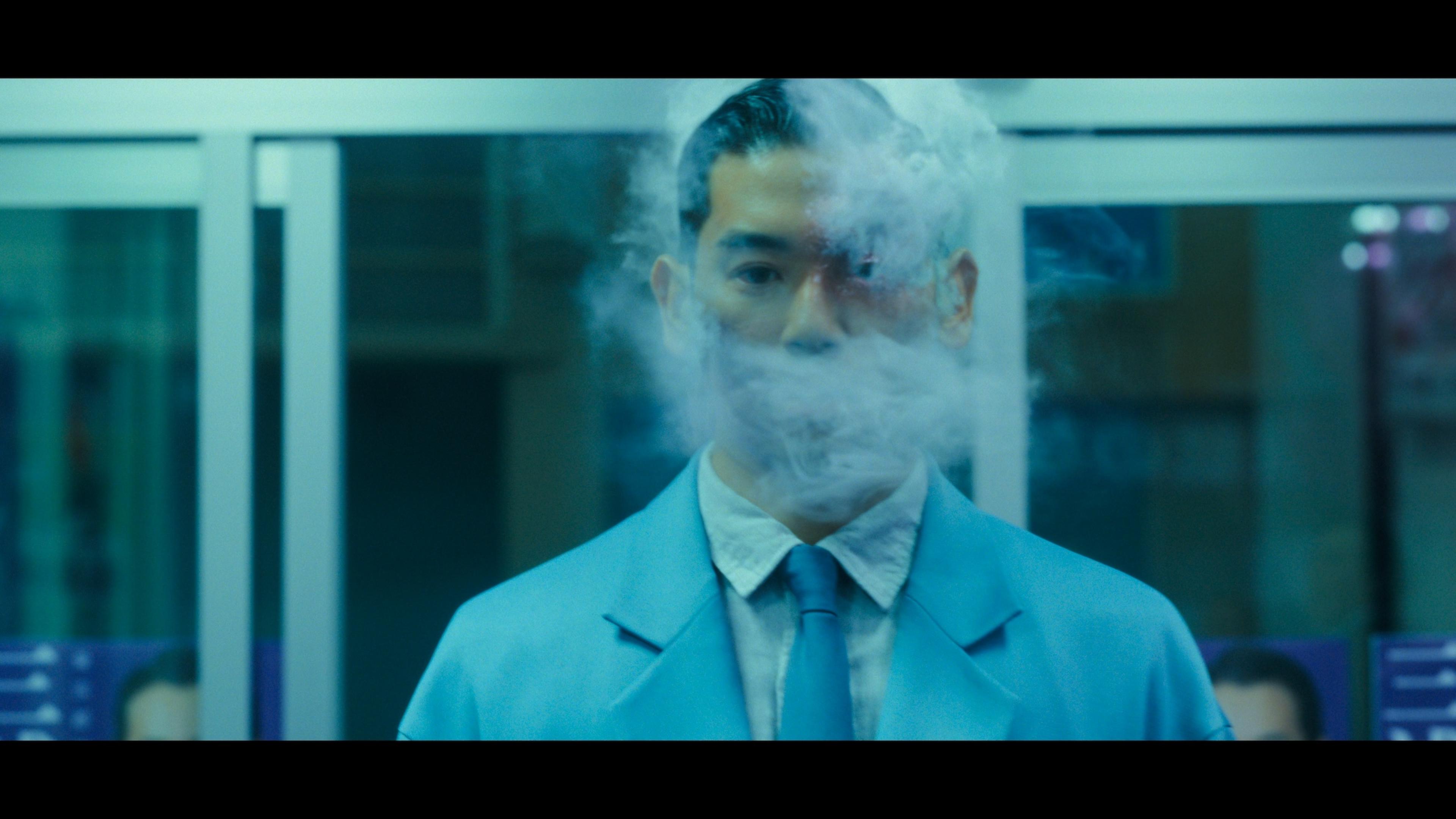
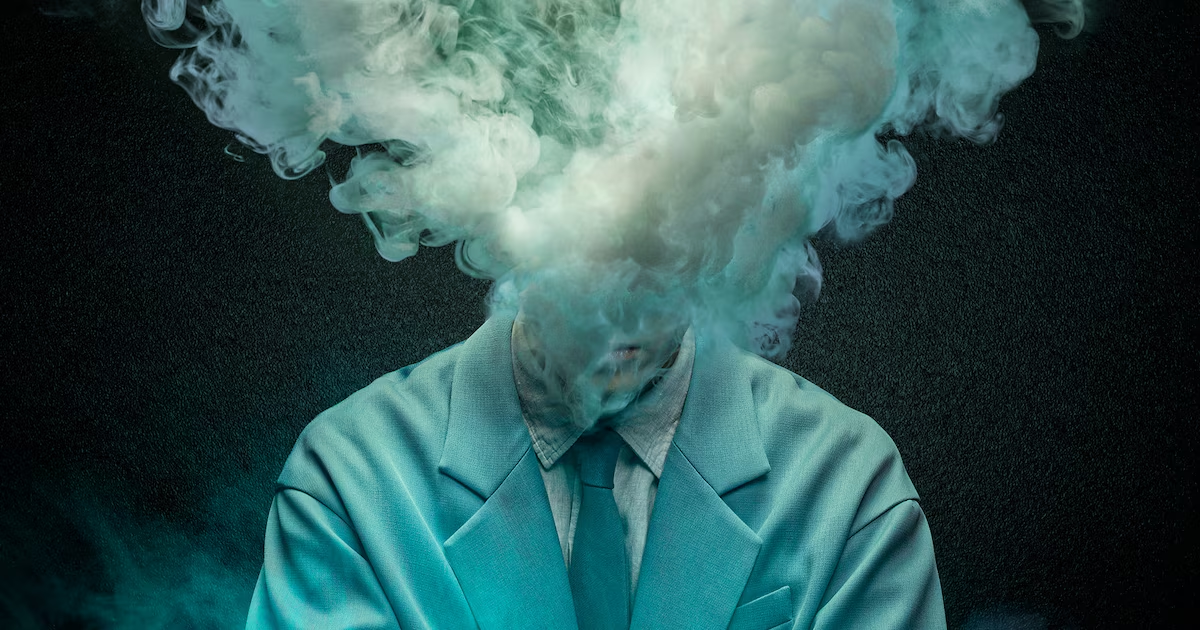
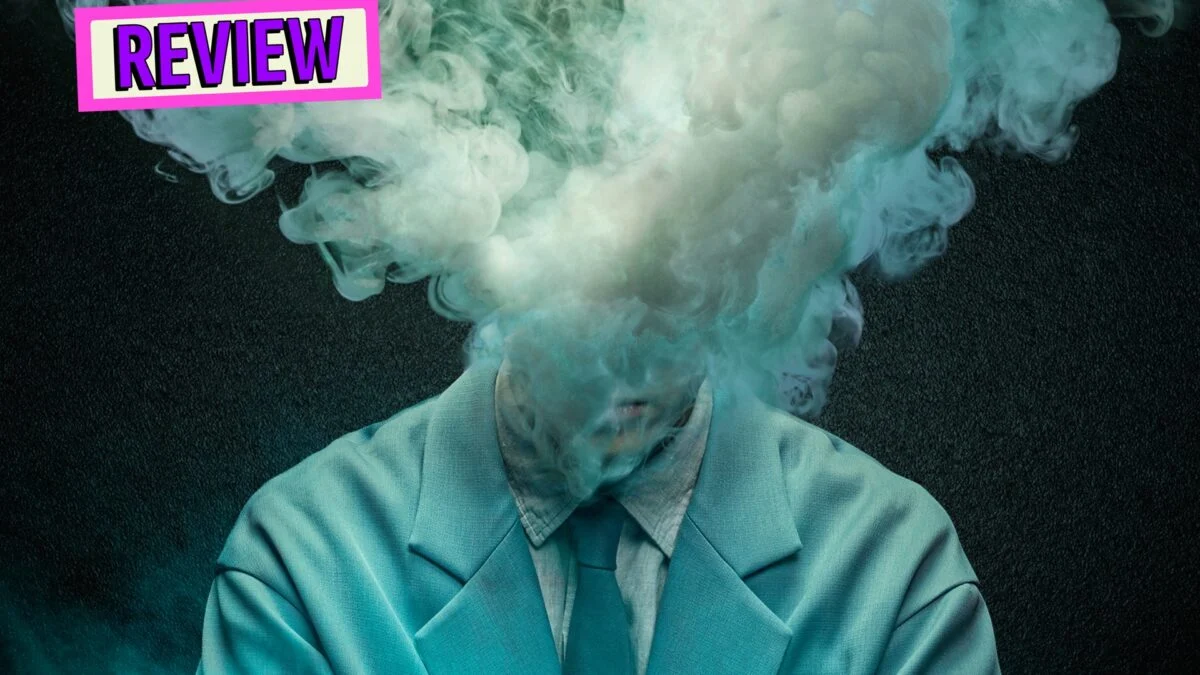
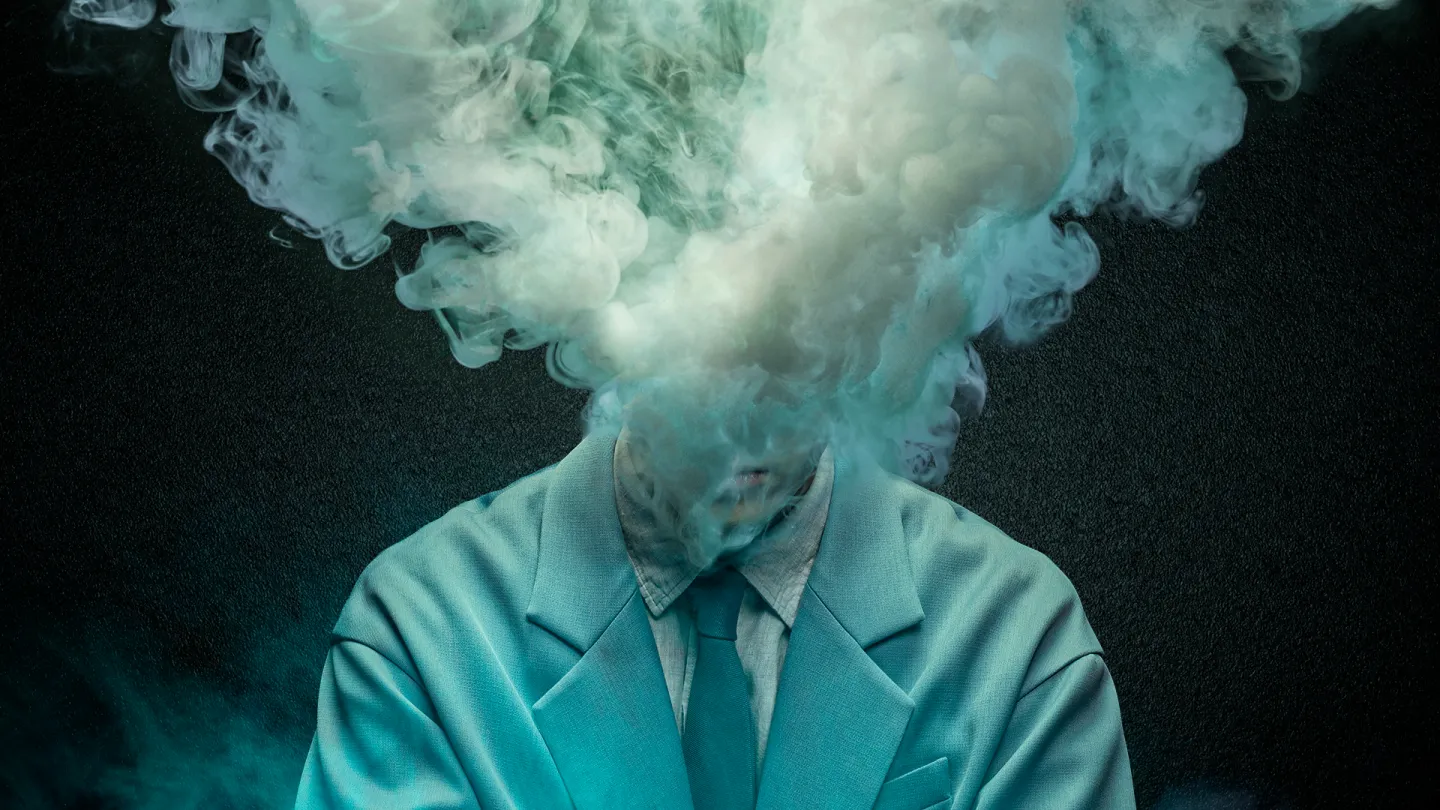
There are probably easier ways to mount a crime thriller steeped in gritty realism than centering it on a villain made of gas. When Japanese filmmaker Shinzo Katayama signed on to direct Human Vapor, Netflix and Toho‘s eight-part, lavishly budgeted streaming series about a Tokyo killer who carries out his murders as a shape-shifting, disembodied cloud, he agreed to stake his growing reputation on the most literally intangible antagonist of recent Japanese screen memory.
“What concerned me most — and what I also looked forward to most — was how to portray the Human Vapor himself,” Katayama tells The Hollywood Reporter. “I had never shot a creature film, and I had no experience of shooting something I was unable to see — where I had to work purely from imagination, because the creature wasn’t visible on set.”
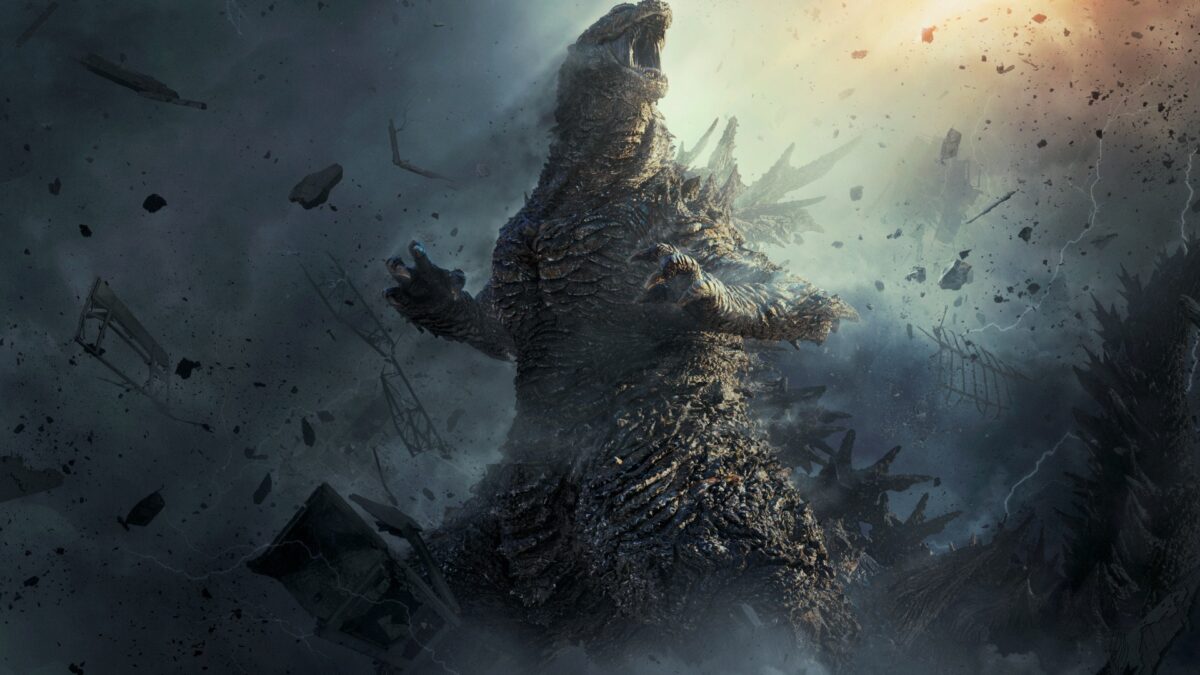
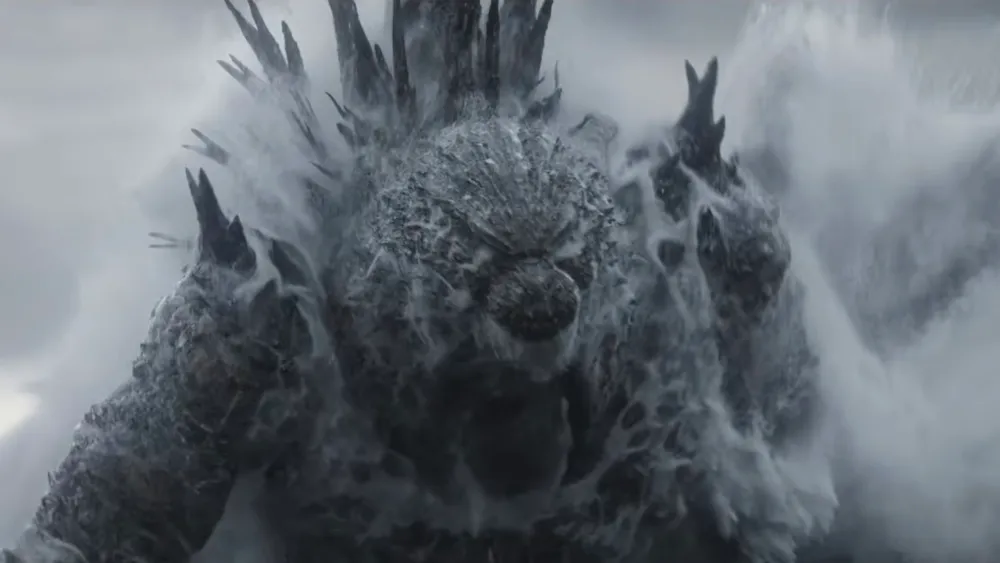
Ironically, the fact that it had all been done before — and to considerable success — only added to the director’s anxiety. Human Vapor is a series-length reimagining of a 1960 Toho cult classic of the same name, directed by Ishiro Honda — the filmmaker who had introduced the world to Godzilla six years earlier — with effects by Eiji Tsuburaya, the legendary practical-effects innovator who co-created both Godzilla and, later, Ultraman. Within tokusatsu, Japan’s storied tradition of special-effects genre filmmaking, no two figures loom larger.