A while back I wrote about how I use Fable 5 without going token-bankrupt:
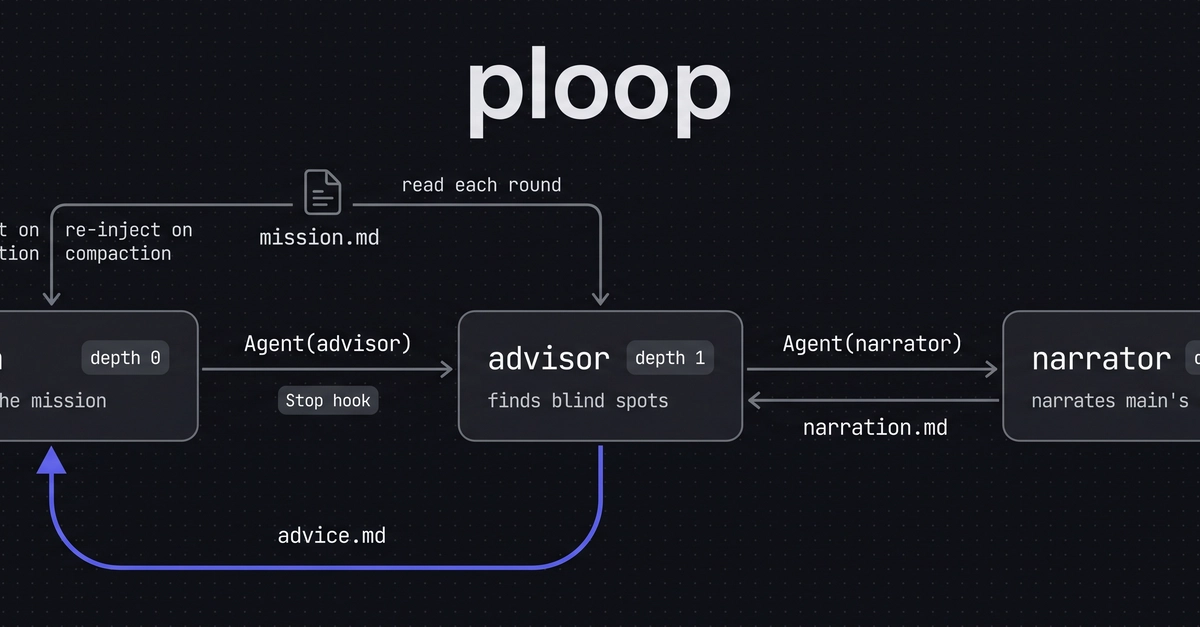
I put Fable 5 in the orchestrator seat — scoping, design, delegation, final review — while the hands-on implementation, testing, shipping, and code review are done by Opus and Sonnet subagents. The expensive model plans and judges; the cheaper models execute. This ran beautifully for most tasks.
There's just one problem. As you probably know, Fable 5 access via subscription ends on July 7. (I'm praying it comes back to subscription someday… 🙏)
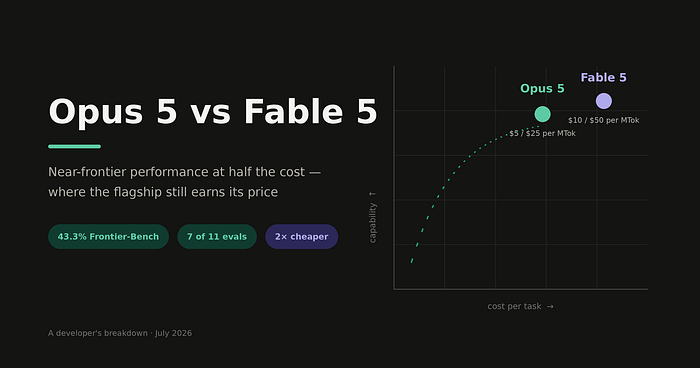
The orchestration setup itself works without Fable 5 — but if the model at the top, the one cutting scope and judging everything, gets downgraded, output quality drops with it.
Here's the thing though: Opus and Sonnet are not bad models. Used correctly, they produce genuinely good output. What matters is writing down what to do, how to do it, and what to do when something fails. So before losing access, I decided to document how Fable 5 actually works and hand it down to Opus/Sonnet — as skills.