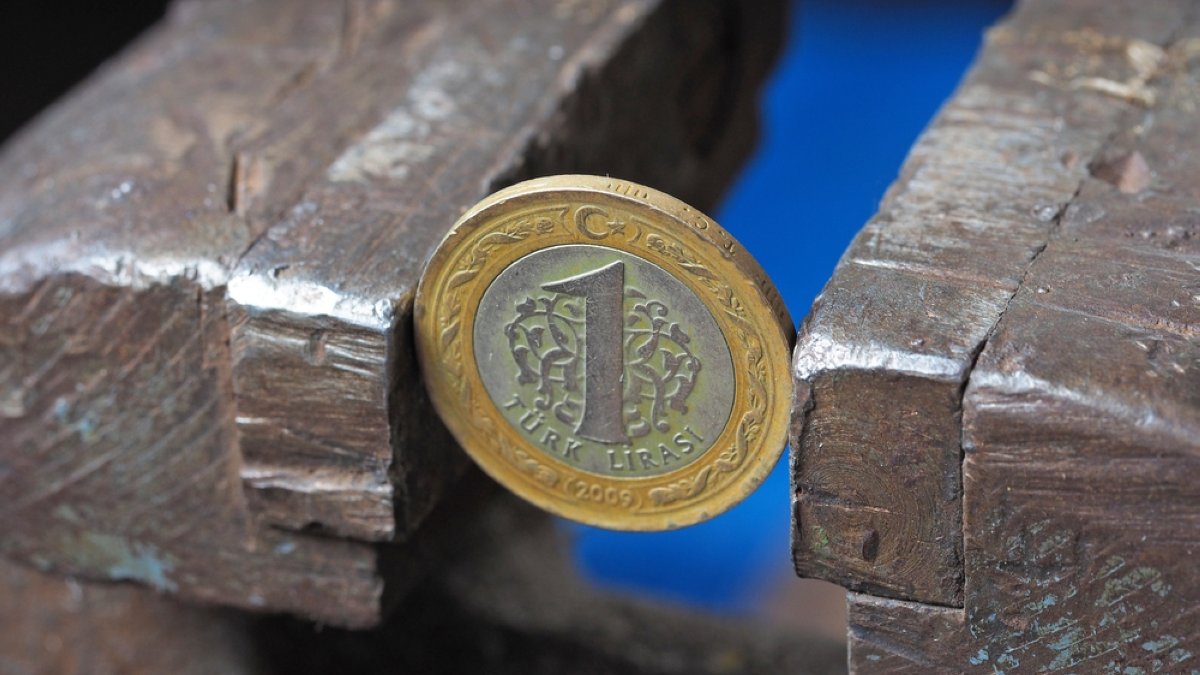
The Turkish economy has been undergoing one of the most important economic rebalancing processes in its history over the past two years. Disinflation policies aimed at combating high inflation, maintaining financial stability, and fiscal discipline-oriented policies have created a certain degree of slowdown in economic activity in the short term. However, they have also contributed to establishing a healthier foundation for growth in the medium and long term.
Recent macroeconomic indicators suggest that despite a controlled slowdown, the Turkish economy has maintained its growth. In this context, it can be argued that the fiscal space created through strengthened fiscal discipline has enabled Türkiye to navigate the economic repercussions of the war between the United States and Iran more effectively.
According to the latest Inflation Report of the Central Bank of the Republic of Türkiye (CBRT) and assessments of Governor Fatih Karahan with international investors, the disinflation process remains on track, and policy measures are gradually producing results. The moderation in consumer demand, normalization of credit growth, and a more balanced stance in domestic consumption have helped put inflation on a downward path. Improvements in inflation expectations and the recovery in foreign exchange reserves are among the notable achievements of the current economic program.