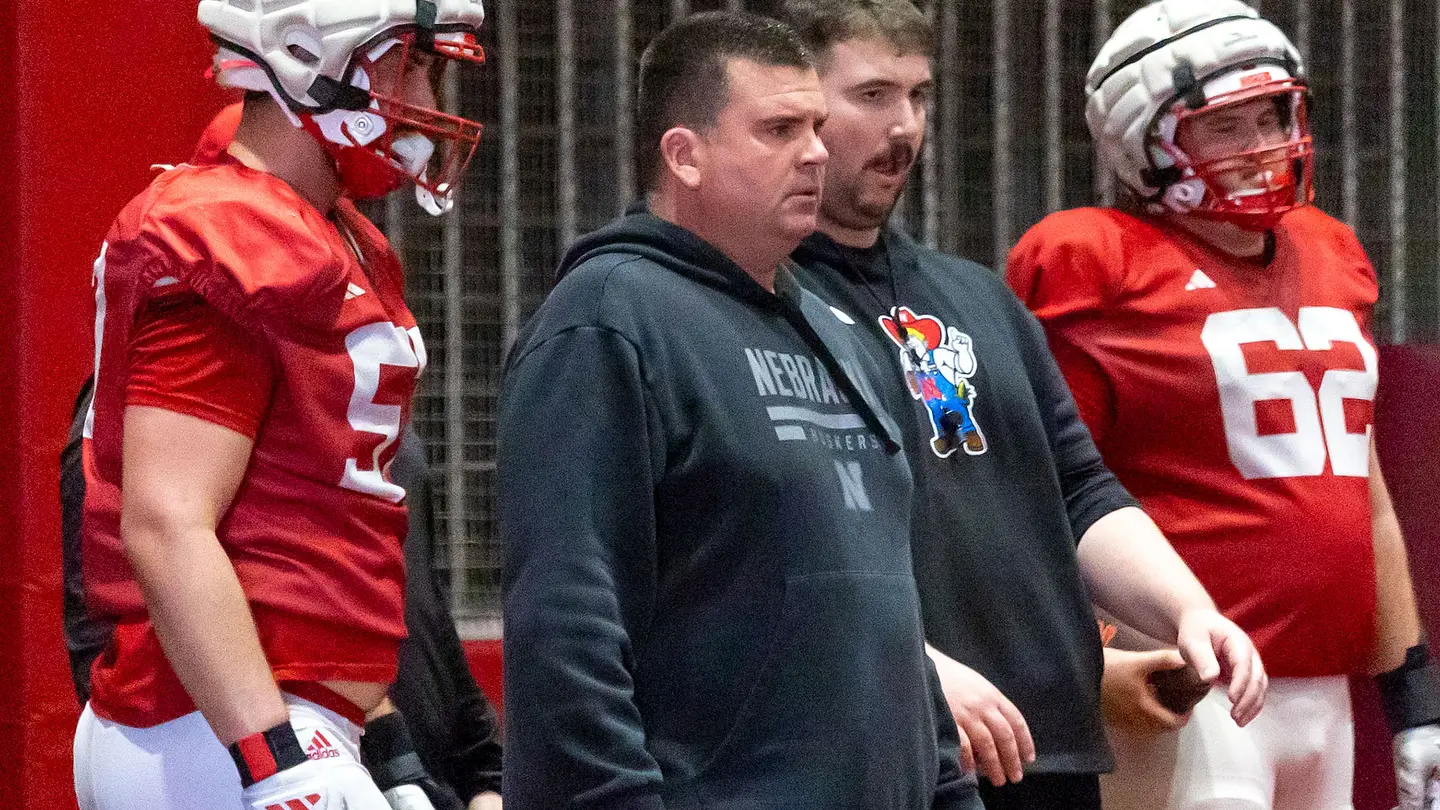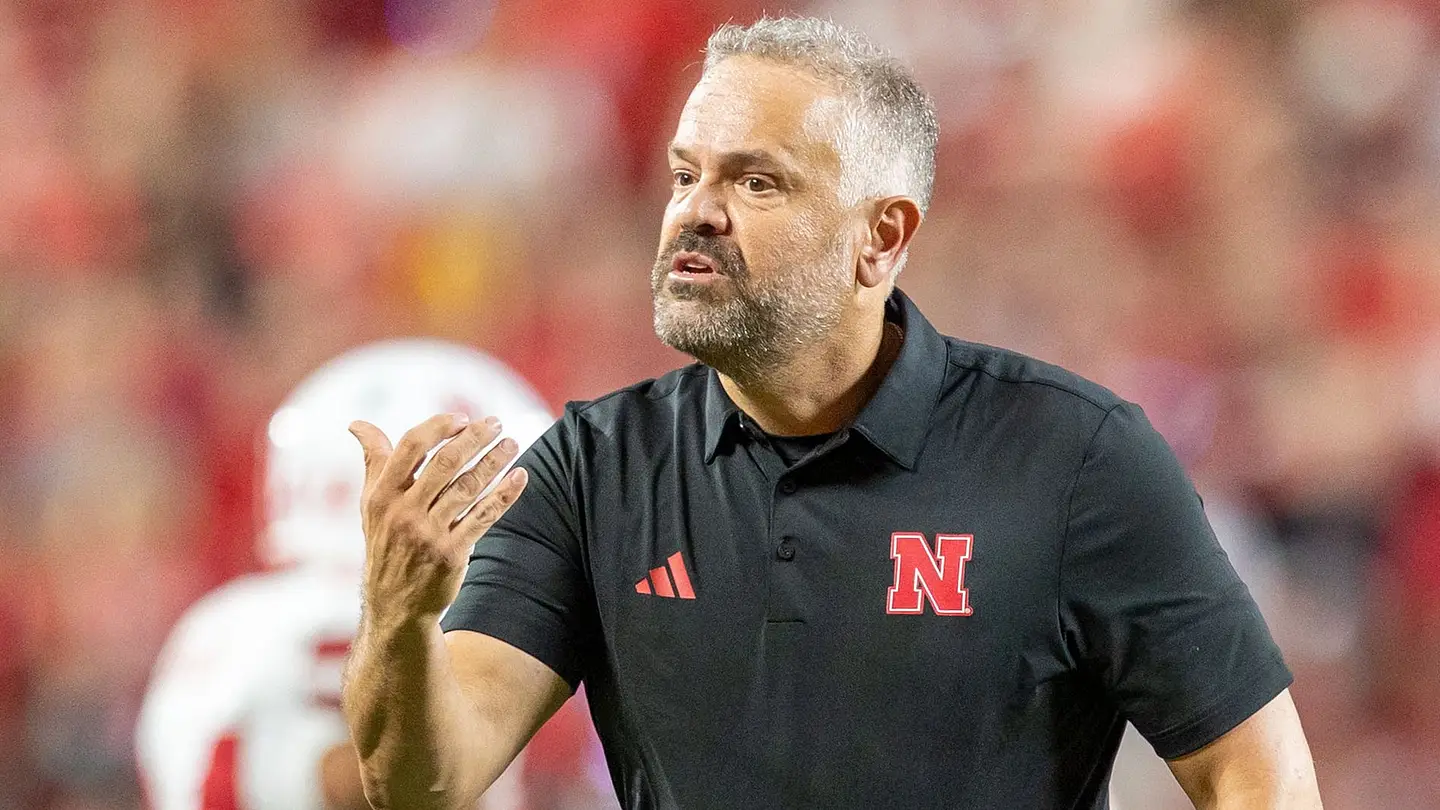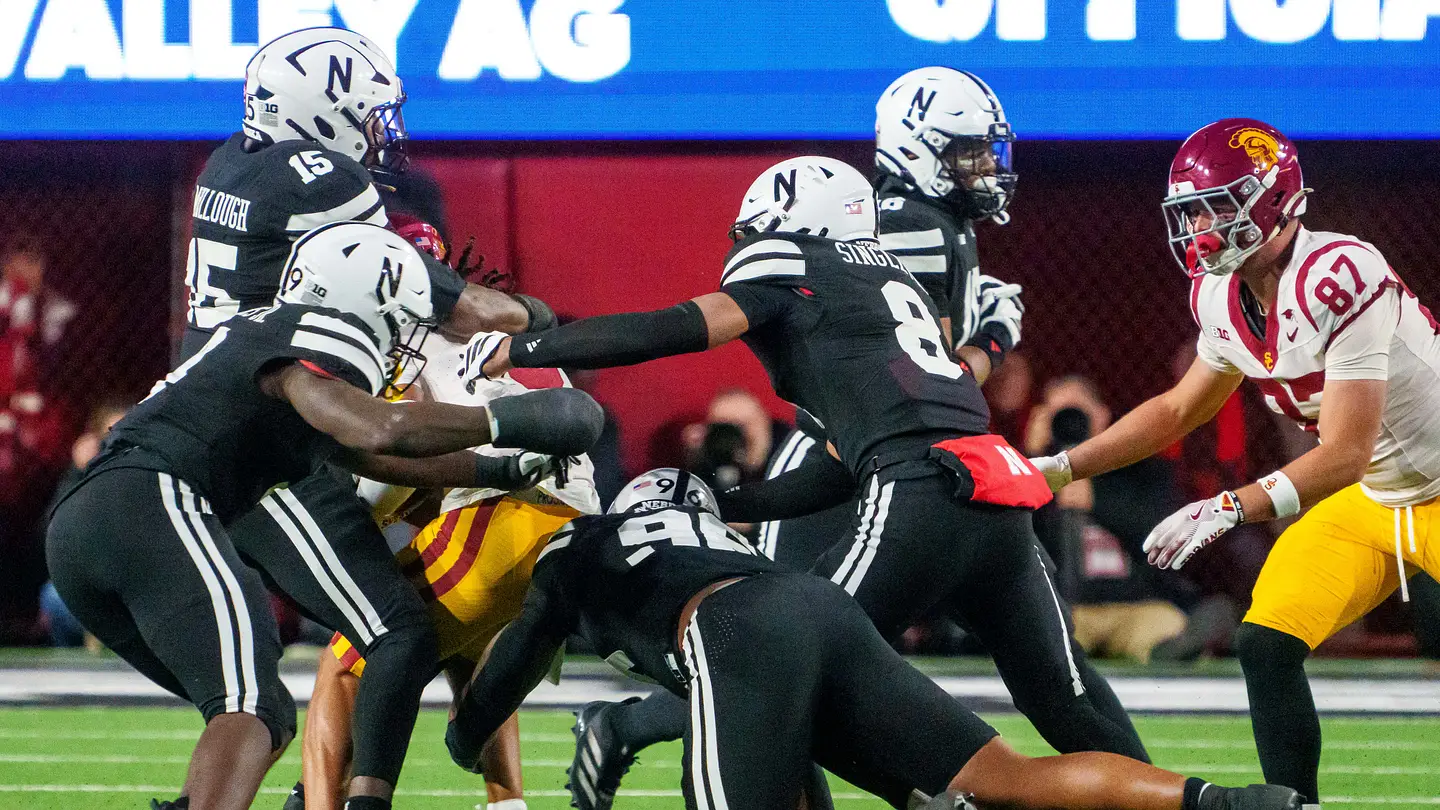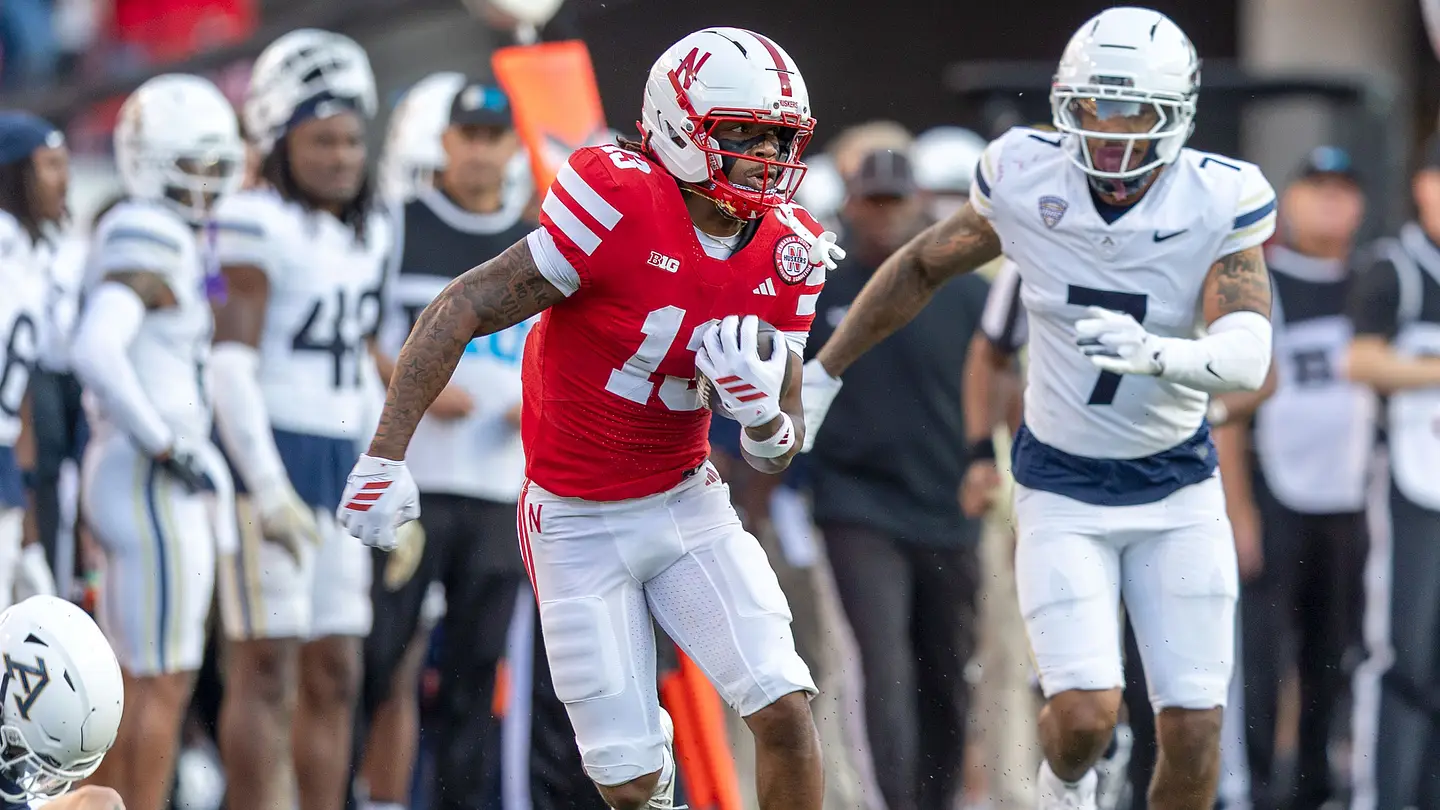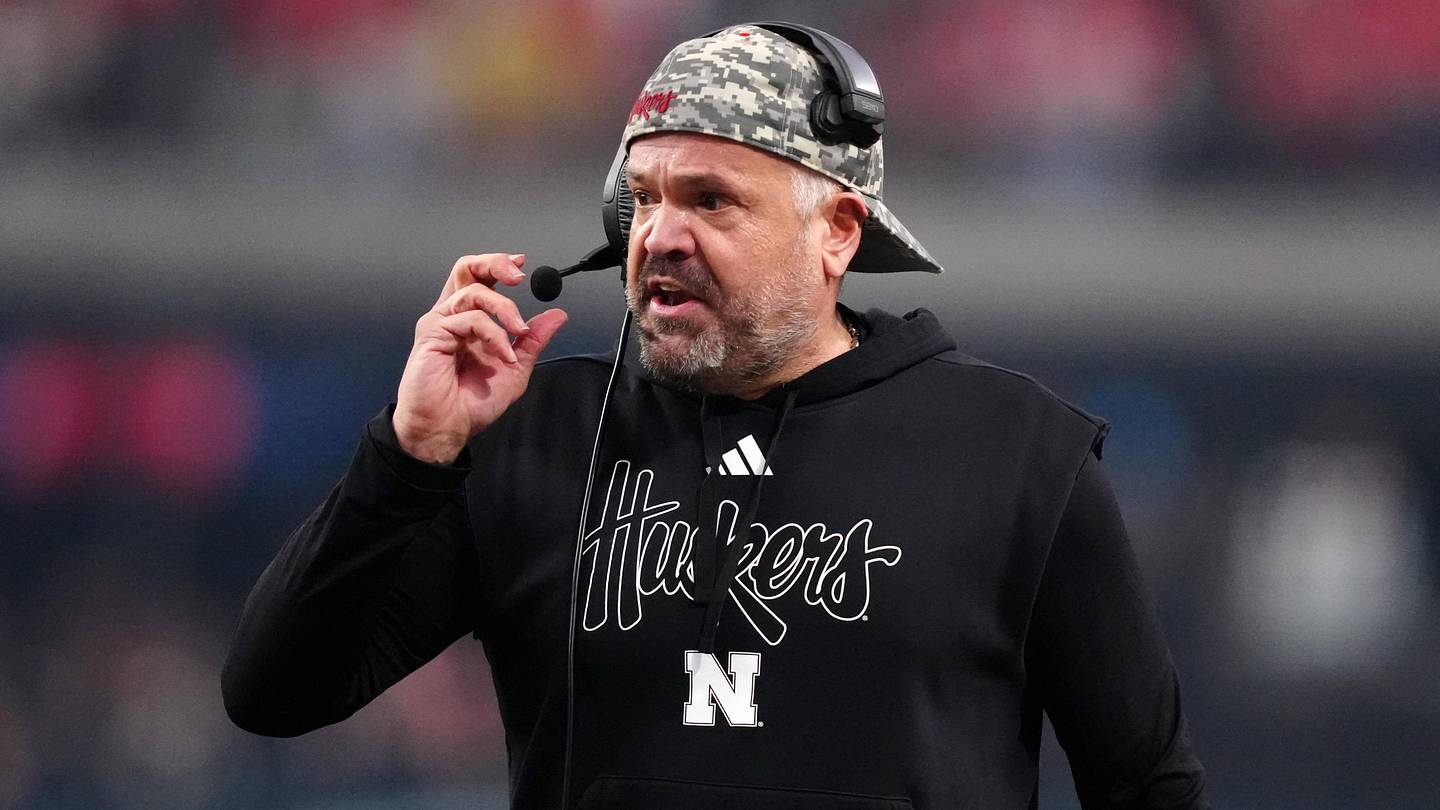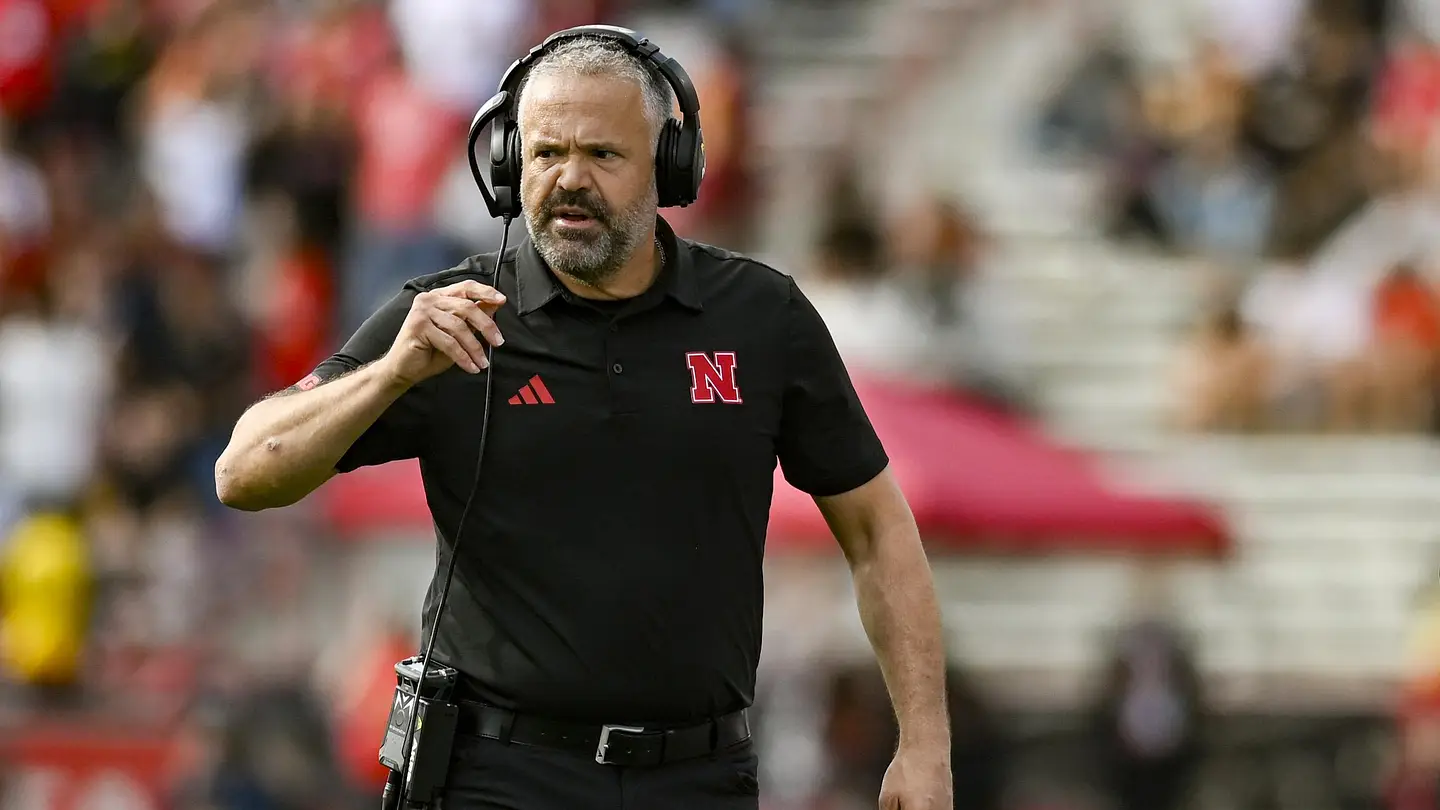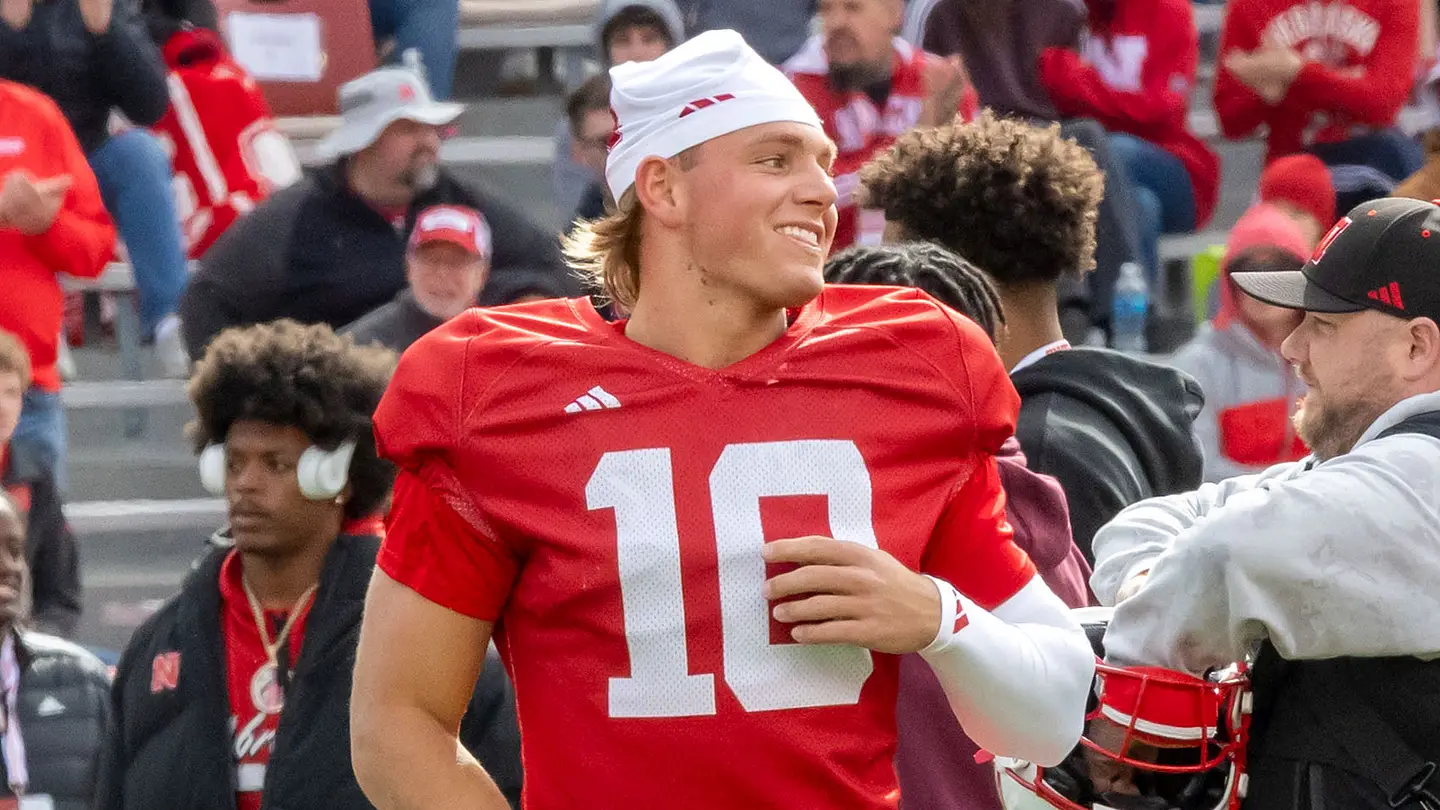
For Nebraska football, the conversation around identity isn’t just offseason filler anymore. It’s the foundation of whether this program actually takes the next step in year four under head coach Matt Rhule. And right now, nowhere is that identity crisis more obvious than on offense.When Matt Rhule was hired, he didn’t hide what type of player he preferred at quarterback. His history at places like Baylor suggested a clear lean toward mobility at quarterback. A guy who can extend plays, stress defenses, and add a numbers advantage in the run game. In theory, it made sense. In practice, it’s been anything but consistent.The Jeff Sims Experiment Changed EverythingNebraska quarterback Jeff Sims looks on during the third quarter against Minnesota in 2023. | Matt Krohn-Imagn ImagesThe first real attempt at that vision came in year one with Jeff Sims, and it’s fair to say that experience reshaped the conversation entirely. The athleticism was there. The upside was obvious. But the turnovers were crippling.It wasn't just a failure, it killed trust in the system.That forced Nebraska into a midseason pivot, throwing Heinrich Haarberg into action. With Haarberg, the offense leaned more heavily into physicality and the run game. It wasn’t perfect, but it was at least coherent. There was a direction.Then everything shifted again.The Dylan Raiola EffectNebraska quarterback Dylan Raiola. | Dylan Widger-Imagn ImagesWhen Dylan Raiola committed, Nebraska hit the reset button on identity yet again.A Nebraska football legacy fell into their lap. The five-star, pro-style quarterback who can make every throw is the kind of talent you don’t say no to, especially when his dad's name is on the stadium. It felt like a turning point. A fresh start. A chance to modernize the offense and elevate the passing game.But here’s the uncomfortable truth: that style hasn’t historically worked at Nebraska. Bill Callahan, failed, Mike Riley failed and now you could even say Matt Rhule failed despite making back-to-back bowl games. The pass-first identity has been okay at times but not consistently. That's because there are certain types of athletes you need to recruit and develop every year to consistently run that style of offense. Why the Run-First Identity MattersEmmett Johnson rushes against Iowa. | Cory Edmondson, KFGEWhether fans want to admit it or not, Nebraska has to have a run-first identity. The offense has to be built from the ground up starting in the trenches and having a quarterback who is athletic. Physicality, tempo control, and wearing defenses down. The quarterback doesn’t need to throw it 40 times. He needs to be a problem with his legs.Look at what worked last season. When the offense found rhythm, it wasn’t through airing it out. It was Emmett Johnson establishing a presence and wearing down defenses. That’s where Nebraska has always been dangerous.A run-first identity does more than move the chains. It simplifies everything:• It reduces turnover risk• It controls the clock• It keeps the defense fresh• It creates manageable passing situationsMost importantly, it creates identity.Right now, Nebraska has flirted with multiple identities but hasn’t committed to one. A run-first offense needs to be the identity in 2026 and beyond. Want more from No Block No Rock? Check out their YouTube channel, subscribe for weekly episodes, and visit nbnrpodcast.com for more content.Stay up to date on all things Huskers by bookmarking Nebraska Cornhuskers On SI, subscribing to HuskerMax on YouTube, and visiting HuskerMax.com daily.Add us as a preferred source on GoogleFollow
Anthony Colandrea Might Be the Key to Nebraska Finally Finding Its Offensive Identity
For Nebraska football, the conversation around identity isn’t just offseason filler anymore. It’s the foundation of whether this program actually takes the next
569 words~3 min read