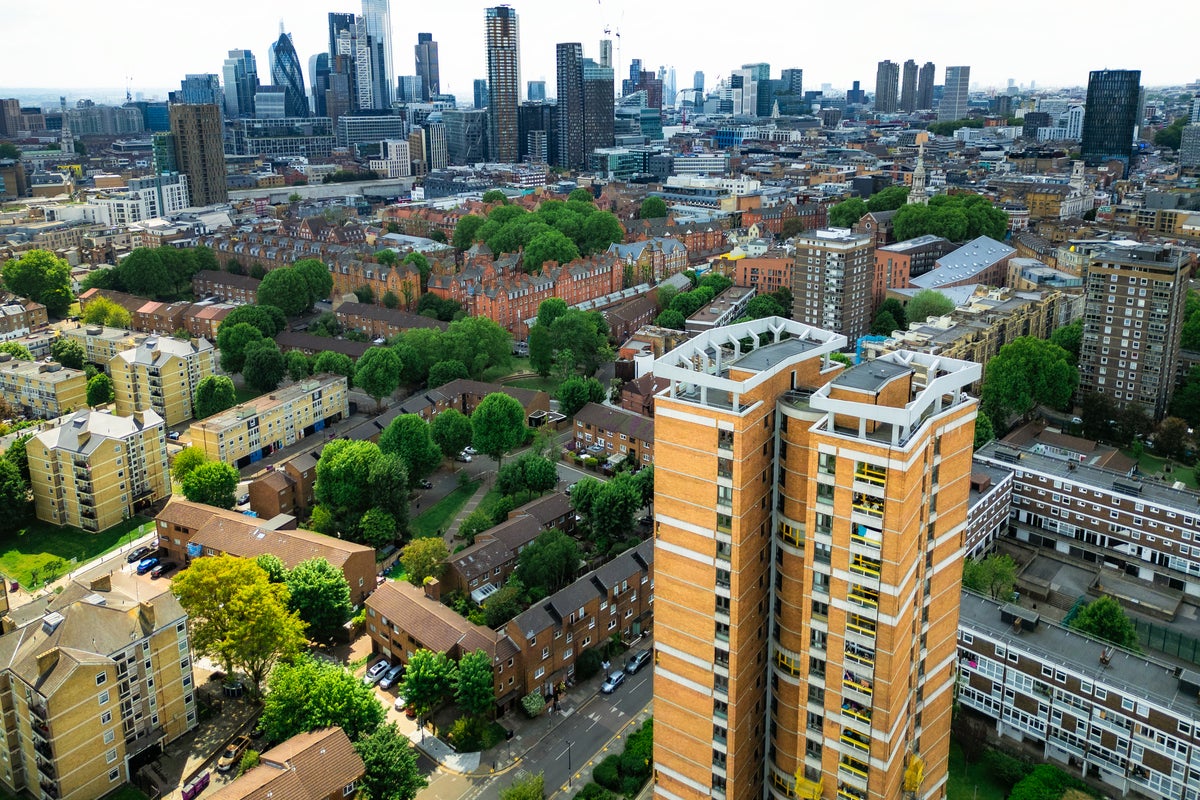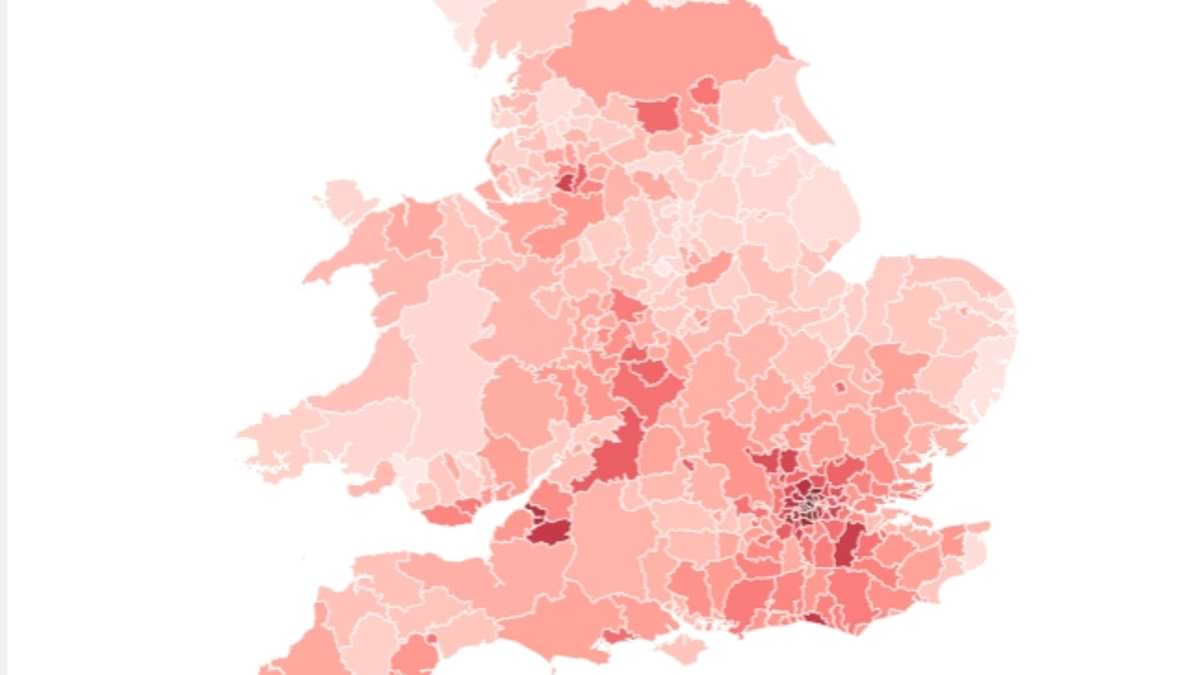
Millions of tenants are struggling with rising housing costs as the government is allowing rental prices to soar without supporting benefit claimants, new research has warned.Only two in 100 properties in Britain are now considered affordable for renters on housing benefits, a report from Crisis and Citizens Advice has found.Housing benefits were frozen for four years from 2020 and then uprated as a one-off by the Conservatives in April 2024. Since then, private rents have risen by 10.2 per cent, from an average £1,254 to £1,383.The policy decision has “widened the gap” between the income people receive and the actual cost of renting and left families pushed to “breaking point”, the report has warned.In practice, the freeze is applied to the local housing allowance – a formula used to decide how much housing benefit a household claims for based on their area. When it is uprated, it is meant to reflect at least the cheapest third of rents in any area.But the average gap between housing benefit and the cheapest third of two-bed rental properties is now £403 per month according to, Crisis and Zoopla find.Millions of tenants are struggling with rising housing costs as the government allows rental prices to soar without supporting benefit claimants, new research has warned (Getty/iStock)Matt Downie, chief executive at Crisis, said: “Across Britain, people on low incomes are facing an impossible situation. With housing benefit frozen, more and more people are struggling to cover the cost of rent and essentials like food and bills – forcing them into a cycle of debt, poverty and homelessness.“What’s more, the freeze puts unsustainable pressure on an already overworked system. With local authorities already under immense strain and temporary accommodation costs at an all-time high, without urgent change we will only see more people trapped in this vicious cycle.”A national poll conducted by Citizens Advice for the report reveals that almost half of private renters (48 per cent) receiving Universal Credit in the UK have had to cut back on essentials like food, transport and energy costs in the last six months.As of February 2026, there were 6 million people claiming a benefit designed to help with housing costs. This is split between 1.6 million on housing benefit, and 4.4 million on its replacement, the housing element of Universal Credit.Around 1.7 million claiming the latter were in the private rental sector, while those on housing benefit comprise mainly people in temporary accommodation and of state pension age.Citizens Advice adds that its frontline advisers helped over 6,600 private renters in England and Wales with housing benefit issues to access food banks in 2025/26 – up 79 per cent from 2021/22.A poll conducted by Citizens Advice reveals that almost half of private renters (48 per cent) receiving Universal Credit in the UK have had to cut back on essentials (PA Archive)Dame Clare Moriarty, chief executive of Citizens Advice, said: “Many families are already at breaking point, cutting spending back to the bone and still finding themselves unable to pay the rent or put food on the table.“If the government is serious about turning the tide on the cost of living crisis, getting to grips with the soaring cost of housing is essential. Private renters are struggling to keep their heads above water - unfreezing housing benefit would throw them a vital lifeline.”Last spring, The Independent reported on the difficult situations tenants were facing as a result of their housing benefit shortfall. The continued freeze means they will not be receiving any higher income than at that point.The research comes as many housing campaigners set their sights on affordability after a victory for the sector in the form of the Renters’ Rights Act.Coming into effect from May, the long-awaited bill brought an end to controversial Section 21 ‘no-fault’ eviction notices, abolished fixed-term contracts, and gave tenants greater powers to challenge rent rises.While welcomed by tenants’ groups, more action has been urged from the government, with average costs outstripping wage growth for 11 of the past 15 years.Last month, the Renters Reform Coalition – a group of 18 major housing charities and tenants’ unions – called on the next prime minister, likely Andy Burnham to bring in rent controls. The plea followed from several studies by independent think tanks like the Joseph Rowntree Foundation, Institute For Public Policy Research, and New Economics Foundation on the need and feasibility of rent controlling measures.A government spokesperson said: “We're tackling rising rents and the housing shortage with our commitment to build 1.5 million homes – the biggest boost to social and affordable housing in a generation – and our efforts to turn the tide on poverty are making a real difference, as household incomes have risen 5 percent in real terms and food bank usage has fallen."But we know there is more to do. That is why we have launched the £1 billion Crisis and Resilience Fund, are raising the National Living Wage by up to £900 a year for a full-time worker, investing more than £1 billion in homelessness services, and are investing a record £39 billion in affordable and social housing.”
Less than 2% of rents affordable for benefit claimants, report warns
People are being forced into a ‘cycle of debt, poverty and homelessness’, a charity chief said
848 words~4 min read