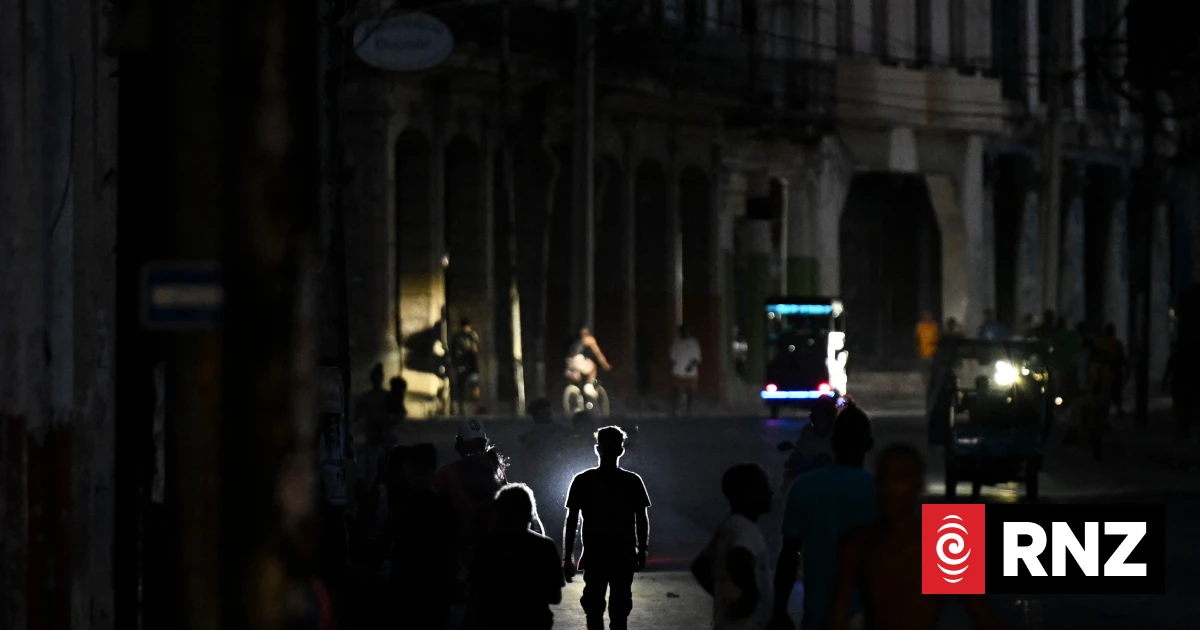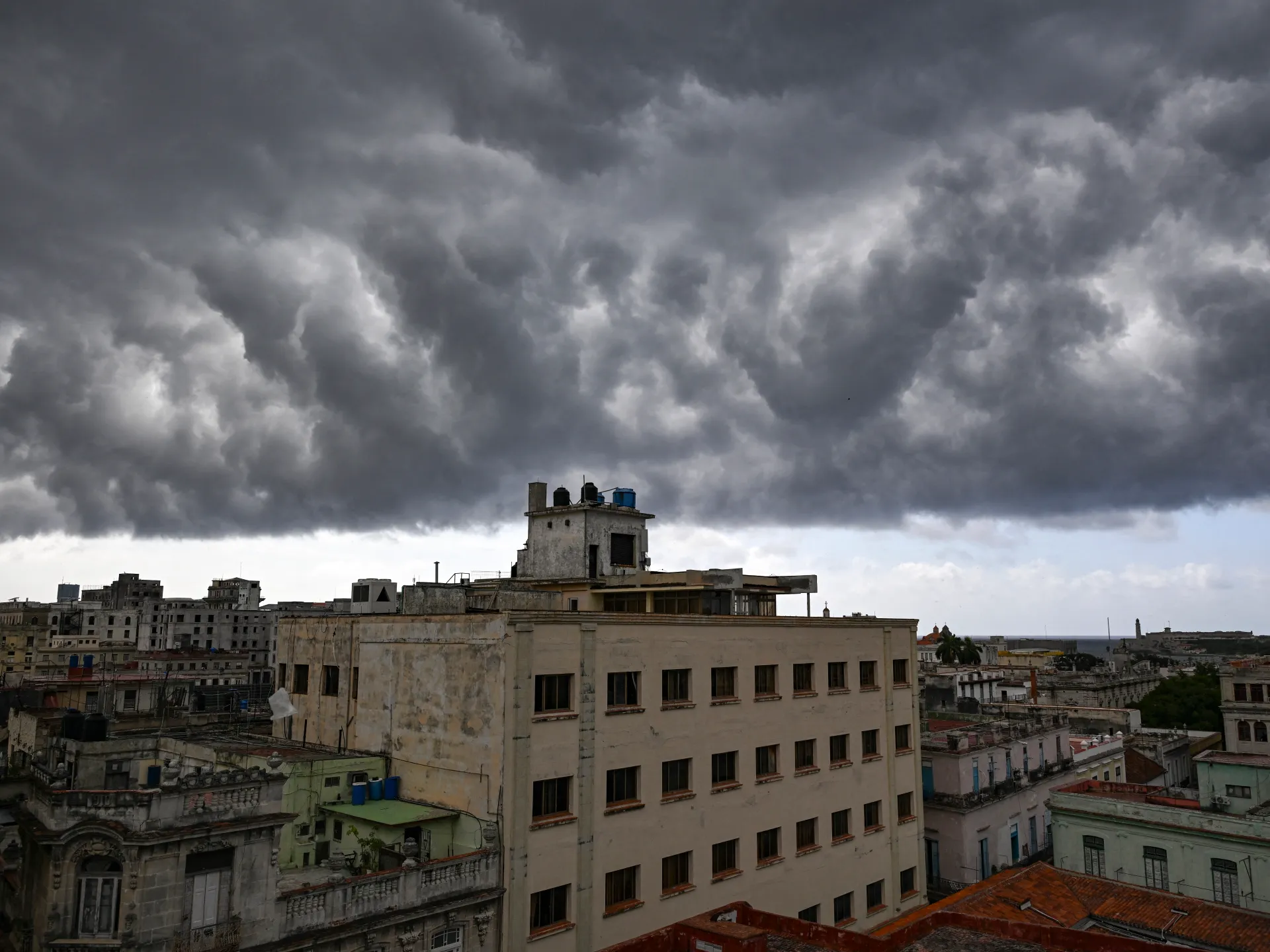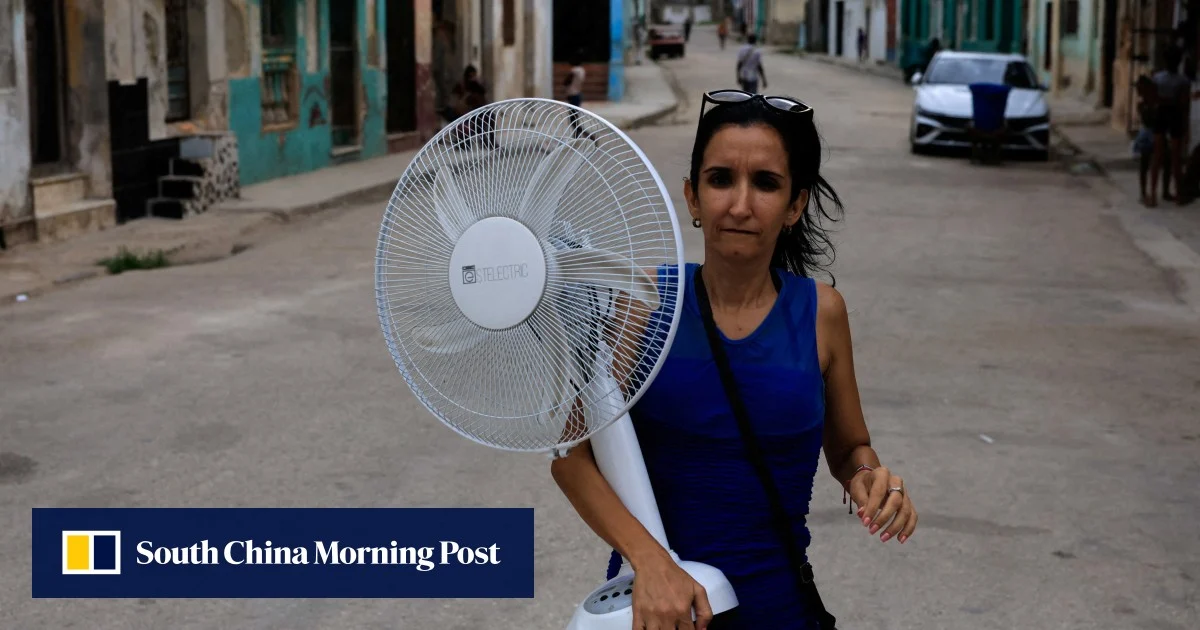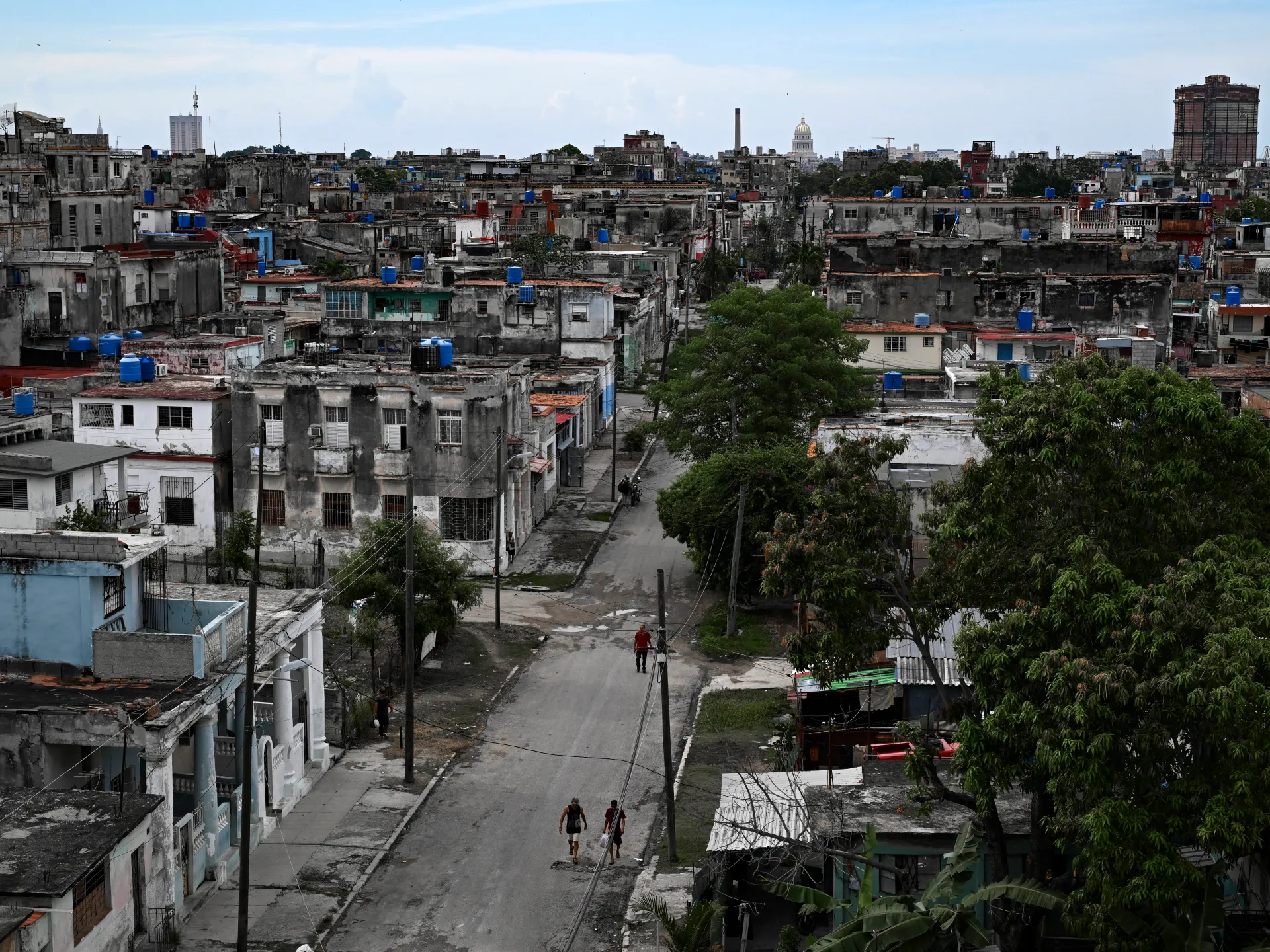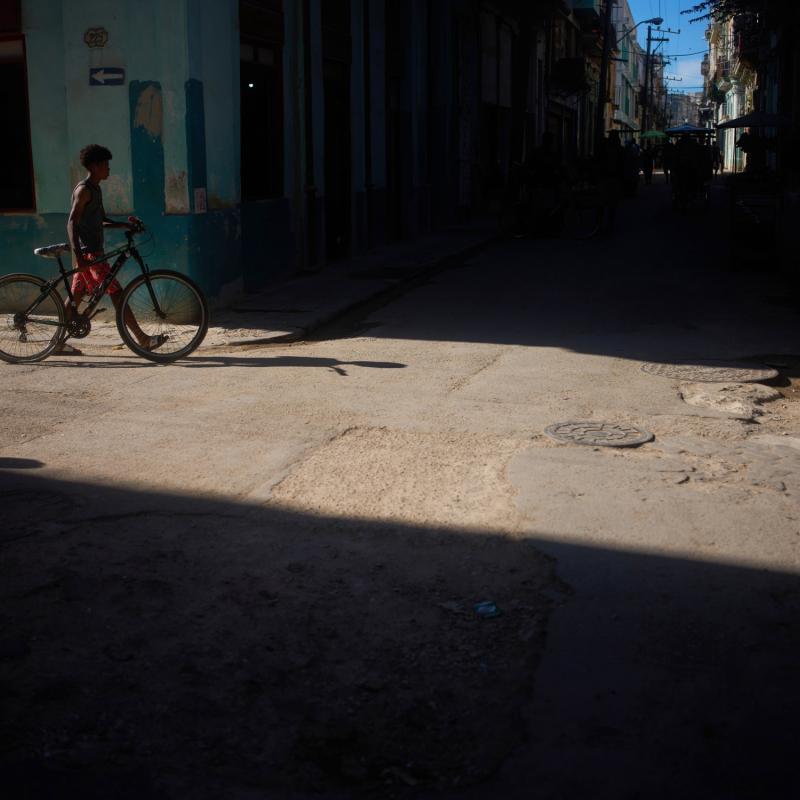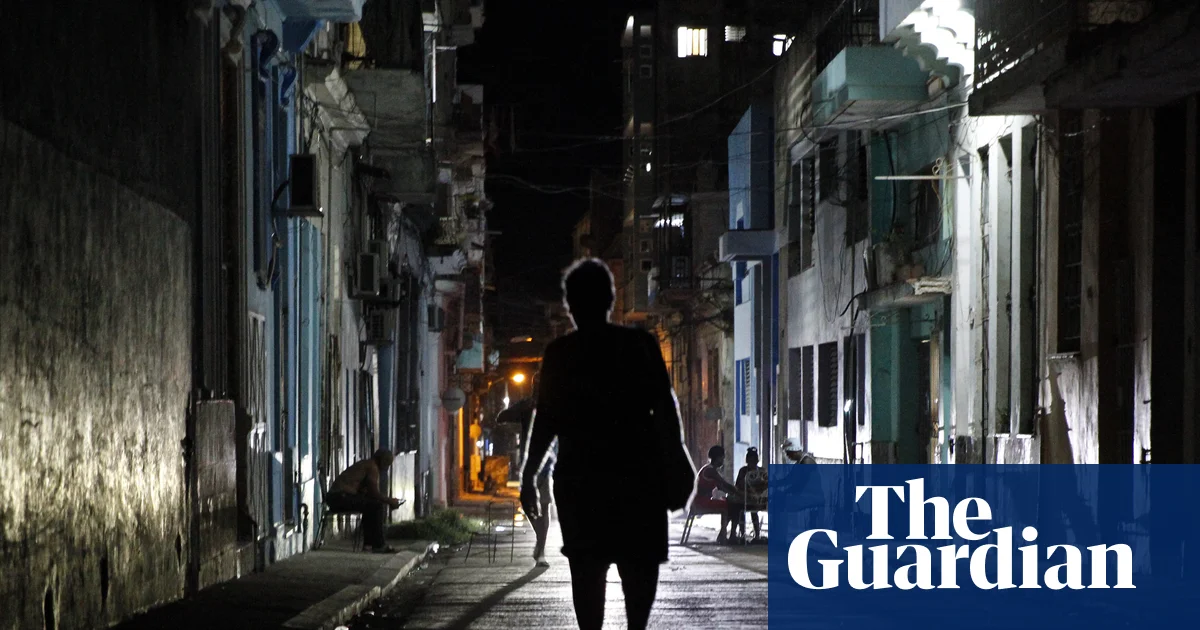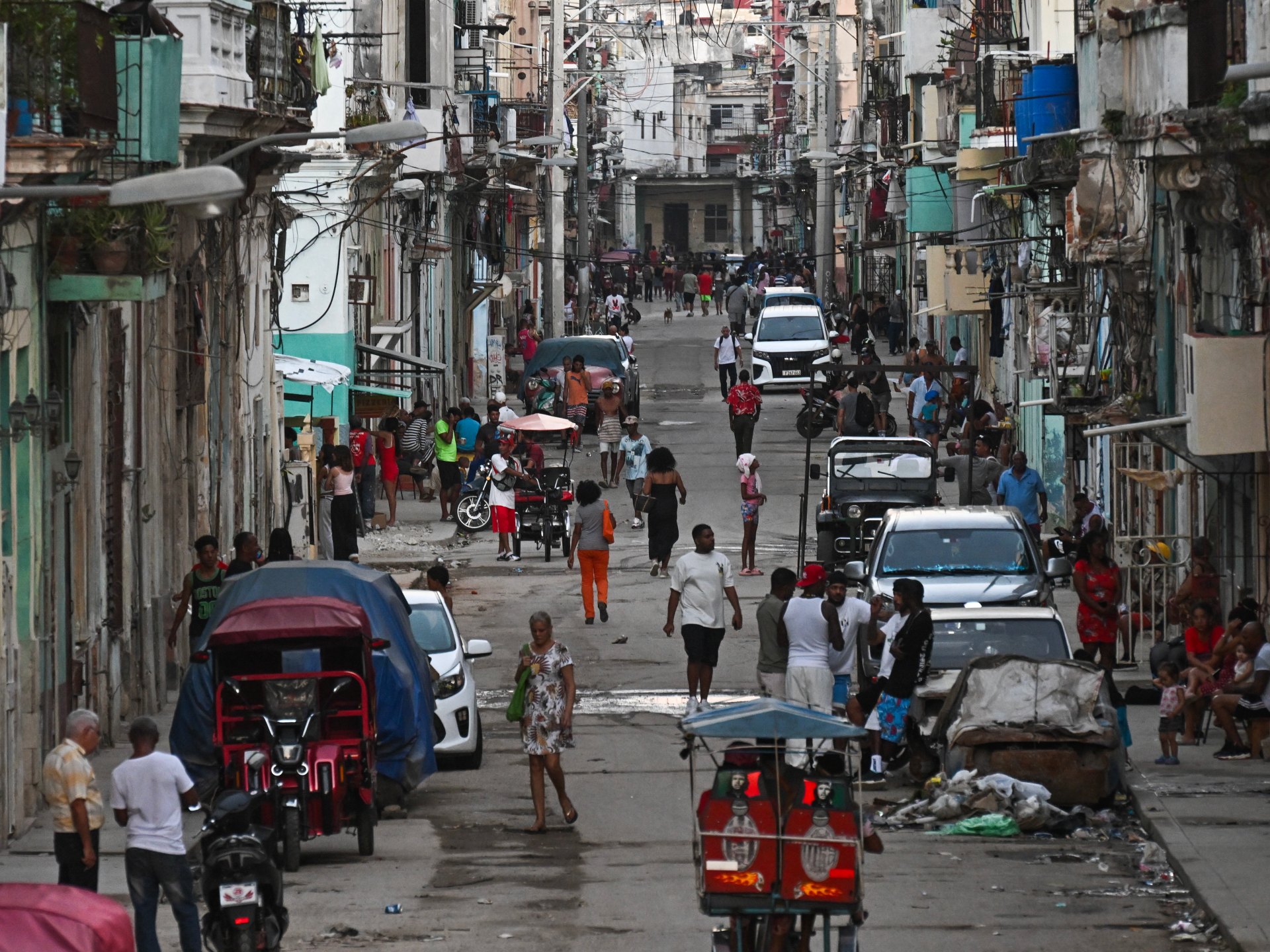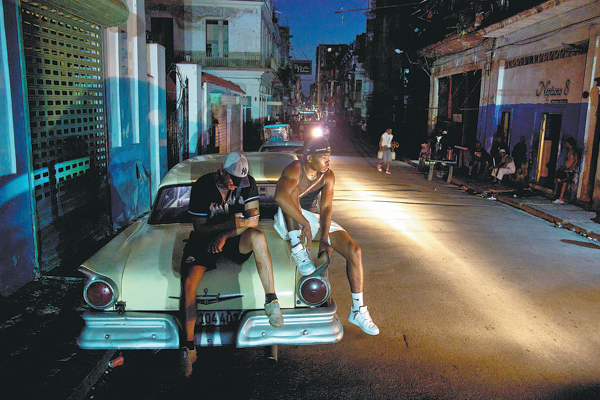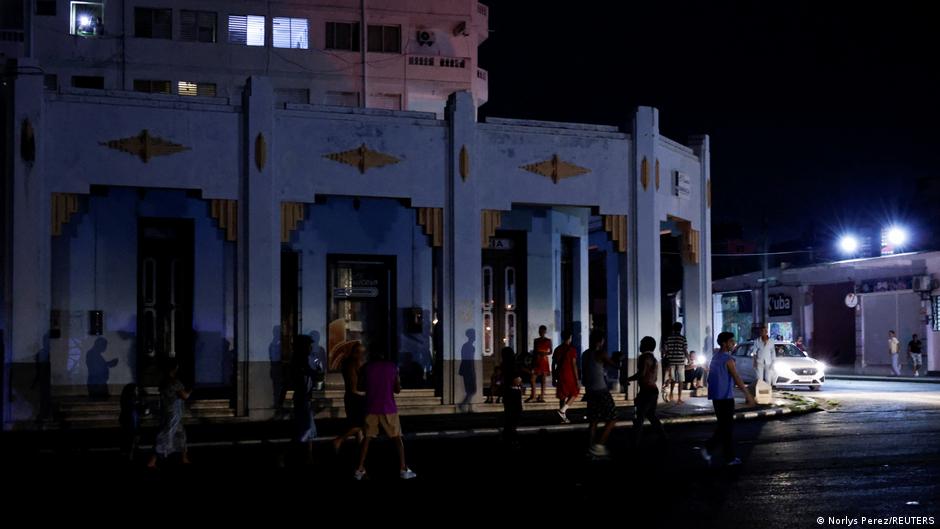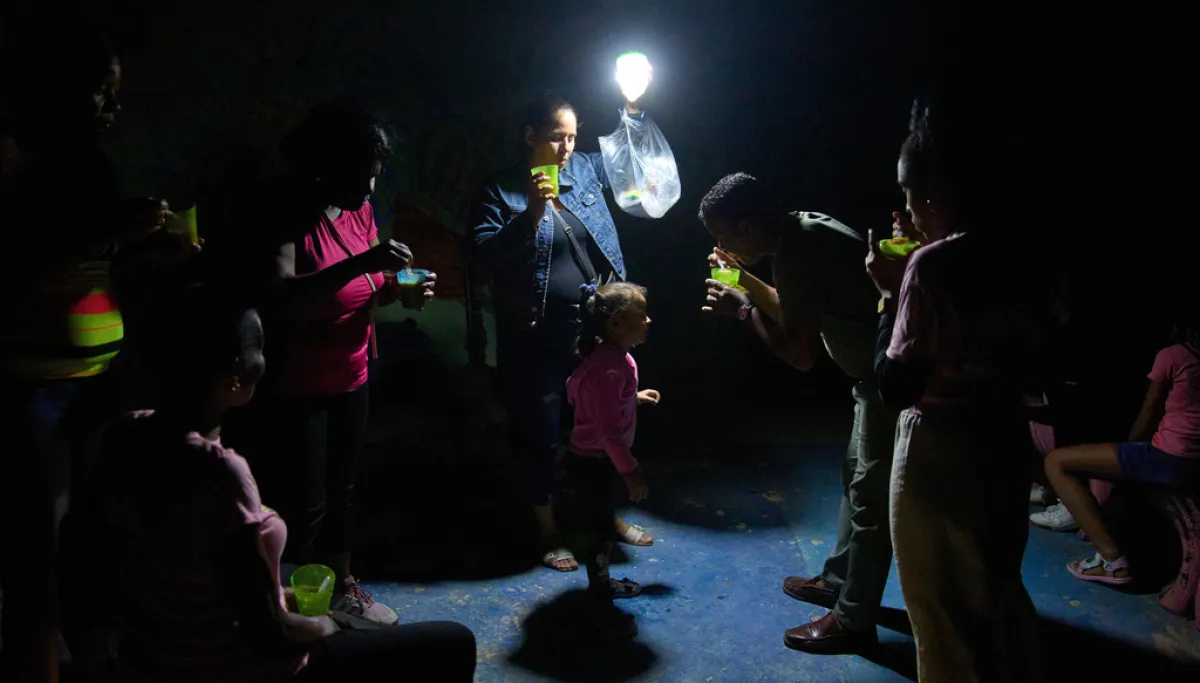
Cuba underwent an island-wide blackout on Monday as a U.S. naval oil blockade continues to strain the Caribbean nation’s energy crisis.The state-owned electrical workers union said there was a “total disconnection” of the island’s power grid, the cause of which is unknown. The investigation is ongoing.Roughly 10 million people have been left without electricity. Cuba’s Ministry of Energy and Mines said it began to activate power recovery protocols.
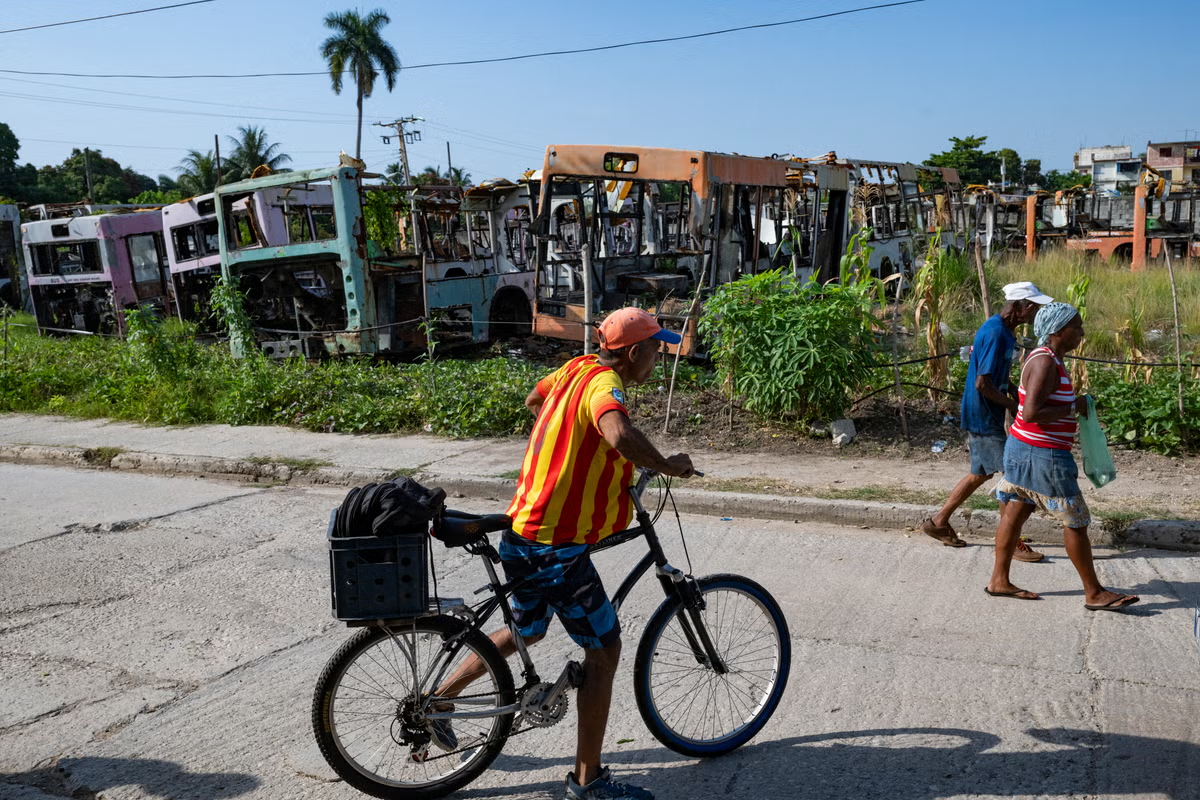
This marks the latest widespread blackout for Cuba this year, with the healthcare system and other critical services among those affected. The last nationwide power outage happened in March.Cuba is undergoing an extended economic crisis that the United States is exacerbating through aggressive sanctions and tariff threats against countries supplying oil to the island’s socialist government. As a result, Cuba is running out of fuel.President Donald Trump is exerting intense pressure on Cuba as he threatens to execute a military operation to force regime change. No military campaign has taken place yet. If one does, it will likely draw comparisons to U.S. military intervention in Venezuela this year.Cuban President Miguel Diaz-Canel recently suggested his country is prepared to resist any military takeover should one materialize.Other Cuban officials have repeatedly blamed the U.S. for its deeply entrenched economic and energy problems.Cuban Foreign Affairs Minister Bruno Rodriguez Parrilla called the oil blockade a “threat” to the island’s sovereignty as he prepares to make that case before the United Nations General Assembly in New York City on Tuesday.“We have come to the [U.N.] with the truth of our people and the strength of International Law to denounce the US aggressive actions against Cuba,” Parrilla posted on X. “We will defend our sovereign right to live without an energy siege, without a foreign imposed asphyxia, without coercion, without a threat of a blood bath and without a collective punishment.”The diplomat cited the U.N. Charter, which upholds the sovereign equality of all member states by prohibiting the threat or use of force.The Trump administration “attempts to prevent the UN General Assembly from taking a stand on this issue,” he said. “It is putting pressure on governments and is seeking to coerce the sovereign will of member States. But the voice of the peoples can not be blockaded.”It remains to be seen whether Trump will deliver on his threat to intervene militarily in Havana.The U.S. previously indicted former Cuban President Raul Castro and five others over their involvement in shooting down two U.S. planes operated by a Cuban exile group in 1996. The attack left four Americans dead.RUBIO SANCTIONS CUBAN ENTITIES DESPITE COUNTRY’S ATTEMPT TO LIBERALIZECastro’s grandson, who holds power within the Cuban regime as a security official and political adviser, said he is open to negotiating with Trump as the socialist government’s fate remains uncertain.“I can negotiate with anyone designated by the U.S.,” Raul Guillermo Rodriguez Castro told USA Today in a new interview. “If given the opportunity, [of course, with] Trump.”