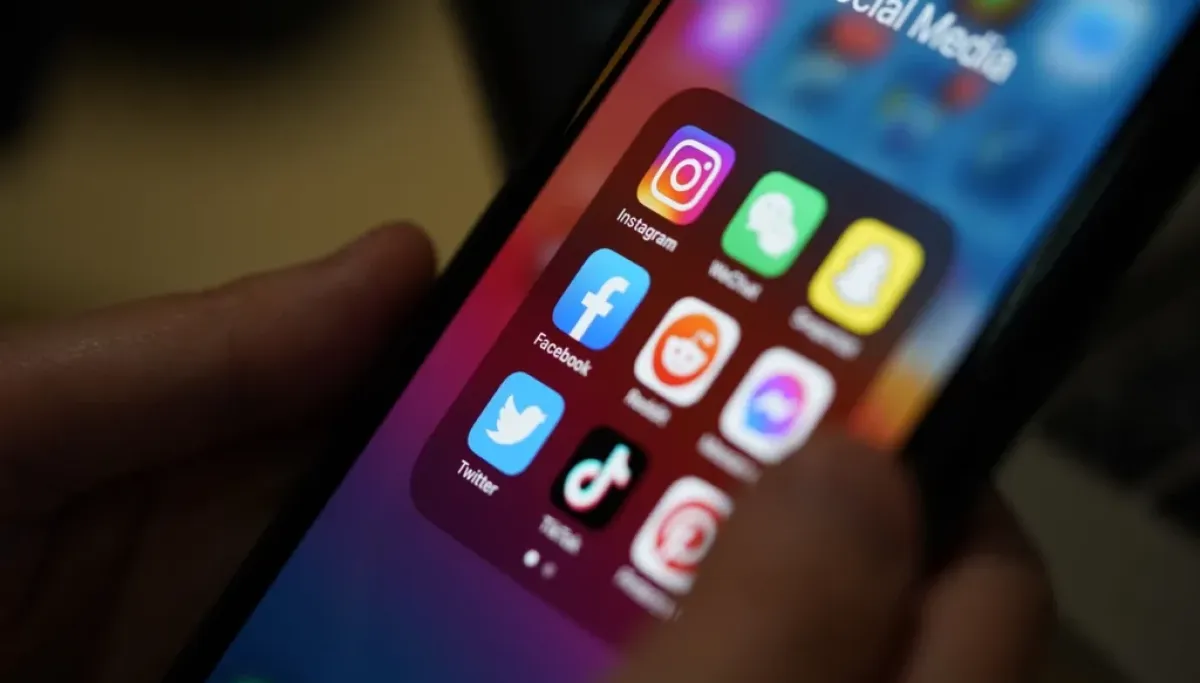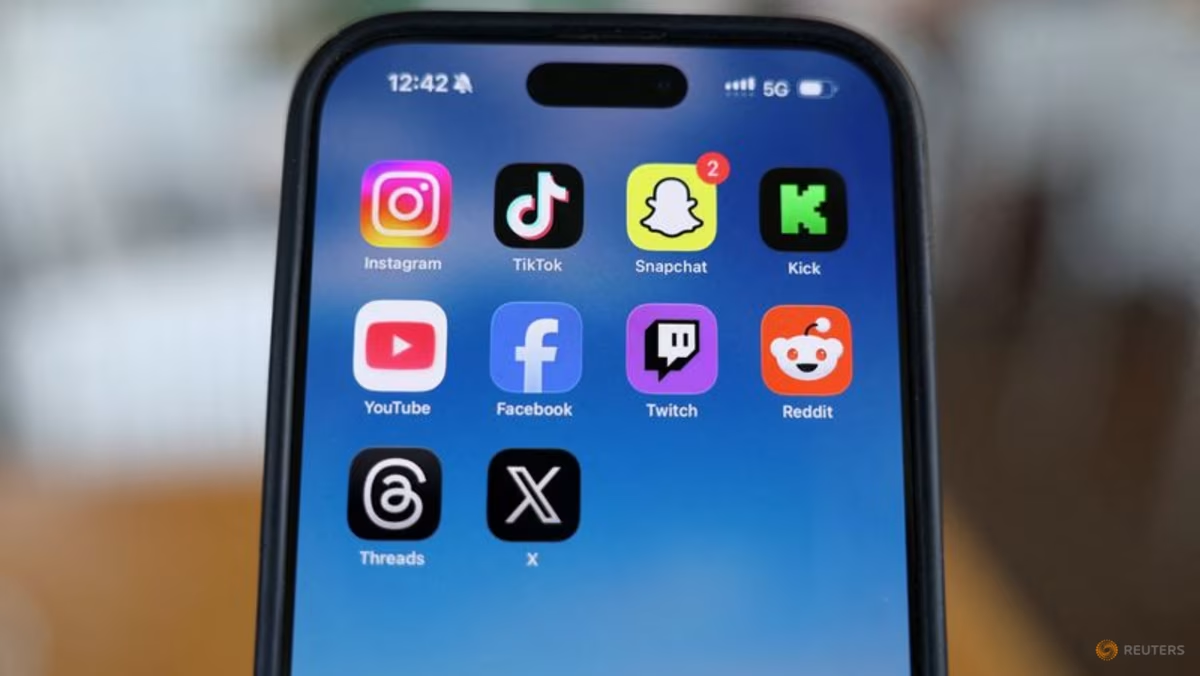
The Supreme Court on Monday allowed Texas to enforce a law that requires mobile app stores to verify the age of users and obtain parental consent for minors attempting to install programs on their phones.
Texas’ law, enacted last year in response to concerns about the online safety of minors, was opposed by the computer industry and a group of students who argued that it violated the First Amendment. Other states have considered similar laws amid a push to tighten online regulations for young people.
The Supreme Court sided with Texas in the emergency appeal without explanation. There were no noted dissents.
“A minor child who downloads a software application from an app store agrees to contractual terms of service, including whether the child’s location will be tracked, whether the child’s privacy will be protected, whether information from the child’s phone can be sold by the developer, and whether the child waives the right to sue,” Texas told the Supreme Court in urging the court to allow its law to take effect.
But the Computer & Communications Industry Association, a trade group whose members include Apple and Google, said the law would effectively bar young people from accessing a wide range of content, “be it a book by Ernest Hemingway or J.K. Rowling, a Taylor Swift album, or a subscription to National Geographic.”