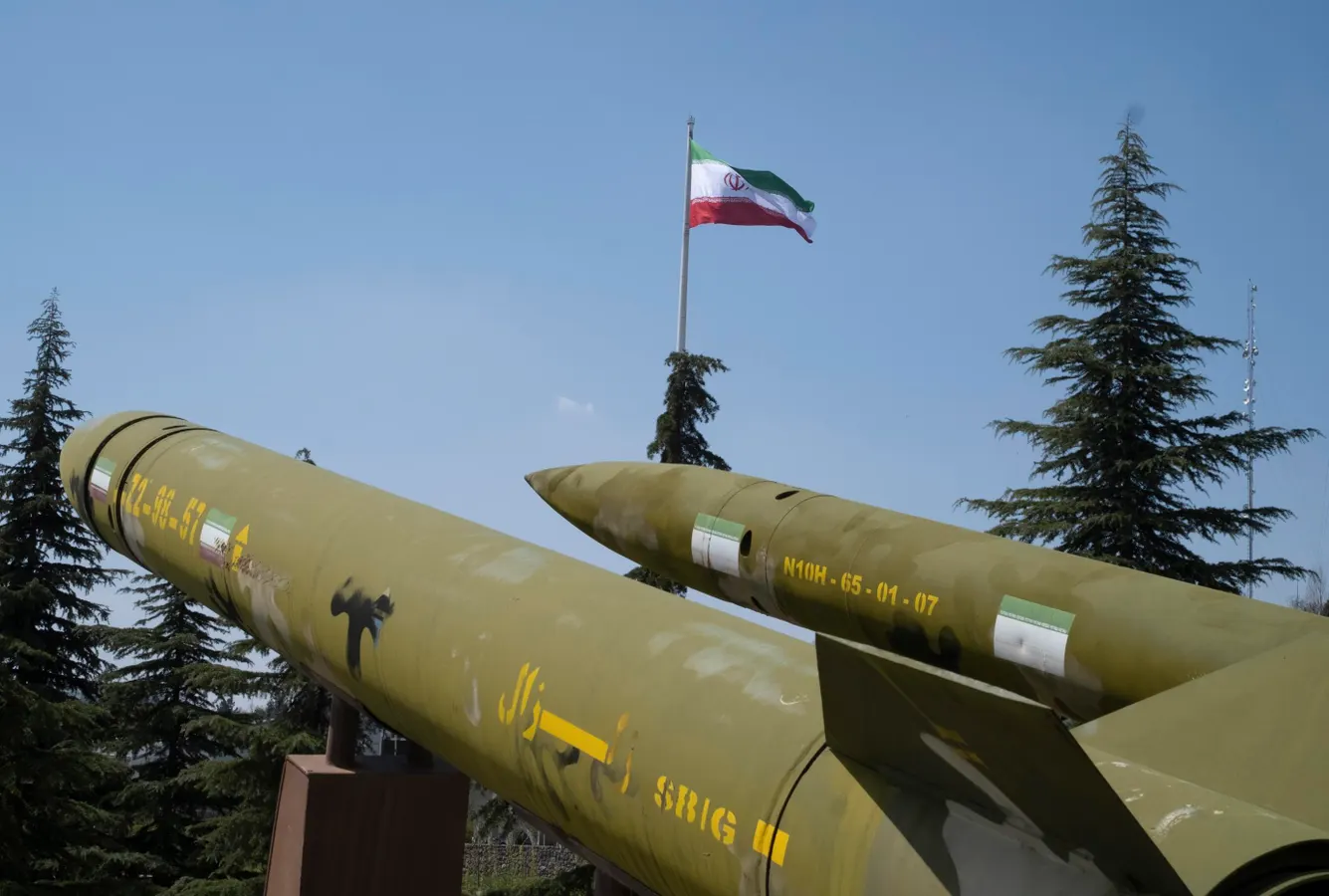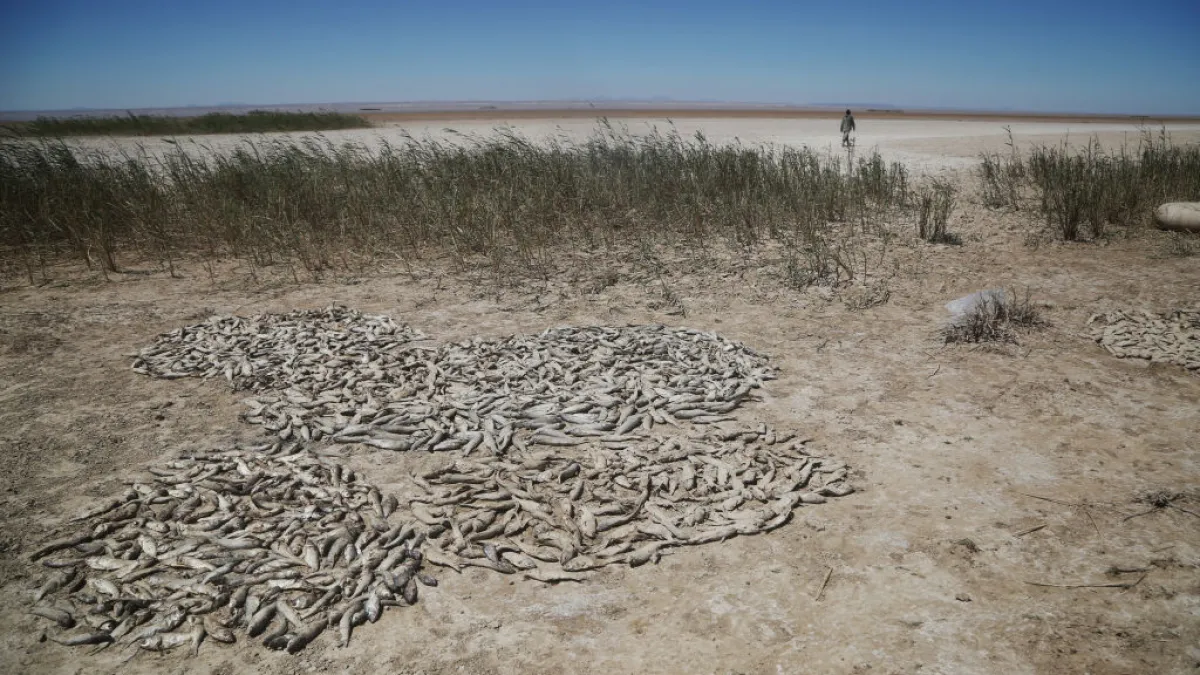
The war in Iran has hindered scientific research, making the long-running isolation of Iranian scientists more apparent.For decades, international sanctions and the war have limited their access to funding, professional development, and global scientific collaboration.Beyond potential damage to wildlife populations and ecosystems, conservation efforts are often ignored during wartime.Even amid the war, the Iran-based AvayeBoom Bird Conservation Society has continued its work “reconnecting people with wetlands through birds” and protecting critical bird habitats like the Arjan wetland in the country’s southwest.
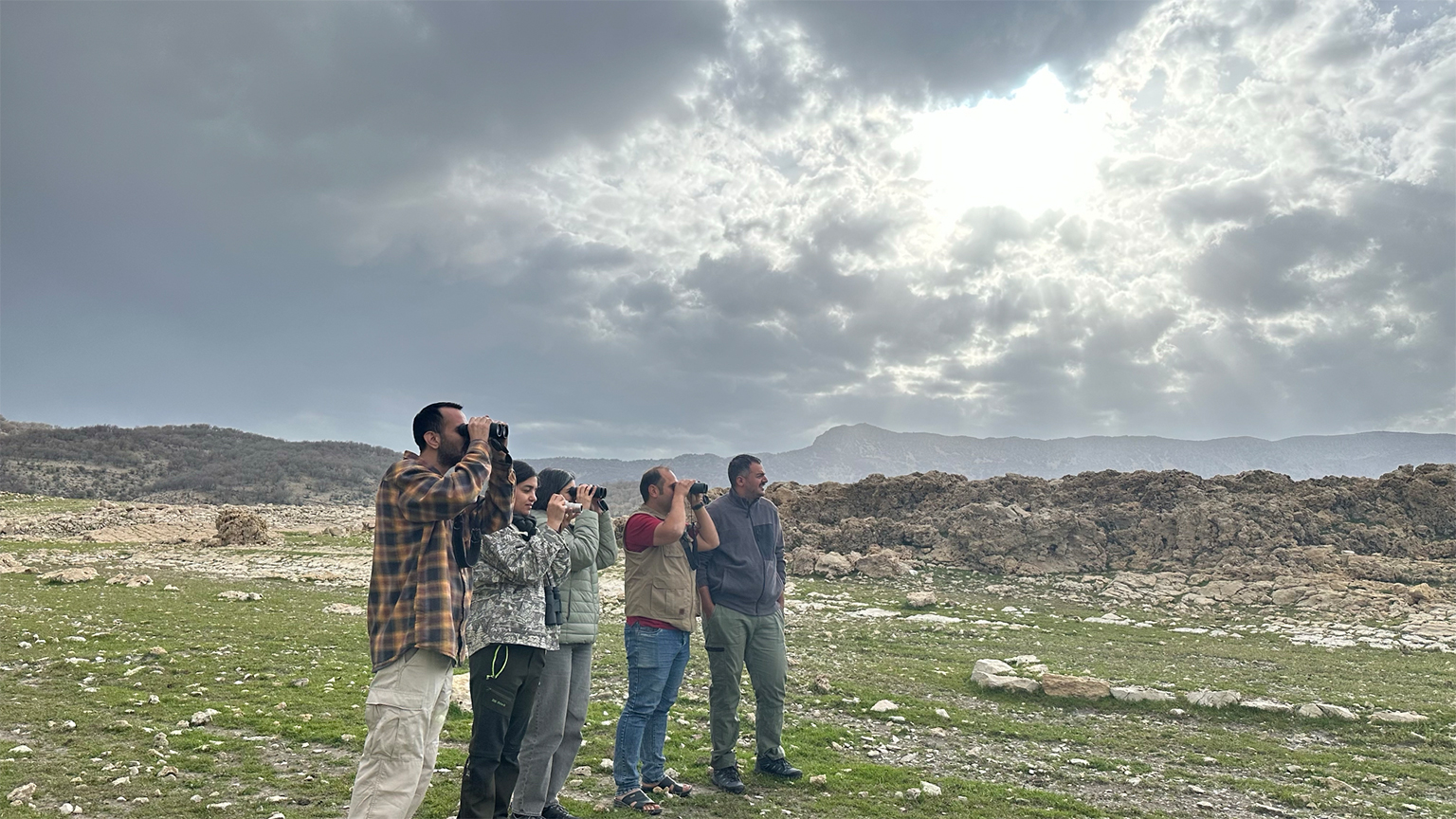
The smiles on the faces of Iman Ebrahimi and his colleagues in the photograph are revealing: After more than a month of war in Iran, a tenuous ceasefire in mid-April offered a brief window for the team to travel to one of Ebrahimi’s favorite field sites.
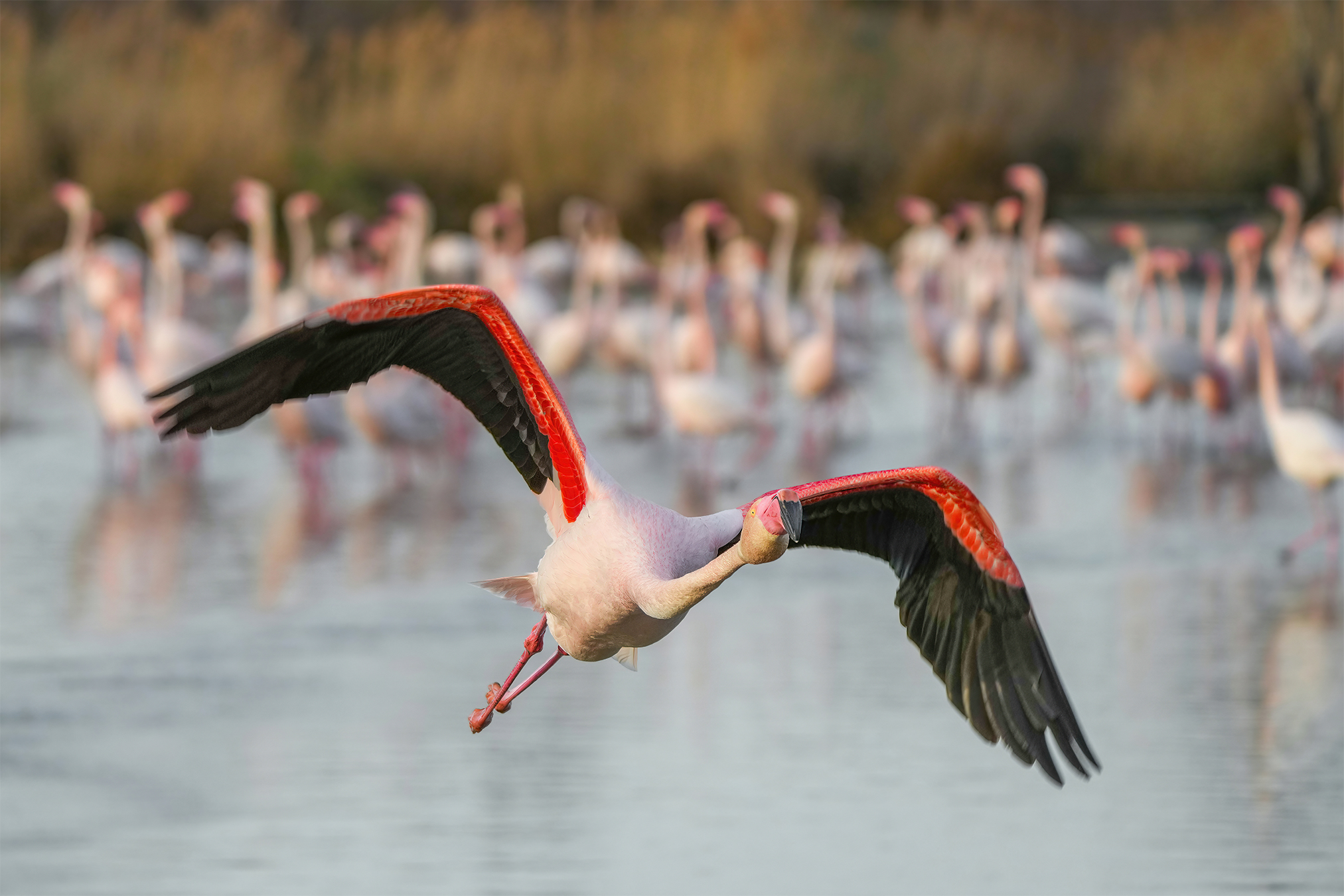
Maharloo Lake is the “hottest spot for flamingo breeding in Iran,” he said excitedly on a video call during a rare period of stable internet early in the war. They saw “at least 5,000” greater flamingos (Phoenicopterus roseus) that day, he said, though there were probably more beyond the reach of their binoculars. “It was incredible.”