AI romantic companions — digital agents that can text, speak, flirt and are always available — are a rapidly growing social phenomenon.
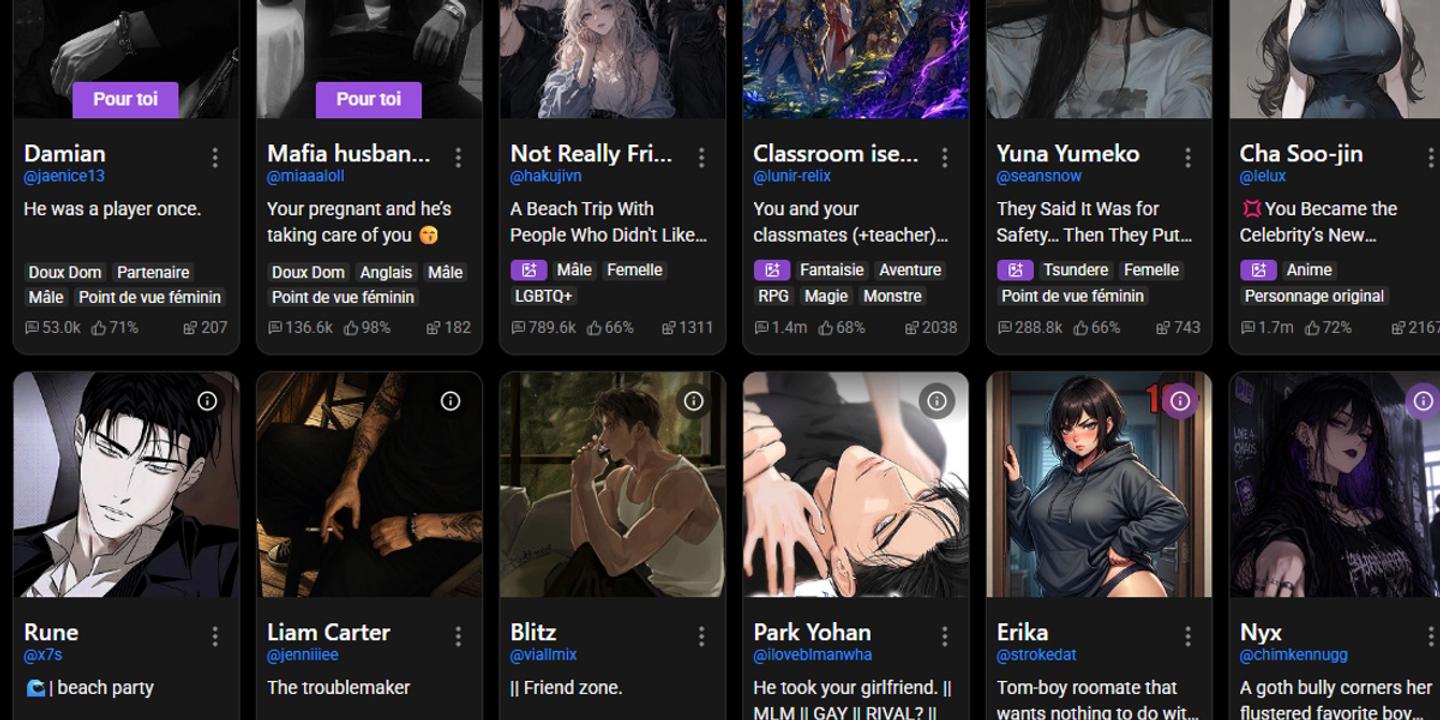
The number of AI companion apps rose by 700 per cent between 2022 and 2025. One of the more popular ones, Character.AI, reported about 20 million monthly active users in 2025.
Their appeal is easy to understand. They are always available, highly customizable and offer a steady sense of being heard, desired and understood — at a time when loneliness and social disconnection are on the rise.
Because these systems are designed to encourage attachment, people often humanize them in return. For some people, that can create the feeling of being deeply known, sometimes even more than by a human partner. Research shows that 21 per cent of romantic AI users prefer this “ultimate soulmate experience” to interacting with a real partner.
The growing visibility of romantic AI companions has pushed the issue into public debate, raising a central question: If a chatbot can feel this intimate, does it count as cheating in a committed relationship?