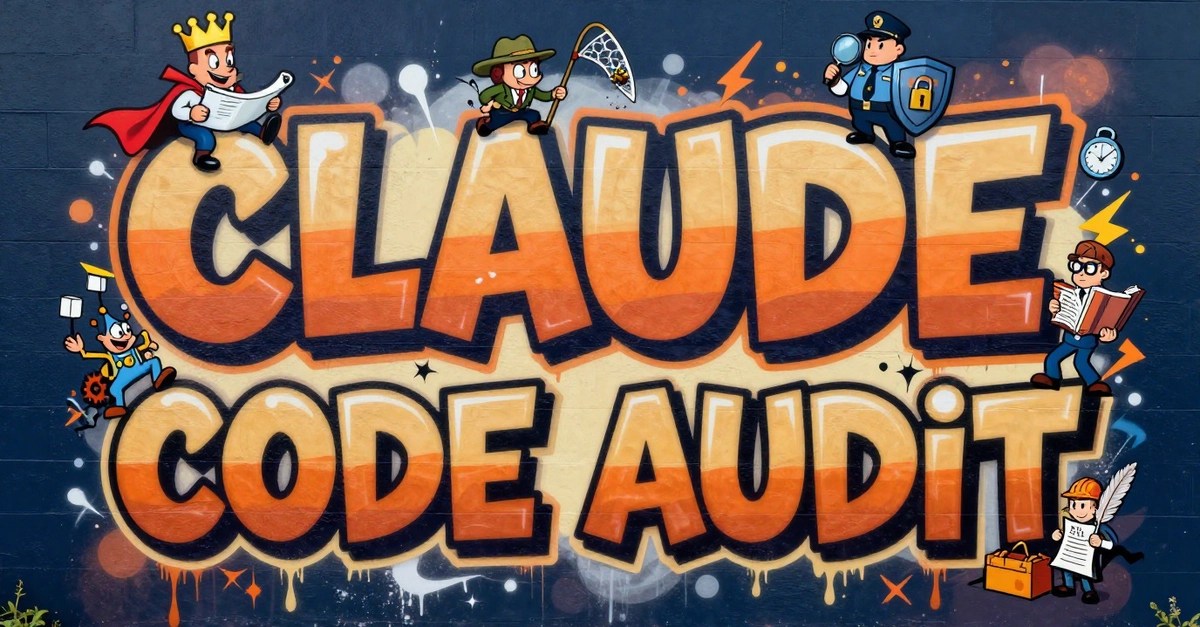
CCA-Audit — open source (MIT)
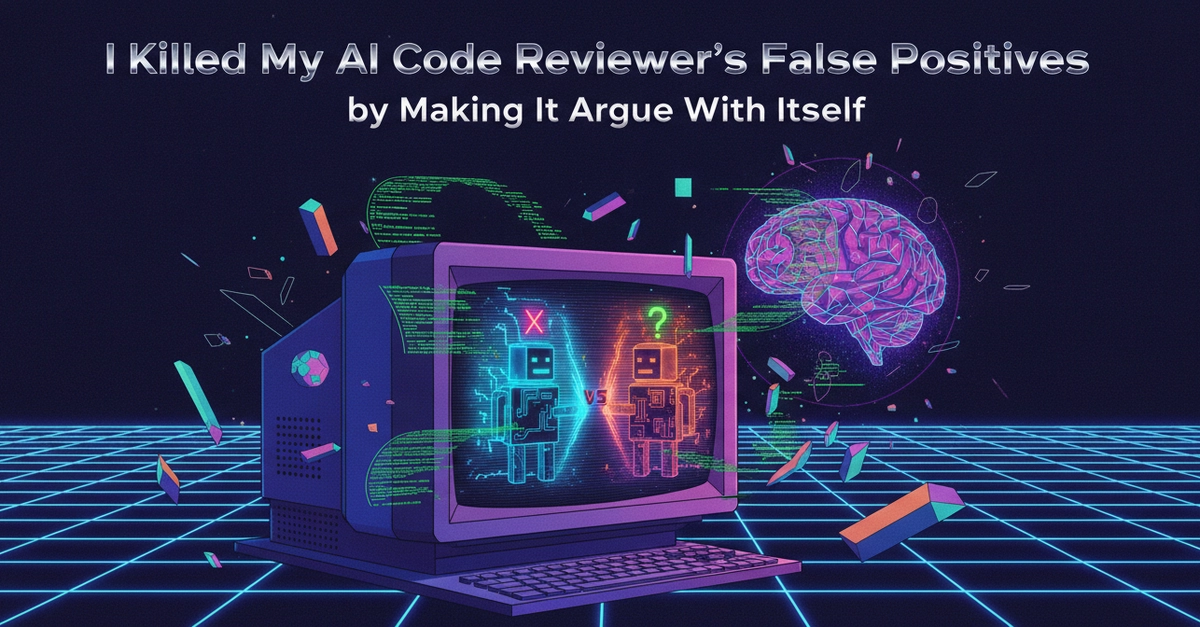
AI code review has a trust problem, and it's not that it misses bugs. It's that it invents them.
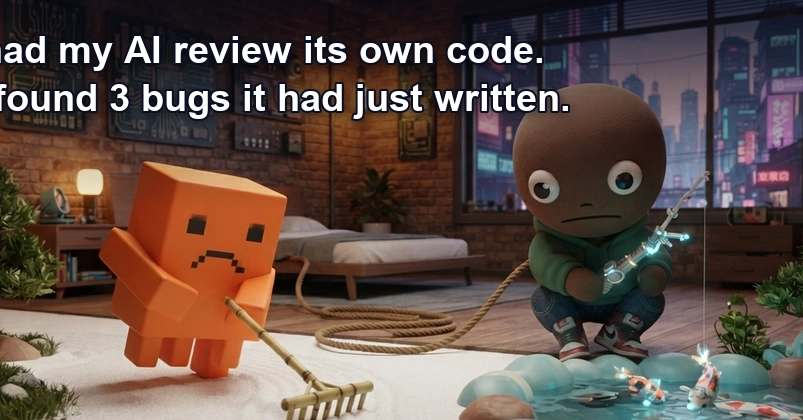
If you've run an LLM over a diff, you've seen it: a "possible null dereference" on a value that's guarded three lines up. A "SQL injection" your ORM already parameterizes. A "race condition" that can't happen. And then — worse — it confidently rewrites working code to "fix" the thing that was never broken. The real bug, meanwhile, sits quietly in the noise.
The problem isn't intelligence. It's that most AI reviewers report their first impression as a verdict. A model reads a diff, pattern-matches "this looks like X," and emits a finding — without ever going back to check whether X is actually reachable in this code. Humans do a second pass ("wait, is price validated upstream?"). Most AI-review pipelines skip it.
Here are two gates that add that second pass — and a stress test showing what they catch.