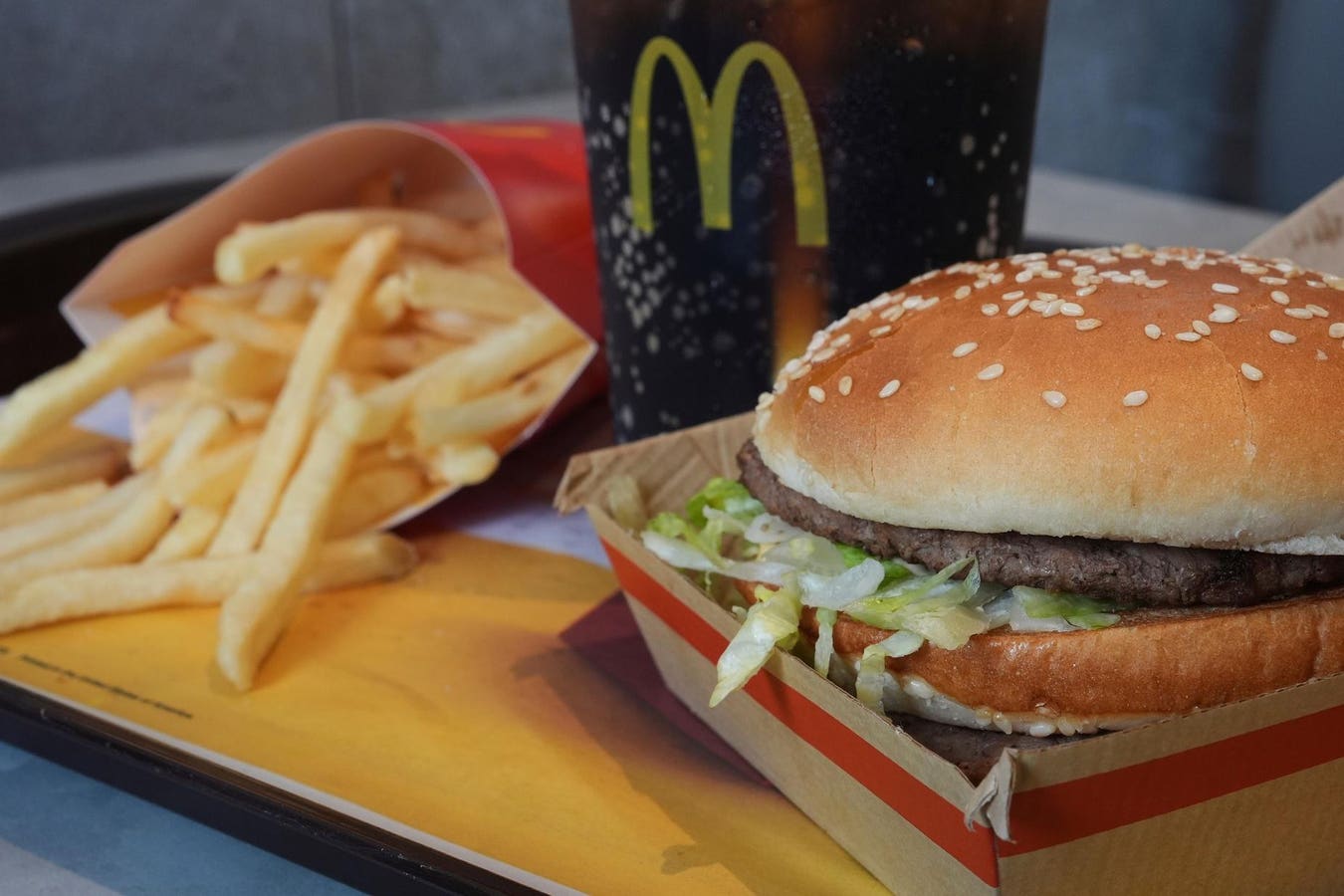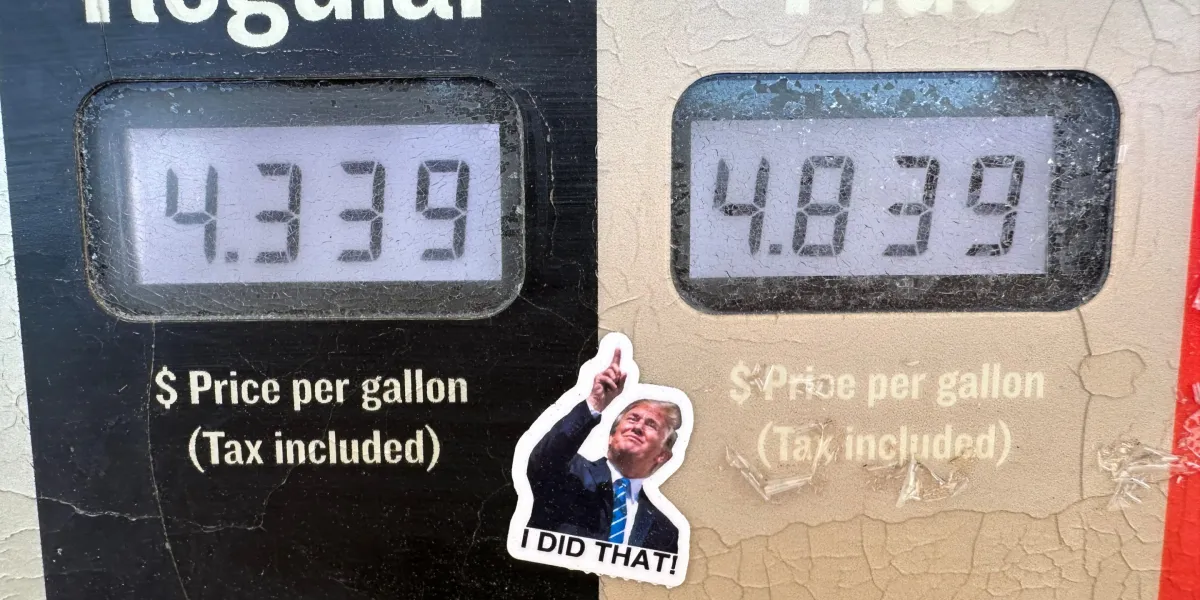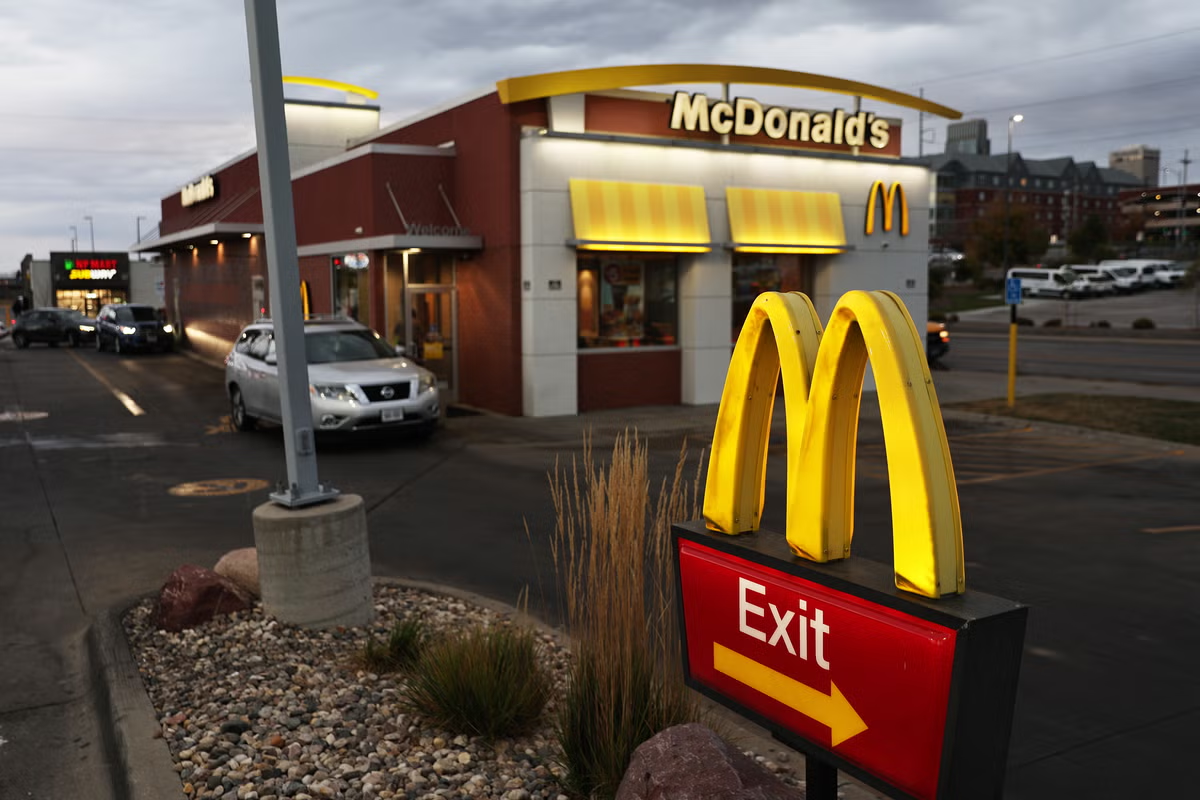
Even the likes of the Big Mac and Whopper didn’t stand a chance against soaring gas prices, with fast-food drive-thru customers falling 6.8 percent in May, according to research from data analysis firm Placer.ai.Simply put, gas prices, which hit three-year highs in May, likely kept money-conscious consumers away from their favorite fast-food restaurants (known as “QSRs”).“Drive-thru activity showed signs of weakness, with short-duration visits declining across both QSR and fast casual chains, suggesting that elevated fuel costs continue to influence dining behavior,” analyst Ezra Carmel wrote. Overall, fast food traffic fell by 4.4 percent, with consumers seeming to opt for full-service restaurants, which saw a 0.7-percent increase in traffic that likely benefited from Mother’s Day and May having five Sundays, the analysis noted. It wasn’t just fast-food chains that saw business tick down- fast-casual restaurants also experienced slower growth.Fast-food chains saw their drive-thru traffic decline in May, a trend that experts say is based on thrifty consumers and high gas prices (Getty)“Together, these trends provide additional evidence that persistent inflation and tighter household budgets are weighing on consumer behavior,” Carmel wrote. Americans faced a staggering increase in gas prices and inflation after President Donald Trump attacked Iran on February 28. Gas prices shot up to a four-year high by May as traffic in a critical global oil shipping lane, the Strait of Hormuz, ground to a halt amid fears of Iranian military attacks. By Memorial Day weekend, the price of a gallon of gas had hit a four-year high of $4.56 and was $1.38 higher than the year before, according to motor club AAA.The dizzying rise in fuel meant it cost consumers a collective $59 billion in extra fuel spending through May compared to a year earlier. Drivers scrambled for ways to accommodate their financial pain at the pump. Some 80 percent tried to cut back on their driving to save money, while 76 percent cut back on spending in other areas to free up gas dollars, according to a June survey from data and tech company Numerator. Gas prices surged to four-year highs in May ahead of Memorial Day weekend but have since fallen by more than $1.00 per gallon. One expert believes fast-food restaurants may see a bounce-back in traffic because of it. (Getty)Inflation followed the gas spike, streaking upward from 2.4 percent in February to 3.3 percent in March, 3.8 percent in April and 4.2 percent in May.With the economy squeezing every last dollar out of their pockets, consumers shifted their restaurant habits. Instead of spending money at the drive-thru, diners opted for the experience of sit-down dining, Placer.ai noted. The fast-food slump may not last much longer, though. Summer travel and gas prices that have fallen from $4.56 in May to $3.80 on Monday could boost drive-thru visits. “With summer travel season around the corner and some modest relief at the pump beginning to emerge, drive-thru traffic, for its part, could shift into a higher gear in the weeks and months ahead,” Carmel wrote.
Fuel prices got so high that people stopped going to the drive-thru as much: report
Even the likes of the Big Mac and Whopper didn’t stand a chance against soaring gas prices, with fast-food drive-thru customers falling 6.8 percent in May, according to research from data analysis firm Placer.ai.
498 words~2 min read