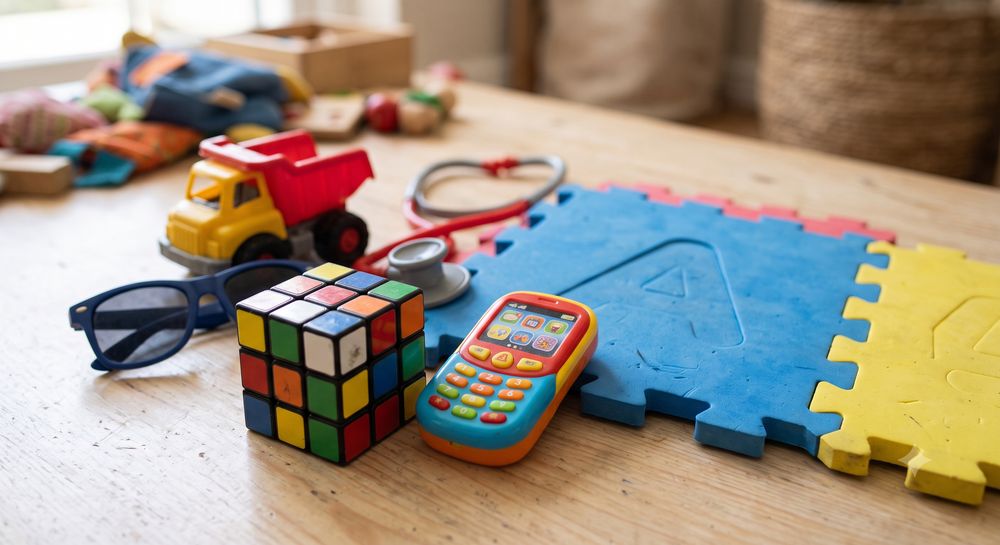
The research team uncovered chemical signatures for hazardous substances in everyday items, including Rubik’s Cubes, toy mobile phones, puzzle mats, sunglasses, toy vehicles and child car seats.
Dangerous toxic chemicals banned globally years ago are being found in children’s toys and products sold across South Africa, according to a sobering new study by the University of Cape Town (UCT).
Published in the journal Heliyon, the research exposes a deeply unsettling paradox of the modern green movement: well-intentioned plastic recycling is inadvertently pumping persistent organic pollutants back into consumer supply chains, directly targeting the country's most vulnerable citizens.
The study, titled “Legacy brominated flame retardants in children's products in South Africa: Evidence of toxic recycling in a global circular economy”, was conducted by Dr Rebecca Mlelwa as part of her doctoral research alongside her supervisor, Professor Andrea Rother, from UCT’s Environmental Health Division.
Using a handheld X-ray fluorescence spectrometer to screen 138 new and second-hand plastic items, the team uncovered chemical signatures for hazardous substances in everyday items, including Rubik’s Cubes, toy mobile phones, puzzle mats, sunglasses, toy vehicles and child car seats.