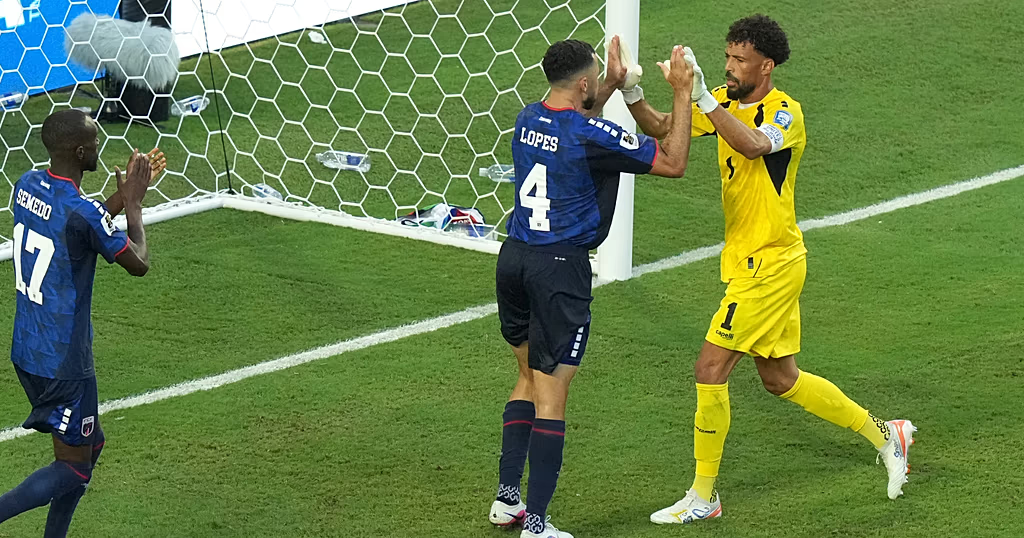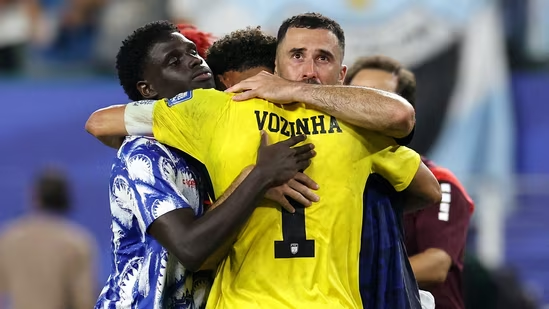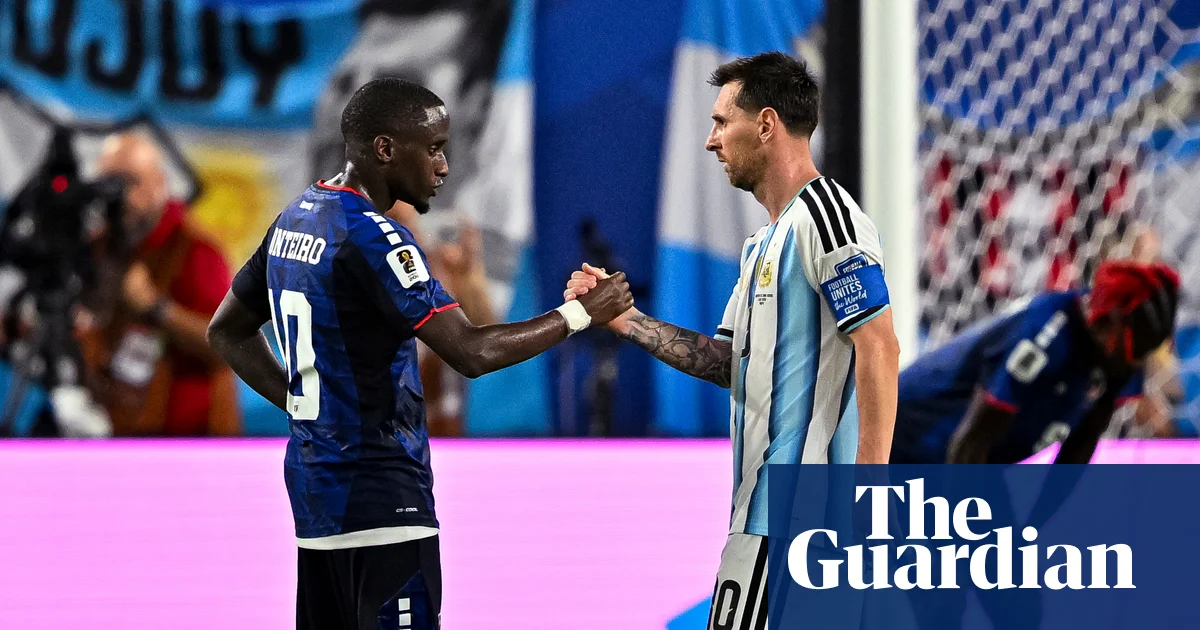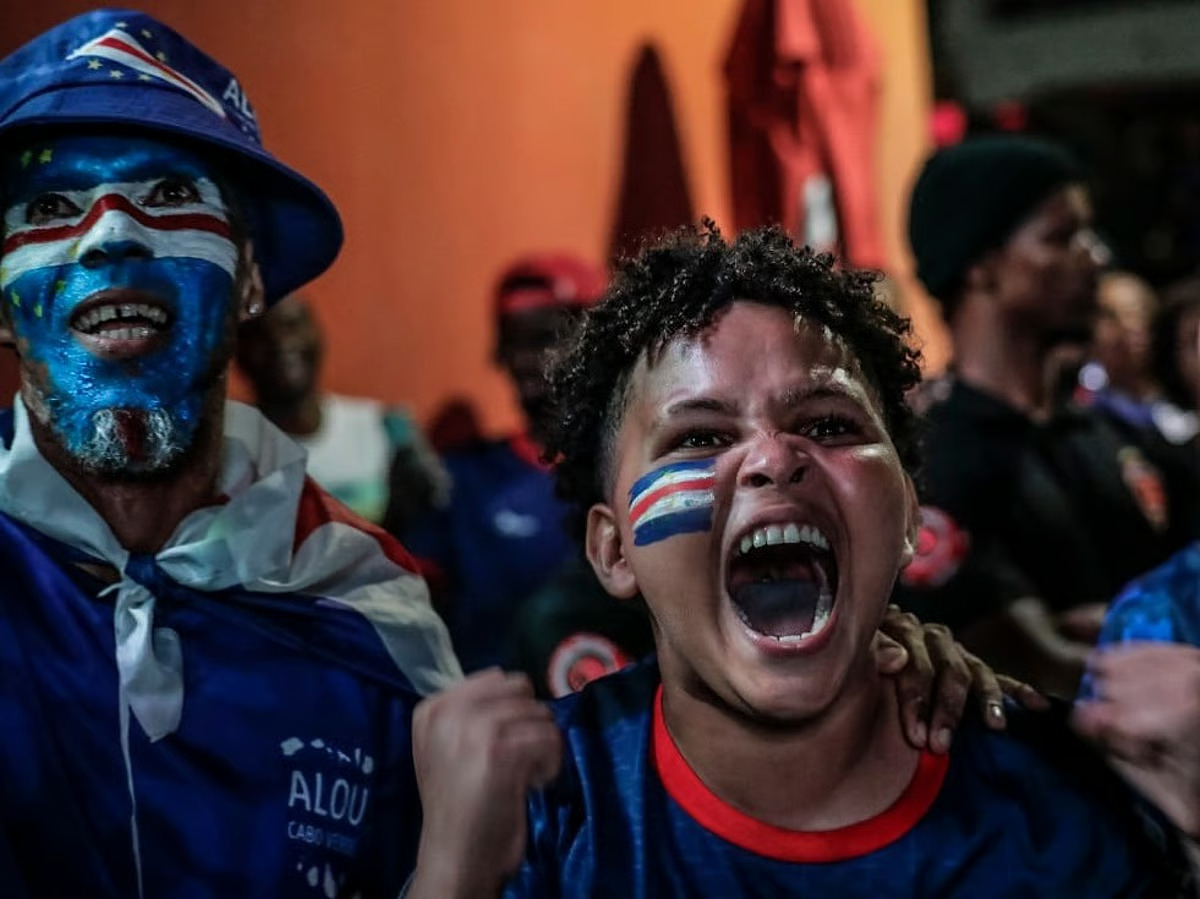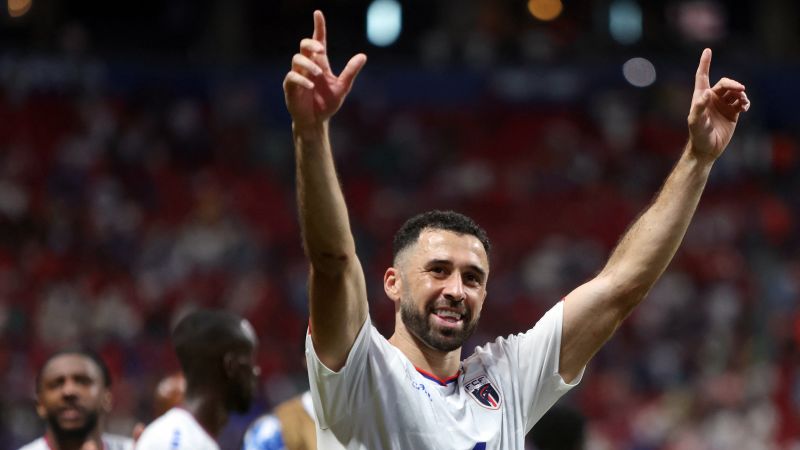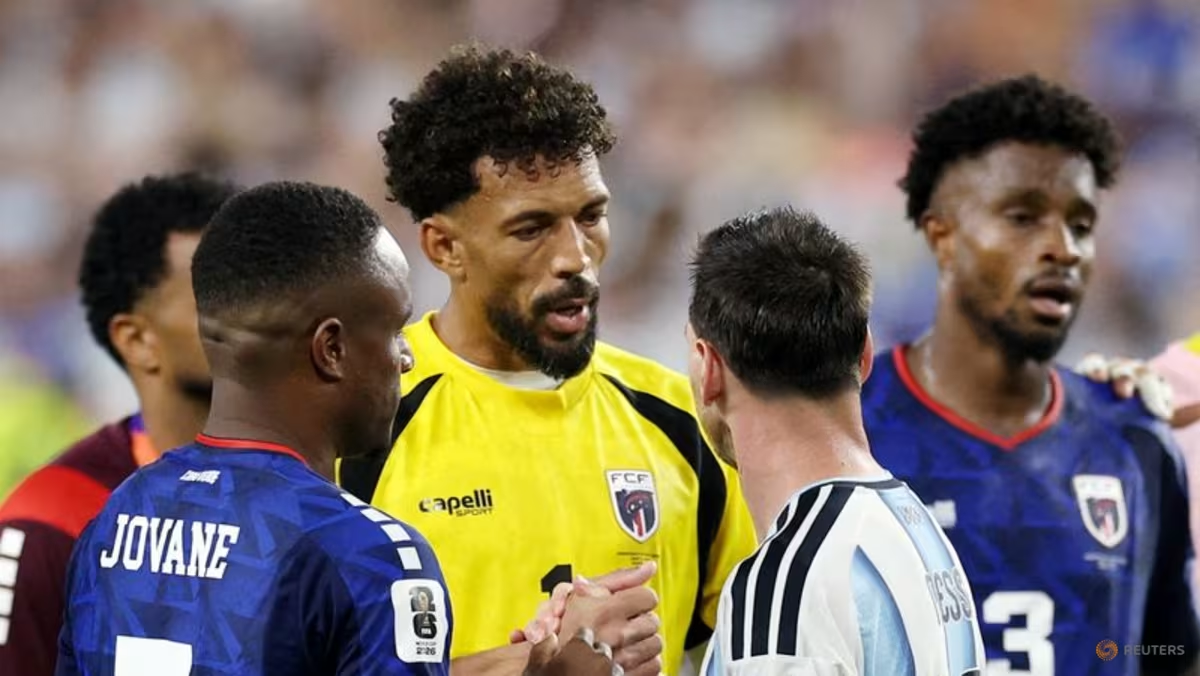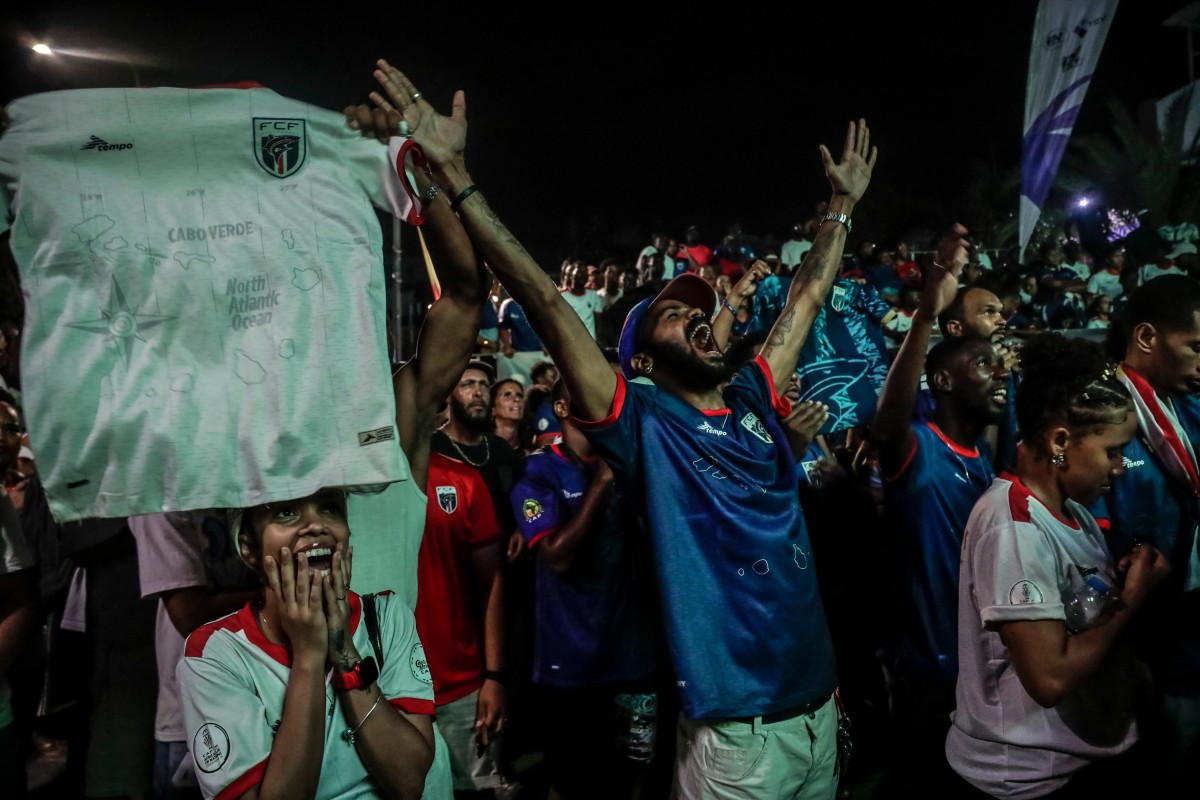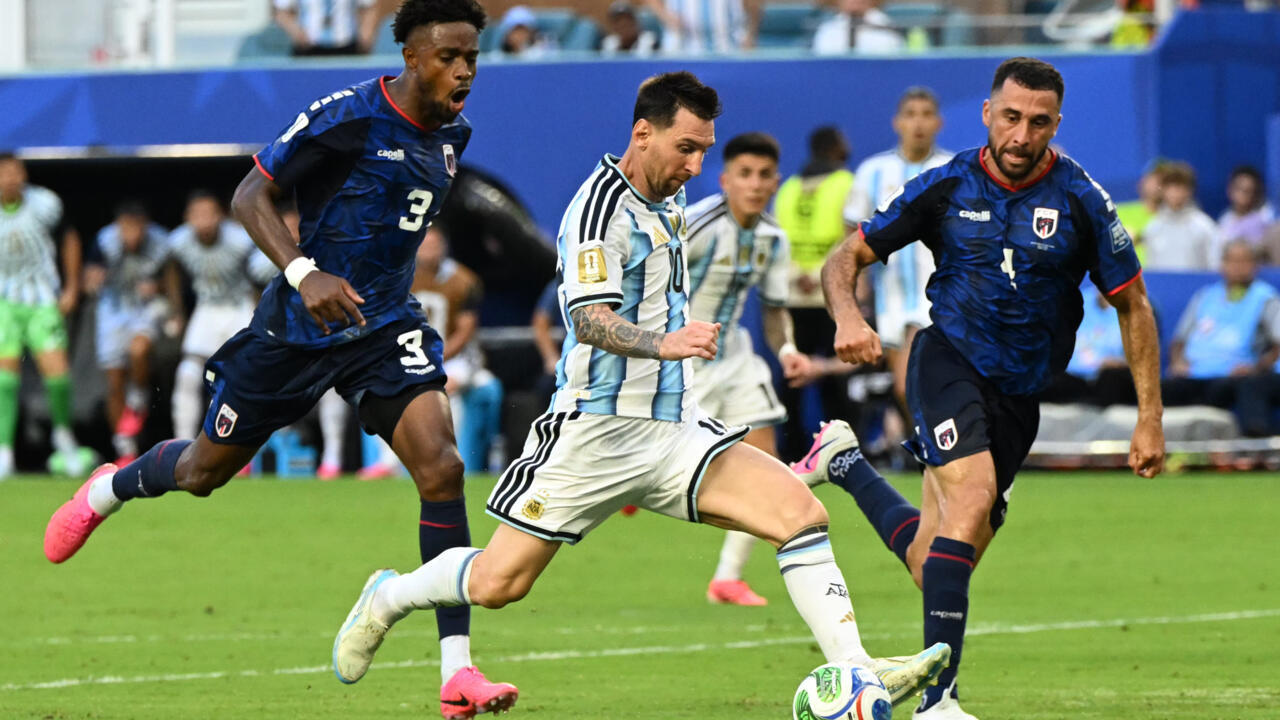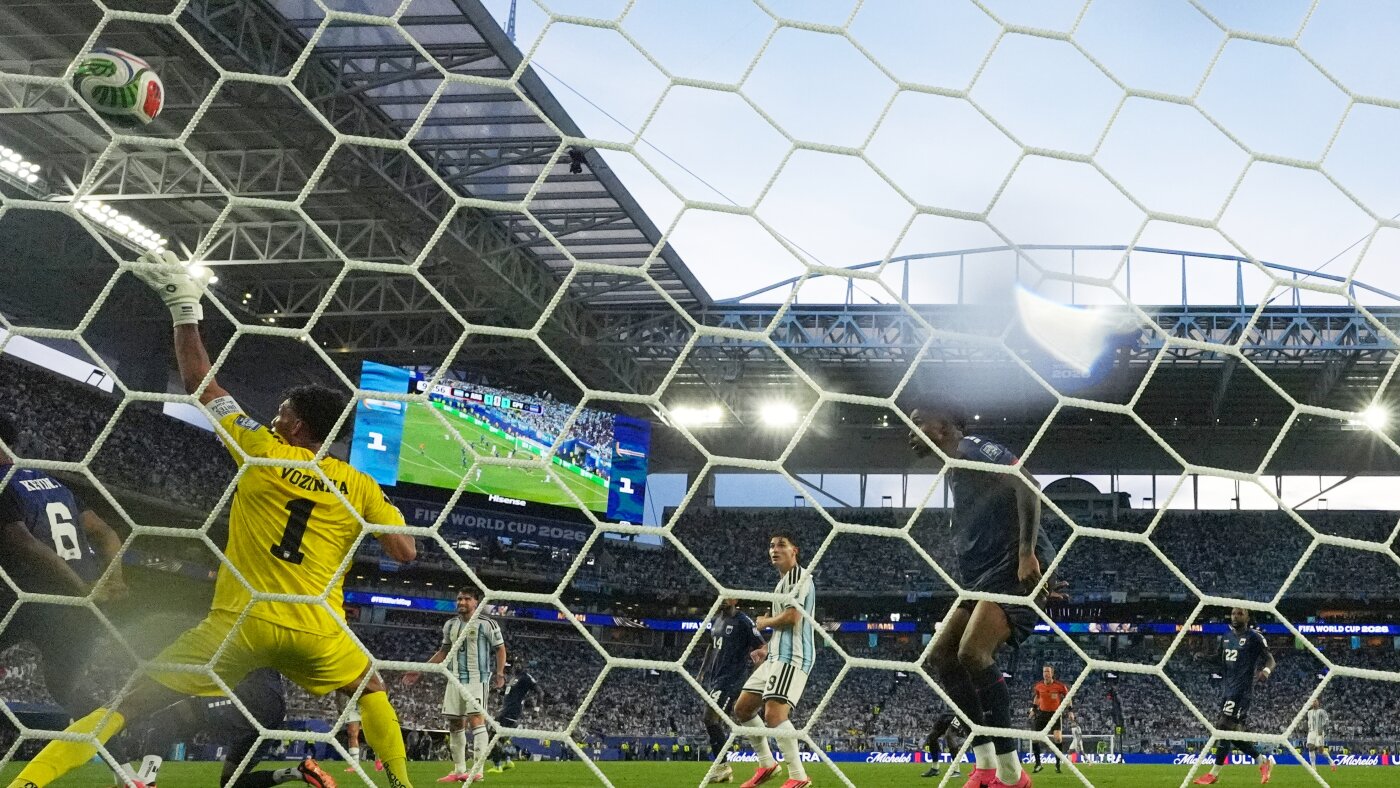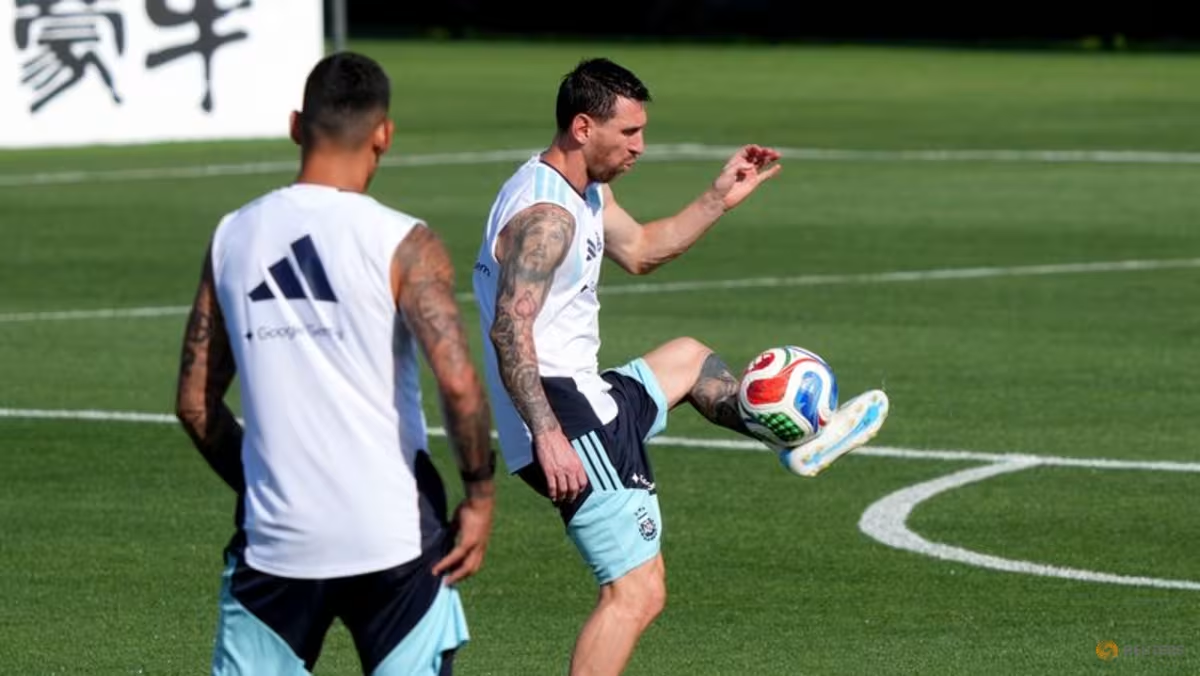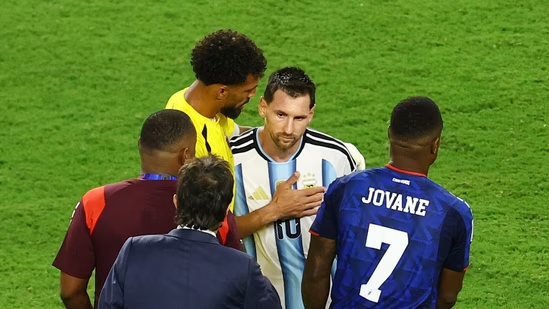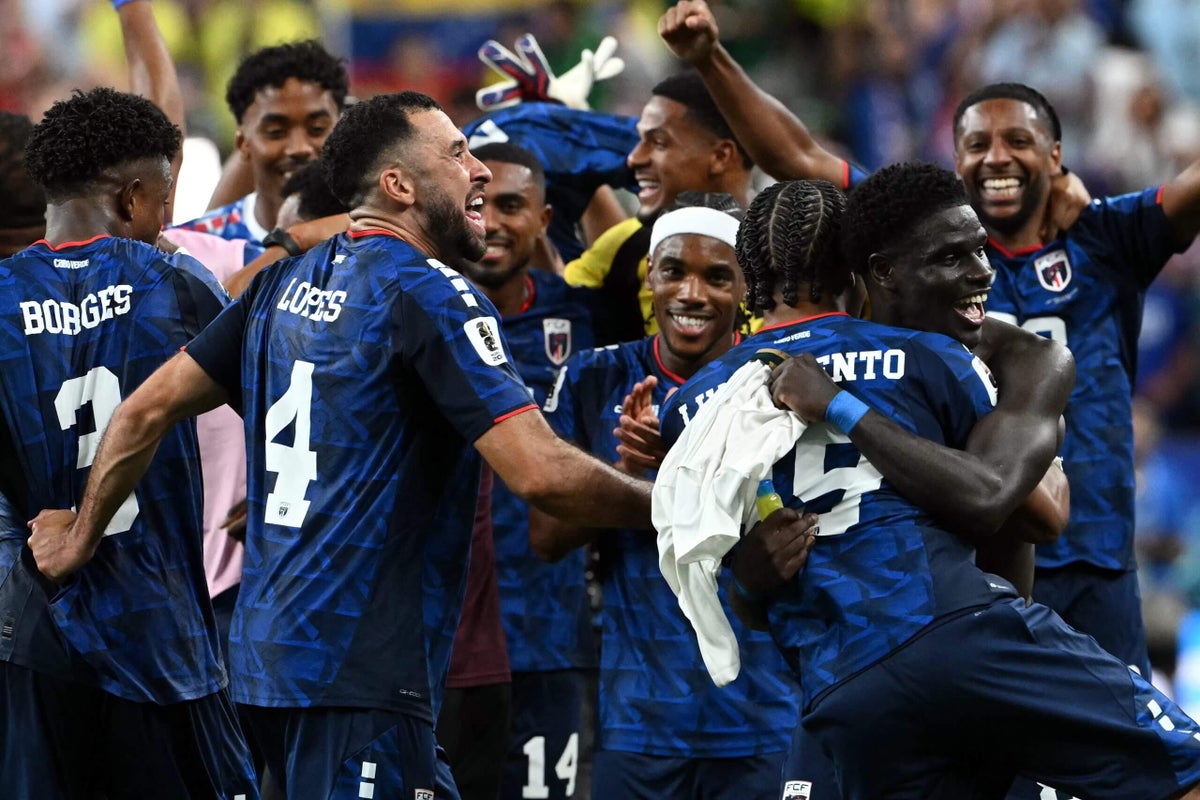
Cape Verde returned home as heroes on Sunday after a World Cup campaign that saw them capture the imagination in a way no other team has managed at this tournament.Lionel Messi and Argentina might have ultimately seen off the neutrals’ favourites, but Cape Verde leave a lasting impression on the tournament. Remarkably, they went unbeaten in 90 minutes of every match they played — despite facing Argentina, Spain and Uruguay over the course of their run.Their performances against the reigning European and world champions were particularly impressive. This was a team that overcame the odds.They were 10/1 to draw against Spain in their opening fixture and 3/1 to do the same against Marcelo Bielsa’s Uruguay. Even after emerging from the group stage unbeaten, Cape Verde were a lengthy 13/2 to take Argentina to extra time.Some other more illustrious teams still left in the World Cup might be looking at the success of Cape Verde for lessons they can apply to their own game.If Vozinha and co. can hold their own against some of the most fearsome forward lines in world football, why wouldn’t others examine their performances for inspiration?Keys to successCape Verde never wanted much of the ball in the games they played. In fact, they were ranked sixth-lowest in the entire tournament for average possession share, claiming 37 per cent of the ball per match. That ranked them above only Paraguay, Jordan, Curaçao, Qatar and Ghana.There were bolder possession teams at the 2026 World Cup, some of whom didn’t have the success that Cape Verde had. Algeria, for example, are ranked sixth for possession share despite exiting the tournament to Switzerland in the round of 32. New Zealand were 27th despite going out in the group stage.Instead, Cape Verde focused on what they could do with the ball in the fleeting moments they had it. Their performance against Argentina was the perfect encapsulation of this. Indeed, when the world champions turned the ball over, Cape Verde were quick to come striding forward with it.They found it remarkably easy to get to the edge of the Argentine penalty area where Lionel Scaloni set up his team to defend their own box. What he didn’t count on, however, was Sidny Lopes Cabral finding the top corner with an incredible strike from outside the box that will take some beating as the goal of the tournament.While some underdogs make a point of slowing the game down, Cape Verde kept their tempo high when they had the ball.Their rotations through the midfield and into the attack were quick and made it difficult for Argentina to get set in their defensive shape.Cape Verde were ranked 30th for expected goals (xG) at the World Cup, scoring four goals from an xG of 3.0. They slightly outperformed their underlying numbers, but were rewarded for their braveness on the ball and their willingness to take aim when the route forward appeared to be blocked.It should be noted that Cape Verde’s first equaliser against Argentina didn’t come from a pot shot, but from a well-constructed possession sequence that saw Ryan Mendes thread a through ball to Deroy Duarte who finished neatly inside the box. The Blue Sharks were able to demonstrate their technical ability in moments.Individual brillianceOf course, it would be remiss when analysing Cape Verde’s World Cup run not to highlight the contribution of Vozinha, the 40-year-old goalkeeper who became one of the unlikeliest stars of the tournament. Were it not for his brick wall impression, their run surely would have ended in the group stage.Of all the goalkeepers who played in the knockout rounds of the World Cup, Vozinha was ranked sixth-best for saves per 90 minutes and also prevented 0.9 xG. He kept clean sheets in goalless draws against Saudi Arabia and Spain, and earned his status as a national hero.In front of Vozinha, Diney Borges averaged 13.2 defensive contributions per 90 minutes. Only five players are ranked above him for this metric. João Paulo isn’t far behind, having registered 13 defensive contributions per 90 minutes. Cape Verde were rock-solid at the back.It might be difficult for others to replicate this sort of defensive stubbornness. What’s more, the best players on the best teams have a habit of producing moments that no low block or goalkeeper is capable of stopping.There was nothing, for example, Cape Verde could have done about Messi’s sensational opening goal. And yet something about Cape Verde’s fearlessness as a nation of just 500,000 people at their first-ever World Cup should spur on those still left in the tournament.Jul 6, 2026Connections: Sports EditionSpot the pattern. Connect the termsFind the hidden link between sports terms
How Cape Verde defied the odds and left a World Cup legacy
Cape Verde's fearless World Cup run inspired fans and defied odds, challenging football giants with grit and quality.
772 words~4 min read