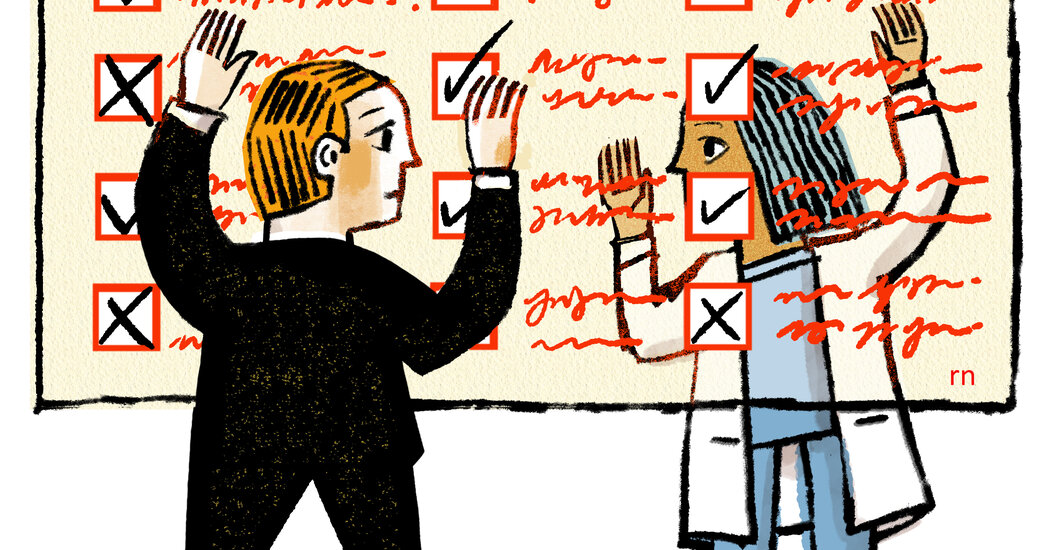
It's 4:47 PM. There are nine prior authorizations in the queue and the person working them has been at it since lunch. Each one is the same ritual: open the chart, hunt for the diagnosis codes, cross-reference the payer's coverage policy PDF (the one that changed last quarter and nobody told you), copy the ICD-10 that justifies the CPT, paste it into a portal that logs you out every twenty minutes, and hit submit knowing there's maybe a 70% chance it comes back denied for a reason you could have caught if you'd had time to read all eleven pages of the policy.
Then it comes back denied. And now it's an appeal, which is the whole thing again but angrier.
If you've built anything near a medical practice, you know this queue never empties. It just ages. And every aged auth is revenue sitting in limbo. I spent the last year building software to work this pile, and the interesting part wasn't the AI — it was realizing prior auth isn't a writing problem. It's a matching problem.
The pile is a matching problem, not a writing problem
The naive build is: dump the chart into an LLM, say "write a medical necessity letter," ship it. It produces confident, fluent prose. It also gets denied, because a payer doesn't grade prose. A payer grades whether specific, enumerated criteria in their coverage policy are each backed by something in the chart.