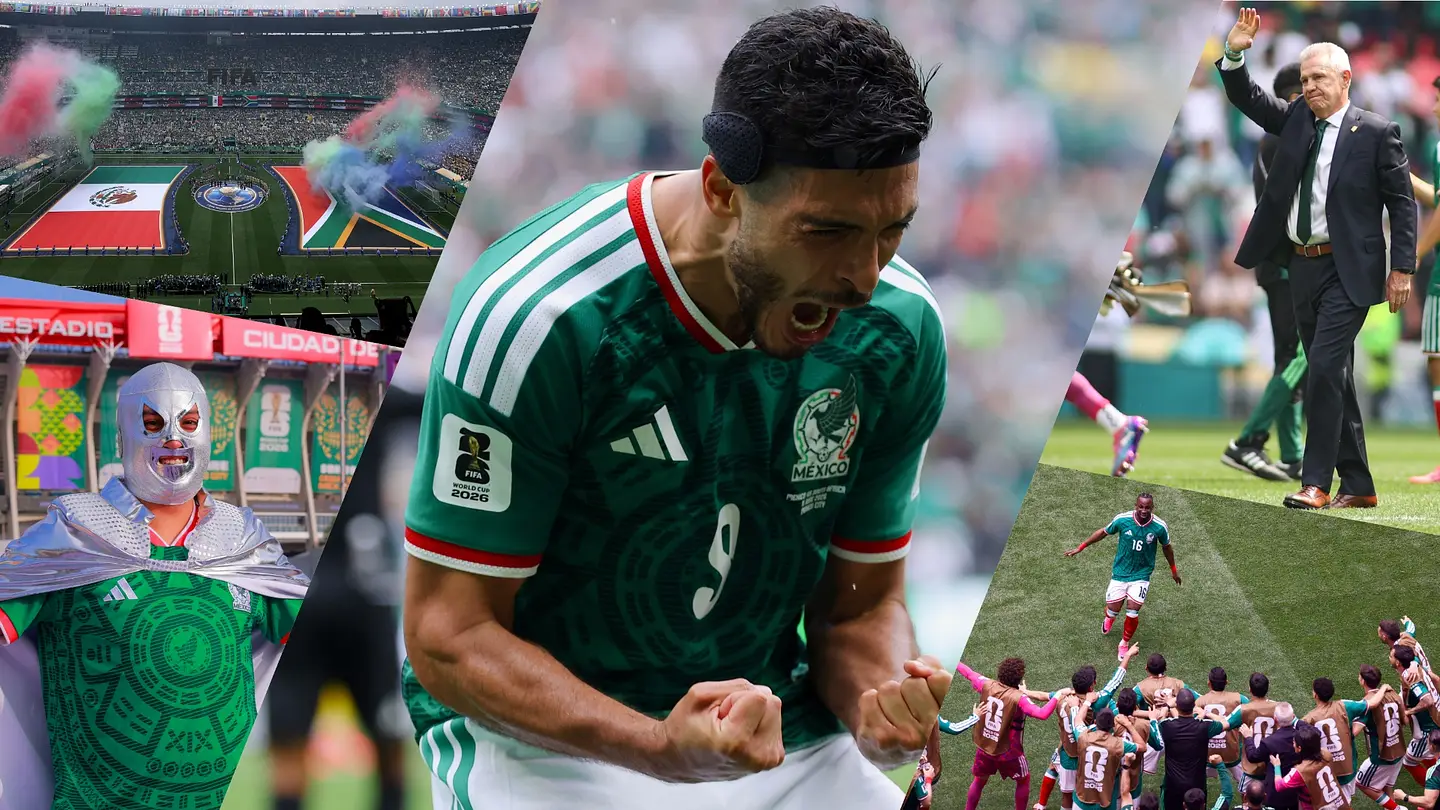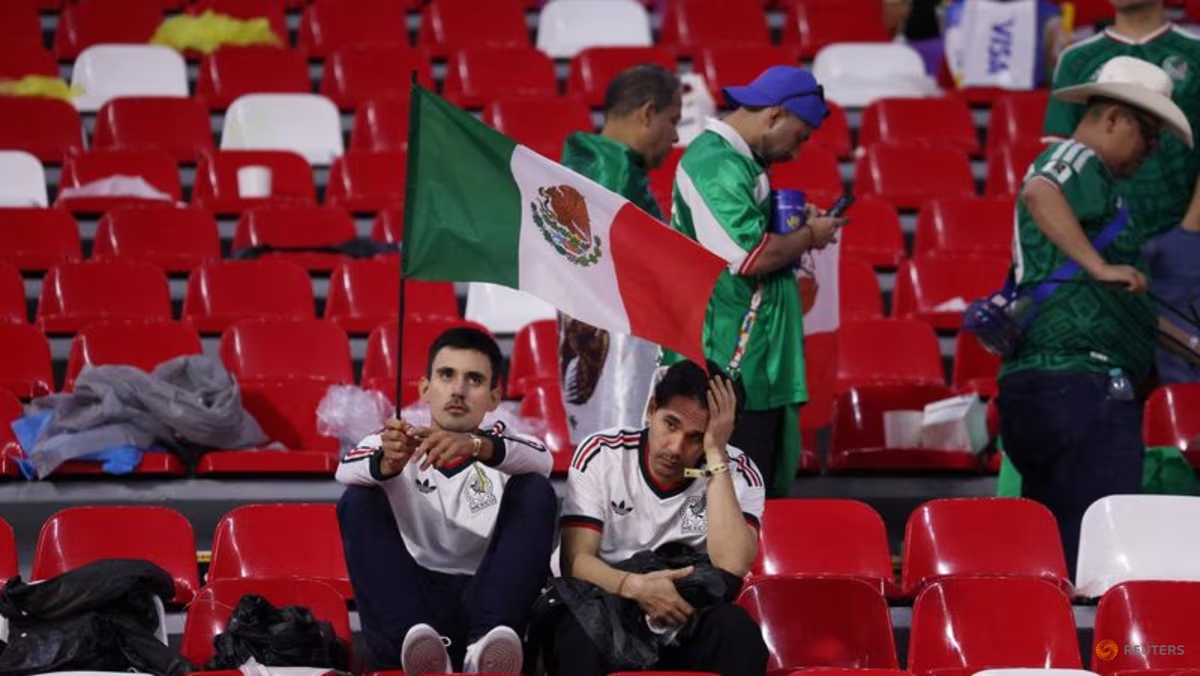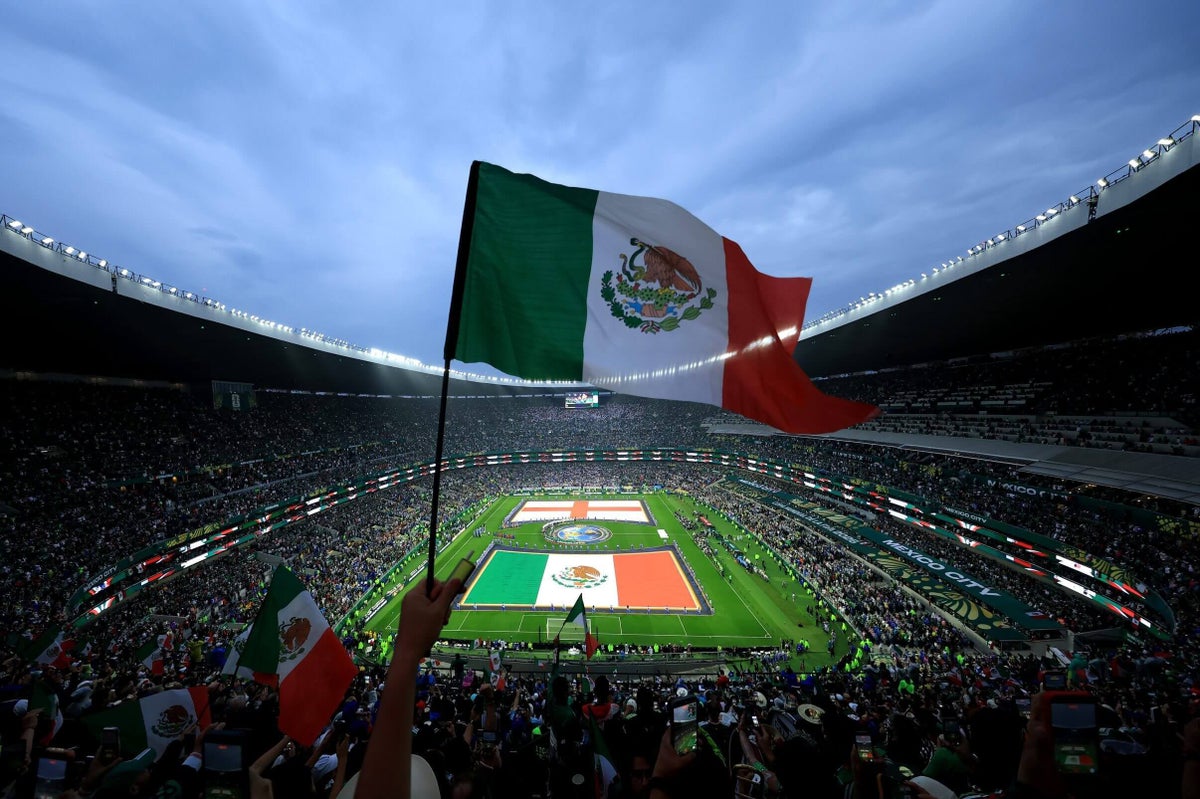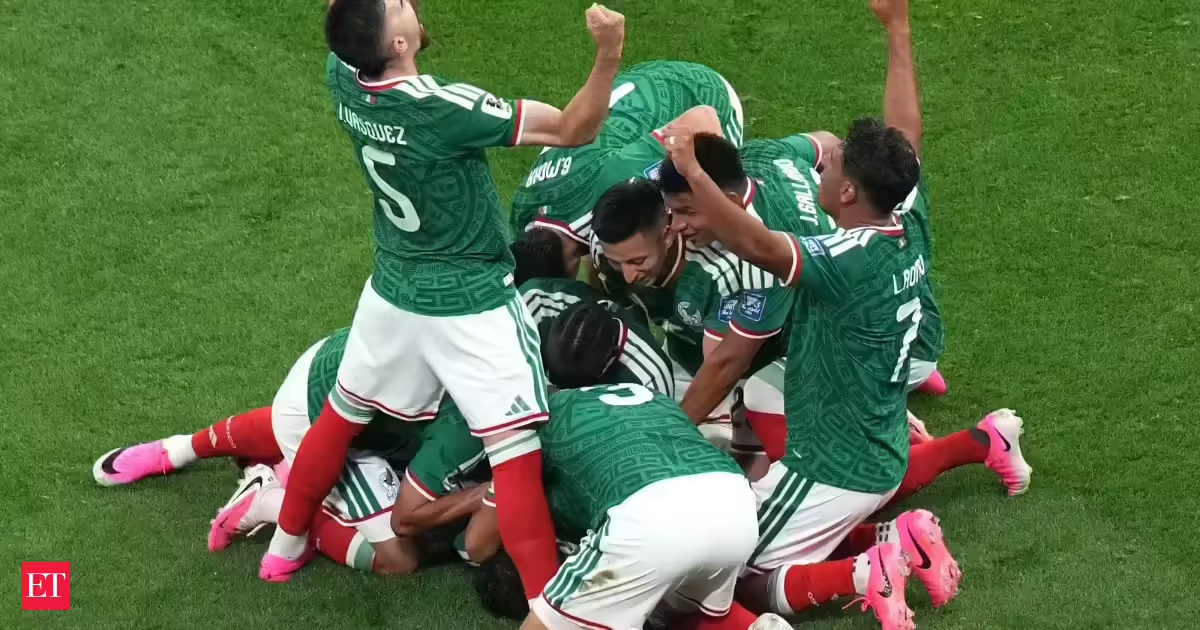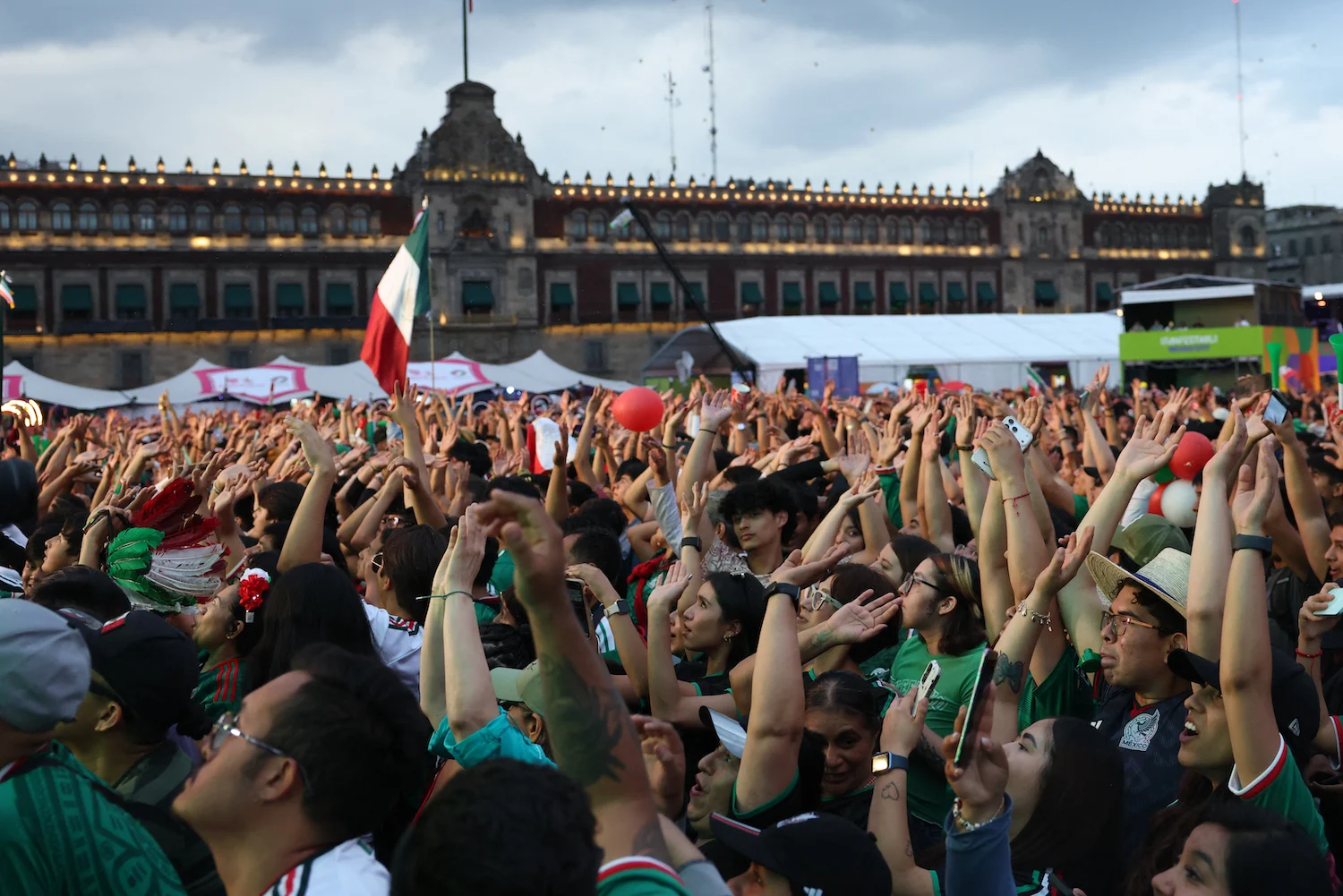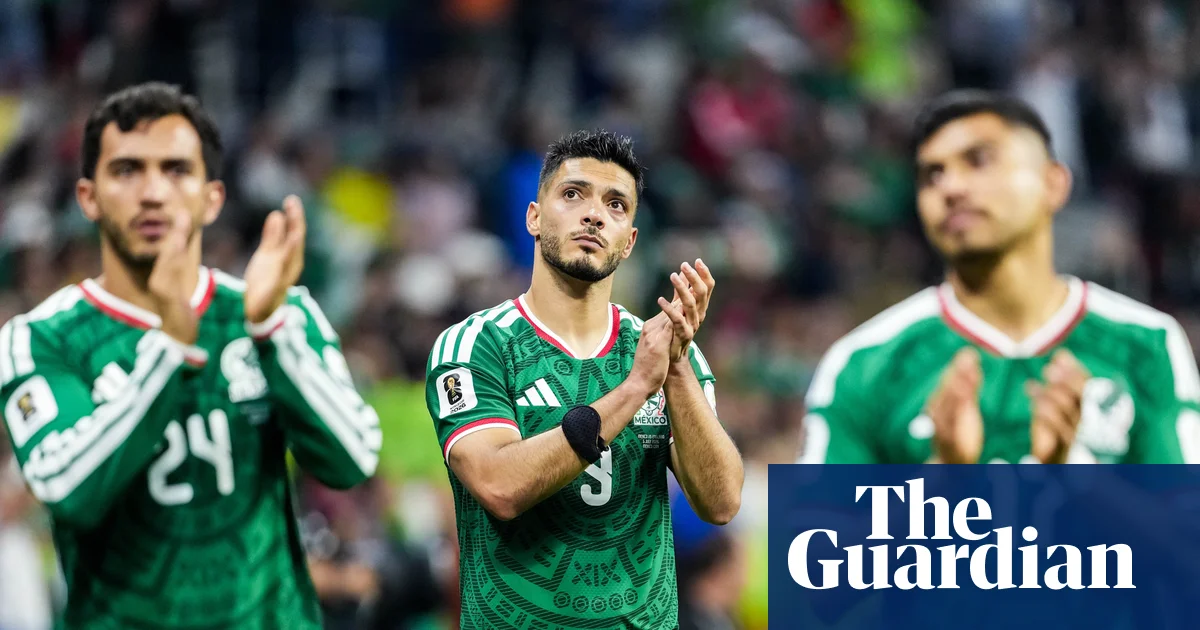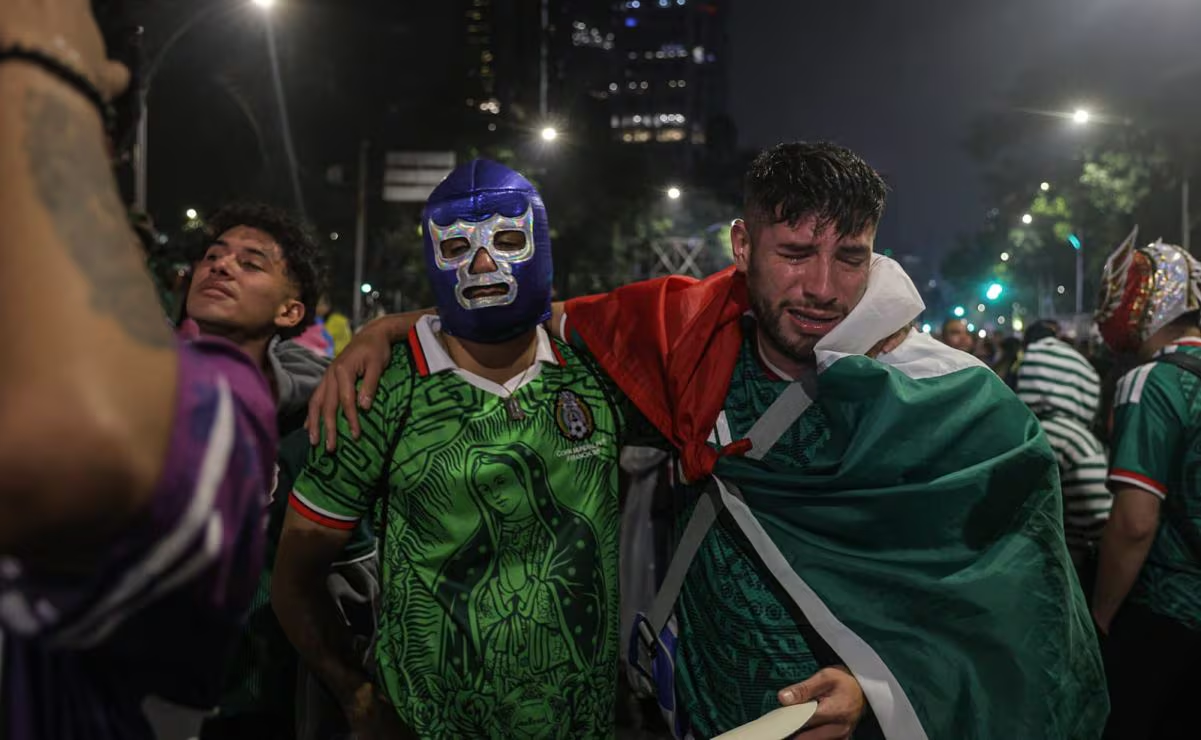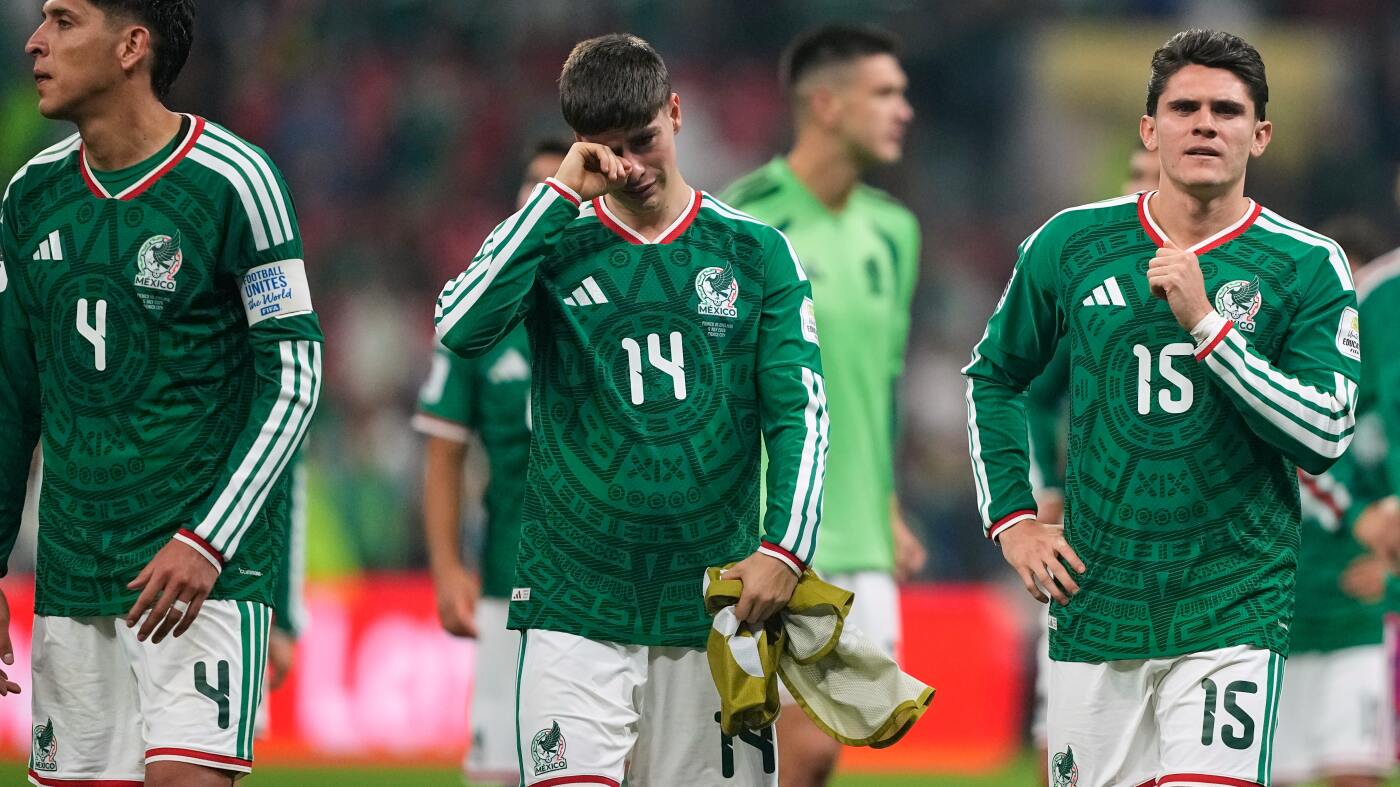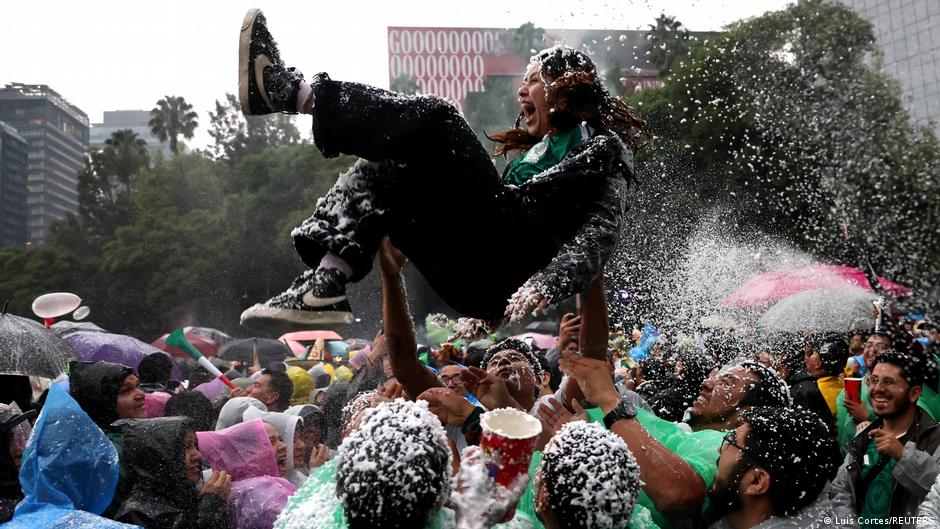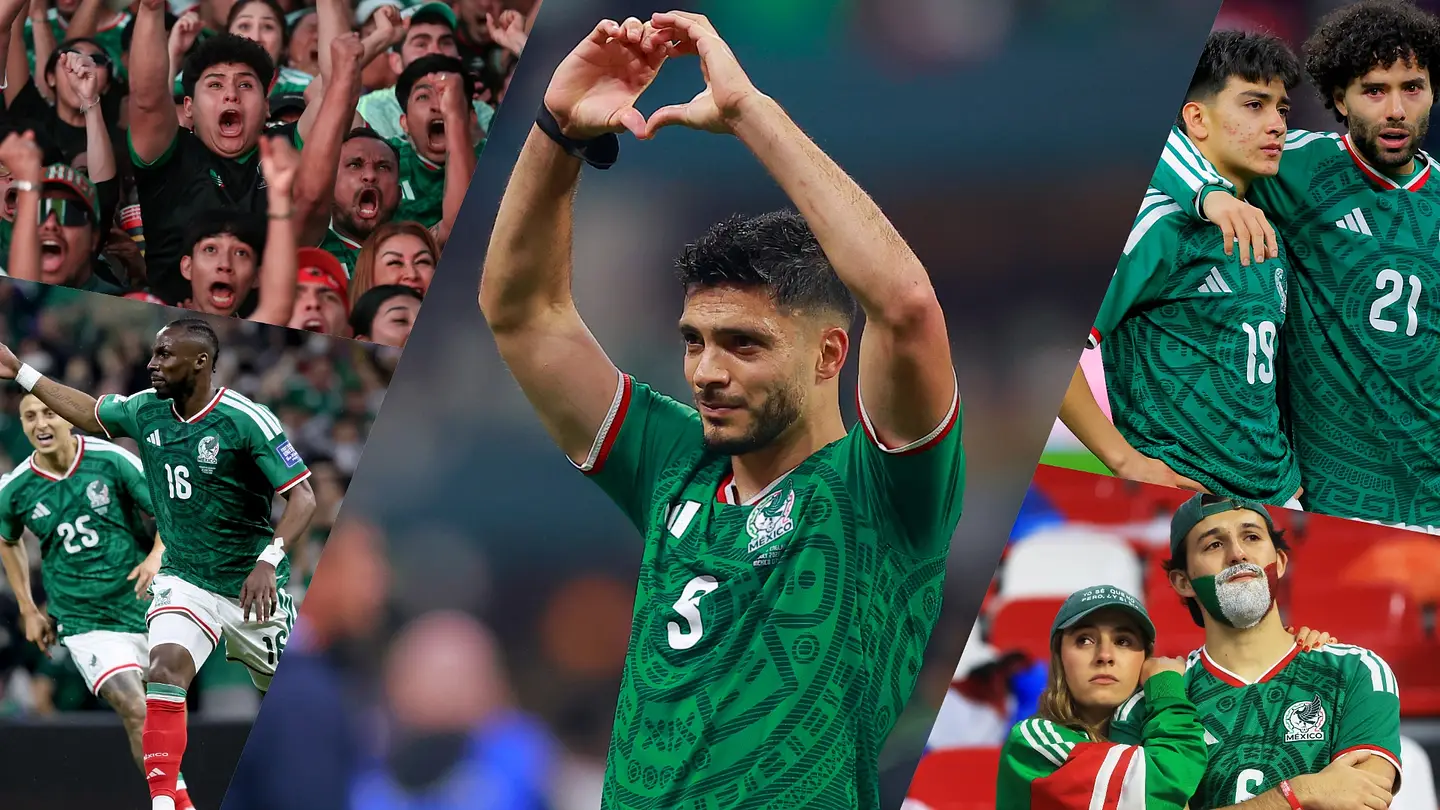
MEXICO CITY — On a day in which the Estadio Azteca euphorically roared like never before, the silence as hundreds upon thousands of utterly spent Mexico fans made their way out of the mythical stadium on Sunday night was eerie.No mass celebrations that extend until dawn and beyond, instead sleepless nights. No tales of heroism of a team of warriors that took down a giant, instead memories of heartbreak. No trip to the quarterfinals for the first time in 40 years, instead another painful chapter defined by what could’ve been. Mexico is out of the 2026 World Cup after falling 3–2 to England in an instant-classic Round of 16 bout. “You have to play a perfect game if you want to defeat England,” Mexico manager Javier Aguirre said prior to the match and again in the aftermath of the defeat. England emptied the tank at the Azteca. pic.twitter.com/Sq5E0w1x9s— Sports Illustrated FC (@SI_FootballClub) July 6, 2026For all but 98 seconds in the first half and less than 10 in the second, El Tri touched perfection. But those minuscule moments—as Mexico has achingly and routinely found out throughout its World Cup history—are all a team of England’s caliber needs to crush any pursuit of heroism. “I would’ve liked to say goodbye to our people with a victory,” an emotional Aguirre, who confirmed this was his last game as Mexico’s manager, admitted to assembled media post-match. “For all of us to go home happy, satisfied about us delivering in five games in our national territory. That hurts, that hurts a lot … I don’t have many more words, I’m not going to justify anything, defeat is defeat.”Mexico Knows This Feeling All Too WellGuillermo Ochoa will retire from the sport after taking part in his fifth World Cup Round of 16 exit. | Carl De Souza/AFP/Getty Images“Jugamos como nunca, perdimos como siempre (We played like never before, we lost as always,” Fernando, 25, said completely disheartened. That’s a phrase every El Tri fan has heard seemingly every four years for what feels like an eternity. Like against the Netherlands in 2014, like against Argentina in 2006, like against Germany in 1998, Mexico went toe-to-toe with one of the sport’s superpowers only to be left with a moral victory as consolation. But on a stage as grand as this, like Aguirre said, “defeat is defeat.”It’s hard not to view Sunday’s defeat in which El Tri outplayed the Three Lions for long stretches and played almost 50 minutes with a man advantage as a huge missed opportunity. “This should’ve been the one,” Fernando declared. It truly felt that way, and there’s no telling when Mexico will have another opportunity like this again. What comes next is also well-known. There will be talk that such a positive World Cup campaign in which El Tri won four games for the first time ever and ended a 40-year curse—while still remaining unable to get over that round of 16 hurdle—can lay the foundation for a bright future. WIN FIFA WORLD CUP 2026™ FINAL TICKETS & OTHER PRIZESCompete against the world. | Sports IllustratedIt’s an optimistic outlook, but history suggests it likely to be another false dawn. Mexican soccer has shown in the past that not even the highest of highs such as winning an Olympic Gold Medal in 2012, nor the lowest of lows such as a group stage exit in Qatar 2022 are enough to inspire enduring change in its overall structure. Deep rooted issues persist, issues that saw fan discontent reach historic levels not so long ago. Once again, in a moment where it’s rediscovered the support of the entire country, Mexican soccer has a chance to repair its flaws—whether it’s Liga MX’s format, player development or making a concentrated effort to export its best talents to European soccer—to capitalize on momentum.“We planted a seed that tomorrow we’ll remember,” midfielder Érik Lira, who should unquestionably make the jump to European soccer after the World Cup, said in the mixed zone after the game. “I’m sure good things are coming for us. The ceiling is very high and we won’t be satisfied with this. Although today our 2026 World Cup dream is over, I’m certain we’re on the right path.”Lira is already thinking about the future, meanwhile, the 2026 World Cup leaves Mexico behind. The World Cup Bids Farewell to Mexico and Its Greatest StadiumThe Estadio Azteca witnessed yet another iconic World Cup clash. | Ezra Shaw/FIFA/Getty ImagesEngland’s entire roster stood shoulder-to-shoulder in a line only a few feet away from the 8,000 traveling English fans in the stands singing Oasis' “Wonderwall” in unison, while distraught El Tri players took a lap around the pitch thanking fans. The 2026 World Cup came to an end for the iconic Azteca and Mexico as co-host nation. The only country and the only stadium to host three different World Cups say goodbye. Whether the Azteca deserved more games than the five it hosted this summer or, perhaps more significantly, whether it deserved to host a third World Cup final is up for discussion. But it wouldn’t be surprising if soccer fans across the globe came to a unanimous decision. It’s fitting, though, that the southernmost chapter of the 2026 World Cup and its legendary cathedral of the sport got to ride off into the sunset witnessing the best game of the tournament so far, an epic battle that will live on forever in World Cup folklore. “It never felt like a round of 16,” England manager Thomas Tuchel said post match. “It still now doesn’t feel like a round of 16, it feels almost like we won a final or something. To be part of this, to live this experience the past two days, to be in this country, to see the people on the side of the streets all the way to the stadium. Such, such special moment.”Jude Bellingham, who scored a brace and was the brightest star of the night, said it was “a pleasure” to play against Mexico at the Azteca. After a heroic performance, goalkeeper Jordan Pickford called playing at the Azteca a “once in a lifetime” moment. Dan Burn described the colossus as “probably the best stadium I’ve played in personally.” In what was potentially the final page added to the Estadio Azteca’s unmatched World Cup résumé, it got the send off it deserved, tattooing yet another majestic piece of soccer history to its incomparable lore.In what was potentially the final time Mexico hosts the World Cup in a lifetime, it fulfilled its purpose of adorning the tournament with its unrivaled passion for the sport. But perhaps more importantly, Mexico as a country allowed itself to feel. Joy, suffering, love, pain and everything in between, over the last three weeks, Mexico beautifully harnessed every possible emotion that 11 players kicking a ball on a field of grass with two goals on either end have the power to provoke. The Undeniable Power of SoccerThe 2026 World Cup saw Mexico descend into a beautiful chaos. | Claudia Rosel/AFP/Getty ImagesSome four hours after a young Mexico fan no older than 10 flipped his middle finger at a half-dozen brave English fans who defiantly walked through the stadium concourse screaming “Ing-er-land, Ing-er-land!” a kid around the same age stood near that exact same place inconsolably crying with what was surely his father’s arm wrapped around his shoulder—himself visibly fighting to keep it together. How do you convince that kid that life will go on, that he will recover and that he will be ready to do it all again in four years time when right now it feels like his world is falling apart? That’s the power that sports, and especially soccer, has in a nation where it’s almost a religion—as is the case in almost every corner of the world. The same thing that can shatter your heart into a million pieces has the power to then put it back together.Jorge Valdano, World Cup champion with Argentina in 1986, once said “of all the unimportant things, soccer is the most important thing.” For 25 days, soccer was without a doubt, the most important thing in Mexico. Groups of people screaming "Quiere volar, quiere volar! (They want to fly, they want to fly)” before launching someone in the air became synonymous with Mexico’s World Cup celebrations in recent weeks. For 25 days, Mexico felt it could fly. The fall from such a high is evidently bruising, but experiencing that rollercoaster of emotions is exactly what makes us human.El Tri’s squad clearly felt Julián Quiñones (top) wanted to fly after the round of 32 win against Ecuador. | Kevin C. Cox/Getty ImagesEl Tri’s 2026 World Cup campaign came to a painful end, but the 25-day joy-ride it took the entire country on made a fragmented nation of over 130 million come together as one. Beyond the opening day victory against South Africa, the cardiac win against South Korea, the beat-down of Czechia, the dominant performance vs. Ecuador and the heartache at the hands of England, the legacy of Mexico’s 2026 World Cup campaign will revolve around how soccer united a nation—even those who weren’t fans of the sport previously—who fell in love with the 26 players that represented it. What Aguirre described as, “the hope people had,” will be the everlasting memory of Mexico’s magical summer. The time to look ahead will come soon enough, but the marks the last few weeks have left on the country will persevere. Because for a moment in time, soccer had the power to take Mexico to a place in time that previously never existed but that it always wished to discover. For a moment, soccer made life in Mexico a little more worth living. For a moment, it made reality feel like a dream. READ THE LATEST WORLD CUP NEWS, ANALYSIS AND INSIGHT FROM SI FCAdd us as a preferred source on GoogleFollow
Mexico’s 2026 World Cup Journey Ended in Heartbreak, But Produced So Much Joy
MEXICO CITY — On a day in which the Estadio Azteca euphorically roared like never before, the silence as hundreds upon thousands of utterly spent Mexico fans ma
1,649 words~7 min read