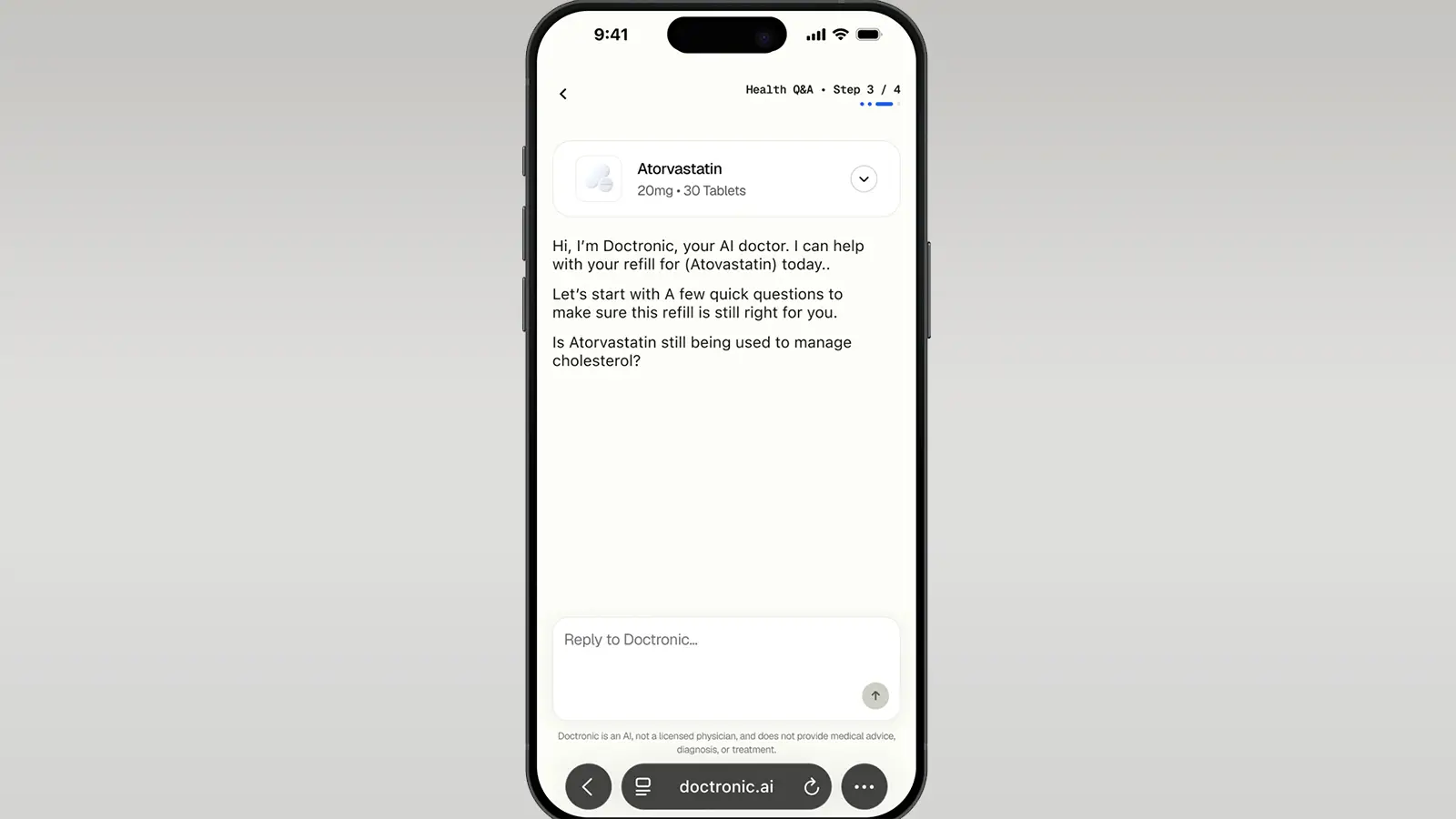
A prescription refill program that quietly launched in Utah earlier this year has kicked off a big medical debate: Is artificial intelligence (AI) ready to take over tasks that, until now, could only be performed by doctors?
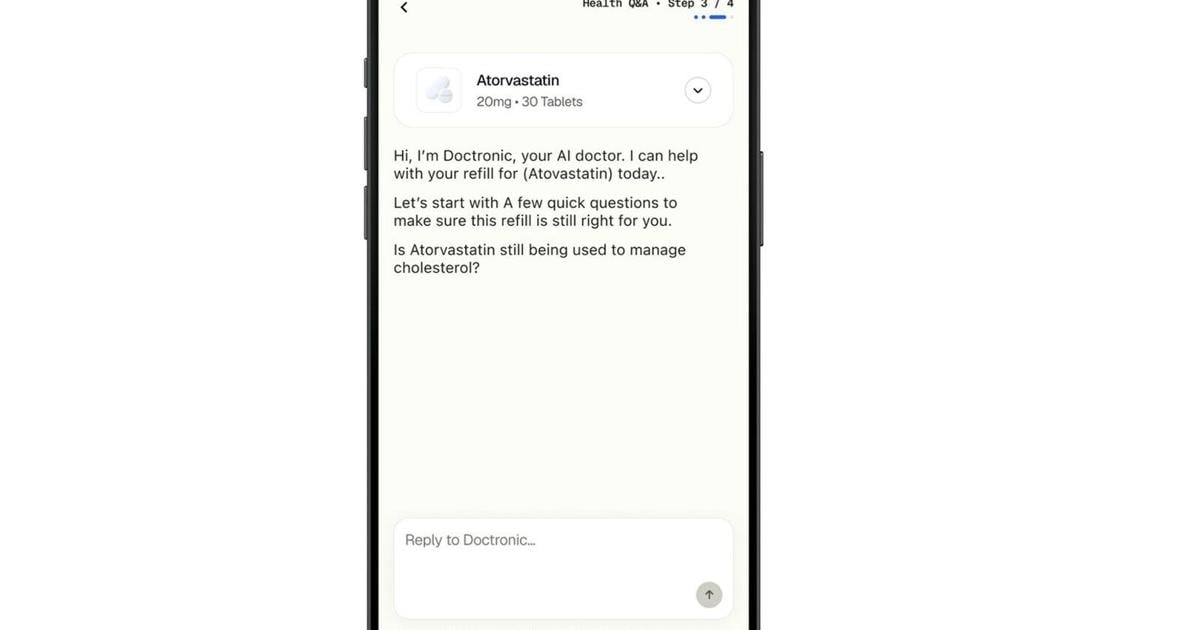
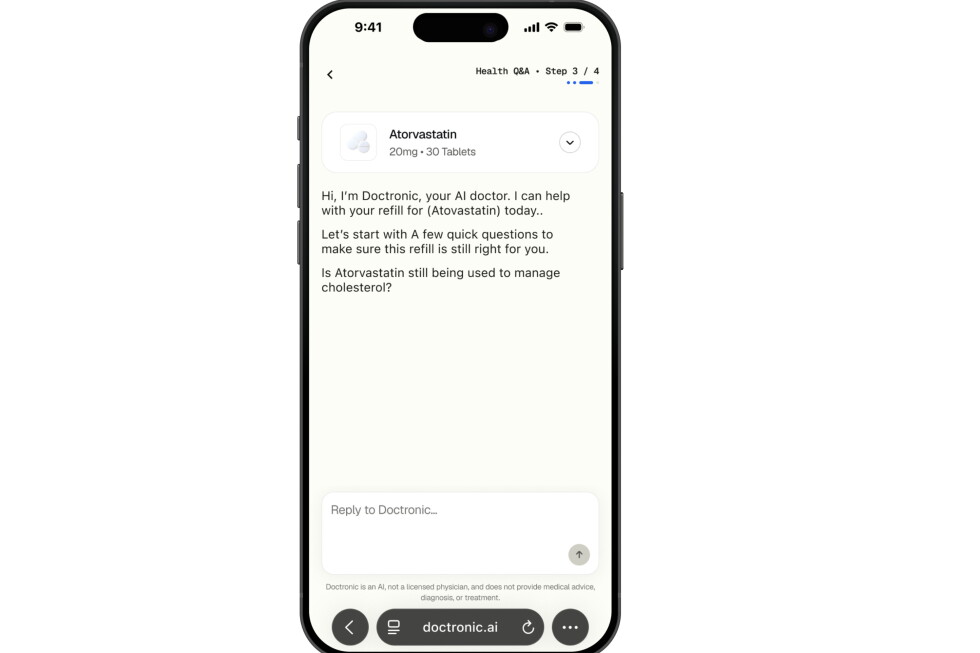
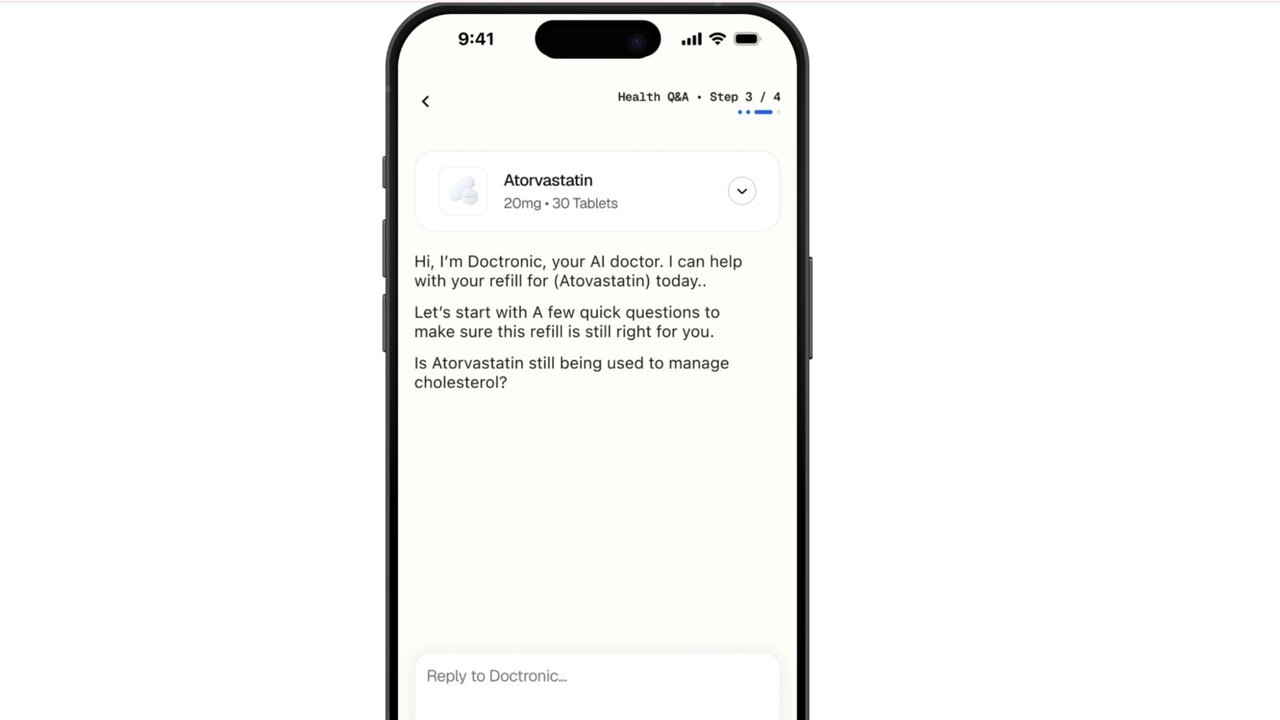
The program allows Utah residents to skip the doctor's office and get their prescriptions refilled online by an AI chatbot called Doctronic. It's a seemingly simple step toward making healthcare more convenient for patients and prescribers.
But it's also a precedent-shattering milestone that has set off alarm bells for doctors, lawyers, and public health experts. The pilot program has laid bare a host of questions about the role of AI in medicine, including how it should be regulated, whether doctors should be able to veto it, and what kind of safety measures are needed to protect patients.
At the center of the debate: state and federal laws limit prescribing to licensed medical professionals. Proponents say those laws, which have underwritten American medicine for over 100 years, should be updated to include AI chatbots and other new technologies.
"We have crossed a threshold in terms of giving something that is not human a medical license, whether or not we want to call it that," said Eric Bressman, MD, of the University of Pennsylvania.