Kenya has established a framework allowing its central bank to provide emergency funding to banks during financial crises.
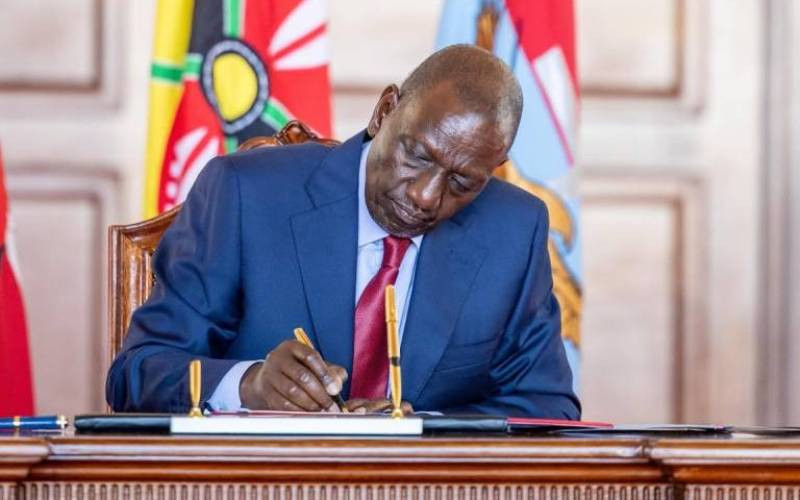
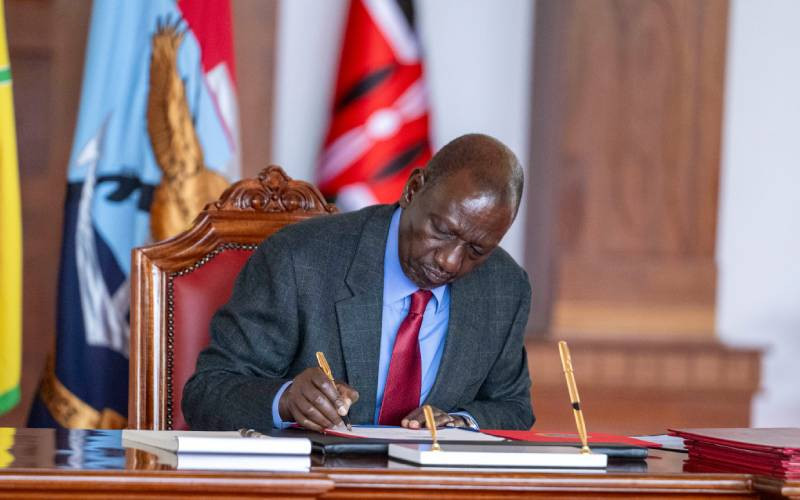
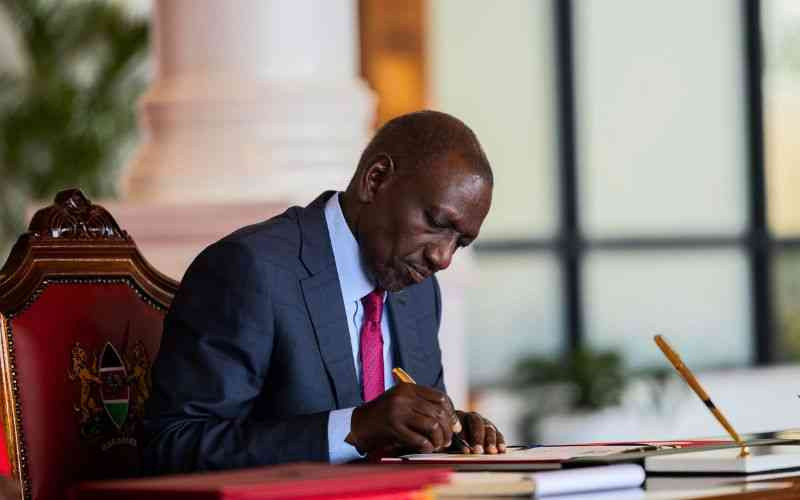
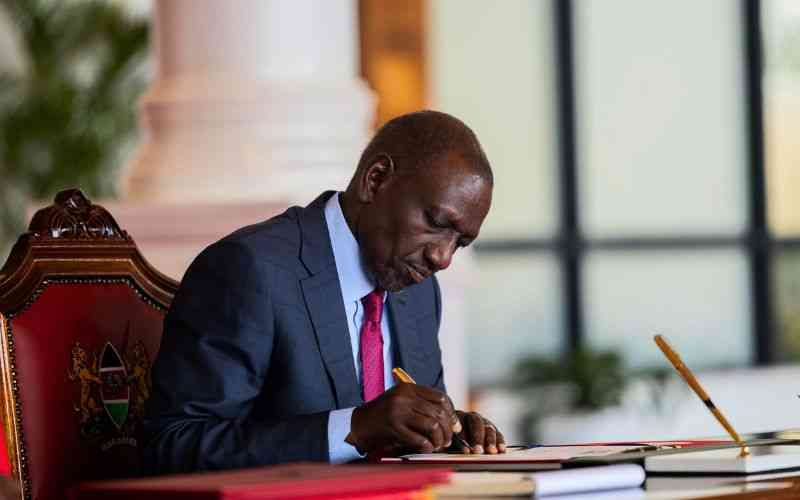
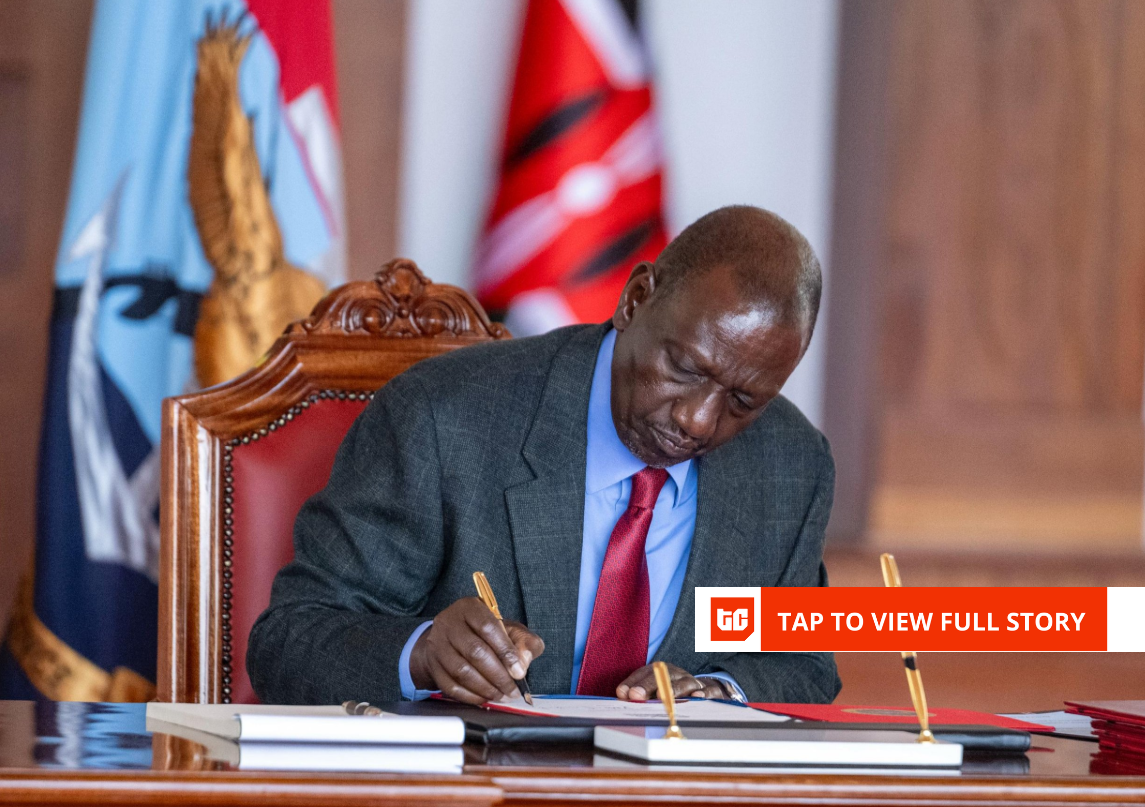
On Monday, President William Ruto signed the Central Bank of Kenya (Amendment) Bill, 2026, into law, introducing reforms that set out how Kenya will respond to future banking crises by establishing rules for emergency support to lenders and expanding the central bank’s role in preserving financial stability.
Under the law, the CBK may provide emergency liquidity assistance where it considers intervention necessary to preserve financial stability. Eligible institutions must be solvent and viable, not under liquidation, and considered systemically important or likely to pose risks to the wider financial system if they fail.
The support will be discretionary, temporary, and subject to conditions set by the central bank. Loans and advances issued under the framework will be repaid over up to 12 months, although the regulator may extend the period. The facilities must also be backed by collateral acceptable to the central bank and subject to valuation, margin, and risk management requirements.
“Emergency liquidity assistance shall only be provided to an institution that is solvent and viable and whose failure may threaten the stability of the financial system,” part of the bill reads.