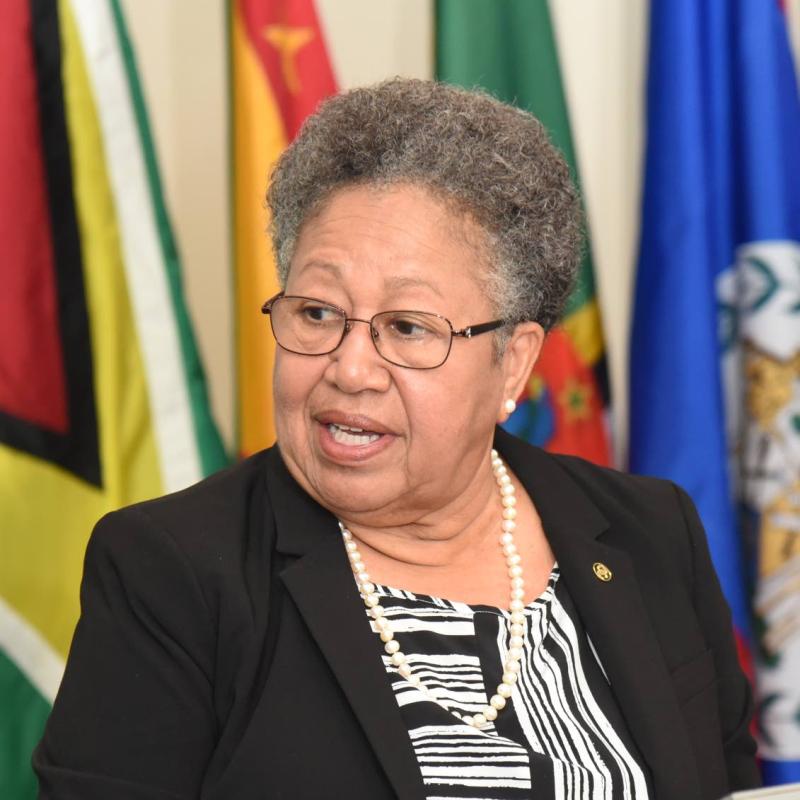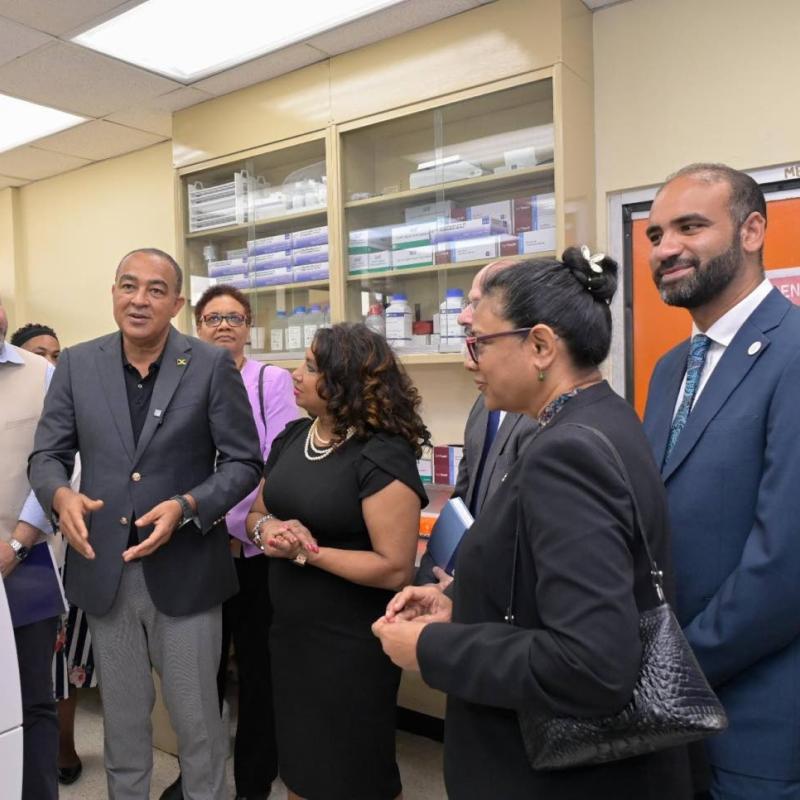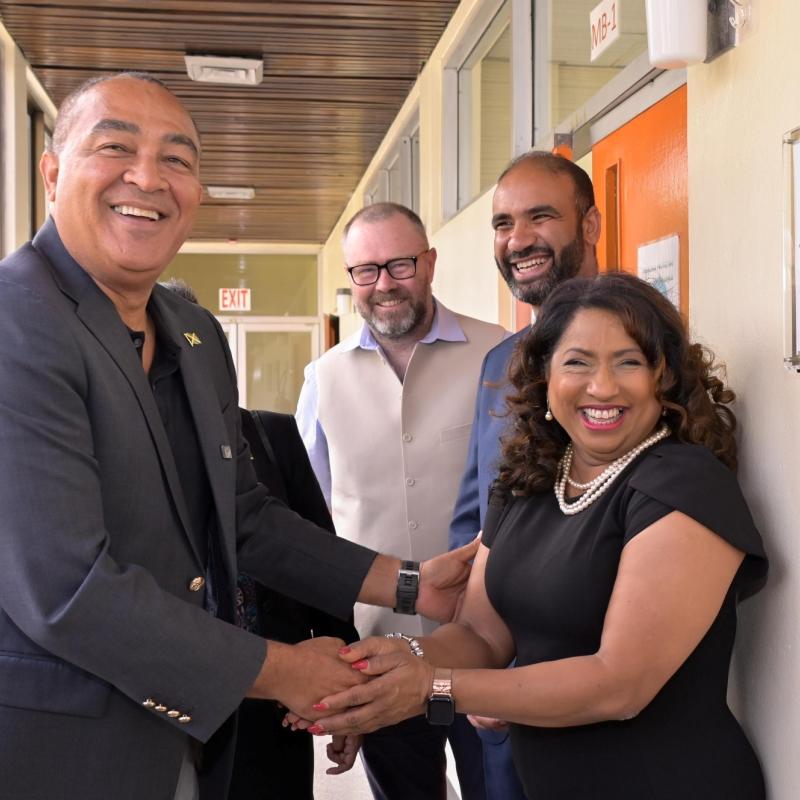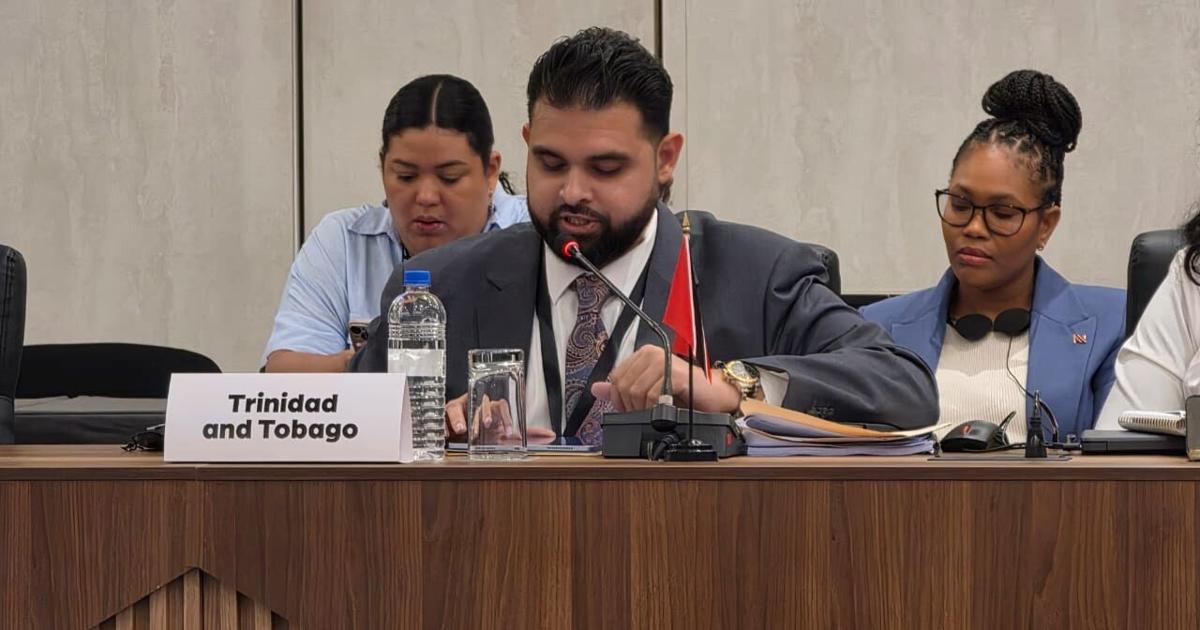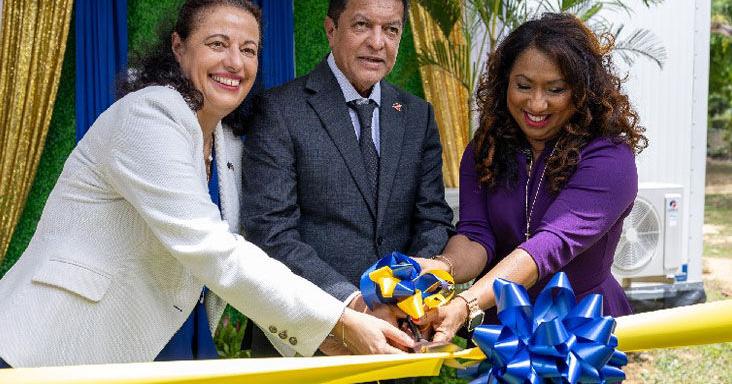
NO country, regardless of its wealth or resources, can confront today’s increasingly complex public health threats alone, Minister of Health Dr Lackram Bodoe said on Friday as he stressed the importance of regional cooperation during the commissioning of the Caribbean Public Health Agency (Carpha) Regional Emergency Operations Centre at its Federation Park headquarters in Port of Spain.The new facility is intended to strengthen the Caribbean’s capacity to prepare for, coordinate and respond to public health emergencies and disasters across Carpha’s 26 member states.“For Trinidad and Tobago, this commissioning also reflects our continued commitment to regional leadership and cooperation. Health security is a shared responsibility,” Bodoe said.He continued: “No single country, regardless of its resources, can address modern public health threats in isolation. Our strength lies in partnership. It lies in the willingness of countries to share information openly, support one another and act collectively in the interest of all Caribbean people.”He said the “spirit of solidarity has always defined Carpha”, adding, “And it will continue to define our response to whatever challenges lie ahead. As we officially commission this facility today, let it stand as more than a physical structure.”Carpha Executive Director Dr Lisa Indar said the centre would significantly strengthen the region’s emergency response capacity.“As a region of Small Island Developing States, our interconnected economies, borders and communities mean that public health threats can spread rapidly across the Caribbean. This Emergency Operations Centre will strengthen our ability to detect threats early, coordinate regional action and protect the health security of our people,” she said.Cécile Tassin, Ambassador of the European Union to the Republic of Trinidad and Tobago, said the centre reflected the region’s collective resolve.“This centre represents something much larger: the Caribbean’s determination to work together, to strengthen regional health security, and to protect its people through solidarity, preparedness and shared expertise,” she said.In a news release, Carpha said the Regional Emergency Operations Centre marks “a major milestone” in strengthening the Caribbean’s capacity to prepare for, coordinate and respond to public health emergencies and disasters.According to the agency, the Centre will enhance Carpha’s ability to monitor emerging public health threats, coordinate regional preparedness and response activities, facilitate timely information sharing, produce regional risk assessments, mobilise technical expertise and support evidence based decision making during emergencies.The facility was constructed and furnished with funding from the European Union through the 11th EDF Programme of Support for Health Security Strengthening for Prevention and Control of Outbreaks of Communicable Diseases in the Caribbean. It will serve as the region’s central hub for coordinating public health emergency preparedness, response, recovery and resilience building activities across Carpha’s 26 member states.CARPHA said the facility was inaugurated by Health Minister Dr Lackram Bodoe, European Union Ambassador Cécile Tassin and Executive Director Dr Lisa Indar.The agency said the centre was designed in accordance with the World Health Organisation’s Public Health Emergency Operations Centre Framework and has been established as a Type C Emergency Operations Centre, the highest level of operational capability within the WHO classification system.“It is uniquely positioned to coordinate complex, multi-country public health emergencies while supporting national Emergency Operations Centres throughout the Caribbean,” the release stated.Early detectionPowered by CARPHA’s Caribbean tailored Regional Integrated Early Warning Surveillance and Response System (RIEWSS), the centre is expected to improve early detection of emerging threats, strengthen situational awareness and support faster, evidence based emergency responses across the region.Operating as the Caribbean’s central coordination hub, the Centre will strengthen collaboration among ministries of health, disaster management agencies, regional institutions and international partners. It will also support the deployment of specialised technical teams, coordinate emergency logistics, facilitate risk communication and maintain a common regional operating picture during public health emergencies.Carpha said the establishment of the centre builds on lessons learned from recent regional emergencies, including the Covid-19 pandemic, dengue outbreaks, Hurricanes Melissa and Beryl, and other climate related disasters that underscored the importance of coordinated regional action.The Regional Emergency Operations Centre will operate using a scalable activation model, ranging from routine surveillance and monitoring to full regional emergency activation. It will support responses to infectious disease outbreaks, severe weather events with public health consequences, environmental and chemical incidents, mass gatherings and other events with regional or international public health implications.Carpha said the Centre will also strengthen implementation of the International Health Regulations (2005) by enhancing regional surveillance, information management, emergency coordination and operational readiness.The agency said the “inauguration forms part of its continued commitment to advancing regional health security and ensuring Caribbean countries are better prepared for current and emerging public health threats.”
Boost for region
NO country, regardless of its wealth or resources, can confront today’s increasingly complex public health threats alone, Minister of Health Dr Lackram Bodoe said on Friday as he stressed the
751 words~3 min read