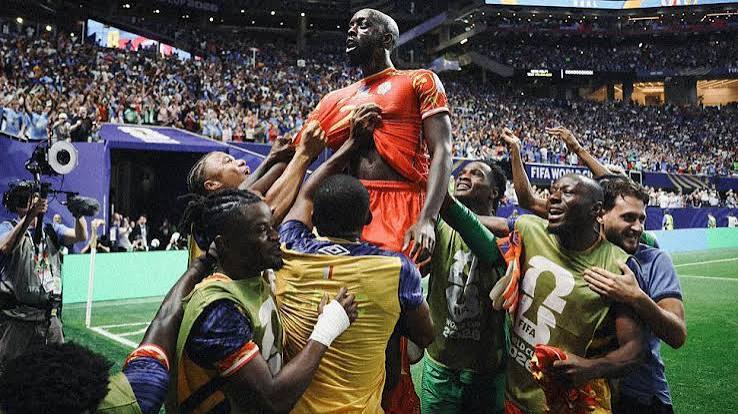
Africa’s share of football’s riches has long been strikingly small. At the 2022 FIFA World Cup, the continent’s five teams earned just $72.5 million, less than one percent of FIFA’s $7.57 billion revenue.
This year, FIFA has raised the minimum guarantee to $12.5 million per team, doubling Africa’s collective earnings to $125 million. It is progress, but still far from proportional to the scale of Africa’s contribution to the global game. The continent supplies the talent that fills Europe’s elite leagues, fuels global fan engagement, and now fields ten national teams on football’s biggest stage, yet continues to capture only a fraction of the commercial rewards.
The numbers highlight a systemic issue: Africa produces world-class talent but captures only a fraction of the commercial value it helps create.
A Talent Pipeline That Leaks Value
African footballers comprise six percent of players in Europe’s top leagues, but their impact is even greater when including the broader African diaspora. Yet, the commercial infrastructure, like the academies, media deals, data platforms, and sponsorships, is mostly owned and managed outside Africa.