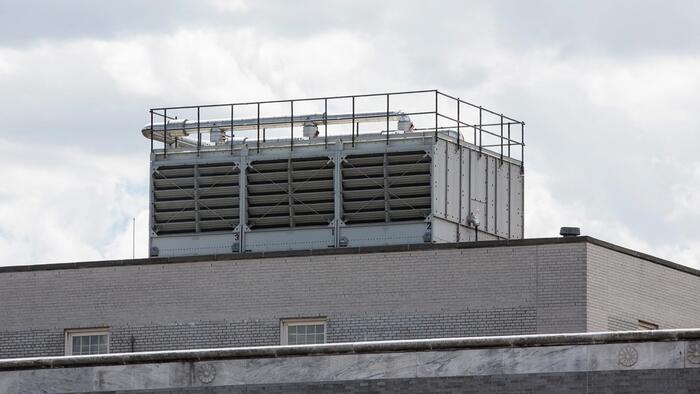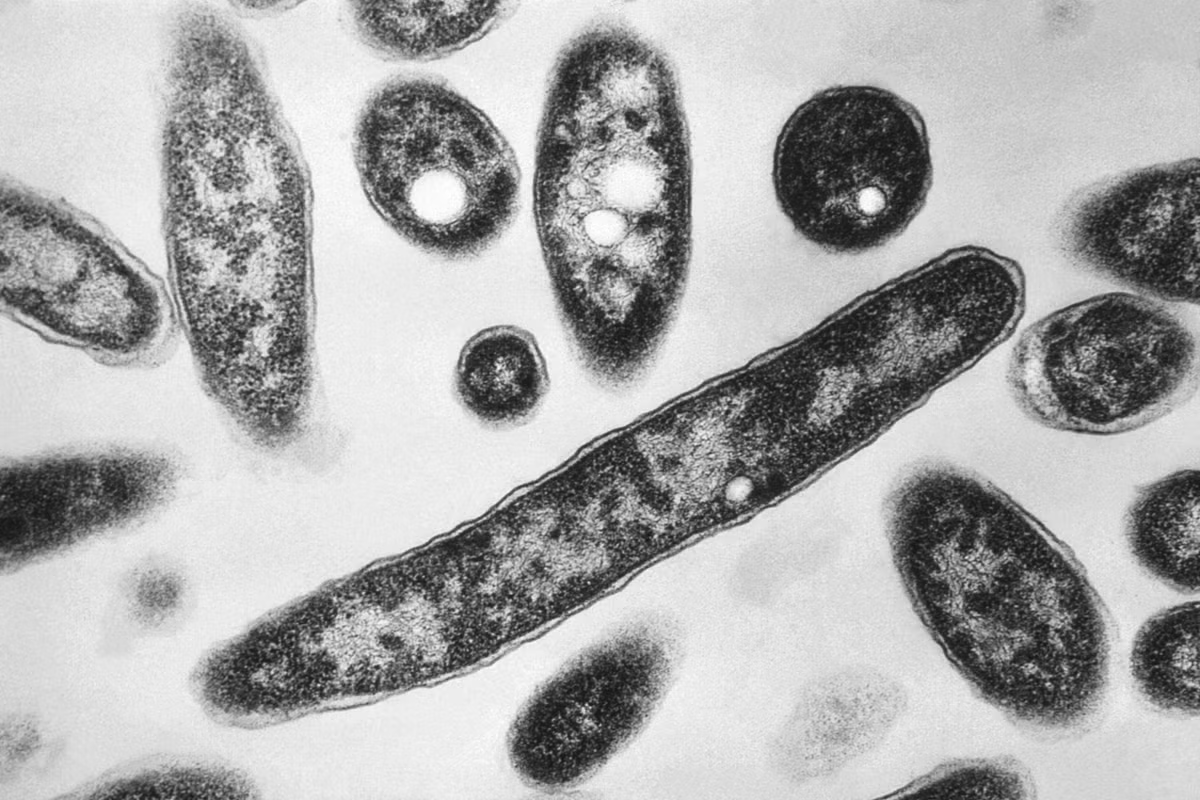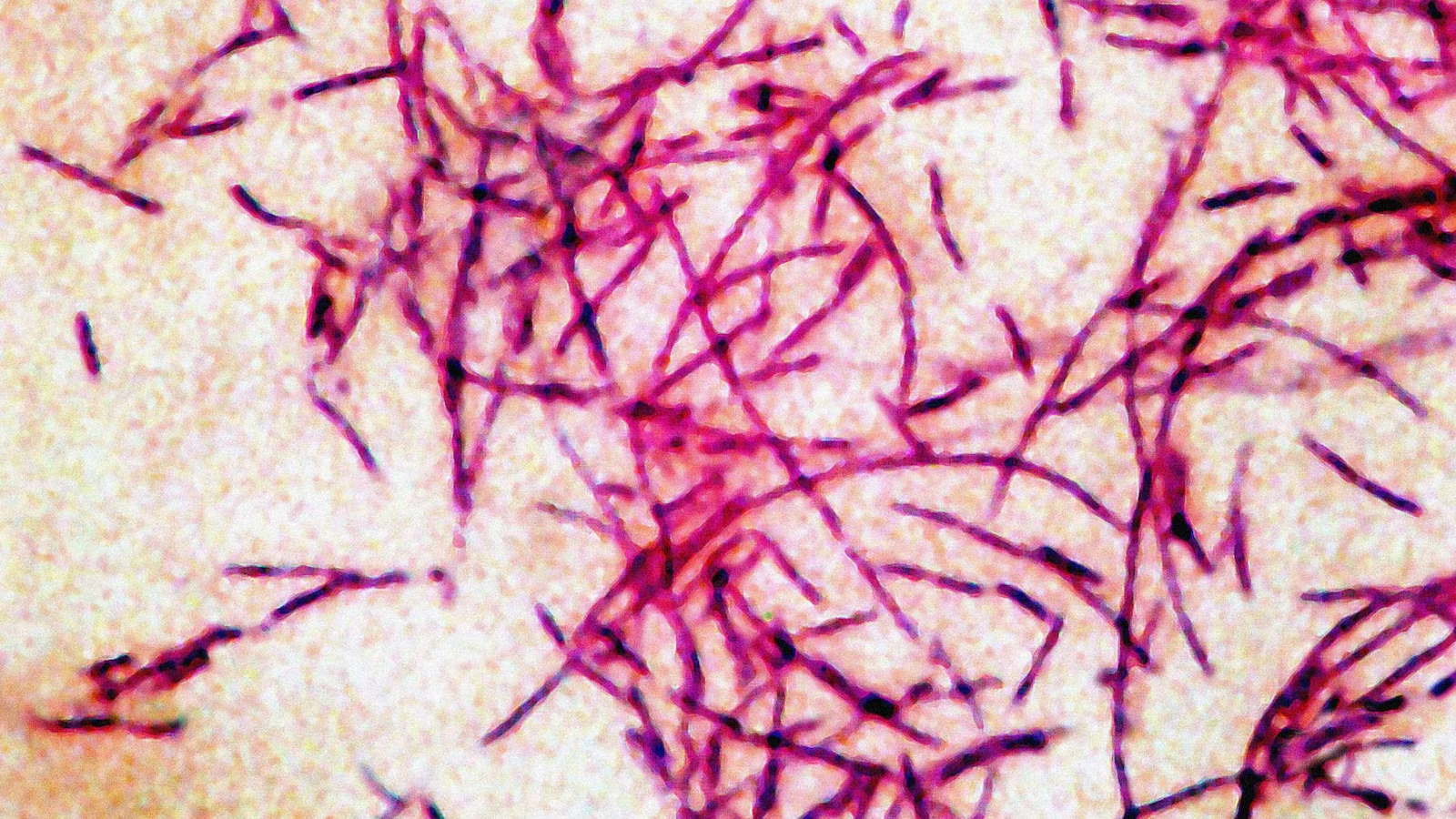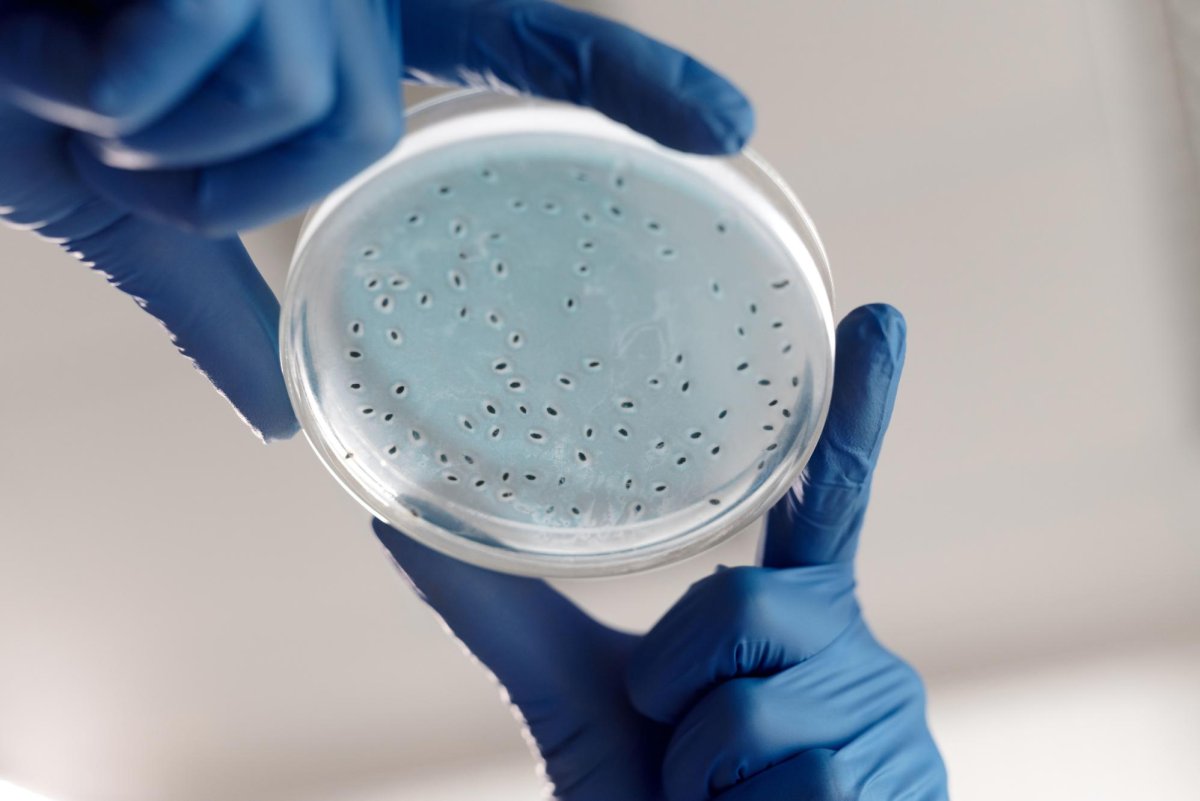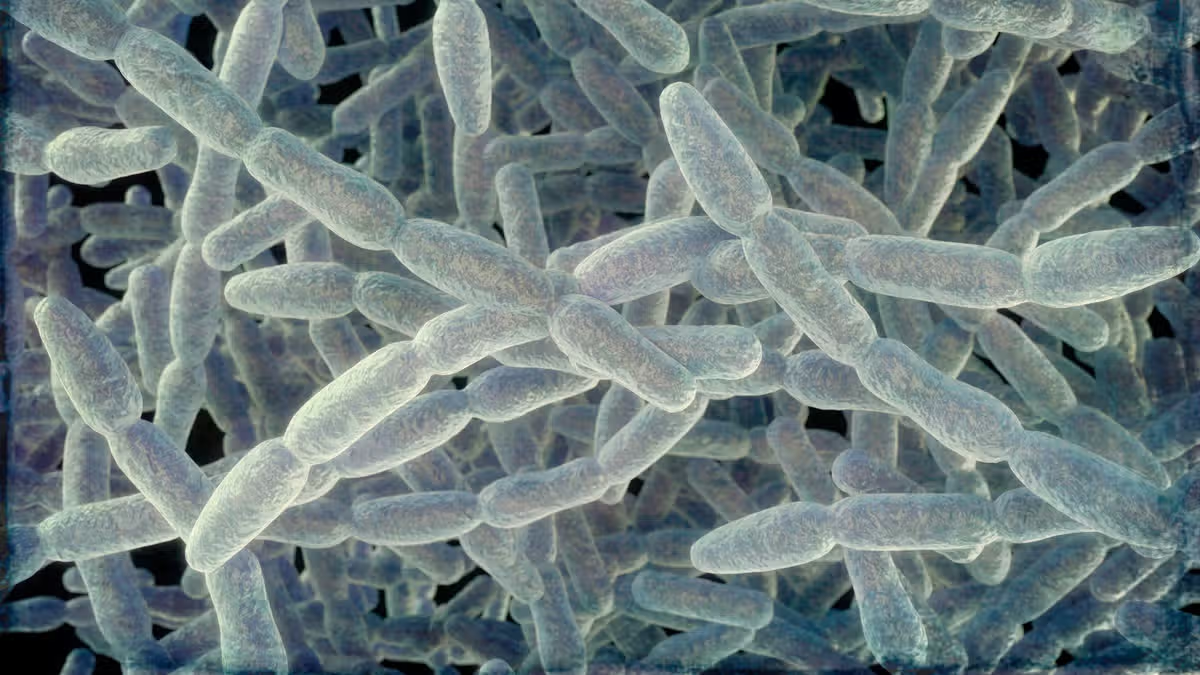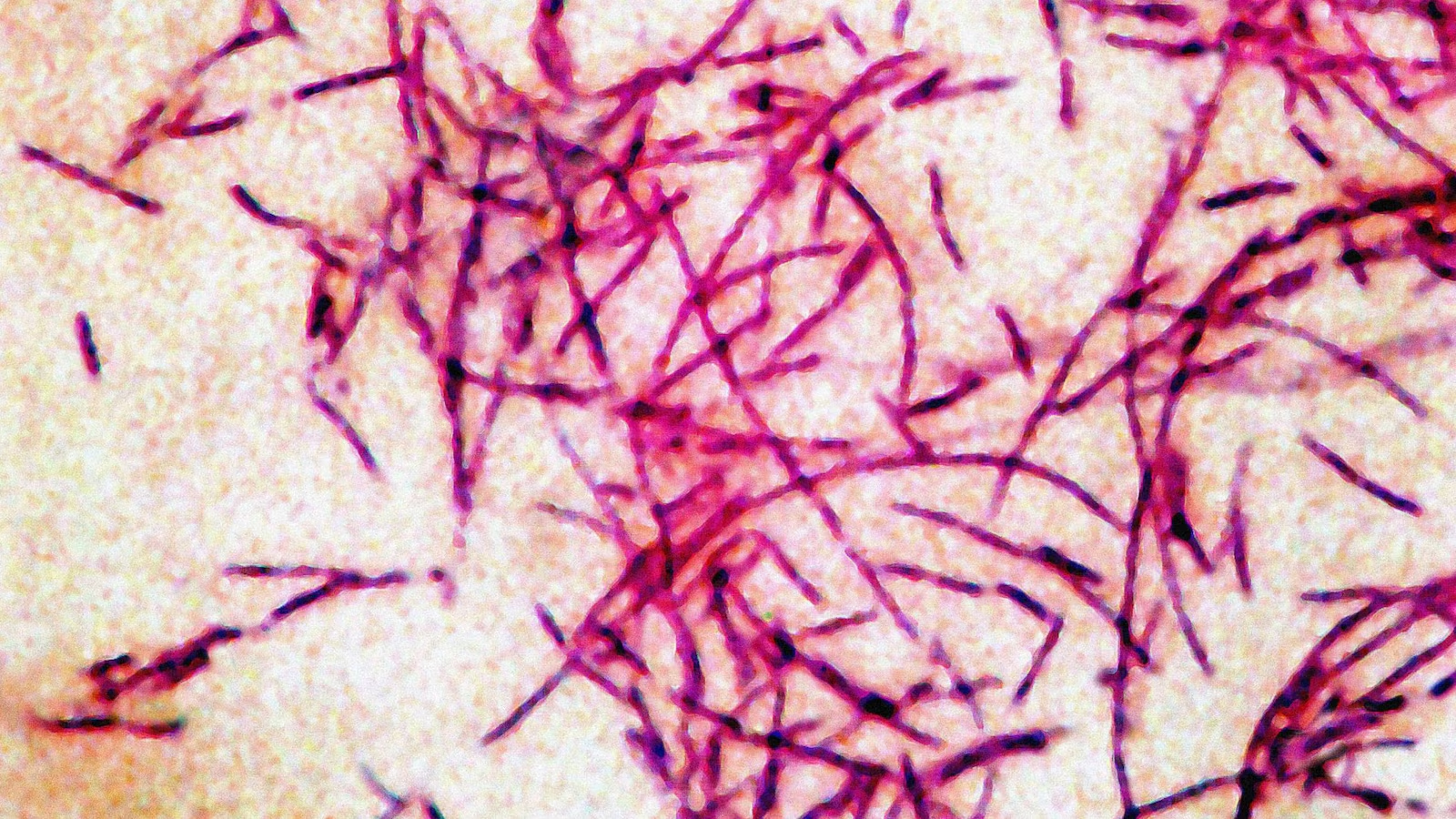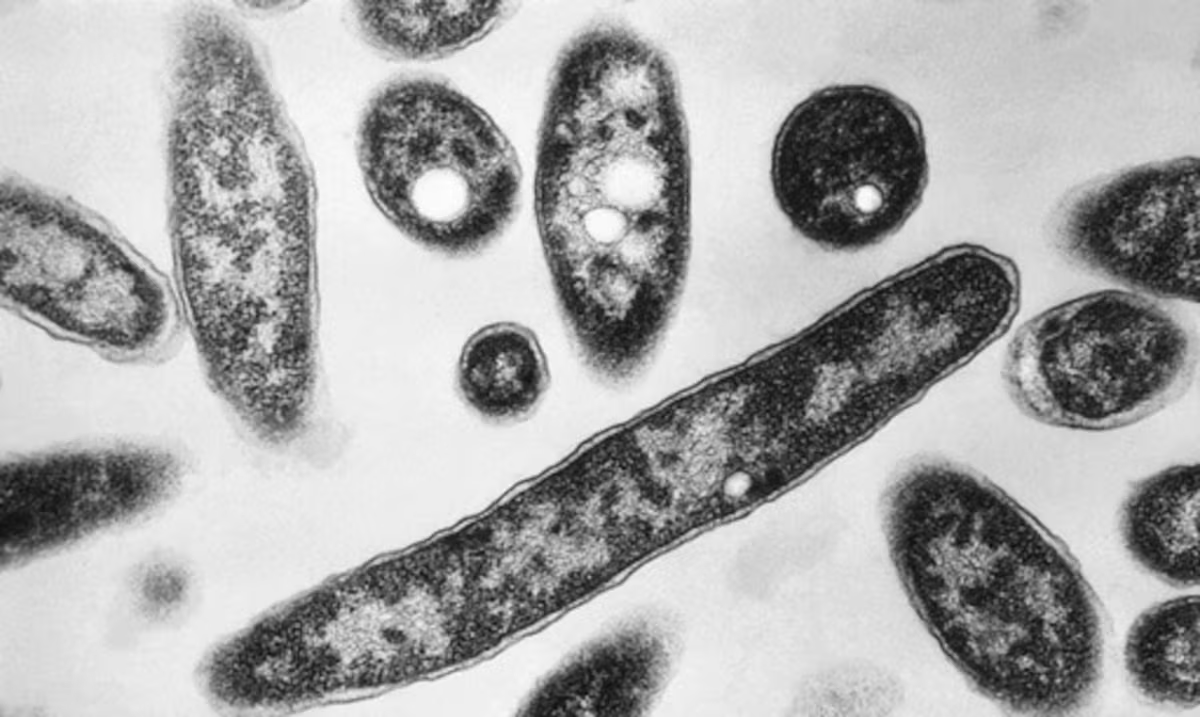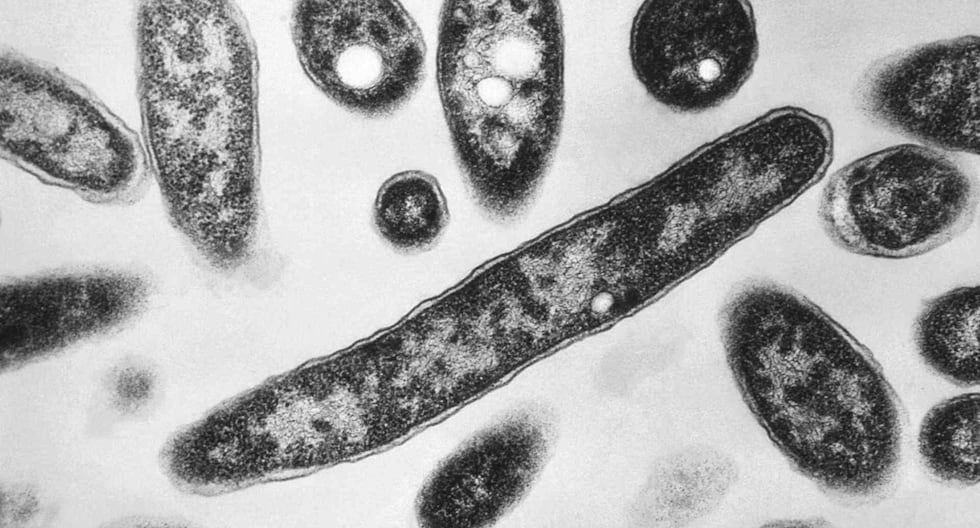
Health authorities in New York City are investigating an outbreak of Legionnaires' disease in parts of Manhattan's Upper East Side, where the number of confirmed cases has risen to 18. Officials are working to identify the source of the outbreak and have urged people who live, work or recently visited the affected areas to watch for symptoms and seek medical advice if they feel unwell.What is Legionnaires' disease?According to the New York City Department of Health, Legionnaires' disease is a serious type of pneumonia caused by Legionella bacteria, which can grow in warm water systems.People become infected by breathing in tiny droplets of water contaminated with the bacteria. The disease is not spread from person to person, and health officials say it cannot be contracted by drinking tap water, cooking with it or using household air-conditioning units.Where has the outbreak been reported?The New York City Department of Health said the current cluster of cases has been identified in Carnegie Hill and Yorkville on Manhattan's Upper East Side.The affected ZIP codes are:100281012810075Officials stressed that the outbreak is not linked to the plumbing systems of residential buildings, and residents can continue to drink tap water, shower, bathe, cook and use home air conditioners as usual.— nycHealthy (@nycHealthy) Cooling tower under investigationAccording to Mark Levine, New York City's Comptroller, investigators believe the outbreak is linked to a contaminated cooling tower, rather than the public water supply."All cooling towers in area are being sampled and tested in the NYC Public Health Lab," Levine wrote on X."It unfortunately takes several weeks for cultures to grow."Health officials are continuing to inspect and test cooling towers in the affected neighbourhoods to identify the exact source of the bacteria.— MarkLevineNYC (@MarkLevineNYC) What are the symptoms of Legionnaires' disease?According to the Mayo Clinic, symptoms usually develop between two and 10 days after exposure to the bacteria.Common symptoms include:HeadacheMuscle achesFeverPersistent coughShortness of breathChest painNauseaConfusionThe New York City Department of Health has advised anyone who lives, works or has visited the affected area since late June to monitor for flu-like symptoms and contact a healthcare provider promptly if symptoms develop.Can Legionnaires' disease be prevented?Health experts say proper maintenance and regular cleaning of cooling towers, hot tubs, decorative fountains and other large water systems are essential to prevent the growth of Legionella bacteria.Although Legionnaires' disease can be serious, especially for older adults, smokers and people with weakened immune systems, early diagnosis and treatment with antibiotics significantly improve recovery.Inputs from agencies
Legionnaires' Disease Outbreak in US: What is this deadly bacterial infection, what are the symptoms and how can you protect yourself?
Legionnaires' disease outbreak in US: New York City health officials are investigating a Legionnaires' disease outbreak on Manhattan's Upper East Side, with 18 confirmed cases. The source is believed to be a contaminated cooling tower, not the public water supply. Residents in affected ZIP codes are urged to monitor for flu-like symptoms such as fever, cough, and shortness of breath, and seek medical attention if unwell. Early diagnosis and treatment are crucial for recovery.
408 words~2 min read