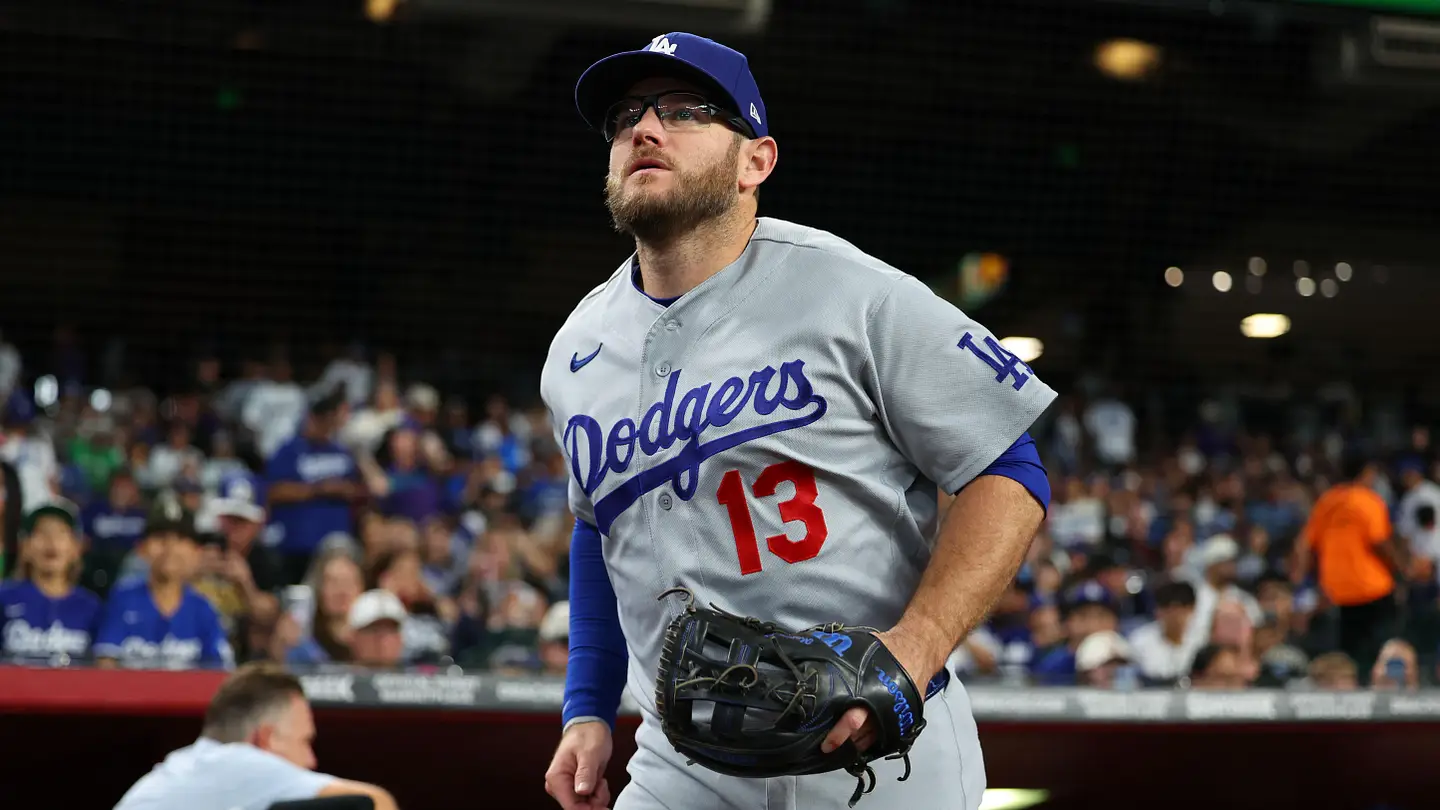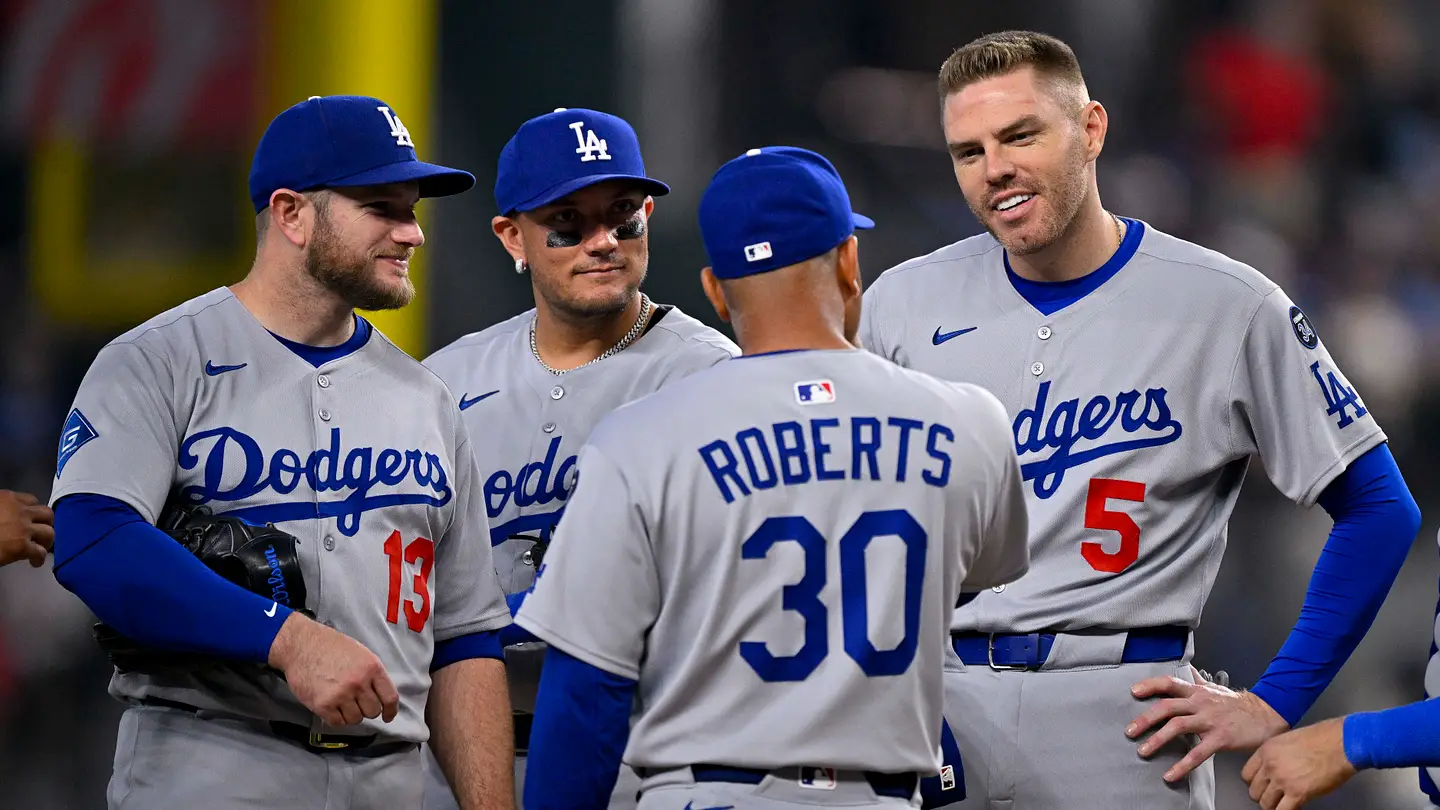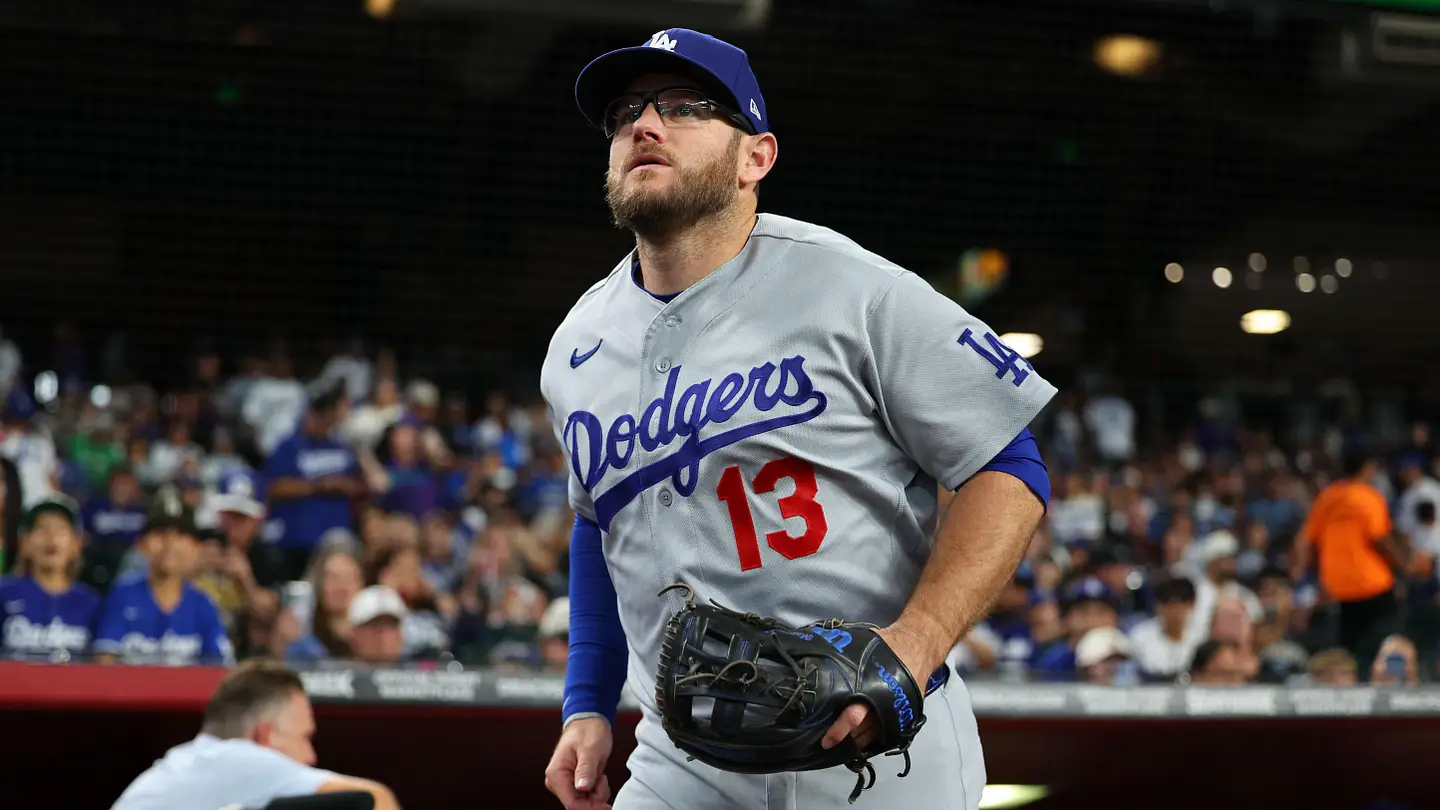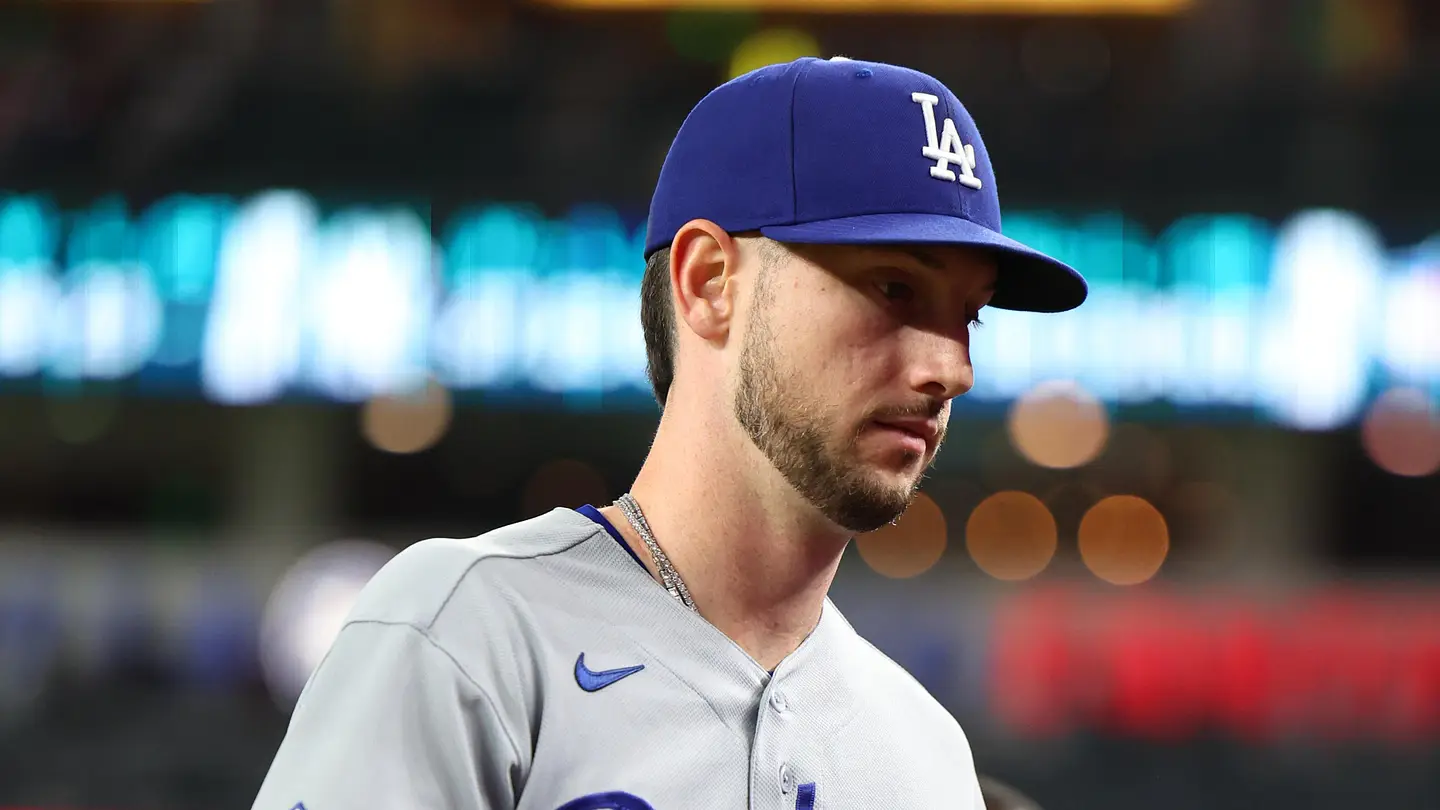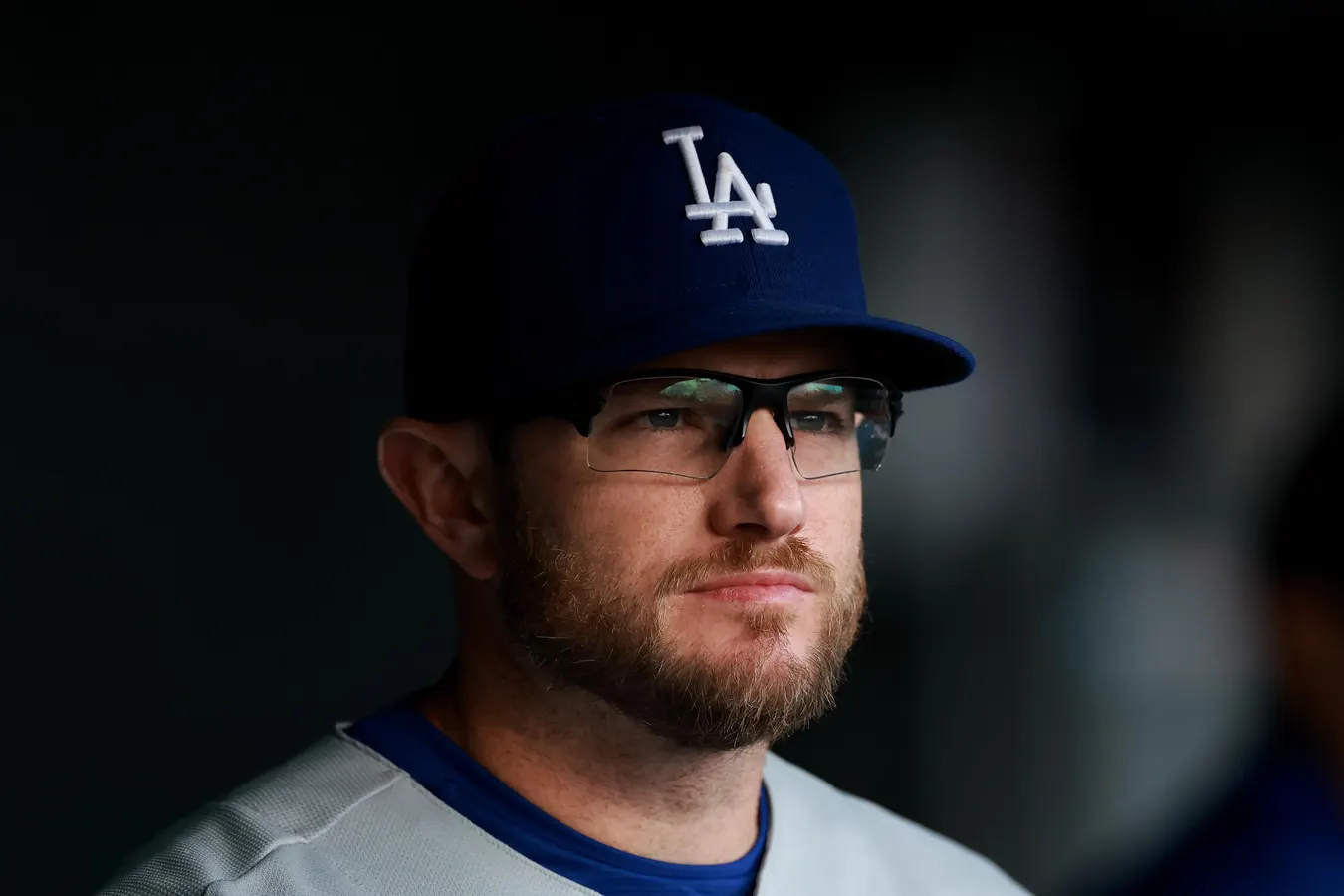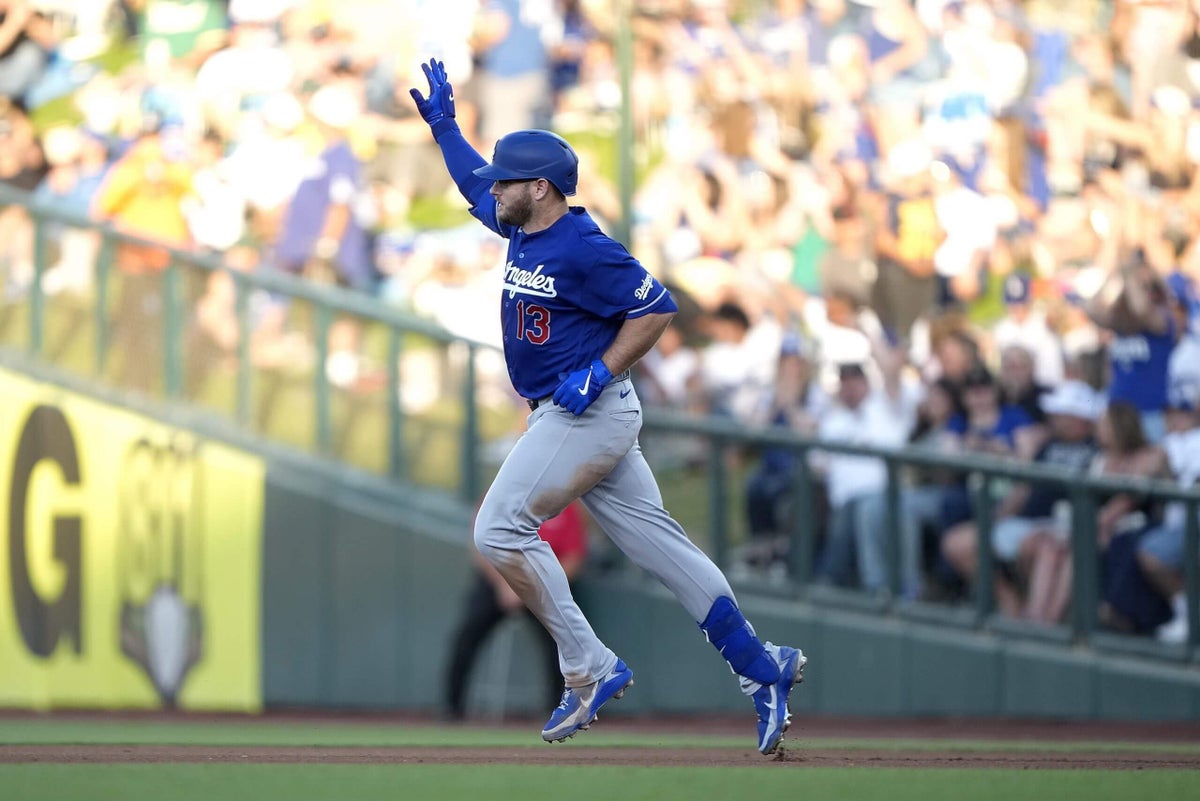
LOS ANGELES — Max Muncy has grown used to looking over his shoulder, but in the winter of 2020, he looked directly at the man he now credits with saving his career.The Los Angeles Dodgers, fresh off a World Series title, spent that offseason beefing up their resources to help players on and off the field. President of baseball operations Andrew Friedman tabbed Muncy and several other players, including Clayton Kershaw and Justin Turner, to interview candidates for the club’s new mental skills coach.The organization’s hiring of Brent Walker has produced a cascading effect for the now back-to-back World Series champions and their longest-tenured active player. Muncy was named an All-Star on Saturday, his first selection in five years.The honor can be traced in part to Muncy’s lessons and conversations with Walker, which started with that job interview and have continued ever since. Maintaining the mental part of the game is everything for Muncy, even amid a brilliant year.“You train in the weight room to get bigger, stronger, faster,” Muncy said recently. “You train in a cage, work on your swing, train on the mound, work on your pitches, (work) in the infield. But the one thing most guys neglect is their mind.”Muncy has worked on it. He hasn’t perfected it.“I don’t know that I’ve ever reached a point where I’ve had a handle on it,” Muncy said while sitting in the visiting dugout and laying out the sessions he’s come to lean on. “I mean, I still don’t.”Dodgers mental skills coach Brent Walker, shown here bumping fists with Will Smith in 2025, learned from his own struggles as a college pitcher. (Ronald Martinez / Getty Images)The Dodgers have acknowledged a different version of Muncy this season, as he became the first Dodger since Ron Cey in 1977 to be selected as the All-Star starter at third base. It’s the latest milestone for a core player during one of the franchise’s best-ever stretches.“He’s accomplished so much,” Walker said. “Right now, it’s kind of, everything’s icing on the cake.”Having Walker in the clubhouse helps.Muncy feels settled now, more than he ever has in a Dodgers uniform after going from unemployed to playing in the World Series in 2018 and seemingly being mentioned in trade rumors ever since. He is healthy, as he has been for quite some time, after a brutal elbow injury on the final day of the 2021 regular season affected his production for years. Various ailments slowed him down over the past few seasons.Keith Law's Big Board for the 2026 MLB DraftKeith LawMuncy has also dedicated himself to the ideas he’s discussed with Walker, a tall, unassuming and soft-spoken member of the team’s traveling party. The mental skills coach sometimes moonlights as a first baseman during the team’s pregame ground-ball ritual when he’s not helping the Dodgers with the psychological aspects of the game.Walker has reassured Muncy of his place. So much of their work together is simple conversation. Muncy will tell him how he’s feeling. Walker will listen, reinforce and encourage. The effects are massive.With Walker’s help, Muncy learned to cope with the inevitable struggles of a major-league season. The difference is so stark that he often thinks back to when he was a younger player, a washout with the Athletics who nearly gave up on the game. What could he have done differently back then?“I would love to see what kind of player that guy could be,” Muncy said. “A lot of the things are still the same. It’s just the knowledge that I’ve gained, and that’s only something you can gain with experience.”Muncy was out of baseball and considering retirement after the Athletics designated him for assignment in 2017. When he was released, he smiled at the news, Muncy said on a recent episode of “The Mental Game” podcast. He was free from the burden of expectations. Two years later, he was hitting a walk-off home run for the Dodgers in the World Series. Muncy understands the value of happiness in a game predicated on failure.“I know where I came from,” Muncy said, “and I know that if it’s not something that I stay on top of, it can be a detriment and it can really snowball a career.“As athletes, as men, we tend to shy away from that kind of stuff, but it’s important to have someone that you know you can talk to about it.”Muncy’s emphasis on mental health stands out even among his peers. Walker called him “arguably our most intelligent player.” The issues Muncy talks about now are different from the ones he felt when he started his career, but he’s already seen how much his mind can impact his play on the field. He did not feel comfortable in the clubhouse when he debuted in 2015, and he felt pressure to prove he belonged.That sapped his joy from the game and led him to seriously consider retirement.Muncy’s fire returned when he signed a minor-league contract with the Dodgers in 2017. His sudden stardom brought many emotions, including the sense that he still had something to prove and the fear that his success could be fleeting. Every slump threatened to slide into something more.“He wanted to succeed so much that when he didn’t, it could really spike him,” Friedman said.Muncy was an All-Star for the first time in 2019. He won a World Series the following season. He still struggled with a game that gave constant negative feedback.Muncy found a kindred spirit in Walker, who shared his own story during that interview with Muncy and Turner. Walker opened his junior year as a pitcher at Bradley University by throwing a no-hitter. In his next start, he threw a three-hitter. Then he threw 4 2/3 innings of one-hit relief.Then he never topped three innings in an outing for the rest of his collegiate career.“I just rode the roller coaster,” Walker said. “Just a lack of confidence.”That mental spiral ended Walker’s playing career. It also fueled what Walker has done since, helping athletes dodge similar pitfalls.“If I can help someone avoid what I’m going through, that’s what I want to do,” Walker said.Walker carried that with him through getting a master’s in sports psychology from the University of North Carolina and a Ph.D. in the field at Illinois.His path from athlete to coach resonates with players and opens up conversations.“That meant a lot to me,” Muncy said.Friedman said it was important for players to sign off on the Dodgers’ hire back in 2020. The feedback they gave about Walker finalized the team’s decision. Muncy appreciates how the Dodgers prioritize mental health.“They make a lot of decisions with players in mind,” Muncy said. “They bring players in and they ask them, ‘What do you think about this? What do you think about that?’ The way we travel — that has been documented very well now. The way that they just interact with players instead of just saying, ‘Here’s how we’re doing things, you guys have to deal with it.’ They want to have the conversations back and forth to know.”Walker was unsure of how he wanted to fit into his new environment once the Dodgers hired him. He arrived for his first day in slacks, only to have special assistant and former big-league manager Ron Roenicke urge Walker to get into baseball pants. He quickly became catch partners with Kenley Jansen, and now spends much of his pregame time helping field throws over at first base. During the game, Walker is in the dugout, always available for conversation.The conversations with Muncy vary. Sometimes, it’s a quick thought while Muncy takes groundballs. It could be a question while they’re sitting in the food room, or a concern he has between at-bats. Sometimes, Walker will plop down on the floor next to Muncy somewhere in the bowels of a ballpark.Until this season, Muncy couldn’t even step into Walker’s office at Dodger Stadium — the mental health coach didn’t have one yet. But the free-flowing style of their meetings made the interactions feel natural.“He can kind of sense when I’m starting to press and starting to struggle with things, and he can come and approach me on that,” Muncy said. “At the same time, I know I can go to him at any moment about anything, and that’s just part of the relationship.”Muncy has worked enough with Walker to know when he needs to take a step back, reflect, and talk through the stressors he’s feeling. The solutions come a bit quicker because Muncy can stave off bad thoughts before they spiral.Walker’s arrival in Los Angeles has coincided with the latter half of Muncy’s tenure with the franchise. He was an All-Star in 2021 and about to close out the best season of his career when he tore ligaments in his left elbow in a freak play at first base. His bat wasn’t the same in 2022. His swing still wasn’t the same in 2023, and there were rumblings about the Dodgers replacing Muncy with Nolan Arenado. (“A lot of it — I think all of it — has been BS,” Friedman said of the trade rumors.) Side and knee injuries limited him to 173 regular-season games combined in 2024 and 2025.The injuries added a new dynamic to Muncy and Walker’s relationship. There’s an isolation that comes with rehab. There’s also a fear of what’s next.“You have to mentally deal with the fact that you’re not the same guy you were before,” Muncy said.Toss in life’s normal stresses and changes, and it all adds up. Muncy and his wife, Kellie, have three children. One of them, Wyatt, was by Muncy’s side Saturday when he was announced as an All-Star for the first time in five years. Muncy’s growing family has also changed his perspective.“You’re trying to help out and be a good husband, trying to be a father,” he said. “There’s a lot of things that can play into the mental state of this game, and a lot of times it has nothing to do with what goes on out there on the field.“I can’t have an 0-for-3 game with three strikeouts and then take that to the house and try to be a dad still thinking about the 0-for-3 or three strikeouts. Because then my kids aren’t going to get the dad that they need to have to grow up to be good people. You have to find a way to separate what happens here versus what happens in your life.”Walker has helped Muncy learn to cope while also reinforcing the good work Muncy has already done. Developing that mindfulness has only helped Muncy be the best version of himself at his day job.“That process has kind of allowed him to be at peace with everything he’s accomplished,” Walker said.Walker can see the changes, not just in how Muncy approaches his work but in how he receives praise. No example sticks out more to Walker than Game 7 of last year’s World Series, when Muncy slugged a solo home run off of Trey Yesavage that cut the Toronto Blue Jays’ lead to 4-3 and set the stage for Miguel Rojas’ iconic game-tying home run an inning later.Muncy’s homer wasn’t the most memorable of the night — it wasn’t even the second-most, after Will Smith launched the game-winning blast in the 11th inning — but Muncy understood what he accomplished.“I think maybe even for the first time, people acknowledged what role Max plays for us,” Walker said. “We don’t win if Max didn’t hit that one. It was kind of overlooked in some sense, but I think even if you just read social media comments, you can see now it was finally the recognition for him as a player.”It’s the recognition that Walker has long tried to give Muncy.“I think this is the best version of Max,” manager Dave Roberts said last month.Roberts was in his third full season as the Dodgers’ manager when Muncy became one of the game’s more unlikely mid-career breakout stories in recent memory. The player and manager have endured plenty together and fostered a strong relationship as a result.Now, Roberts gets to watch Muncy break out all over again.“Some of the things that he used to worry about and spike on, he’s not doing that anymore,” Roberts said. “His head is just much more consistent.”Walker admires Muncy. He has seen every step the 35-year-old third baseman has taken over the last few years to get here. When Walker sees Muncy, he doesn’t see him as a player he’s coached up. He sees a player eager to work on himself.“In many ways,” Walker said, “it’s a story of resiliency.”
How a mental skills coach helped Max Muncy emerge as an All-Star again
Brent Walker said a new mental approach helps Muncy "to be at peace with everything he’s accomplished."
2,106 words~10 min read