One year after Ethiopia opened its banking sector to foreign investors, the anticipated influx of international lenders has yet to materialise in Africa’s second most populous nation.
Instead, the government and the National Bank of Ethiopia (NBE) have spent much of the past year strengthening domestic banks, deepening capital markets, and addressing structural weaknesses in the financial system. The approach shows that the East African nation’s first phase of liberalisation is less about immediate foreign-bank entry than building local institutions capable of competing when it happens.
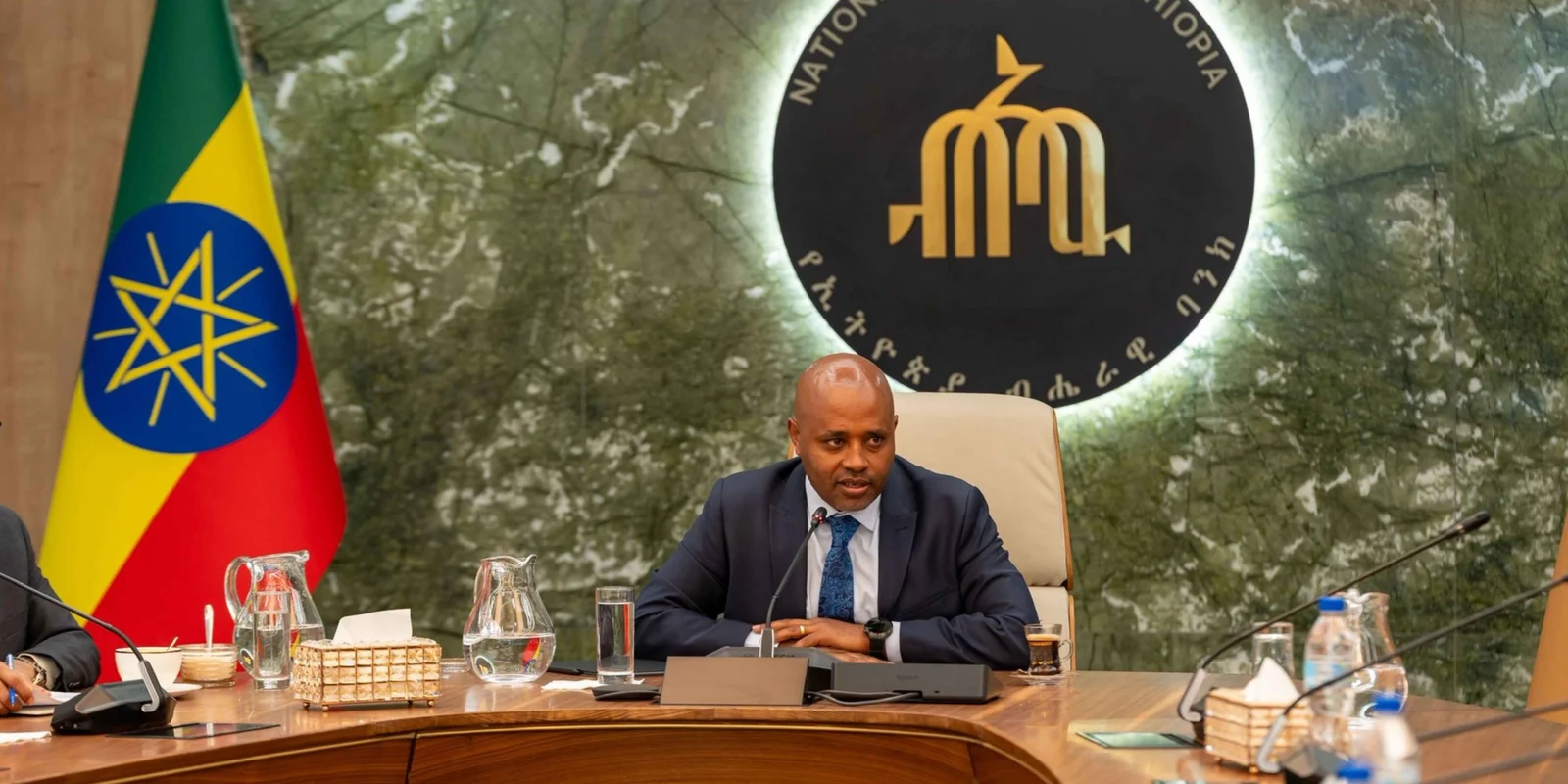
When the NBE issued its landmark directive in June 2025, it ended more than five decades of protection for one of Africa’s last major closed banking markets. The rules allow foreign banks to establish subsidiaries, open branches and acquire minority stakes in Ethiopian lenders, subject to regulatory approval.
The reform forms part of Prime Minister Abiy Ahmed’s wider economic liberalisation programme, which aims to attract foreign capital, modernise financial services and integrate the country more closely into the global economy.
At the time, policymakers argued that foreign participation would improve competition, increase access to capital, expand financial inclusion and bring new technology and expertise into the country’s underdeveloped banking sector.