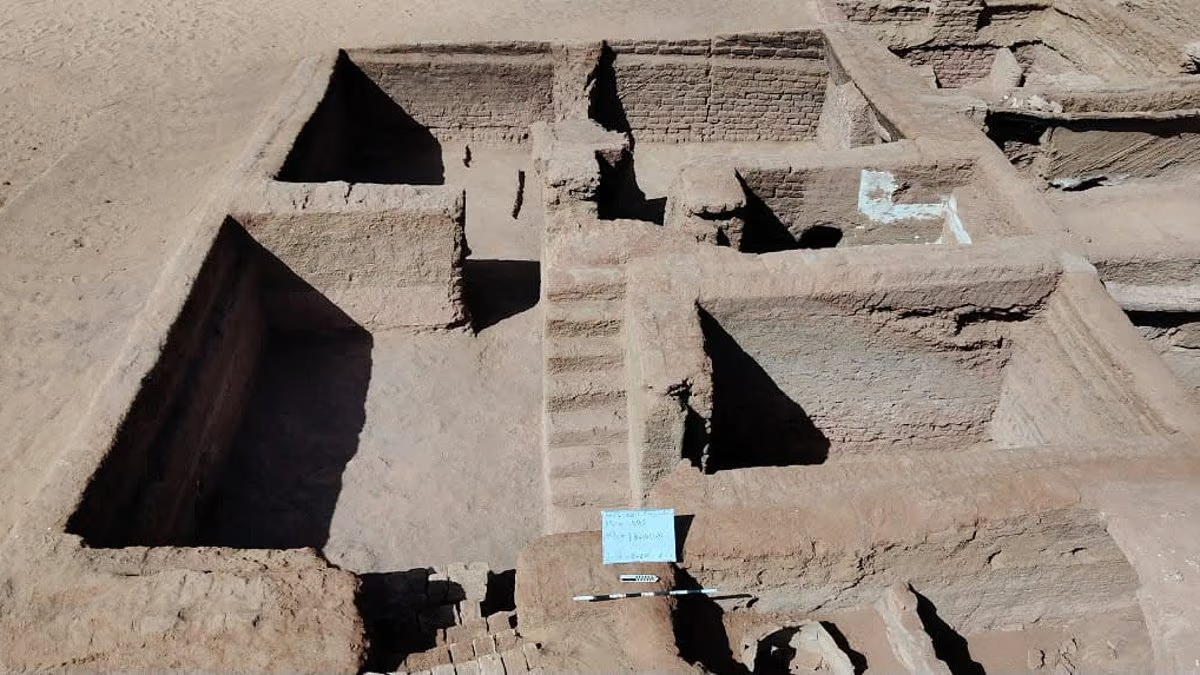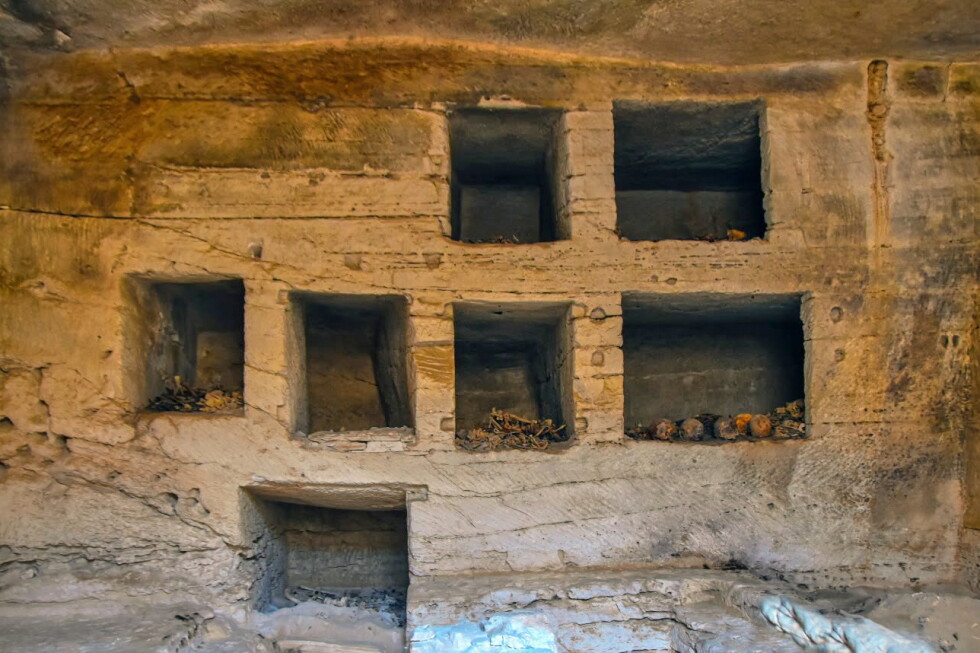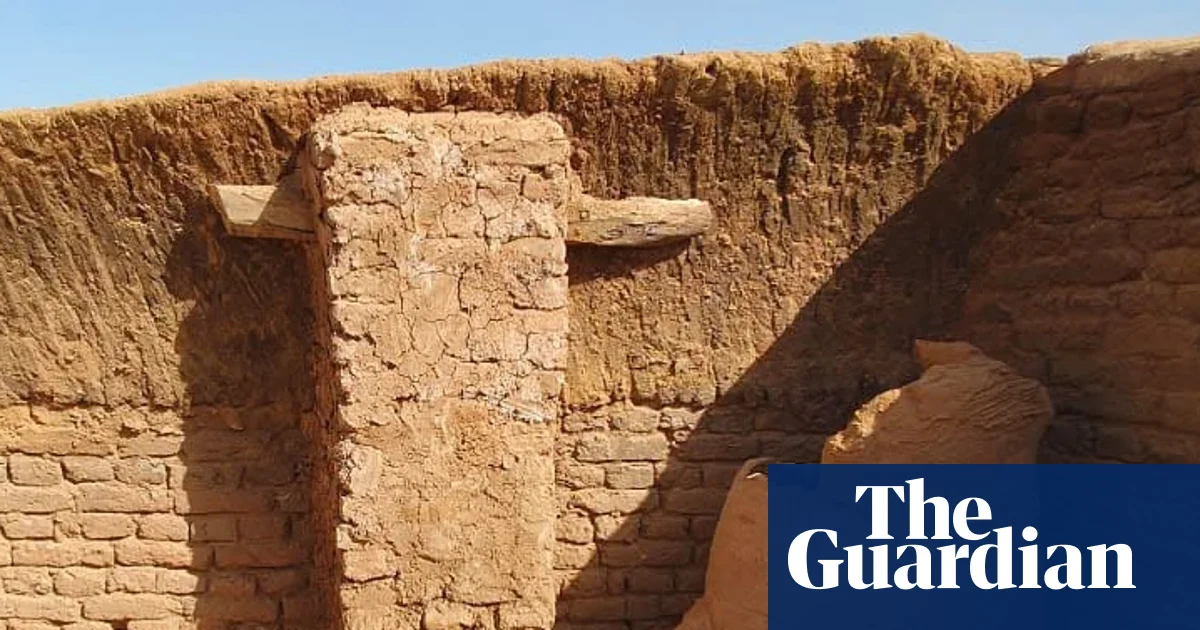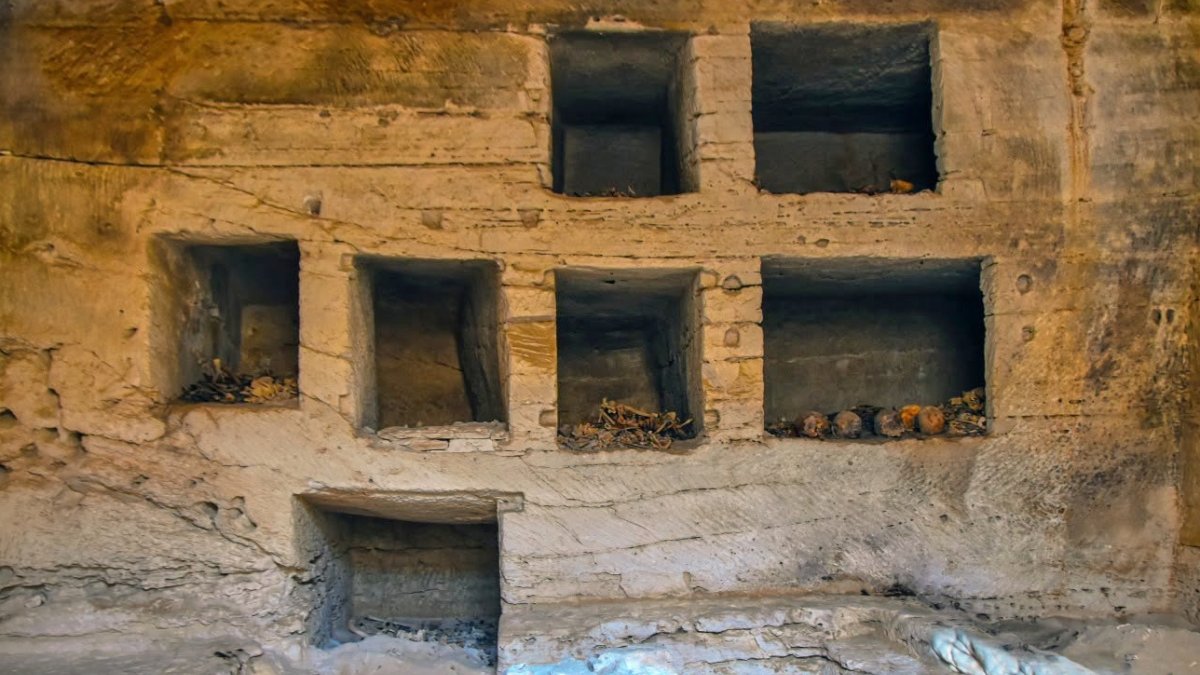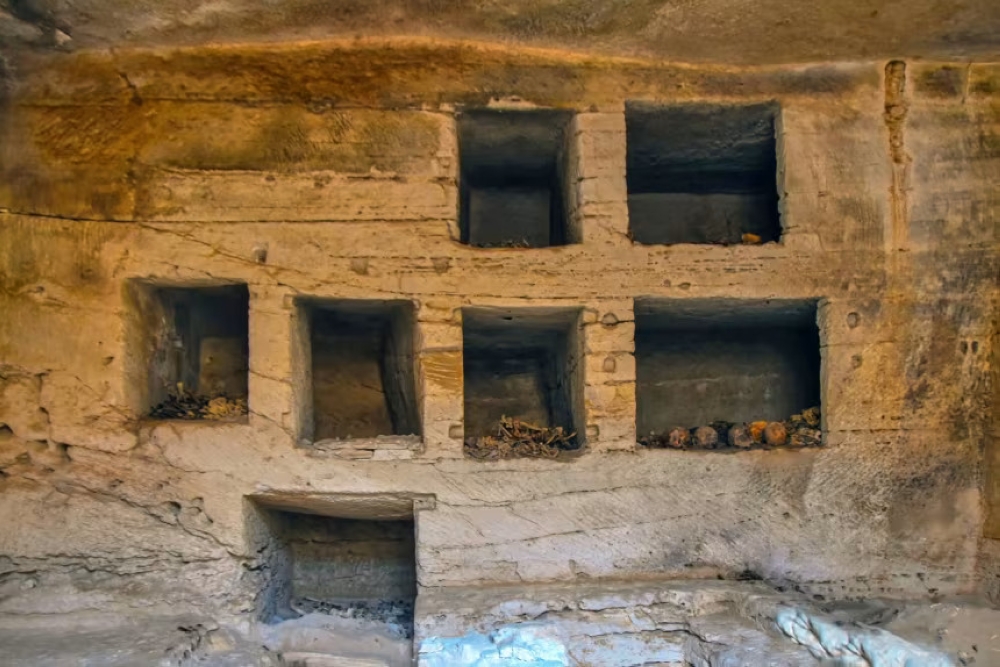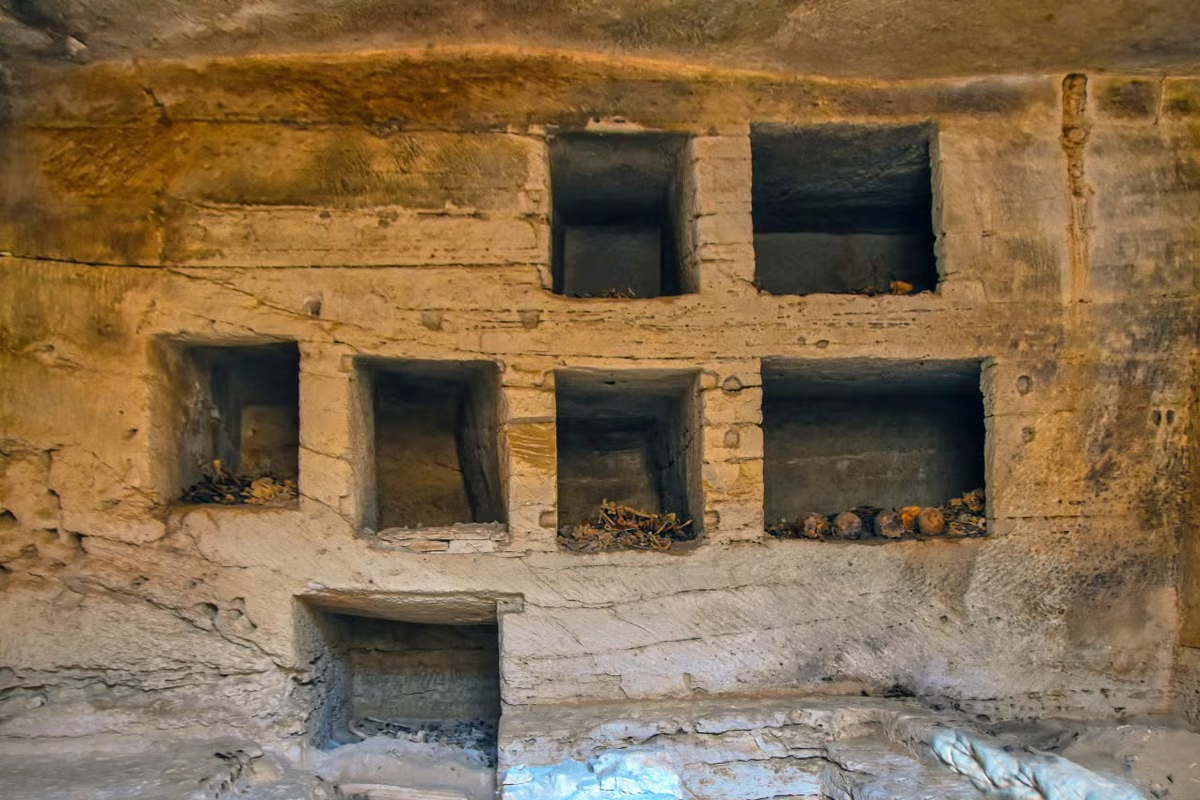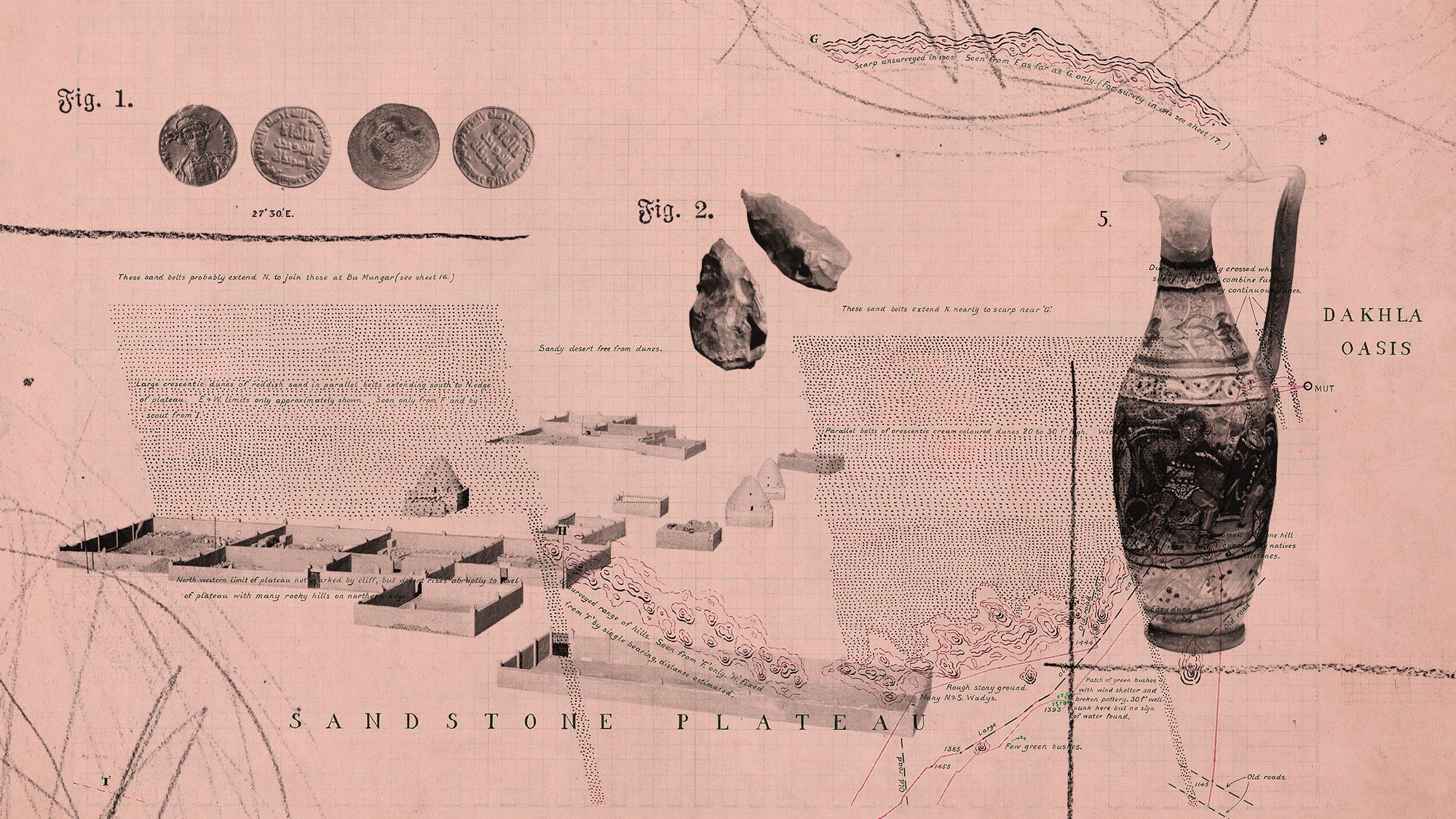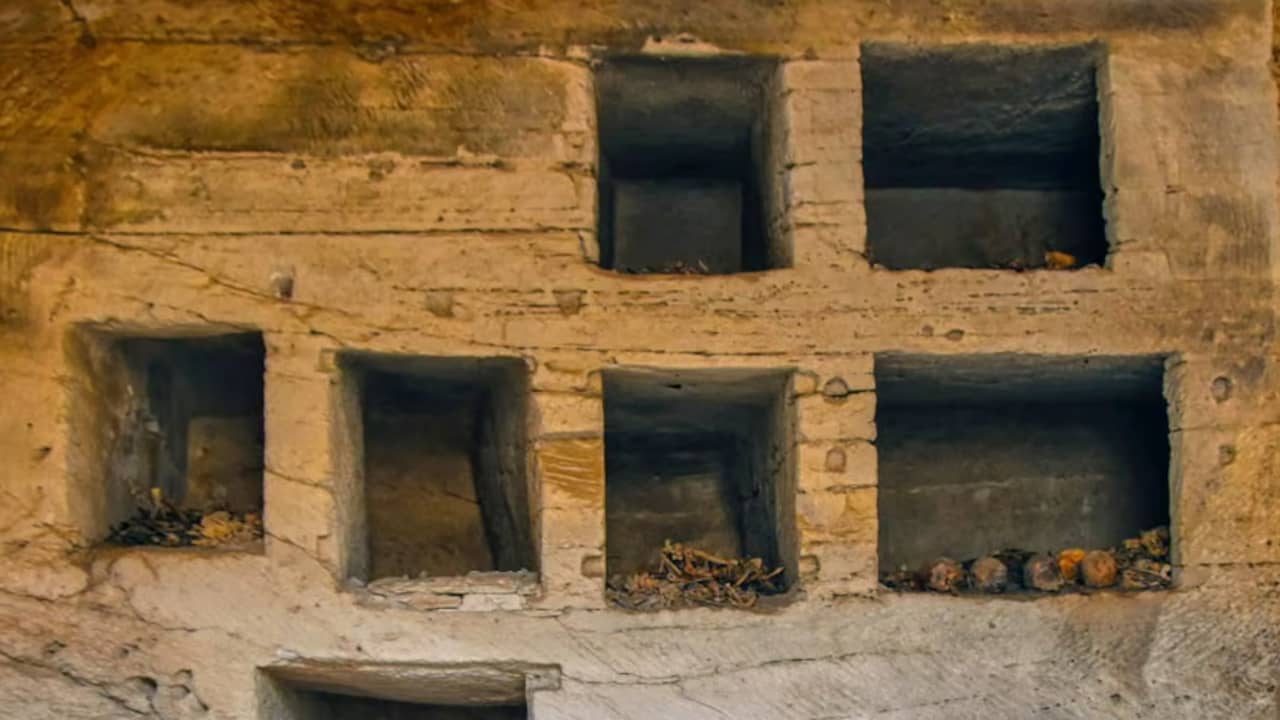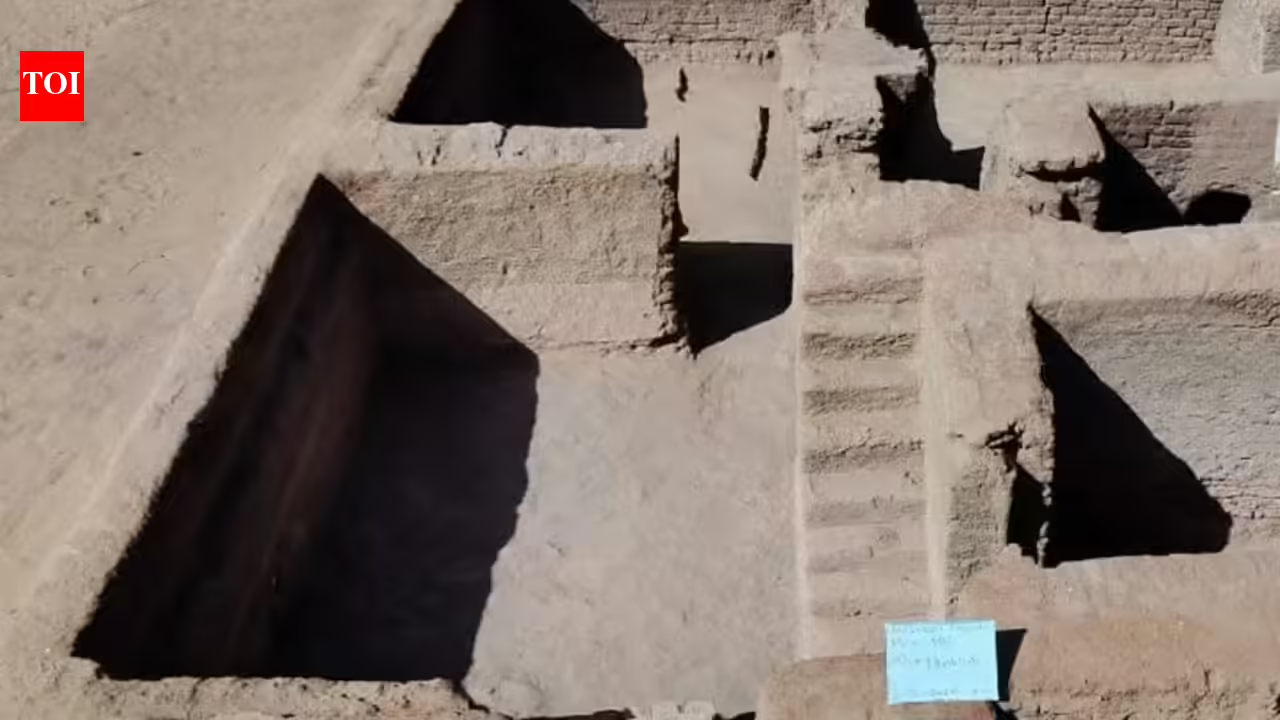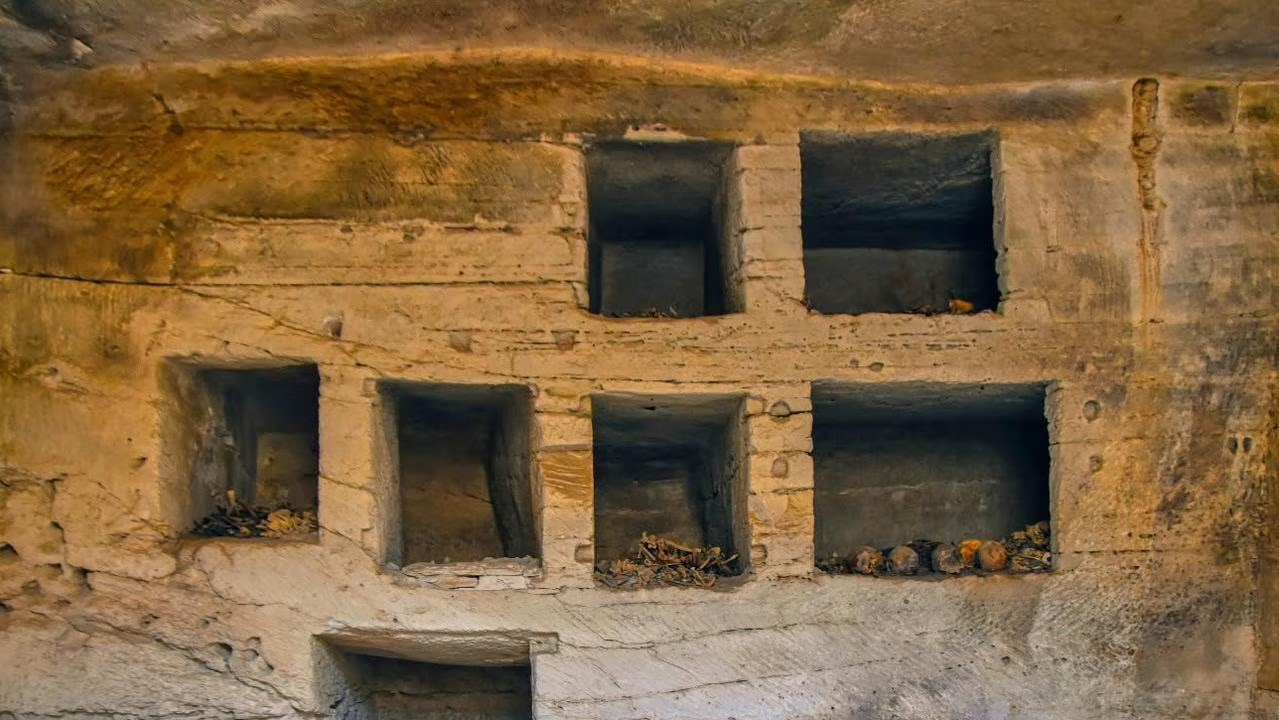
Archaeologists have unearthed a 1,600-year-old city in Egypt replete with watchtowers, a church and a trove of artefacts.The discovery of the well-preserved Byzantine-era city and 18 ancient tombs near Alexandria were announced by Egypt’s tourism board on Saturday.Archaeologists uncovered coins, pottery fragments and tools in the Dakhla oasis, according to The Guardian.Rock-cut and limestone tombs, pottery and a granite sarcophagus were found at Marina el-Alamein. The rock-cut tombs averaged eight metres deep.Egypt’s Tourism and Antiques Ministry said the newly-discovered Fourth Center city also included public squares and was once part of the Byzantine Empire.Officials said the hidden city offers precious insight into the everyday life of its residents centuries ago.The city has a grid-like system with north-south thoroughfares intersected by east-west streets, said Hisham el-Leithy, secretary general of the supreme council of antiquities.The site is a step away from being added to UNESCO’s World Heritage List.Archaeologists also found thick defensive walls and rows of houses consisting of reception halls and vaulted roofs.They also found the house of Tisous, a church deacon, which expert believe was a house of worships before being turned into a basilica.Bread ovens, kitchens, stone grinding tools and well-preserved bronze coins with portraits of Byzantine emperor were also discovered.As well as Latin inscriptions and Christian symbols.A trove of coins dated to the reign of Roman emperor Constantius II, who ruled between 337 and 361, the ministry statement said.Diaa Zahran, head of the Islamic, Coptic and Jewish antiquities department, said the 200-plus fragments of pottery found by archaeologists would have been used as writing material.Known as ostraca, these had transactions, correspondence and other details of daily life inscribed into them, according to Mr Zahran.Amongst the finds was a 2.5-metre-long granite sarcophagus with a skeleton inside that is being studied by researchers. They also found a plaster sphinx statue, mission chief Eman Abdel-Khaliq said.Archaeologists found four gold pieces inside the mouths of some of the deceased, which was a common funeral practice at the time.Marina el-Alamein is an archaeological site close to the city of Alamein on Egypt’s northern coast, unearthed in 1986. Archaeologists believe the site was the ancient Greco-Roman port city of Leukaspis on the Mediterranean, which was built in the second century and thrived until the fourth century.- With the New York Post and wires
Archaeologists find new ancient city in Egyptian desert
Archaeologists have unearthed a 1,600-year-old city in Egypt replete with watchtowers, a church and a trove of artefacts.
379 words~2 min read