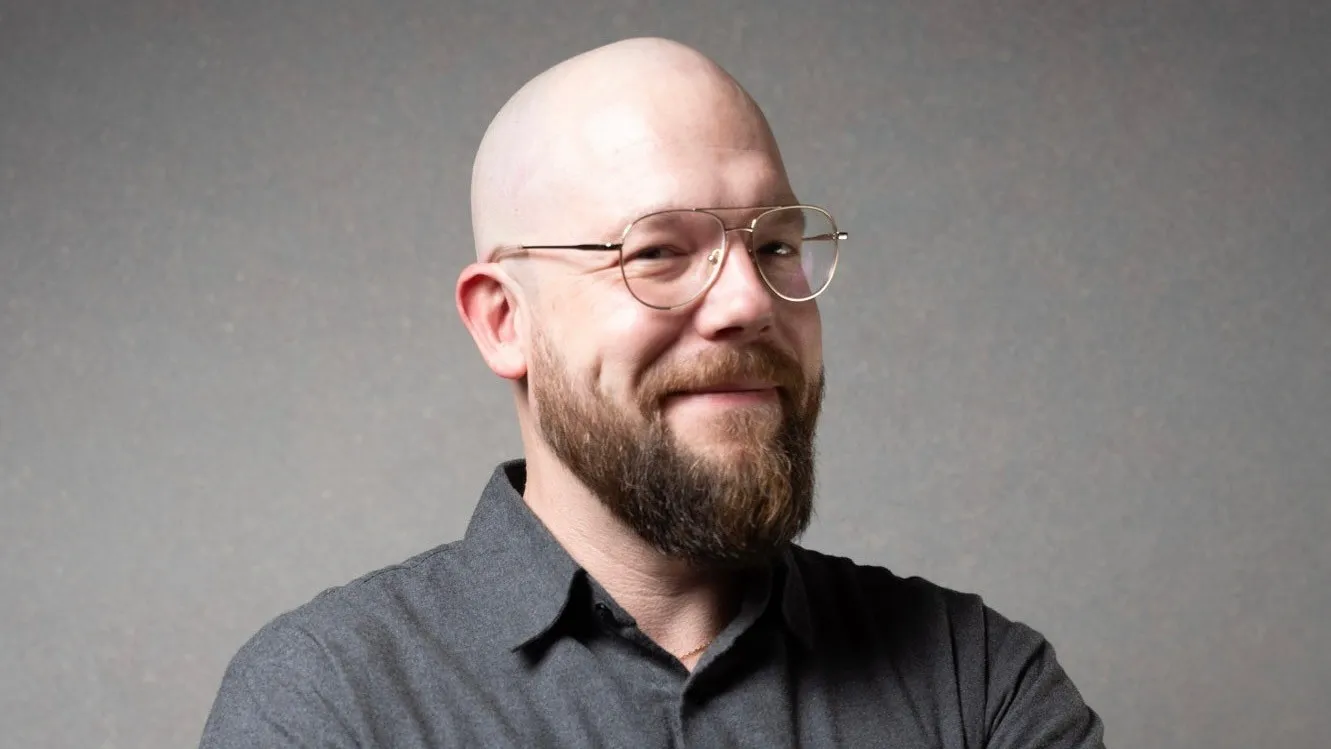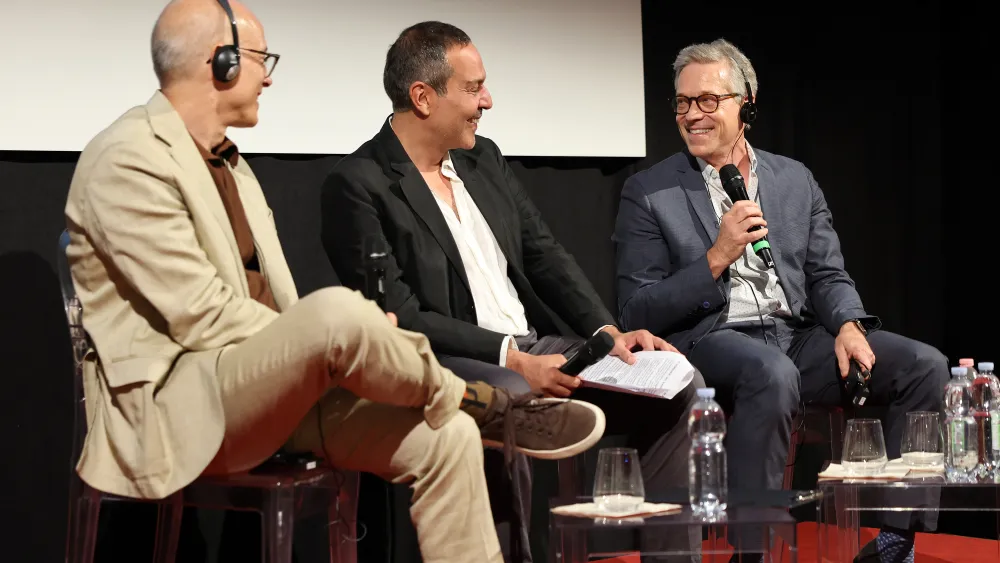
The global immediacy of TV and some not so welcome knock-on effects proved the focus of one of the biggest panels at this year’s Italian Global Series, featuring David W. Zucker, chief creative officer at Scott Free, and Steve Stark, chairman and executive producer at Toluca Pictures (“The Handmaid’s Tale,” “Fargo,” “Vikings,” “Wednesday”).
Zucker, who at Scott Free has produced projects such as CBS series “The Good Wife,” HBO’s “Raised by Wolves” and Amazon’s “The Man in the High Castle,” observed the positive and the negative of the new status quo.
“The industry is in an undeniable state of crisis and that’s certainly been echoed by other producers we’ve met around the world,” Zucker said.
“It’s born of a couple of particular factors, at least in terms of the U.S. industry,” he added. “Obviously, there’s been the substantial effect of Netflix and the rise of the streamers, not so much in the fact that there were these new broadcast opportunities, but insofar as that they fundamentally changed the way content was produced and the way content related to the viewer.”
Zucker went on to explain that television was about people developing long-term relationships with characters, and that the goal, both financially and creatively, was to exist in these viewer’s homes for as much time as possible. Netflix’s arrival in TV distribution and production (and later Amazon, and others) changed this attitude and approach, due to “shorter attention spans” and the incentive to ask audiences to pay a “a steep regular monthly price,” meaning there always had to be something new. “They weren’t interested in a long-term relationship, they were interested in giving you something that will make you pay again next month,” he explained, saying that this changes both the nature of how the audience views television as well as the very nature of the television which they’ll be viewing.