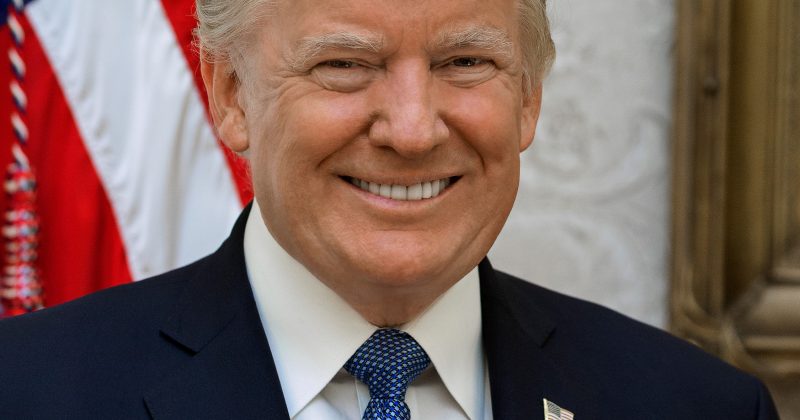
President Donald Trump’s financial disclosure came at a bad time for the crypto industry—depending on who you ask. Last week, documents revealed that crypto business entities associated with Trump and his family raked in $1.4 billion in income in 2025, pushing Democrats in Congress to respond with alarm. In a post on social media, Sen. Adam Schiff (D-Calif.) alleged that the commander-in-chief was “blatantly profiteering off the presidency.”
(“Neither the president nor his family has ever engaged—or will ever engage—in conflicts of interest,” Anna Kelly, a White House spokeswoman, told Fortune.)
Schiff and his colleagues, including Sen. Elizabeth Warren (D-Mass.), weren’t railing against Trump purely because they saw an opportunity to take political shots. (That, of course, was likely one motivation.) They were also using the moment to highlight an ongoing demand as the Senate hashes out the CLARITY Act, a key piece of legislation that would regulate digital assets.
CLARITY is arguably even more important to the industry than GENIUS, the bill signed into law in 2025 that established a regulatory framework for stablecoins, or tokens pegged to real-world assets like the U.S. dollar. CLARITY’s remit is broader, defining when, for example, regulators should consider a cryptocurrency a security and when they should consider a token a commodity.