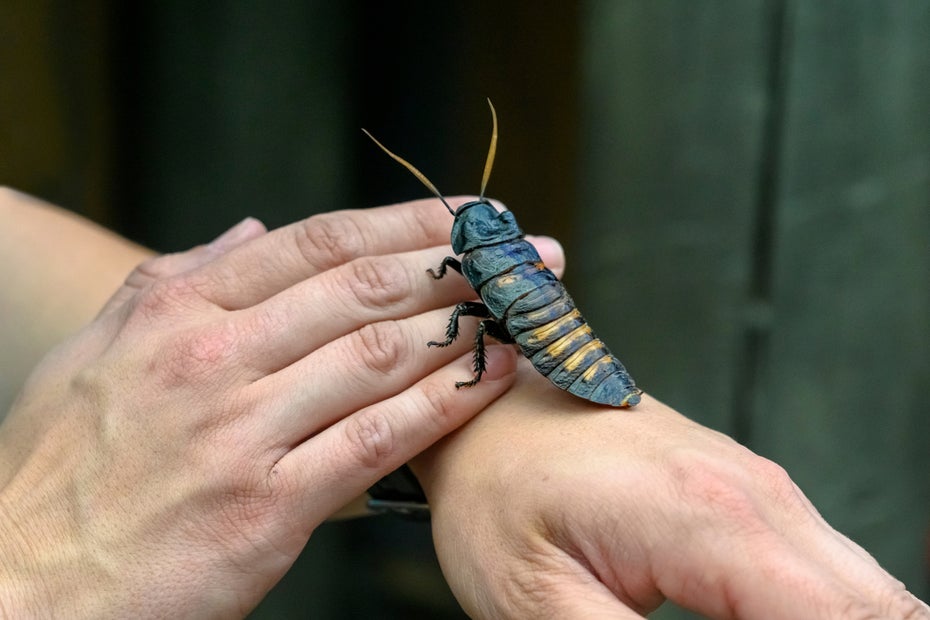
FORWARD-LOOKING: A team of researchers in Singapore has built a way for cyborg cockroaches to keep working when there isn't enough oxygen. The setup lets the cockroach keep moving in shallow, waterlogged, and low-oxygen spaces, instead of being limited to dry ground. The project, led by Nanyang Technological University, focuses on a small, wearable device that effectively acts as the roach's life-support system. It builds on more than a decade of work on cyborg insects – real animals wired so a human can steer them with electronic signals.
These systems have already been tested in search-and-rescue scenarios and for inspecting infrastructure, but only in dry conditions. That's because insects like cockroaches rely on oxygen from the air, which limits where they can go. In real disaster sites, especially after flooding, that's a major drawback.
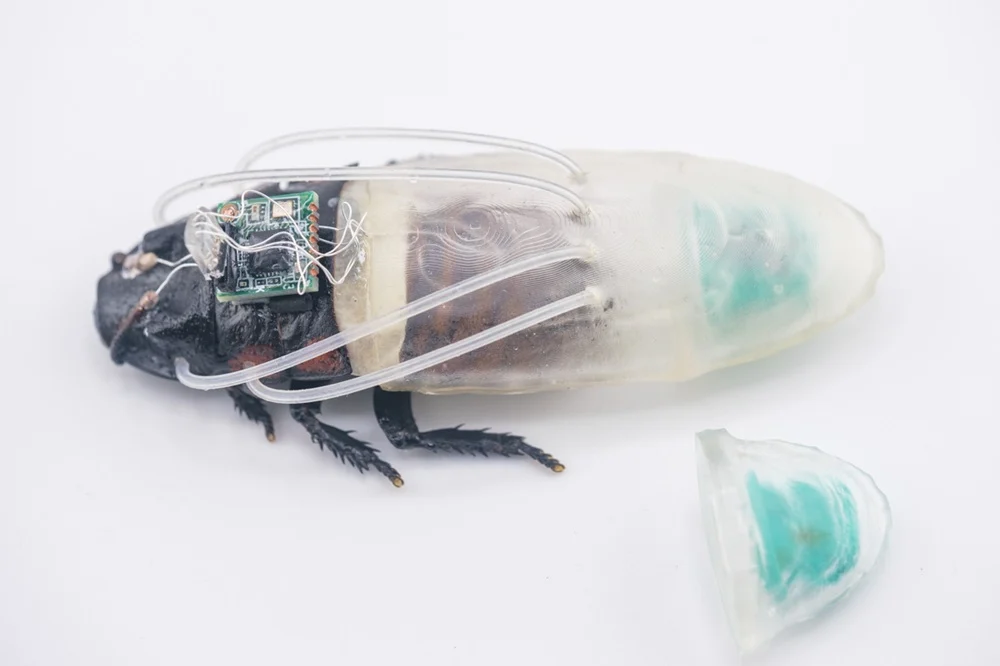
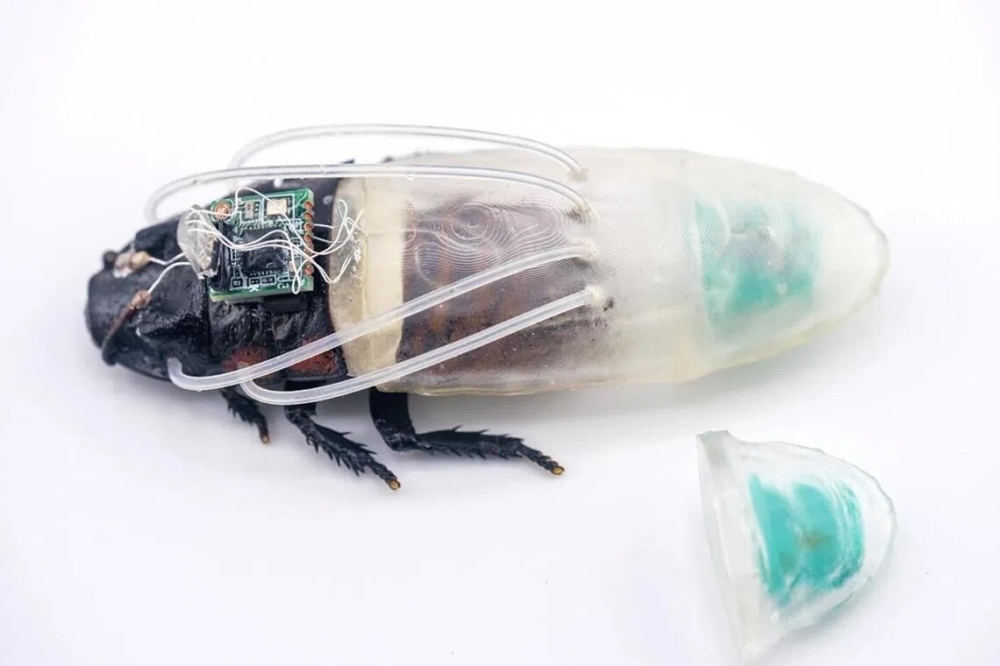
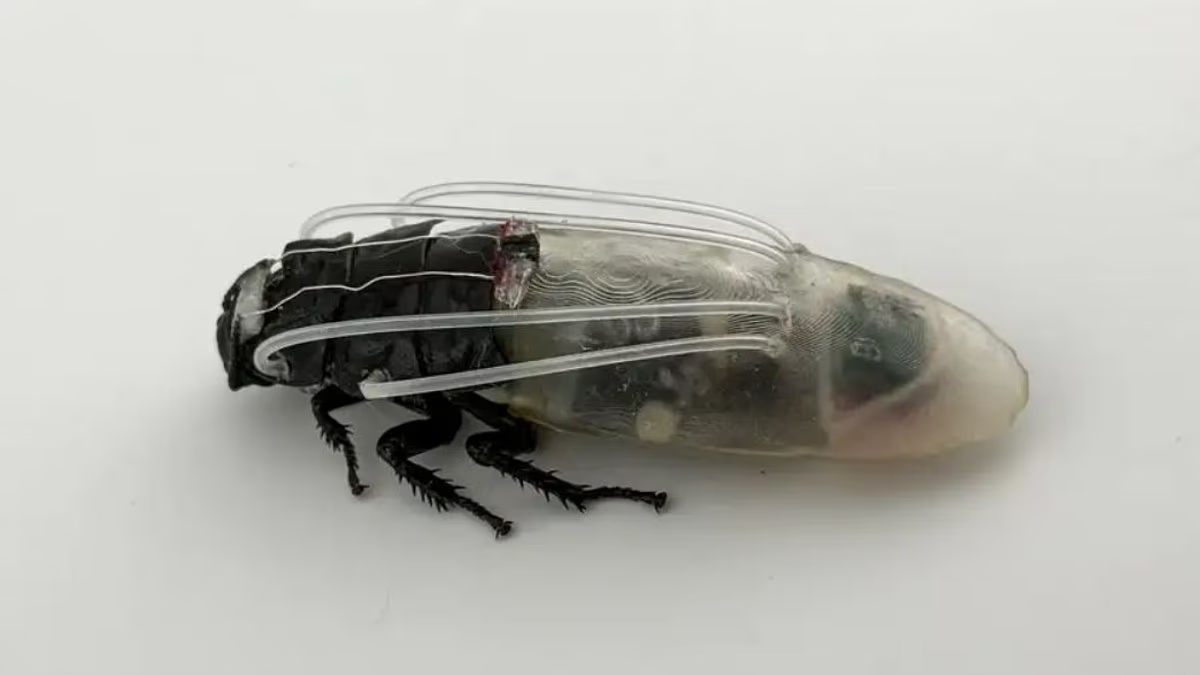
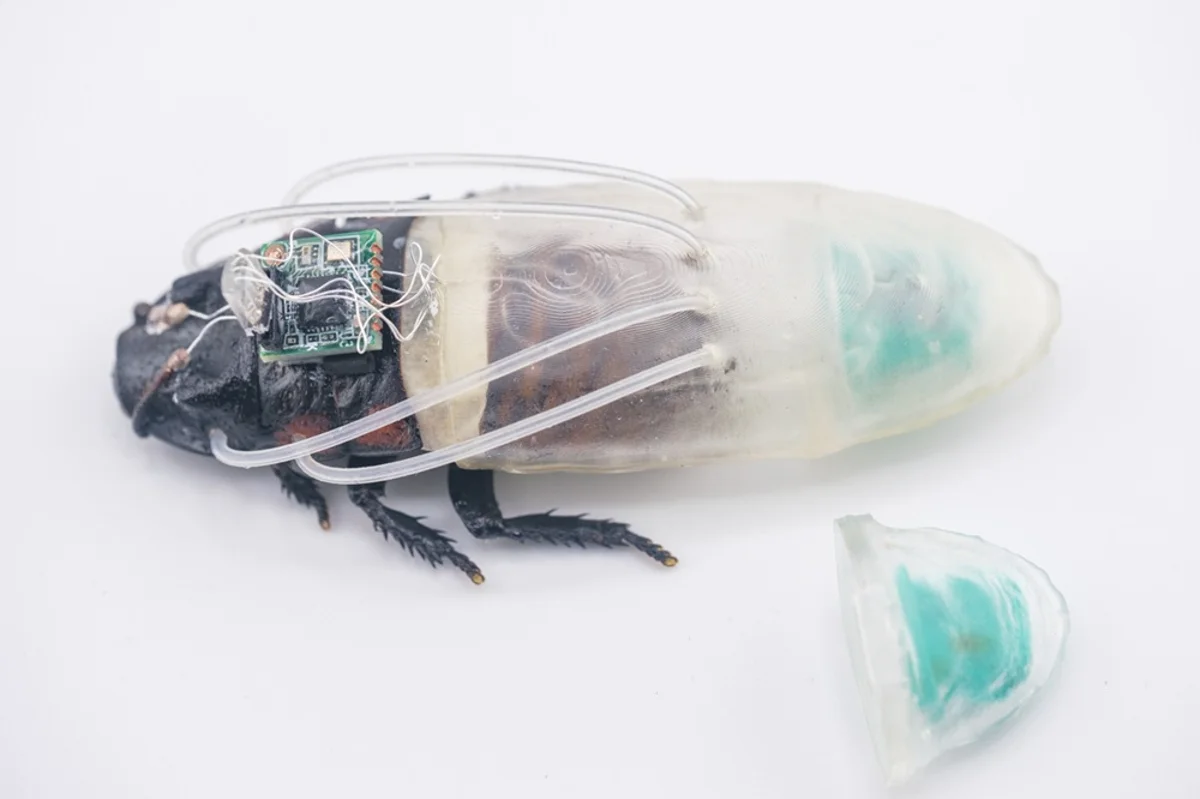
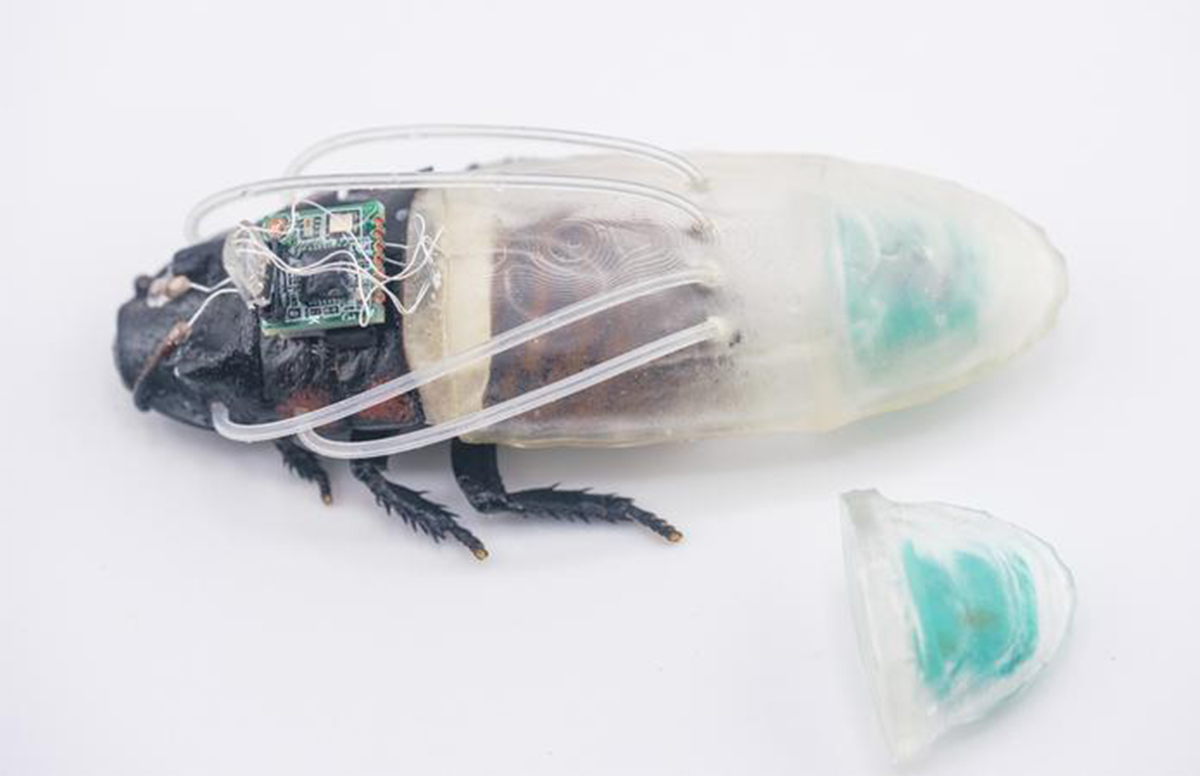
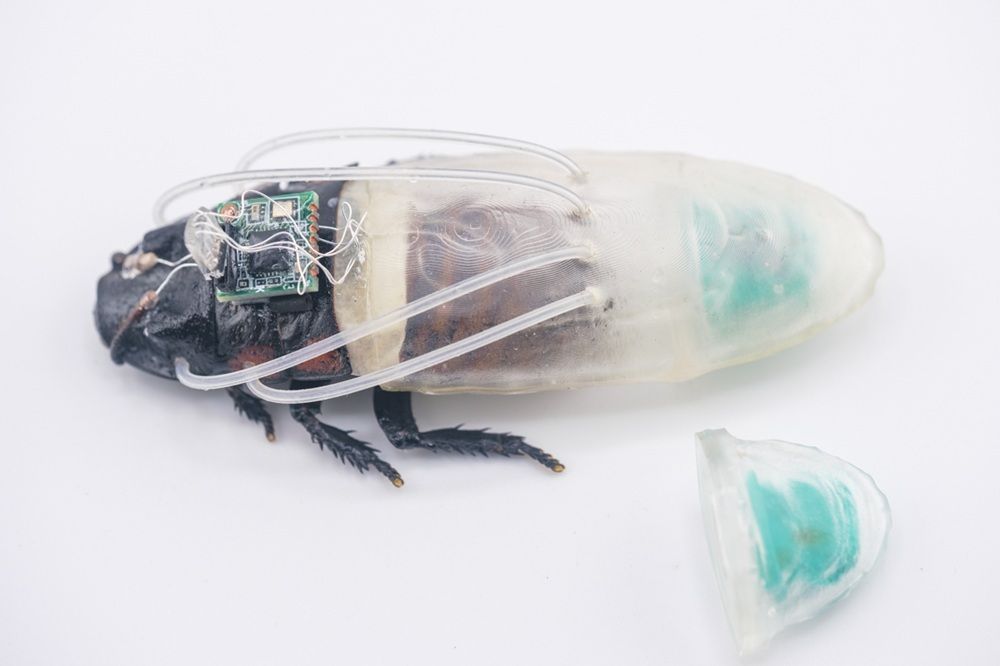
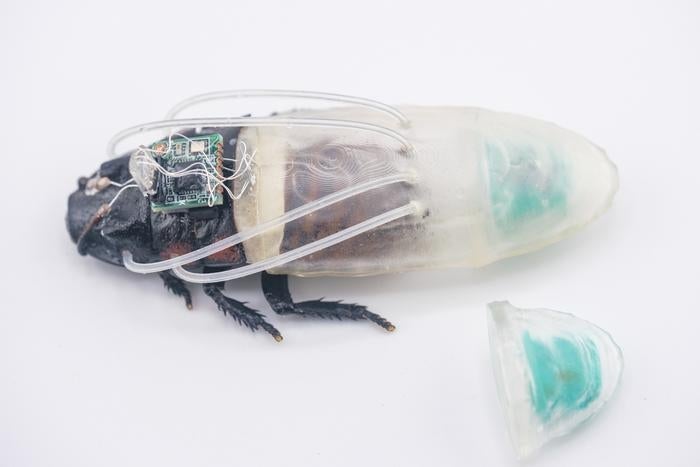
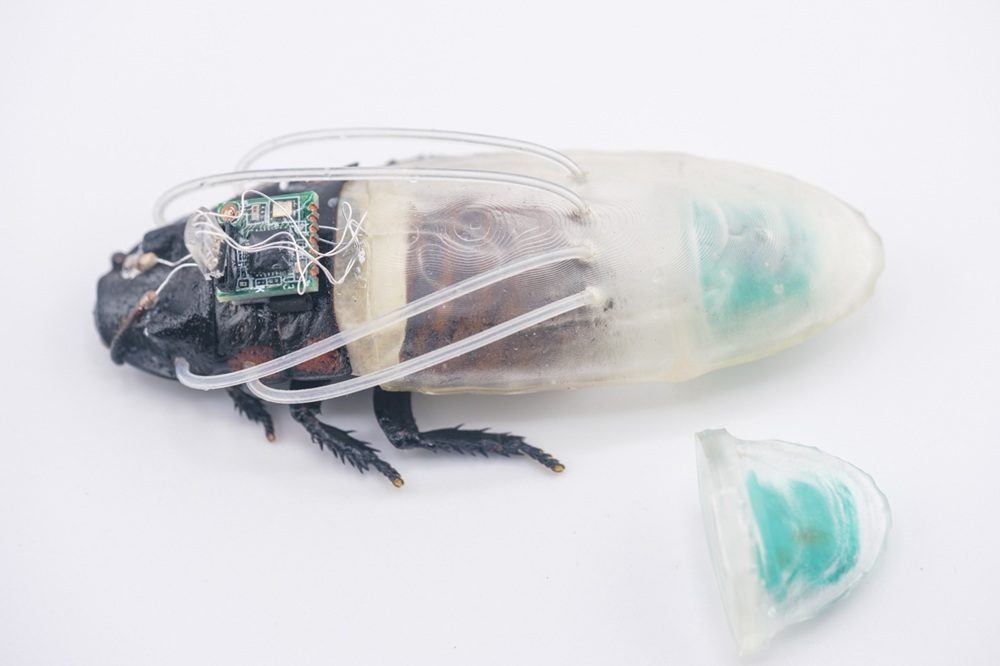
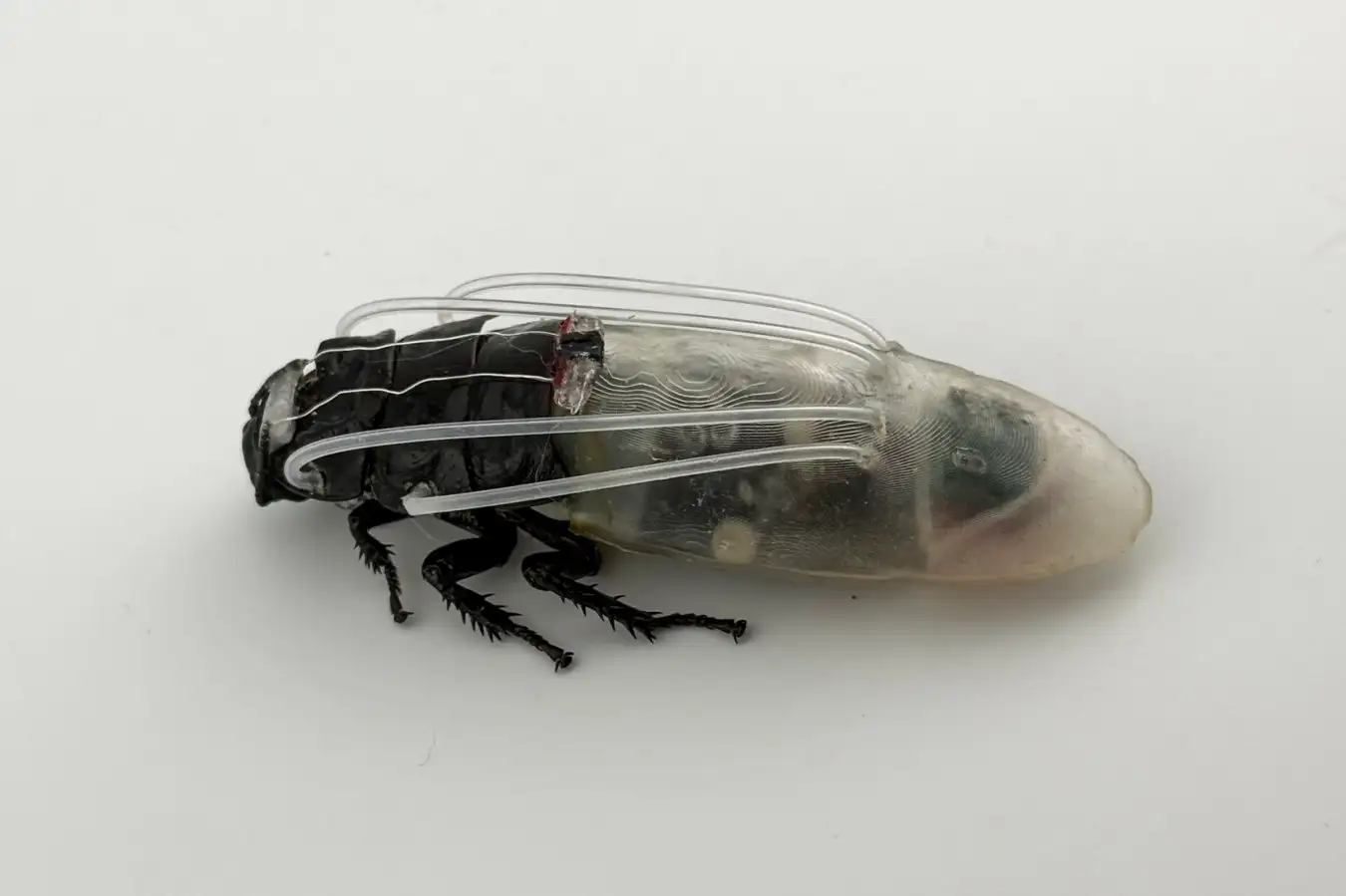
The NTU team's answer is a 3D-printed diving suit that straps onto the roach's back. It's small – about 10 by 10 millimeters – and designed to be as lightweight as possible so it doesn't interfere with the insect's movement. Inside the device is a chemical oxygen generator. It uses hydrogen peroxide and a manganese dioxide catalyst to generate oxygen. That oxygen flows through four silicone tubes connected to the roach's spiracles, the openings it uses to breathe. That allows the insect to function even when submerged.