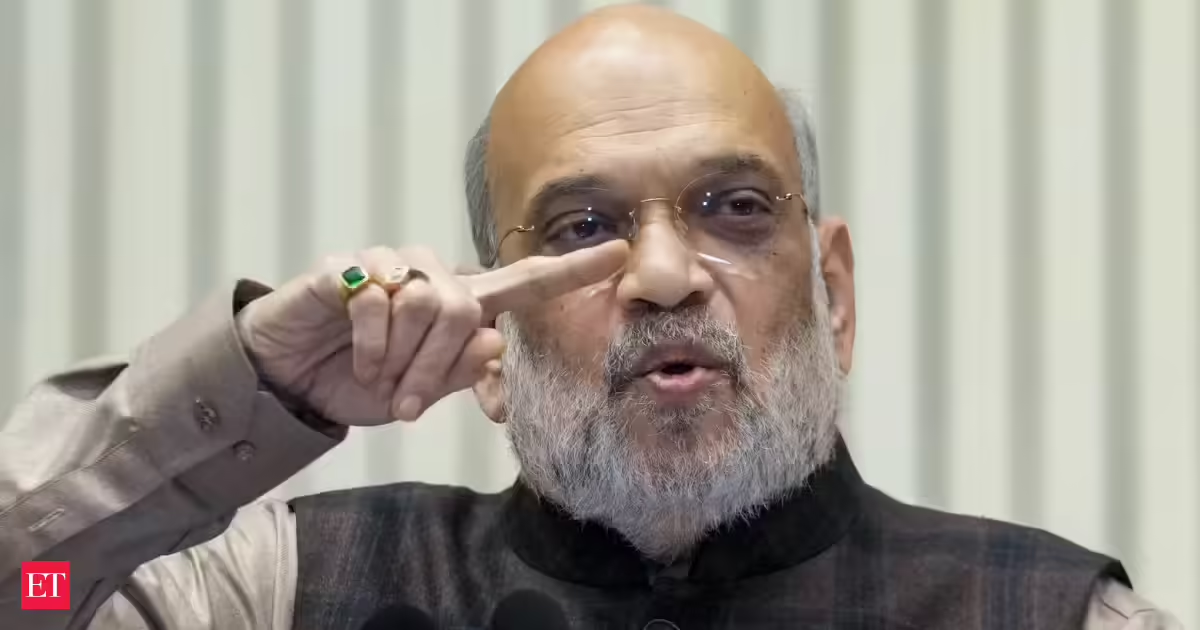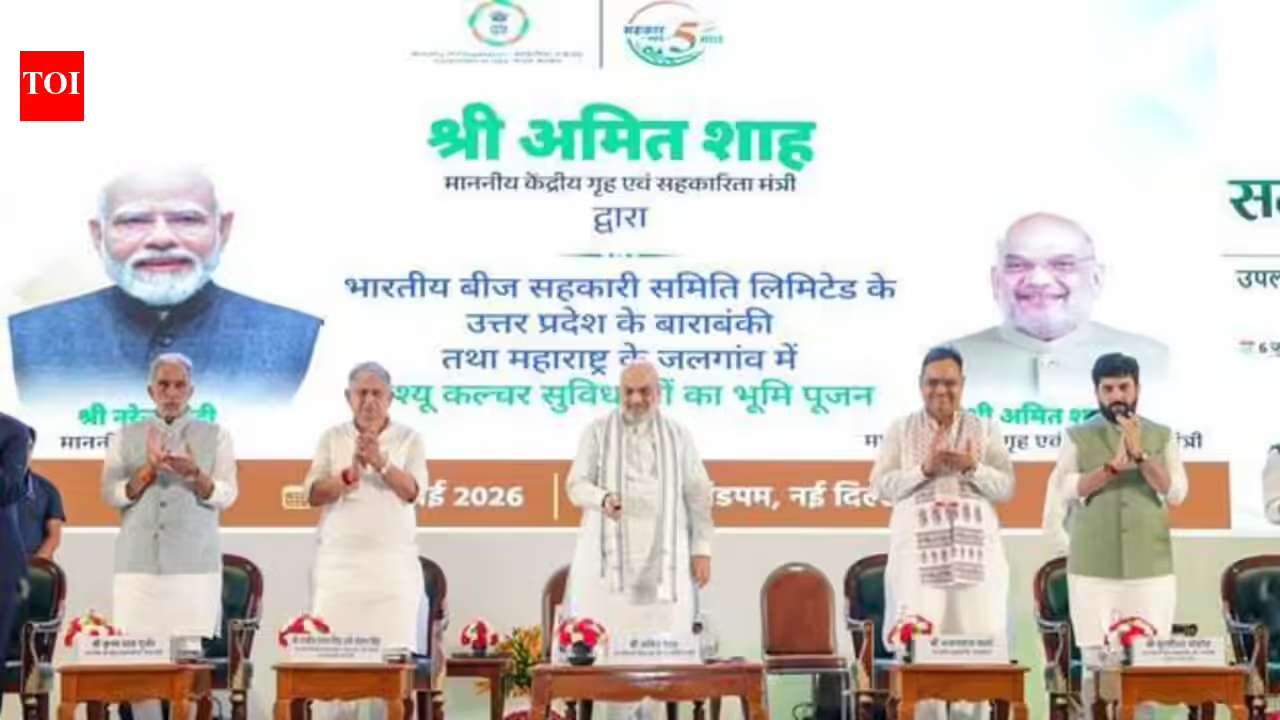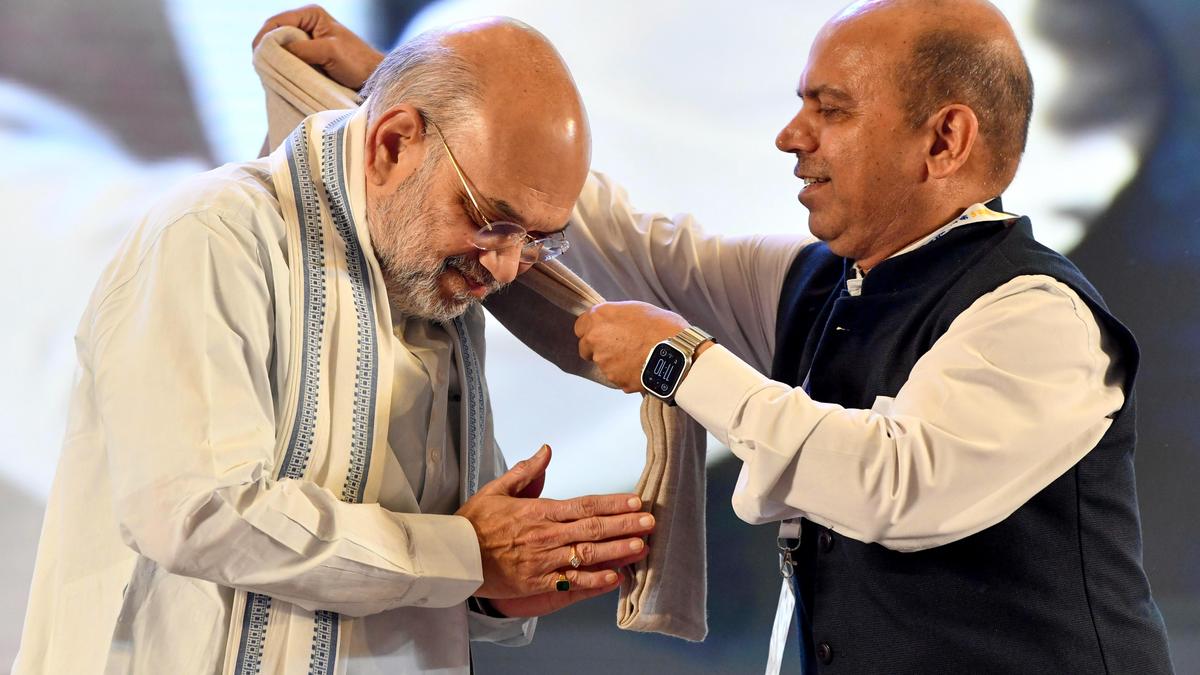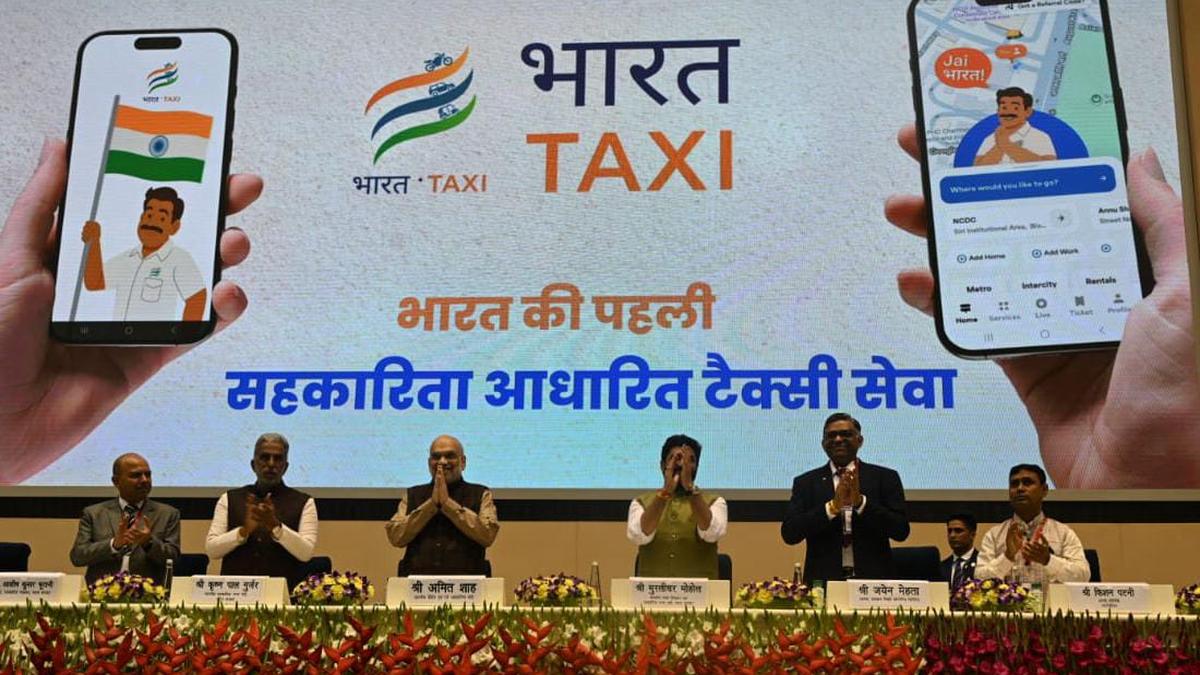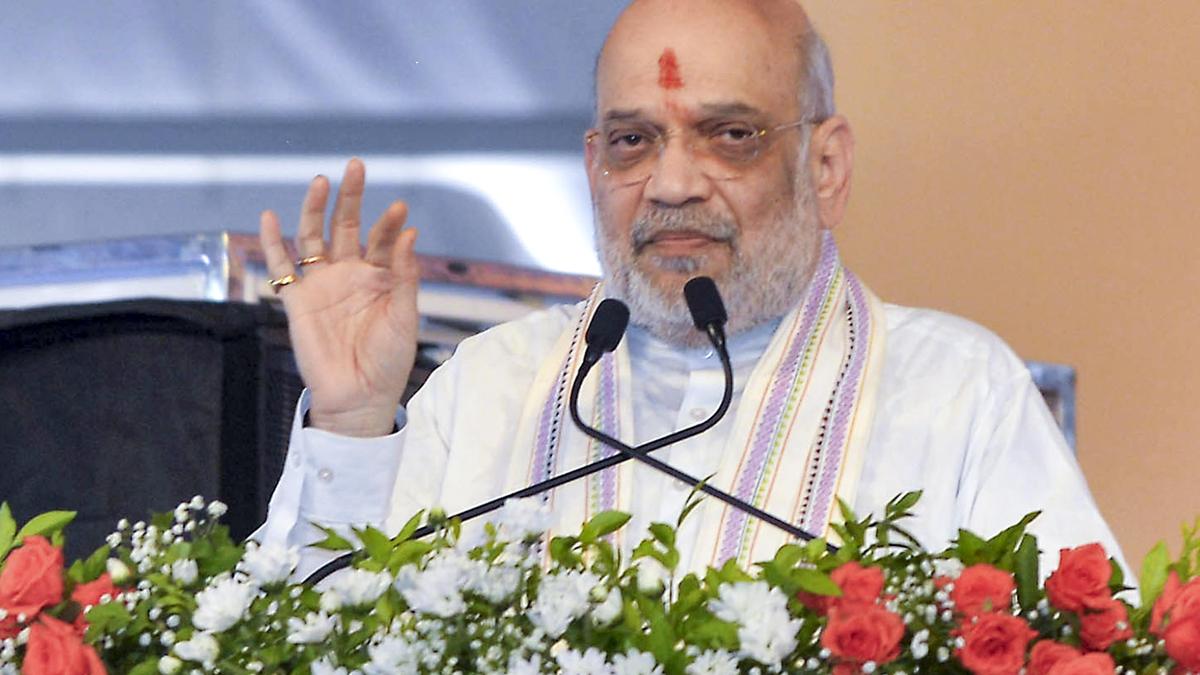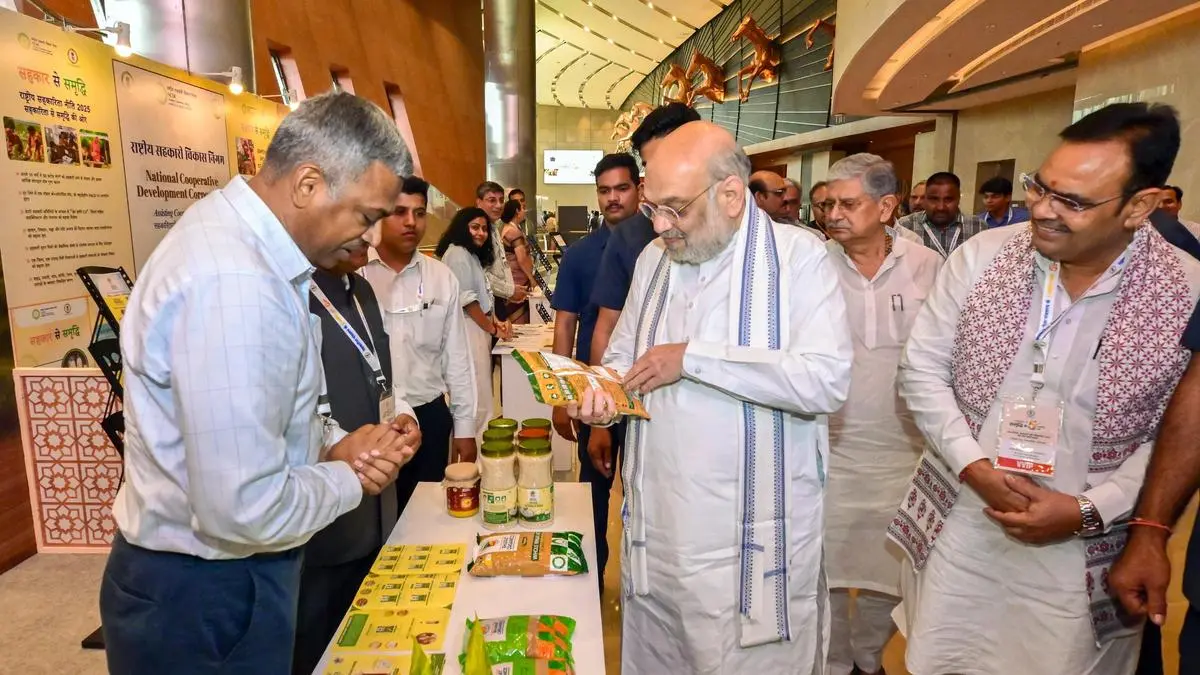
Union Minister Amit Shah on Monday announced that a cooperative life insurance company will be established to expand the business areas of cooperatives and also said the services of ‘Bharat Taxi’ would be increased to 500 cities in the next two years.At an event in the national capital to mark the 5th Foundation Day of the Ministry of Cooperation, he stressed eradicating corruption in the appointments of professionals for enhancing credibility in India’s cooperative ecosystem.Shah, the Cooperation Minister, said the establishment of the ministry has given a new “lifeline” to India’s cooperative movement, which was a “neglected movement” during the Congress regime.India has around 8.5 lakh cooperatives with more than 30 crore members.Shah highlighted that the ministry has taken many policy initiatives and done commendable work for making the cooperative system modern, transparent, technology-enabled, and competitive.The minister said that ride-hailing platform ‘Bharat Taxi’, which was launched under the cooperative model, has been doing well and would be expanded into 500 cities in the next two years.On similar lines of Bharat Taxi, Shah said: “We will be setting up a life insurance company in the cooperative sector. This will help in the growth of cooperatives in the insurance sector”.He mentioned that IFFCO-TOKIO, a joint venture of fertiliser cooperative IFFCO, is already in the insurance business.In India, there are 26 life insurance companies.Bharat Taxi is an initiative of Sahakar Taxi Cooperative Ltd, a driver-centric mobility platform based on the cooperative model. At present, Bharat Taxi has 6.37 lakh registered drivers and 35.77 lakh registered customers.The service is operational in Delhi-NCR, Gujarat, Lucknow, Chandigarh, Mumbai, Jaipur, and Kanpur and will soon be launched in Ranchi, Patna, Guwahati, Bhopal, Kolkata, Indore, and Nagpur in the next few months, according to an official statement.Cooperatives expand into new sectorsAddressing the event, Shah said a national cooperative was formed especially for seed production and expressed confidence that it will emerge as the country’s largest non-governmental seed production organisation in three years.The minister noted that the cooperative organisations have entered into many new sectors, expanding beyond dairy, sugar, fertiliser and banking businesses.Shah mentioned that model bye-laws, which enable PACS (primary agricultural credit societies) to undertake 25+ business activities, have been adopted by all states.As per the statement, these PACS now function beyond credit, covering retail, storage, healthcare, fuel, and digital services.As many as 394 PACS have applied for retail fuel outlets, and 3 outlets have been commissioned. More than 54,000 PACS are functioning as Common Service Centres while 4,248 PACS are approved for Jan Aushadhi Kendras.Listing out the initiatives taken in the last five years, Shah said the ministry has identified the problems as well as opportunities in this sector. A database of the cooperative sector has been created which will help in identifying the gaps and enable the expansion of cooperatives in the country.Professional management to improve transparencyShah mentioned that ‘Tribhuvan’ Sahkari University is being established at Anand in Gujarat, which will address the human resource problem.He said trained professionals in banking, dairy, marketing, agriculture, fertilizers, and other areas of cooperation will be prepared from this university.“These professionals will be appointed based on merit. Our goal is to implement professional management in a phased manner from primary cooperative societies to top institutions. This will increase transparency in appointments, improve work efficiency, and also put an effective check on corruption related to appointments,” Shah said.“By ending corruption in appointments, the cooperative sector can win people’s trust,” he said.Referring to the initial apprehension that the Union Ministry will interfere in the working of the state governments as cooperative is a state-subject, he said even the Congress-ruled states have not complained in the last five years about this.“The Union Ministry is not for interfering in the state subject. It has been created to help states. It is for policy making,” said Shah, who is also the Union Home Minister.Shah expressed confidence that the cooperative sector would play a key role in making ‘Viksit Bharat’ by 2047.“I am fully confident that when the country celebrates the centenary of independence in 2047, the strong foundation of Viksit Bharat will be the cooperative movement”.The minister said the NDA and BJP governments have always worked for all-round development for the benefit of the poor and rural population. He cited many new ministries created by the NDA government.Foundation stones laid for cooperative infrastructure projectsDuring the event, Shah laid the foundation stone and inaugurated several major projects and initiatives on this occasion.These initiatives included the transfer of 135 godowns with a capacity of 75,000 tonnes, the inauguration of 85 godowns, and the laying of the foundation stone virtually for 47 grain storage godowns.Groundbreaking (Bhoomi Pujan) of Sahakar Van by Amul and NCCF, as well as of tissue culture facilities of Bharatiya Beej Sahakari Samiti Ltd (BBSSL) at Barabanki in Uttar Pradesh and Jalgaon in Maharashtra, was also done.Another major highlight of the programme was the transformation of 50,000 PACS into e-PACS. A Memorandum of Understanding was also signed between BBSSL and ICAR for strengthening seed systems.Shah released model bye-laws for dairy cooperative societies and a book highlighting the achievements of the Ministry.Published on July 6, 2026
Amit Shah announces cooperative life insurance company and Bharat Taxi expansion
Amit Shah announced a cooperative life insurance company and expansion of Bharat Taxi to 500 cities as part of the Centre's push to strengthen India's cooperative sector.
850 words~4 min read